

Finding Waukesha County property tax records doesn’t have to feel like navigating a bureaucratic maze. Whether you’re a homeowner trying to understand your assessment, a real estate investor researching properties, or simply curious about what your neighbors paid, accessing these public records is more straightforward than you might think. In this guide, we’ll walk you through exactly where to find them, how to interpret what you’re looking at, and what it all means for your wallet.
Table of Contents
Accessing Records Online
The easiest way to find Waukesha County property tax records is through the county’s official online portal. The Waukesha County Treasurer’s Office maintains a searchable database that’s available 24/7, which beats waiting in line at a government office any day. You can search by owner name, property address, or parcel number. The system is free to use and provides current and historical tax information.
To get started, head to the Waukesha County official website and look for the “Property Tax Records” or “Treasurer” section. Most searches take less than two minutes, and you’ll get instant access to assessed values, tax amounts, and payment history. This is particularly useful if you’re considering buying property in the area—you can see what similar homes are assessed at before making an offer.
Waukesha County Assessor’s Office
The Waukesha County Assessor’s Office is the authoritative source for property valuations and assessments. This department determines the fair market value of every property in the county, which directly impacts your tax bill. If you want detailed information about how your property was assessed, or if you believe the assessment is inaccurate, this is where you go.
You can contact the office in person at their main location, or increasingly, many services are available online. They provide assessment cards that show property characteristics (square footage, lot size, construction type, condition) that were used to calculate your property’s value. Understanding these details matters because they’re the foundation of your tax bill. If the assessor recorded your home as having three bathrooms when it actually has two, that’s costing you money.

Understanding Tax Assessments
Here’s where it gets real: your property tax bill is calculated by taking your assessed value and multiplying it by the local tax rate (called the mill rate). In Wisconsin, assessed values are typically 100% of fair market value, which is different from some states that use lower percentages. This means your assessment is meant to reflect what your home would actually sell for.
The assessment process happens every few years in Waukesha County, though it can vary by municipality. During an assessment year, the assessor’s office reviews property records, conducts inspections, and compares recent sales in your area. They’re not trying to be unfair—they’re trying to ensure all properties are valued consistently. But mistakes happen, and that’s why understanding the process matters.
Your assessment notice will show the assessed value, the tax rate, and your resulting tax bill. If you received a notice and the assessed value seems high, you typically have 30 days to file an appeal or request a review. Don’t skip this step if you think something’s wrong—appealing a $50,000 overvaluation could save you $500+ annually in taxes.
Property Values and Appeals
Real estate markets fluctuate, and sometimes assessments lag behind market reality. If your home’s assessed value seems out of line with what similar properties are selling for, you have options. Wisconsin allows property owners to appeal their assessments through a formal process.
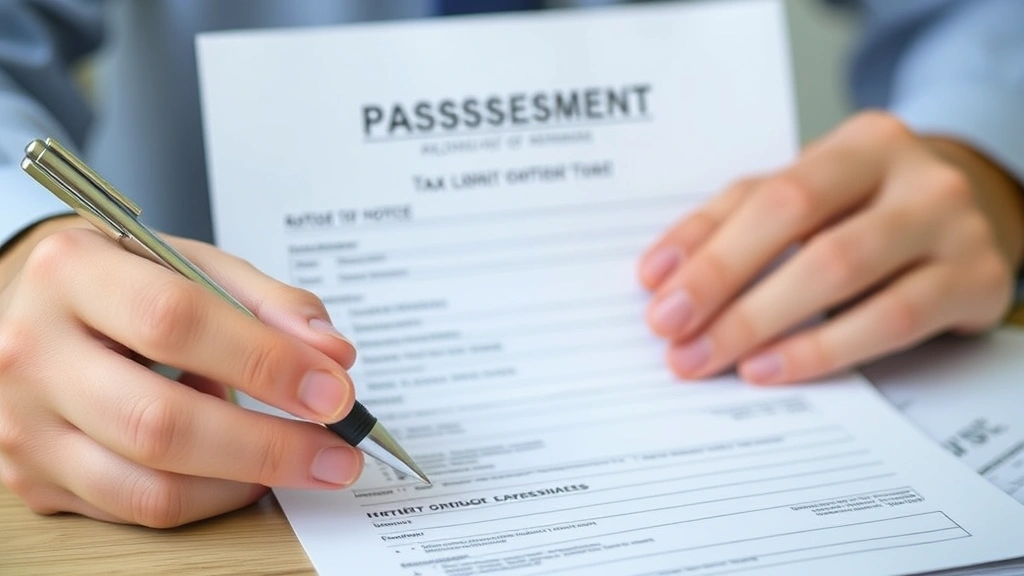
The first step is usually contacting your local assessor’s office to discuss your concerns. Bring evidence: recent appraisals, comparable sales in your neighborhood, or documentation of property defects that should lower the value. Many disputes are resolved at this level without formal appeals. If you’re not satisfied, you can file a formal appeal with the Board of Review, which typically meets in spring.
When appealing, focus on facts. Show that comparable properties are assessed lower, or that your home has structural issues that weren’t reflected in the assessment. Emotional arguments (“I can’t afford this much in taxes”) won’t help—the board is evaluating valuation accuracy, not your financial situation. Consider hiring a property tax consultant or real estate appraiser if the assessed value is significantly high; the $300-500 investment often pays for itself through a successful appeal.
Comparing Wisconsin Property Tax Rates
Waukesha County’s property tax rates are important context for understanding your bill. Wisconsin consistently ranks among the highest property tax states nationally, with effective rates around 0.85% of home value. Waukesha County is generally in the middle range for the state—not the highest, but not the lowest either.
If you’re comparing Waukesha County to other areas, remember that tax rates vary significantly by municipality within the county. Some towns have higher rates than others based on local spending needs. This is why two identical homes in different Waukesha County towns might have different tax bills. For comparison context, check out our guides on Cuyahoga Property Tax or Marin County Property Tax to see how Wisconsin stacks up nationally.
Tax Exemptions Available
Wisconsin offers several property tax exemptions that could reduce your bill significantly. The most common is the homestead exemption, which provides a modest reduction for primary residences. If you’re 65 or older, you may qualify for additional exemptions. Veterans, disabled persons, and agricultural properties also have exemption opportunities.
These exemptions require applications, and deadlines matter. Missing the filing window means waiting another year to claim the exemption. If you think you qualify for any exemption, contact your local assessor’s office—they can explain requirements and help with paperwork. For homeowners on fixed incomes, these exemptions can provide meaningful relief.
Beyond exemptions, Wisconsin allows a property tax credit on your state income tax return if your property taxes exceed a certain percentage of household income. This is separate from exemptions and provides additional relief for those who qualify. Your tax professional or the Wisconsin Department of Revenue can help you determine eligibility.
Digital Tools and Resources
Technology has made accessing Waukesha County property tax records easier than ever. Beyond the county’s official database, several third-party sites aggregate property tax information. Websites like Zillow, Redfin, and county-specific portals often display assessed values and tax history alongside market estimates.
If you’re managing multiple properties or doing serious research, consider using the Michigan Property Tax Calculator as a reference for understanding how tax calculations work (the methodology is similar across Midwest states). You can also find Wisconsin-specific resources through the Wisconsin Department of Revenue website.
For detailed property analysis, many investors use GIS (Geographic Information System) tools available through the Waukesha County website. These show property boundaries, land use classifications, and sometimes aerial photos. It’s geeky but incredibly useful if you’re evaluating multiple properties or trying to understand why two seemingly identical homes have different assessments.
Frequently Asked Questions
How often are properties reassessed in Waukesha County?
Reassessment cycles vary by municipality, but most properties in Waukesha County are reassessed every 3-4 years. Some municipalities do annual assessments. Check with your local assessor’s office for your specific schedule.
Can I see what my neighbors paid for their homes?
Yes, sale prices are public record in Wisconsin. You can find recent sales through county records, real estate websites, or by requesting deed information from the Register of Deeds office. This information is valuable for understanding your own property’s market value.

What if I disagree with my assessment?
File an appeal with the Board of Review in your municipality. You typically have 30 days from receiving your assessment notice. Bring evidence like recent appraisals or comparable sales data. The process is free and doesn’t require an attorney, though you can hire one if you prefer.
Are there property tax relief programs for seniors?
Yes. Wisconsin offers additional exemptions for seniors age 65 and older, and a property tax credit through the state income tax system. Contact your local assessor’s office or the Wisconsin Department of Revenue for details on programs you might qualify for.
How do I find historical property tax records?
The Waukesha County Treasurer’s office maintains historical records, typically going back several years in their online system. For older records, you may need to visit in person or contact the office directly.
What’s the difference between assessed value and market value?
Assessed value is what the county determines your property is worth for tax purposes. Market value is what your home would actually sell for. In Wisconsin, these should be roughly equal, but market values can fluctuate between assessment cycles, creating temporary differences.
Final Thoughts
Understanding Waukesha County property tax records isn’t just about satisfying curiosity—it’s about protecting your financial interests. Whether you’re a homeowner, investor, or simply researching the area, these public records are your window into property valuations and tax obligations. The county has made access relatively easy through online portals, so there’s no excuse for not knowing what you’re paying and why.
Take time to review your assessment, understand how your tax bill is calculated, and explore available exemptions or appeals. If something seems off, don’t hesitate to question it. The assessor’s office isn’t your adversary; they’re tasked with fair and consistent valuations. When disputes arise, they’re usually resolved through respectful dialogue backed by solid evidence.
For additional context on property taxes across different regions, explore our guides on Fairfax County Real Estate Tax Assessment or consult with a Tax Strategist if you need personalized advice. Property taxes are one of the largest expenses homeowners face, so investing a little time in understanding them now can pay dividends for years to come.


