

Understanding Waukesha property tax is one of the smartest moves you can make as a homeowner in Wisconsin. Whether you’re buying your first home, refinancing, or just tired of watching your tax bill climb every year, knowing how the system works puts real money back in your pocket. Let’s break down what you need to know to take control of your property taxes.
Table of Contents
How Waukesha Property Tax Works
Property taxes in Waukesha County operate on a system that determines your annual bill based on your home’s assessed value. Here’s the reality: your property tax bill is calculated by multiplying your home’s assessed value by the local tax rate. It sounds simple, but the devil is in the details.
The Waukesha County Assessor’s office evaluates your property every few years to determine its fair market value. This assessment is the foundation of everything—get it wrong, and you’re overpaying. The assessed value gets multiplied by the tax rate set by your municipality, school district, and county, which is why neighbors on the same street can have wildly different bills.
Wisconsin uses what’s called a “fractional assessment” system, meaning properties are assessed at a percentage of their market value rather than 100%. Currently, that percentage hovers around 10-12% for residential properties in Waukesha County, though it varies slightly by municipality. This is actually good news—it keeps assessments lower than the full market price.
Current Tax Rates in Waukesha
Waukesha County property tax rates are among the moderate-to-higher rates in Wisconsin, averaging around 1.2% to 1.4% of assessed value annually, depending on your specific municipality. The city of Waukesha itself tends to run slightly higher than rural townships in the county.
Your actual rate is a combination of three components: the county levy, the municipal levy, and the school district levy. The school district portion typically makes up 40-50% of your total bill—which is why understanding the full breakdown matters. A home with an assessed value of $200,000 might pay anywhere from $2,400 to $2,800 annually, but this varies significantly based on location within the county.
The good news? Wisconsin has property tax relief programs that can offset these costs. We’ll get into those shortly, but first understand that your rate isn’t fixed—it changes annually based on how much money local governments need to spend.
Homestead Exemption Benefits
If you own and occupy your home as your primary residence in Waukesha, you qualify for the homestead exemption—and this is where real savings happen. This exemption can reduce your property taxes by 10-30%, depending on your income level.
Wisconsin’s homestead exemption is income-based. If your household income falls below certain thresholds (roughly $65,000-$75,000 for a single person, adjusted annually), you get the full exemption benefit. Higher incomes receive reduced exemptions. The exemption essentially lowers your assessed value, which directly reduces your tax bill.
Here’s what surprises most homeowners: you have to claim this. It doesn’t happen automatically. You file a claim with your local municipality assessor’s office, usually by a March 1st deadline. Miss the deadline, and you lose the exemption for that year. Check your Waukesha County property tax records to verify you’re actually receiving this benefit—many homeowners discover they’re not claiming it and are leaving thousands on the table.
Assessment and Appeals Process
Your home’s assessed value is determined by the local assessor, but you’re not powerless. Wisconsin law gives you the right to appeal your assessment if you believe it’s inaccurate. This is one of the most underutilized tools for lowering your property tax bill.
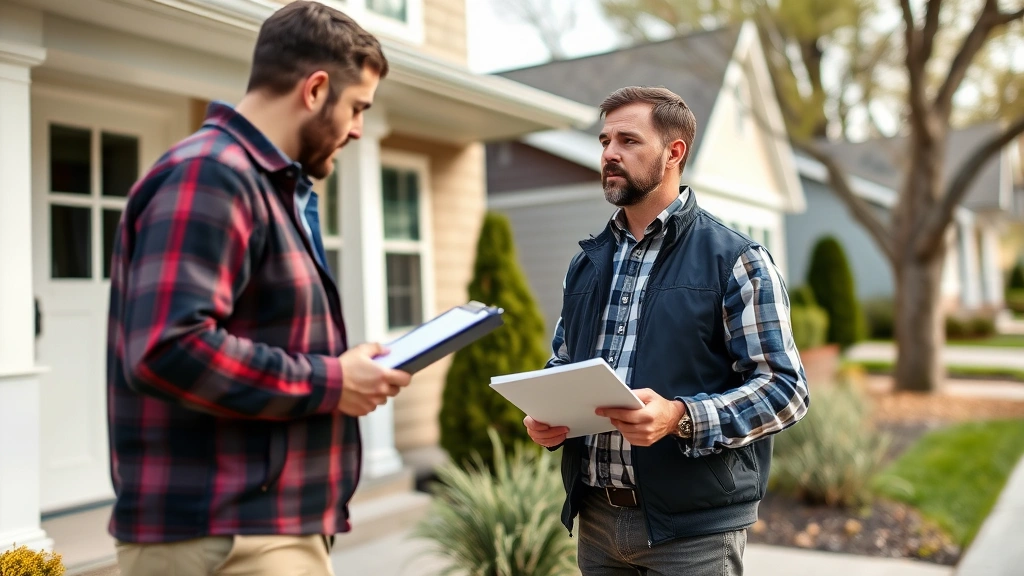
The appeal process starts with an informal meeting with your assessor. You have roughly 30 days after receiving your assessment notice to request this meeting. Bring comparable sales data, photos of any damage or deferred maintenance, and documentation of recent repairs or upgrades that might have been overlooked. The assessor is often willing to adjust the value if you can show the assessment doesn’t match market reality.
If the informal meeting doesn’t resolve it, you can file a formal appeal with the Board of Review, typically held in July. This is more formal—you might want professional help here, especially if your property is high-value. Some homeowners hire appraisers or assessment consultants, which costs $300-$800 but can save thousands if successful. Check your Waukesha County property tax records for comparable properties in your area to build your case.

Strategies to Lower Property Taxes
Beyond exemptions and appeals, several strategies can reduce your Waukesha property tax burden. First, understand that making home improvements doesn’t always increase your taxes—but some do. A new roof or HVAC system won’t trigger a reassessment in most cases, but adding a bedroom or finishing a basement will. Plan improvements strategically if you’re concerned about assessment impacts.
Second, if you’re a veteran, you may qualify for a disabled veteran exemption, which can exempt up to $60,000 of your home’s value from taxation. This is substantial and often overlooked. Similarly, if you’ve experienced a significant decline in property value due to environmental issues or market conditions, you have grounds for an appeal.
Third, consider whether refinancing or taking out a home equity loan affects your property tax situation. It shouldn’t directly, but understanding your financing helps you plan for tax obligations. If you’re paying property taxes from an escrow account with your mortgage, ensure your lender is calculating them correctly—errors here are surprisingly common.
Finally, stay informed about local tax referendums and school funding issues. While you can’t avoid taxes, understanding how your municipality spends money helps you make informed decisions about your long-term housing situation.
Senior and Disabled Exemptions
Wisconsin offers additional property tax relief for seniors and disabled homeowners. If you’re 65 or older, or permanently and totally disabled, you may qualify for the “tax deferral” program, which allows you to defer property taxes until your property is sold or your estate is settled.
This doesn’t eliminate taxes—it defers them—but it provides crucial cash flow relief for people on fixed incomes. Interest accrues, but at a favorable rate (currently around 5%), making this far better than borrowing from a bank or credit card.
Additionally, some municipalities in Waukesha County offer local senior exemptions beyond the state program. The eligibility criteria and benefit amounts vary by municipality, so contact your local assessor’s office directly. These programs rarely advertise themselves, which means most eligible seniors never apply.
Property Tax Records Access
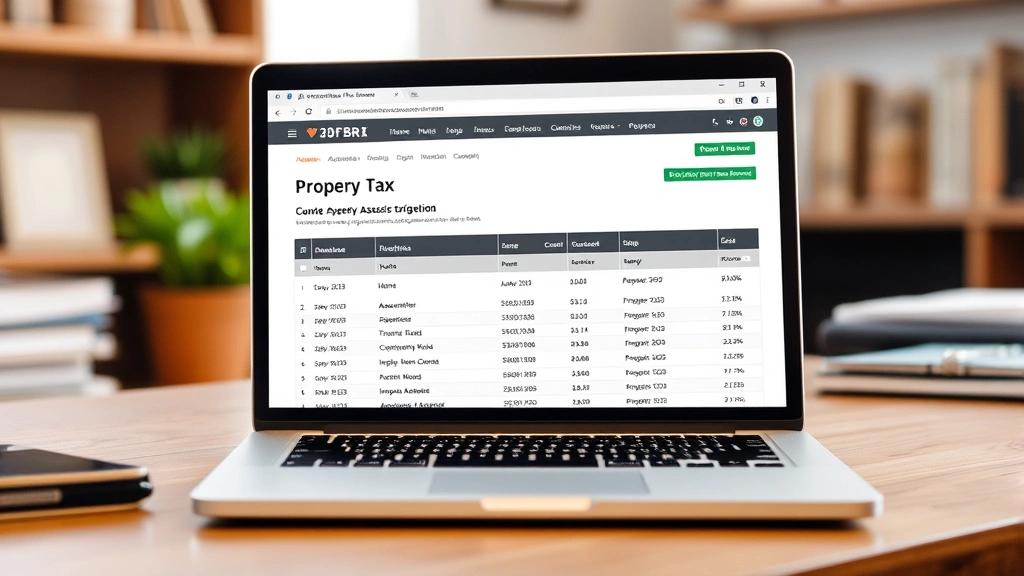
Accessing your property tax records is straightforward and essential for managing your taxes effectively. The Waukesha County Assessor’s office maintains public records that show your assessed value, tax rate, and historical assessment data. You can view these online through the county website or by visiting the assessor’s office in person.
Your Waukesha County property tax records include the property card, which lists the assessed value, square footage, lot size, number of bedrooms and bathrooms, and any special features. This is your baseline for determining if your assessment is accurate. Compare your property card to your actual home—discrepancies are common and often lead to successful appeals.
You can also access comparable property sales data through the county, which is crucial for appeals. Knowing what similar homes in your neighborhood sold for recently gives you ammunition to challenge an inflated assessment. Many online platforms now provide this data for free, but the county records are the official source.
Common Mistakes Homeowners Make
Not claiming the homestead exemption is mistake number one. We mentioned this earlier, but it bears repeating: this costs homeowners thousands of dollars annually simply because they don’t know to apply. Set a calendar reminder for February to check your exemption status.
Mistake number two: ignoring assessment notices. When you receive your assessment notice, actually read it. Many homeowners file these away without checking if the information is accurate. A simple typo—like listing your home as having four bedrooms when it has three—can inflate your assessment significantly.
Mistake number three: missing appeal deadlines. Wisconsin’s appeal windows are tight. If you miss the 30-day informal meeting window or the Board of Review deadline, you’re stuck with that assessment for another year. Mark these dates in your calendar.
Mistake number four: not understanding the difference between assessed value and market value. Your home might be worth $400,000, but if the assessed value is $45,000 (using Wisconsin’s fractional assessment), your tax bill is based on that lower figure. Understanding this distinction helps you evaluate whether an assessment is actually too high.
Frequently Asked Questions
What is the average property tax rate in Waukesha County?
The average effective property tax rate in Waukesha County is approximately 1.2% to 1.4% of assessed value annually. This varies by specific municipality and school district. Some rural townships run lower (around 1.1%), while the city of Waukesha itself tends toward the higher end. Your actual rate depends on which combination of county, municipal, and school levies apply to your property.
Can I appeal my property tax assessment in Waukesha?
Yes, absolutely. You have the right to appeal your assessment if you believe it’s inaccurate. Start with an informal meeting with your local assessor within 30 days of receiving your assessment notice. If unresolved, file a formal appeal with the Board of Review, typically held in July. Bring comparable sales data and documentation of your property’s condition to support your case.
How do I claim the homestead exemption in Waukesha?
Contact your local municipality assessor’s office and request a homestead exemption claim form. You must file this by March 1st annually. You’ll need to prove you own and occupy the home as your primary residence and meet income requirements (roughly $65,000-$75,000 for single filers, adjusted yearly). The exemption reduces your assessed value, directly lowering your tax bill.
Are there property tax breaks for seniors in Waukesha?
Yes. If you’re 65 or older, you may qualify for the property tax deferral program, which allows you to defer taxes until your property is sold or your estate is settled. Interest accrues at roughly 5% annually. Some municipalities also offer local senior exemptions. Contact your assessor’s office to learn what programs you qualify for.

Where can I find my property tax records in Waukesha County?
The Waukesha County Assessor’s office maintains public records available online through the county website. You can access your property card, assessment history, and comparable sales data. Visit the assessor’s office in person if you need additional help or want to discuss your assessment in detail.
What’s the difference between assessed value and market value?
Your home’s market value is what it would sell for on the open market. Your assessed value is a percentage of that (roughly 10-12% in Waukesha County), used to calculate property taxes. Your tax bill is based on assessed value, not market value. This fractional assessment system keeps Wisconsin property taxes lower than they would be if based on full market value.
Do home improvements increase my property taxes?
Not all improvements trigger a reassessment. Routine maintenance like roof repairs or HVAC replacement typically won’t increase your taxes. However, adding square footage, finishing a basement, or adding a bedroom will likely trigger a reassessment and increase your assessed value. Plan improvements with this in mind if you’re concerned about tax impacts.
Take Action on Your Waukesha Property Tax
Your Waukesha property tax bill isn’t set in stone. By understanding how the system works, claiming available exemptions, and challenging inaccurate assessments, you can meaningfully reduce what you owe. The key is taking action rather than passively accepting whatever bill arrives.
Start today: verify you’re claiming the homestead exemption, review your property tax records for accuracy, and if your assessment seems high, request an informal meeting with your assessor. These steps take a few hours but can save you thousands over the years you own your home. That’s the kind of return on investment that makes sense to any homeowner.


