

The 485-x affordable housing tax incentive is a powerful New York State program designed to reduce property taxes on newly constructed or substantially rehabilitated affordable housing. If you’re a developer, investor, or property owner considering affordable housing projects, understanding this incentive can mean the difference between a viable project and one that doesn’t pencil out financially.
Table of Contents
What Is the 485-x Program?
New York’s 485-x affordable housing tax incentive, codified in Article 4, Section 485-x of the Real Property Tax Law, provides significant property tax abatements for affordable housing developments. This program applies to both new construction and rehabilitation projects in New York City and certain areas outside the city.
The program essentially freezes your property taxes at a base amount, then phases in increases gradually over a 25-year period. For developers and owners, this creates predictable operating costs and improves project feasibility. The incentive applies to the entire building if it meets affordability requirements, not just individual units.
Think of it as the state saying: “We’ll reduce your tax burden if you commit to keeping rents affordable for decades.” It’s a carrot-and-stick approach that benefits both the housing market and your bottom line.
Eligibility Requirements Explained
Not every affordable housing project qualifies for the 485-x incentive. The program has specific requirements you must meet:
Building Requirements: The building must be newly constructed or substantially rehabilitated (at least 50% of the building’s assessed value must be invested in rehabilitation). Mixed-income buildings qualify as long as at least 20% of units are affordable to households earning 60% of Area Median Income (AMI) or less.
Affordability Commitment: You must commit to maintaining affordability for a minimum of 30 years. This is a legal binding agreement with the state, so it’s not a casual commitment. The affordability terms are typically locked into the deed.
Geographic Limitations: While primarily available in New York City, the program has expanded to certain areas outside the city. Check with your local assessor or the New York State Division of Housing and Community Renewal (DHCR) to confirm your property’s eligibility.
Ownership Structure: The building owner must be either a for-profit entity, non-profit organization, or public housing authority. Individual residential owners don’t typically qualify.
Tax Benefits Breakdown
Here’s where the real value emerges. The 485-x affordable housing tax incentive provides substantial savings through a phased approach:

Initial Abatement Phase (Years 1-10): Your property taxes are frozen at a base amount, typically calculated from the building’s assessed value at the time of certification. This is where you see the biggest savings—potentially 50-80% reduction from what you’d normally pay.
Phase-In Period (Years 11-25): After year 10, taxes begin to increase gradually. Instead of jumping to full market rates, they increase by roughly 20% every five years. This predictability helps with long-term financial planning.
Post-Incentive Period (Year 26+): Once the 25-year benefit period ends, your property returns to standard assessment and taxation. By this time, hopefully your project is well-established and stable.
The actual dollar amount depends on your property’s assessed value, location, and the specific terms approved by DHCR. We’ve seen projects save $500,000 to several million dollars annually during the benefit period. For a 100-unit building, that translates to meaningful rent reductions or improved operating margins.
Application Process & Timeline
Getting certified for the 485-x affordable housing tax incentive requires patience and precision. Here’s the typical timeline:
Step 1: Pre-Application (3-6 months before): Work with DHCR or your local housing authority to confirm eligibility. This is where you’ll clarify whether your project qualifies and what documentation you’ll need. Don’t skip this—it saves headaches later.
Step 2: Submit Application: Your application includes detailed project information, financial projections, affordability plans, and building specifications. You’ll need architectural plans, ownership documentation, and proof of financing. This packet is substantial—typically 50+ pages.
Step 3: DHCR Review (6-12 months): The state reviews your application for completeness and compliance. They may request additional information or clarifications. This is the longest part of the process, so be patient and responsive to their requests.
Step 4: Certification: Once approved, DHCR issues a tax exemption certificate. You then file this with your local assessor to begin receiving the tax benefit.

Step 5: Ongoing Compliance (Annual): You’ll need to file annual reports confirming that the building maintains affordability and meets all program requirements. Miss these deadlines, and you risk losing the benefit.
Pro tip: Hire a consultant familiar with the 485-x process. Yes, it costs money upfront, but they’ll navigate bureaucratic hurdles and help you avoid costly mistakes. Think of it as insurance against application rejection.
Income Limits & Affordability
The 485-x affordable housing tax incentive ties affordability to Area Median Income (AMI), which varies by county and changes annually. For 2024, here’s how it typically breaks down:
Affordability Tiers: Most programs require at least 20% of units to be affordable to households earning 60% AMI or less. Some projects commit to deeper affordability—30%, 50%, or even 100% of units at lower income levels. The deeper your affordability commitment, the more tax benefit you receive.
Rent Calculations: Affordable rents are typically set at 30% of the household’s gross income. So a household earning 60% AMI would pay rent capped at 30% of that income. In New York City, this might mean rents of $1,200-$1,500 for a one-bedroom, depending on location and income level.
Income Verification: You’ll need to verify tenant incomes annually and maintain documentation. This is administrative work, but it’s essential for compliance. Many owners use third-party income verification services to streamline this process.
The affordability requirements create a social benefit while the tax incentive creates a financial benefit for you. It’s a win-win if structured properly.
Common Mistakes to Avoid
After years of seeing 485-x applications, we’ve identified patterns in what goes wrong. Here are the biggest pitfalls:
Underestimating Compliance Costs: Many owners think the tax savings are pure profit. They’re not. You’ll spend $10,000-$30,000 annually on income verification, reporting, and compliance monitoring. Budget for this from day one.

Missing Affordability Deadlines: If your lease-up timeline slips and you don’t achieve affordability within the required period, you lose certification. Build in timeline buffers and stay ahead of deadlines.
Inadequate Financing Documentation: DHCR requires proof that your project is financially viable even with the affordability restrictions. Weak financial projections sink applications. Work with an accountant to build realistic, conservative models.
Ignoring Local Requirements: While 485-x is a state program, local governments often have additional requirements. Some cities require community board approval or local housing authority sign-off. Confirm these early.
Failing to Renew or Maintain: The benefit isn’t automatic forever. You must actively maintain compliance and file annual certifications. One missed deadline can jeopardize your entire benefit.
Comparison With Other Incentives
New York offers several affordable housing incentives. How does 485-x stack up?
485-x vs. J-51 (Commercial/Industrial Abatement): J-51 applies to rehabilitation of commercial or industrial buildings converted to residential use. It offers similar tax benefits but has different eligibility criteria. If your project qualifies for both, you might be able to stack benefits—though this is complex and requires expert guidance.
485-x vs. Tax Allocation District Programs: TAD programs focus on economic development in specific geographic areas. They’re complementary to 485-x but serve different purposes. Some projects can benefit from both if located in designated TAD areas.
485-x vs. 421-a (Now Expired): The famous 421-a tax abatement for new residential construction expired in 2016. 485-x essentially replaced it for affordable housing projects, offering more targeted incentives for affordability-restricted buildings.
485-x vs. Property Tax Rebate Programs: Some states offer direct rebates rather than abatements. New York’s abatement approach provides more certainty and typically larger benefits for long-term projects.
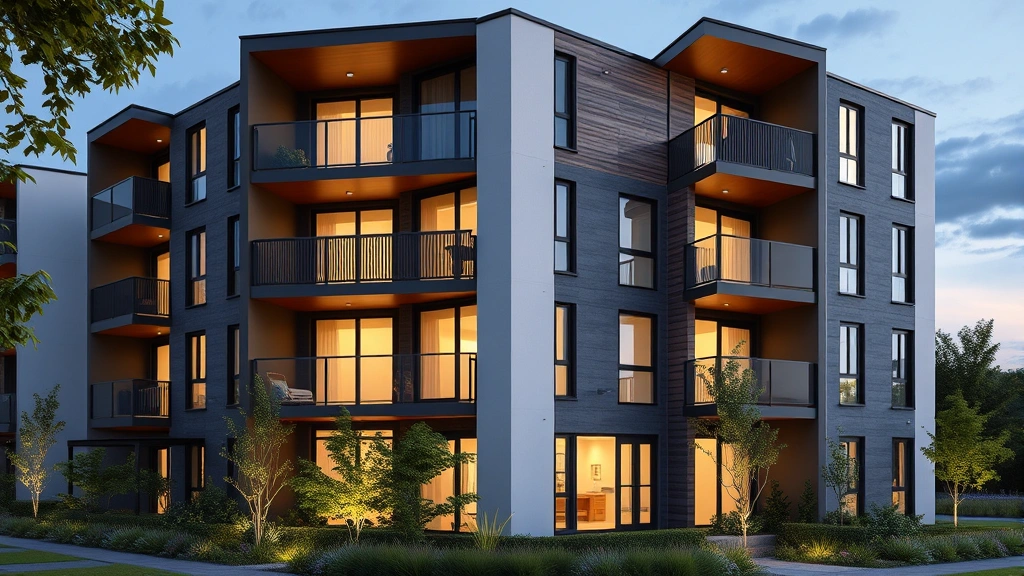
For most affordable housing developers, 485-x is the strongest incentive available. The key is understanding how it interacts with other programs in your specific situation.
2024 Program Updates
The 485-x program continues to evolve. Here’s what changed in 2024:
Expanded Geographic Reach: DHCR has extended 485-x eligibility to additional areas outside New York City, including parts of Westchester, Nassau, and Suffolk counties. If you’re developing outside the city, check current eligibility maps—your project might now qualify.
Increased Income Limits: The 2024 AMI calculations increased modestly, reflecting inflation. This means slightly higher “affordable” rents while maintaining the same affordability percentage. For tenants, rents are still capped; for owners, it provides a bit more revenue flexibility.
Streamlined Application Process: DHCR implemented a new online application portal in 2024, reducing paperwork and improving tracking. Applications that would have taken 12-18 months in 2022 might now take 8-12 months. Still not fast, but moving in the right direction.
Enhanced Compliance Monitoring: The state has increased audits and compliance reviews. This is good news for legitimate projects and bad news for anyone cutting corners. Make sure your income verification and reporting systems are airtight.
Sustainability Requirements: New projects applying for 485-x certification in 2024 must meet certain green building standards. This typically means LEED certification or equivalent. Budget for this in your construction plans.
Frequently Asked Questions
How long does 485-x certification last?
The tax benefit period lasts 25 years from the date of certification. However, you must maintain affordability for a minimum of 30 years, meaning five years after tax benefits end. Some projects commit to even longer affordability periods (40-50 years), which can unlock additional financing or grants.
Can I lose my 485-x benefit?
Yes. If you fail to maintain affordability, miss annual compliance filings, or violate the terms of your certification, DHCR can revoke your benefit. Once revoked, you’re back to paying full market-rate property taxes, which can be devastating to project economics. This is why compliance is non-negotiable.

Does 485-x apply to existing buildings?
Only if the building undergoes substantial rehabilitation (at least 50% of assessed value invested in improvements). A simple cosmetic renovation won’t qualify. The rehabilitation must be substantial enough to extend the building’s useful life significantly.
What’s the difference between 485-x and 485-b?
485-b is an older, more limited program. 485-x is the expanded version with broader eligibility and better benefits. If you’re eligible for 485-x, that’s the program you want. 485-b is rarely used anymore.
Can non-profits access 485-x?
Yes. Non-profit organizations can apply for 485-x certification. In fact, DHCR sometimes prioritizes non-profit applications because they demonstrate a public benefit commitment. If you’re a non-profit developer, this is a major advantage.
How does 485-x affect financing?
Lenders love 485-x projects because the tax savings improve debt service coverage ratios and project cash flow. You’ll typically get better loan terms and potentially higher loan amounts because the project is more financially stable. This is one of the hidden benefits most people overlook.
What happens after the 25-year benefit period?
Your property tax assessment returns to standard market-rate calculation. However, by year 25, your building is mature, debt may be paid down or refinanced, and you have an established tenant base. The transition is challenging but manageable if you’ve planned for it.
Can I refinance during the 485-x period?
Yes, but it’s complicated. Refinancing doesn’t automatically terminate your benefit, but it may trigger a reassessment of your property’s value. Work closely with your accountant and lender to understand the implications before refinancing.
Final Thoughts
The 485-x affordable housing tax incentive is a legitimate game-changer for developers and owners committed to affordable housing. The tax savings are substantial, the program is stable, and compliance, while demanding, is manageable with proper systems.
However, this isn’t a passive benefit. You must actively apply, maintain compliance, and plan for the eventual phase-out. The projects that succeed are those where owners treat affordability as a core mission, not just a tax strategy.
If you’re considering an affordable housing project in New York, get expert guidance early. The cost of professional help is far outweighed by the benefits of a properly structured and certified 485-x project. And if you’re already receiving the benefit, treat compliance as a top priority—your future tax liability depends on it.
For more information on related tax programs and property tax strategies, explore our guides on tax allocation districts and property tax rebates. You might also find value in understanding estate tax implications if you’re planning long-term property succession, or reviewing tax-advantaged retirement strategies for personal wealth planning alongside your real estate ventures.


