

If you’re buying or selling in Fremont, California, understanding Fremont sales tax is essential to your financial planning. Whether you’re a business owner, shopper, or investor, knowing the current rates and how they apply can save you thousands of dollars and keep you compliant with state regulations.
Table of Contents
Current Fremont Sales Tax Rates
As of 2024, the combined sales tax rate in Fremont is 8.625%. This rate applies to most retail purchases within the city limits of Fremont, located in Alameda County. This combined rate consists of the state base rate plus local additions, and it’s one of the factors that makes understanding your local tax environment crucial for budgeting.
The rate has remained stable, but it’s worth noting that California periodically adjusts its tax structure. If you’re running a business or making significant purchases, staying informed about these rates helps you avoid surprises at checkout and ensures accurate accounting records.
Tax Rate Breakdown by Component
The 8.625% Fremont sales tax rate breaks down as follows:
- California State Rate: 7.25% (base statewide rate)
- Alameda County Addition: 1.25% (county-level tax)
- Local City/District Additions: Varies by specific district within Fremont
This three-tier structure is typical for California cities. The state collects its portion, the county takes its share, and local districts may add their own percentage. Understanding this breakdown matters if you’re comparing sales tax in San Francisco or other Bay Area cities, where rates can differ significantly based on local add-ons.
What Items Are Taxable
Most tangible personal property purchased in Fremont is subject to sales tax. Here’s what typically gets taxed:

- Clothing and accessories
- Electronics and appliances
- Furniture and home goods
- Restaurant meals and prepared food
- Gasoline and fuel
- Vehicles and auto parts
- Books and media (with some exceptions)
- Tools and equipment
Services are generally not taxable in California, though there are exceptions. For example, labor charges for repairs or installation might be taxable depending on the situation. This distinction matters significantly for contractors and service businesses operating in Fremont.
Common Sales Tax Exemptions
Not everything you buy in Fremont is taxed. Several important exemptions exist:
- Groceries: Unprepared food items like fruits, vegetables, and packaged groceries are typically exempt
- Prescription Medications: FDA-approved prescription drugs are not taxed
- Medical Devices: Certain medical equipment and devices qualify for exemption
- Nonprofit Purchases: Qualified nonprofits may be exempt from paying sales tax
- Resale Certificates: Businesses buying inventory for resale can avoid tax with proper documentation
The exemption rules can be tricky. For instance, hot prepared food is taxable, but cold prepared food might not be—it depends on the specific circumstances. If you’re unsure whether something qualifies, contacting the California Department of Tax and Fee Administration (CDTFA) is your safest bet.
Business Seller Obligations
If you’re selling goods in Fremont, you have legal responsibilities regarding sales tax. You must:
- Obtain a seller’s permit from the CDTFA before conducting business
- Collect the appropriate sales tax from customers
- Keep accurate records of all taxable and exempt sales
- File regular sales tax returns (monthly, quarterly, or annually depending on your sales volume)
- Pay the collected taxes to the state on time
Failing to register or pay sales tax can result in serious penalties, including fines, interest charges, and potential legal action. Many small business owners underestimate these obligations, which is why staying compliant from day one matters. If you’re dealing with estimated tax payments for the state of California, you’ll want to coordinate your sales tax filing with your income tax planning.
How to Calculate Your Tax
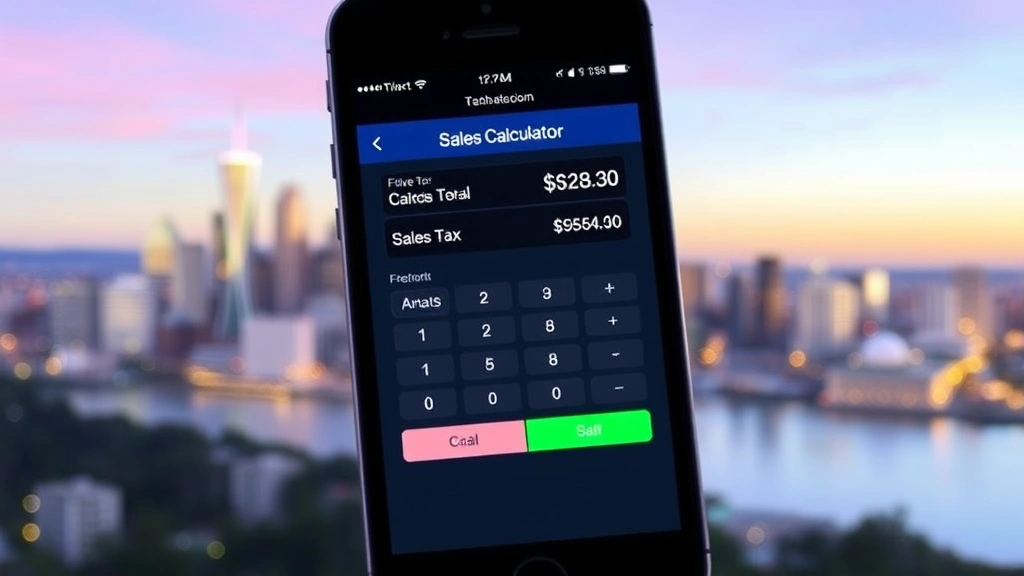
Calculating Fremont sales tax is straightforward once you know the rate. Here’s the formula:
Sale Amount × Tax Rate = Sales Tax Amount
Example: You purchase a laptop for $1,000 in Fremont.
- $1,000 × 0.08625 = $86.25 in sales tax
- Total cost: $1,086.25
For businesses, you’ll calculate this on each transaction, then aggregate the amounts for your tax filing period. If you’re processing multiple transactions daily, using point-of-sale software that automatically calculates tax is highly recommended. This reduces errors and makes record-keeping much easier when it’s time to file.
Fremont vs. Nearby Cities
How does Fremont’s rate compare to surrounding areas? Here’s a quick look at other Bay Area cities:

- San Francisco: 8.625% (same as Fremont)
- Oakland: 8.625%
- San Jose: 9.375% (higher)
- Berkeley: 8.625%
- Hayward: 8.625%
Fremont’s rate is competitive with most Bay Area cities, though San Jose residents pay a bit more. If you’re a business considering location options or a consumer making large purchases, this difference might factor into your decision. For more context on regional variations, check out our guide on property tax in Ventura County, which shows how tax structures differ across California.
Filing Deadlines & Compliance
Staying on schedule with your sales tax obligations is non-negotiable. Here’s what you need to know:
- Monthly Filers: Return due by the 30th of the following month
- Quarterly Filers: Return due by the last day of the following month after the quarter ends
- Annual Filers: Return due by March 31st of the following year (only for very small sellers)
You can file online through the CDTFA website, which is the fastest and most reliable method. Late filings incur penalties, and unpaid taxes accrue interest at a rate that can quickly compound your liability. If you’re struggling to meet deadlines, it’s worth consulting with a tax professional who understands California’s specific requirements.
Helpful Resources
When you need authoritative information about Fremont sales tax, these resources are invaluable:
- California Department of Tax and Fee Administration (CDTFA): cdtfa.ca.gov – The official state agency handling sales tax
- City of Fremont Official Website: Provides local tax information and business resources
- IRS Small Business Resources: irs.gov – Helpful for understanding federal implications
- Nolo’s Sales Tax Guide: nolo.com – Plain-English explanations of tax concepts
- California Chamber of Commerce: Offers business-specific tax guidance
Frequently Asked Questions
Do I need to pay Fremont sales tax on online purchases?
Yes. Since the 2018 South Dakota v. Wayfair Supreme Court decision, online retailers must collect and remit sales tax based on where the buyer is located. If you’re purchasing from out-of-state sellers and having items shipped to Fremont, you should be charged the 8.625% rate. If you’re not charged, you may technically owe “use tax” on your state income tax return, though enforcement is limited.
Are there any upcoming changes to Fremont sales tax rates?
As of 2024, no major rate changes are scheduled. However, California’s tax structure is always subject to legislative review. Stay informed by checking the CDTFA website and local Fremont city council announcements. Tax rates can change with voter-approved measures or state legislation.
What’s the difference between sales tax and use tax?
Sales tax is collected when you buy something. Use tax is what you owe if you buy something tax-free from another state and bring it to Fremont for use. For example, if you buy equipment out-of-state without paying tax, you owe use tax to California. Most people don’t pay it voluntarily, but it’s technically a legal obligation.
Can I get a refund if I overpaid sales tax?
Possibly, but it’s complicated. If a seller charged you incorrectly, you’d need to contact them for a refund. The CDTFA doesn’t typically issue refunds to consumers directly. If you’re a business that overpaid due to an error, you can file a claim with the CDTFA, though the process requires documentation and can take time.
How do resale certificates work in Fremont?
A resale certificate (also called a resale permit) allows businesses to buy goods tax-free if they’re buying inventory to resell. You must have a valid seller’s permit and provide the certificate to the wholesaler or distributor. This only applies to items you’re reselling—if you’re buying for business use (like office supplies), you still pay tax.
What penalties apply if I don’t file sales tax returns?
Penalties are serious. You can face:
- A penalty of 10% of unpaid tax (minimum $100)
- Interest charges that compound monthly
- Additional penalties for willful non-compliance
- Potential criminal charges in extreme cases
If you’ve missed filings, consult a tax professional immediately to explore your options for getting current.
Do I need separate bookkeeping for taxable vs. exempt sales?
Yes. The CDTFA requires you to track and report taxable and exempt sales separately. Your point-of-sale system should categorize transactions accordingly. This level of detail is essential for accurate filings and for defending yourself if you’re ever audited.
Key Takeaways on Fremont Sales Tax
Understanding Fremont sales tax doesn’t have to be overwhelming. The bottom line: the current rate is 8.625%, it applies to most goods you buy, and if you’re selling anything, you need to register, collect, and remit it properly. Stay organized, keep good records, and don’t hesitate to reach out to the CDTFA if you have questions.
For business owners, treating sales tax compliance as seriously as you’d treat any other financial obligation protects you from penalties and gives you peace of mind. For consumers, knowing what’s taxable helps you budget accurately. And if you’re comparing tax situations across California—whether that’s looking at Fresno County tax information or other regions—remember that local rates vary, so always verify the specific rate for your location.
The tax landscape can feel complex, but you’ve got this. Stay informed, stay compliant, and your finances will thank you.


