

Understanding Greenville SC property tax is one of the smartest financial moves you can make as a homeowner in South Carolina’s thriving upstate region. Property taxes directly impact your monthly mortgage payment and overall cost of homeownership, yet many residents don’t realize how much they can potentially save through exemptions, appeals, and strategic planning. In this guide, we’ll walk you through exactly how Greenville County calculates property taxes, what rates you can expect, and concrete steps to lower your bill starting today.
Table of Contents
How Greenville Calculates Property Tax
The Greenville County Assessor’s Office determines your property tax by multiplying your home’s assessed value by the applicable tax rate. Here’s the formula: Assessed Value × Tax Rate = Annual Property Tax. The assessed value typically represents about 4% of your property’s fair market value in South Carolina—a much lower percentage than many states use.
Your home is reassessed every five years in Greenville County, though you can request an assessment review if you believe your value is incorrect. The county uses comparable sales data, property condition reports, and market trends to establish these assessments. Unlike some states that reassess annually, this five-year cycle gives you a window to prepare for potential increases.
It’s important to note that the Greenville County Assessor’s Office operates independently from the tax collector. The assessor determines value; the collector handles billing and payment processing. This separation means you might need to contact different offices depending on whether you’re disputing an assessment or dealing with a payment issue.
Current Tax Rates & Assessment Details
Greenville County’s property tax rate fluctuates based on municipal and county budgets. As of 2024, the unincorporated county rate hovers around 0.57% of assessed value, though rates vary slightly depending on whether your property falls within city limits (Greenville city, Mauldin, Simpsonville, etc.). Each municipality sets its own rate, so a home in downtown Greenville may have a different rate than an identical home in unincorporated Greenville County.
To find your specific rate, check your tax bill or contact the Greenville County Assessor’s Office directly. Your bill will clearly show the breakdown: county tax, municipal tax (if applicable), and any special district assessments (schools, fire districts, etc.). Understanding this breakdown helps you identify where your money goes and which entities you might need to contact with questions.
The assessed value on your bill is not the same as your home’s market value. Remember, it’s typically 4% of fair market value. So if your home is worth $300,000, the assessed value might be around $12,000, and at a 0.57% rate, you’d owe approximately $68.40 annually—before any credits or exemptions apply.
Homestead Exemptions & Credits Explained
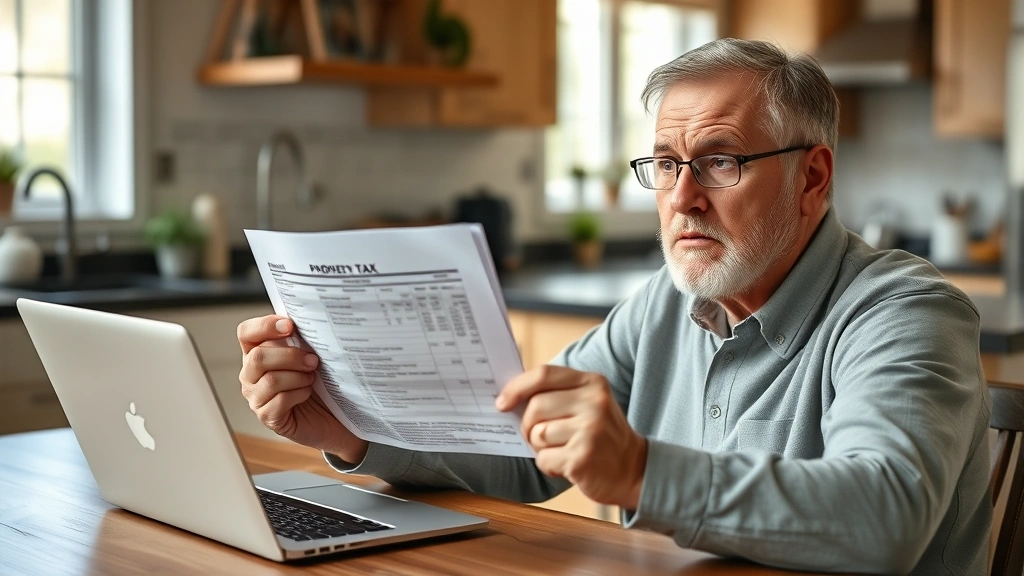
South Carolina’s homestead property tax exemption is one of the most valuable benefits available to homeowners, yet many don’t claim it. If you qualify, you can exempt up to $50,000 of your home’s assessed value from property taxation. This isn’t a small benefit—it could save you $285+ annually depending on your tax rate.
To qualify for the homestead exemption in Greenville SC, you must:
- Own and occupy the property as your primary residence
- Be a South Carolina resident
- Have lived in the home for at least one year (though exceptions exist for new purchases)
- Not claim the exemption on another property
You apply for homestead exemption through the Greenville County Assessor’s Office. The application is straightforward, and once approved, the exemption typically applies automatically to future tax years. If you recently moved to Greenville or purchased your first home, this should be your first priority.
Beyond homestead exemptions, South Carolina offers additional credits for certain situations. The homestead tax credit programs vary by state, but South Carolina residents should explore all available options through the Assessor’s Office.
Senior & Disabled Resident Benefits
If you’re 65 or older or permanently disabled, Greenville County offers additional property tax relief beyond the standard homestead exemption. These programs recognize that fixed incomes make property tax burdens especially challenging for seniors and disabled individuals.
The Senior Citizen Assessment Ratio Deferral allows qualifying seniors to defer property tax increases that result from reassessments. This means if your home’s assessed value increases during a reassessment cycle, you can freeze your tax at the previous level—though you’ll owe the deferred amount when you sell or pass the property to heirs.
Disabled veterans may also qualify for special exemptions. South Carolina provides a $4,000 exemption for certain disabled veterans, which compounds with other benefits. To explore these options, contact the Greenville County Assessor’s Office with documentation of your age, disability status, or military service.
Challenging Your Assessment Fairly
Believe your home is over-assessed? You have the right to appeal. The Greenville County Assessment Appeals Board handles disputes, and the process is designed to be accessible to homeowners without legal representation.
First, request a reassessment review from the Assessor’s Office directly. Provide evidence that your assessed value exceeds fair market value—comparable sales of similar homes in your neighborhood, recent appraisals, or documentation of property defects. The Assessor’s Office may adjust your assessment without formal appeal.
If you disagree with the Assessor’s decision, file a formal appeal with the Assessment Appeals Board. The deadline is typically 30 days from the assessment notice date, so act quickly. You’ll attend a hearing where you can present your case. Bring comparable sales data, photographs of your property, and any professional appraisals. Many successful appeals rely on showing that similar homes in your area sold for less than the assessed value suggests.
The appeals process costs nothing, and you don’t need an attorney, though some homeowners hire tax professionals or appraisers for complex cases. Even a modest reduction—say, $5,000 in assessed value—saves you approximately $28.50 annually at a 0.57% rate.
7 Proven Ways to Lower Your Bill
1. Claim the Homestead Exemption
This is the easiest win. If you haven’t applied, do it immediately. The $50,000 exemption alone saves most homeowners $200-$400 annually.
2. Document Home Improvements Carefully
Major renovations can trigger reassessments. Track improvements separately and discuss with the Assessor’s Office how they’ll be valued. Some improvements add less value than their cost.
3. Monitor Reassessment Cycles
Greenville reassesses every five years. Mark your calendar and prepare documentation before the reassessment notice arrives. Proactive homeowners gather comparable sales data in advance.
4. Explore Senior or Disability Benefits
If you qualify, these programs offer substantial relief. Don’t assume you’re ineligible—apply and let the county determine eligibility.
5. Request a Property Tax Review
Some years, homes in your neighborhood sell for less than assessments suggest. Request a formal review if market conditions have shifted downward.
6. Check for Assessment Errors
Review your tax bill for accuracy. Is the square footage correct? Lot size? Number of bathrooms? Simple clerical errors sometimes inflate assessments.
7. Consider Tax-Advantaged Refinancing
If your mortgage payment includes property taxes in escrow, refinancing to a lower rate reduces your overall housing cost. Consult a mortgage professional about options.

Finding Your Tax Records Online
The Greenville County Assessor’s Office maintains searchable property records online. Visit the county website and use the property search tool to find your assessment details, tax history, and comparable property information. You’ll need your parcel number or street address.
These records show your assessed value, exemptions applied, property characteristics (square footage, lot size, year built), and recent sales of comparable properties. This information is public and invaluable for appeals or simply understanding your assessment.
If you’re researching properties before purchase, these same records help you estimate property tax costs. Calculate potential taxes using the current rate and assessed value to understand total housing costs before making an offer.
For detailed county tax records research, the Assessor’s Office website is your primary resource. You can also visit in person at the county offices for personalized assistance.
Frequently Asked Questions
What is the current property tax rate in Greenville SC?
As of 2024, Greenville County’s unincorporated rate is approximately 0.57% of assessed value, though rates vary by municipality. Check your tax bill for your specific rate, as rates change annually based on municipal budgets.
How often does Greenville reassess property values?
Greenville County reassesses property every five years. Your next reassessment date appears on your tax bill. You can request an assessment review at any time if you believe your value is incorrect.

Can I appeal my property tax assessment?
Yes. First, request a reassessment review from the Assessor’s Office. If unsatisfied, file a formal appeal with the Assessment Appeals Board within 30 days of the assessment notice. The process is free and doesn’t require an attorney.
What’s the difference between assessed value and market value?
Assessed value is typically 4% of fair market value in South Carolina. Your home might be worth $300,000 on the market but assessed at $12,000 for tax purposes. The tax is calculated on the assessed value, not market value.
Am I eligible for homestead exemption in Greenville?
You qualify if you own and occupy the property as your primary residence, are a South Carolina resident, have lived there at least one year, and don’t claim exemption elsewhere. Apply through the Greenville County Assessor’s Office.
What happens if I miss the appeal deadline?
Missing the 30-day appeal deadline typically means you cannot challenge that year’s assessment through the formal process. However, you can appeal the next reassessment cycle. Contact the Assessor’s Office to confirm deadlines and options.
Do property taxes include school funding?
Yes. Your property tax bill includes county, municipal, and school district portions. School funding makes up a significant portion of most property tax bills in Greenville County.
Can I deduct property taxes on my federal return?
Yes, property taxes are deductible on Schedule A (itemized deductions) up to $10,000 annually under current federal law. Consult a tax professional to determine if itemizing benefits you.
Taking Control of Your Property Tax
Understanding Greenville SC property tax isn’t glamorous, but it’s genuinely empowering. You’re not a passive victim of assessment notices—you have real tools to reduce your bill. Start with the homestead exemption if you haven’t claimed it. Research your assessed value against comparable properties. Mark reassessment cycles on your calendar. If you’re a senior or disabled, explore additional benefits.
The county system is designed to be fair, and assessors want accurate valuations. They’re not trying to overcharge you. But they also won’t volunteer information about exemptions or appeals—that’s on you to discover and pursue. A few hours of research and a simple application could save you hundreds of dollars annually.
For more information about property tax in neighboring areas, explore resources like Volusia County property taxes or Georgia ad valorem tax to see how Greenville compares regionally. Understanding your local system thoroughly puts you in the best position to minimize your tax burden while staying fully compliant.


