

Making a Michigan income tax payment doesn’t have to feel like navigating a maze blindfolded. Whether you’re a W-2 employee, self-employed, or dealing with estimated quarterly taxes, understanding Michigan’s tax system will save you money, headaches, and potentially some late fees. Let’s break down exactly how Michigan income tax works and how to pay it the right way in 2024.
Table of Contents
Michigan Tax Basics Explained
Michigan has a flat income tax rate of 4.25% on all taxable income. Unlike federal taxes, Michigan doesn’t use a progressive bracket system—everyone pays the same percentage. This simplicity is actually one of Michigan’s advantages compared to neighboring states.
The state taxes wages, salaries, business income, and certain investment income. However, Michigan offers some breaks: retirement income like Social Security and pensions are partially or fully exempt, depending on your age and income level. If you’re over 67, you might qualify for the Homestead Property Tax Credit, which can reduce your overall tax burden.
The key to managing your Michigan income tax payment starts with understanding what income is taxable. W-2 employees have taxes withheld automatically, but if you’re self-employed or have side income, you’re responsible for paying taxes directly.
Payment Methods Available
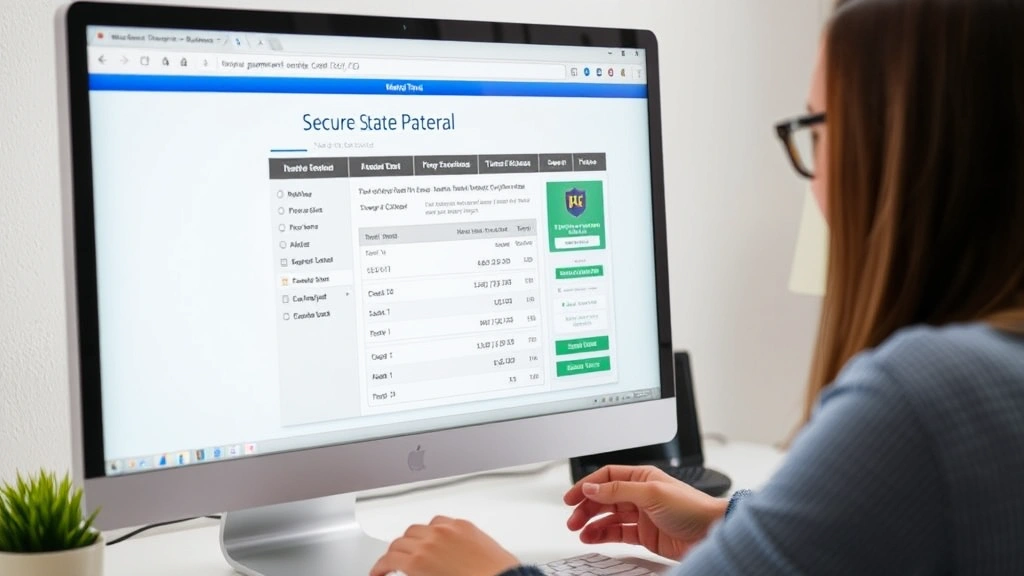
Michigan offers several convenient ways to pay your income taxes. The Michigan Department of Treasury accepts payments through their official website, MICHIGANtaxes.gov, which is the most secure and efficient method.
Online Payment Options: You can pay directly through the state’s website using your bank account (eCheck) or credit/debit card. The eCheck method is free, but credit card payments typically charge a processing fee of 2-3%. Many taxpayers prefer the eCheck route to avoid extra fees.
Phone Payment: Call the Michigan Department of Treasury at 1-800-487-7000 to make a payment over the phone. You’ll need your Social Security number, tax identification number, and bank account information.
Mail Payment: For those who prefer old-school methods, you can mail a check or money order. Include your name, address, SSN, and the tax year on your check. Mail it to the address provided on Michigan’s tax forms.
Automatic Payments: Similar to how you can have estimated taxes autodrafted, Michigan allows you to set up automatic payments for your estimated tax obligations. This removes the guesswork and ensures you never miss a deadline.
Estimated Quarterly Taxes
If you’re self-employed, a freelancer, or have significant income not subject to withholding, you’ll need to make estimated quarterly tax payments. Michigan requires estimated taxes if you expect to owe $400 or more when you file your return.
Estimated tax payments are due on these dates:
- Q1 (Jan-Mar): April 15
- Q2 (Apr-Jun): June 15
- Q3 (Jul-Sep): September 15
- Q4 (Oct-Dec): January 15 (following year)
Many people find the quarterly payment schedule stressful. The good news? You can set up automatic payments through the state’s website, which takes the pressure off remembering dates. This is especially helpful if you have irregular income throughout the year.
To calculate your estimated taxes, you’ll need to project your annual income and subtract expected deductions. If you’re unsure about the amount, it’s better to overestimate slightly—you’ll get a refund when you file your annual return. Understanding estimated taxes is crucial for avoiding penalties and keeping your cash flow steady.
W-4 Withholding Setup
If you’re an employee, your employer withholds Michigan income tax from your paycheck based on the W-4 form you complete. Getting this right means avoiding a big tax bill or missing out on a refund you could have used throughout the year.
When you start a new job, you’ll complete a Michigan W-4 form (different from the federal form). The form asks about your filing status, number of dependents, and other income sources. The more dependents you claim, the less tax is withheld. The fewer dependents, the more is withheld.

Life changes warrant a W-4 update: marriage, divorce, new children, or significant income changes. You can adjust your withholding anytime by submitting a new W-4 to your employer. Many people adjust their withholding in January if they had a large refund or tax bill the previous year.
The IRS has a withholding calculator (federal), and Michigan’s Department of Treasury provides similar guidance. The goal is to break even—neither owing a large amount nor overpaying throughout the year.
Deadlines and Late Penalties
Michigan income tax returns are due on April 15 each year, just like federal taxes. If April 15 falls on a weekend or holiday, the deadline extends to the next business day.
Missing the deadline comes with penalties. Michigan charges:
- Failure to File: 5% of unpaid tax per month, up to 25%
- Failure to Pay: 0.5% of unpaid tax per month, up to 25%
- Interest: Compounds daily on unpaid taxes at a rate set quarterly by the state
These penalties add up quickly. A $1,000 unpaid tax bill can become $1,250+ within a year due to penalties and interest alone. If you can’t pay by the deadline, file your return anyway and pay what you can. The failure-to-pay penalty is much smaller than the failure-to-file penalty.
If you need more time, you can request an extension, but understand that extensions only delay filing—not payment. You still owe taxes by April 15, even if your return isn’t filed until October.
Self-Employed Tax Obligations
Self-employed individuals in Michigan face a unique challenge: you’re responsible for both income tax and self-employment tax (Social Security and Medicare). This means your total tax burden can be substantial.

Michigan income tax applies to your net self-employment income (revenue minus business expenses). You’ll also owe federal self-employment tax of approximately 15.3% (split between Social Security and Medicare). The good news? You can deduct half of your self-employment tax when calculating your adjusted gross income.
Many self-employed people use tax planning strategies to reduce their overall burden. Common tactics include:
- Maximizing business deductions (home office, equipment, supplies)
- Contributing to a SEP-IRA or Solo 401(k) to reduce taxable income
- Timing income and expenses strategically across tax years
- Keeping meticulous records throughout the year
Setting aside 25-30% of your net income for taxes is a safe rule of thumb. Many self-employed folks open a separate savings account and deposit this amount with each payment, ensuring the money is available when quarterly estimates or annual taxes are due.
Checking Refund Status
After filing your Michigan tax return, you can check your refund status on the state’s website. Michigan typically processes refunds within 2-4 weeks if you file electronically. Paper returns take longer, sometimes 6-8 weeks.
To check your tax return status (similar process across states), you’ll need:
- Your Social Security number
- Filing status
- Expected refund amount
Direct deposit is the fastest way to receive your refund—typically 10-14 days after the state processes your return. If you choose a paper check, add 2-3 weeks to that timeline.
If it’s been more than 4 weeks since you filed electronically (or 8 weeks for paper), contact the Michigan Department of Treasury. Sometimes refunds get delayed due to missing information or discrepancies on your return.

Michigan Tax Credits
Michigan offers several tax credits that can reduce your tax liability dollar-for-dollar. These are different from deductions—credits are more valuable because they directly reduce what you owe.
Homestead Property Tax Credit: If you’re a homeowner over 67 or disabled, you may qualify for this credit. It’s based on your household income and property taxes paid.
Earned Income Tax Credit (EITC): Michigan has a state version of the federal EITC for low-to-moderate income earners. This credit can result in a refund even if you owe no taxes.
Child Tax Credit: Michigan offers a credit for dependent children, though the amount is modest compared to federal credits.
Understanding these credits can significantly impact your Michigan income tax payment or refund. Many people leave money on the table by not claiming credits they qualify for. If you’re unsure, consult the Michigan Department of Treasury’s website or work with a tax professional.
Frequently Asked Questions
What is Michigan’s income tax rate for 2024?
Michigan has a flat income tax rate of 4.25% on all taxable income. This rate applies equally to all residents, regardless of income level. It’s one of the lowest flat tax rates in the nation, making Michigan relatively tax-friendly compared to neighboring states.
Can I make a Michigan income tax payment online?
Yes, absolutely. You can pay through MICHIGANtaxes.gov using an eCheck (free) or credit/debit card (small fee). You can also pay by phone or mail. Online payment is the fastest and most secure method.

What happens if I miss the Michigan tax deadline?
You’ll face penalties: 5% per month for failure to file (up to 25%) and 0.5% per month for failure to pay (up to 25%), plus daily interest. Filing late but paying on time results in a smaller penalty than missing both the filing and payment deadline.
Do I need to make estimated tax payments in Michigan?
If you’re self-employed or have significant income not subject to withholding and expect to owe $400 or more, yes. Quarterly payments are due April 15, June 15, September 15, and January 15. You can set up automatic payments to avoid missing deadlines.
How long does it take to receive a Michigan tax refund?
Electronic filers typically receive refunds in 2-4 weeks (10-14 days for direct deposit). Paper returns take 6-8 weeks. If it’s been longer, check your refund status on the state’s website or contact the Department of Treasury.
Are retirement pensions taxed in Michigan?
Michigan offers significant tax breaks for retirement income. If you’re over 67, most retirement income is exempt from state income tax. Younger retirees may have partial exemptions depending on the type of retirement income and total income level.
What tax deductions can I claim in Michigan?
Michigan allows you to claim the standard deduction or itemize deductions, similar to federal taxes. The standard deduction for 2024 is $14,600 for single filers and $29,200 for married filing jointly. Self-employed individuals can deduct business expenses, home office costs, and more.
Final Thoughts on Michigan Income Tax Payments
Managing your Michigan income tax payment doesn’t require a finance degree. The 4.25% flat tax rate is straightforward, the payment methods are convenient, and the state’s website makes it easy to stay on top of deadlines. Whether you’re an employee with withholding or self-employed making quarterly payments, the key is staying organized and paying on time to avoid penalties.
Start by understanding whether you need to make estimated payments or adjust your W-4 withholding. Set up calendar reminders for quarterly deadlines. Take advantage of available paycheck tax calculator tools to plan ahead. And don’t overlook tax credits—they can put real money back in your pocket.
If you’re unsure about any aspect of Michigan taxes, the Department of Treasury’s website is a solid resource. For complex situations, a tax professional can provide personalized guidance. The small investment in professional advice often pays for itself through tax savings and peace of mind.


