

Understanding Missouri state auto sales tax is crucial whether you’re buying your first car or trading in your fifth. The Show-Me State charges a sales tax on vehicle purchases that can significantly impact your total cost at the dealership, and knowing how to navigate this tax can save you hundreds of dollars. Unlike income tax, which many people obsess over, sales tax often sneaks up on buyers who haven’t done their homework—and that’s where we come in.
Table of Contents
Current Tax Rate Breakdown
Missouri’s state sales tax rate sits at 4.225%, which is one of the lower rates in the nation. However, this is just the baseline. When you purchase a vehicle in Missouri, you’re not just paying state tax—you’re also subject to local sales tax that varies by county and municipality. The combined rate typically ranges from 5.225% to 8.725%, depending on where you make your purchase.
For example, if you’re buying a $25,000 vehicle in St. Louis City (which has additional local taxes), you could pay around $1,800-$2,000 in sales tax alone. That’s real money, and it’s why understanding the breakdown matters. The state portion goes to Missouri’s general revenue fund, while local portions support county and city services.
To find your specific combined rate, check the Missouri Department of Revenue website or ask your dealer—they’re required to disclose the exact rate before you sign paperwork. No surprises should exist at the point of sale.
How Sales Tax Is Calculated
The math is straightforward: take the vehicle’s purchase price, multiply it by the applicable sales tax rate, and that’s what you owe. But here’s where it gets interesting—the purchase price matters more than you might think.
If you’re paying cash, the calculation is simple. If you’re financing, the tax is still calculated on the full purchase price before any rebates or incentives are applied (in most cases). This is why negotiating the vehicle price before discussing financing terms can make a real difference. A $500 price reduction saves you roughly $21-$44 in sales tax, depending on your local rate.
Many dealers will roll the sales tax into your monthly payment, which makes it feel invisible—but it’s not. Breaking down exactly what you’re paying in tax versus principal versus interest helps you understand the true cost of your vehicle. Request an itemized breakdown from your dealer; it’s your right as a consumer.

Trade-In Credit Benefits
Here’s where Missouri gives you a legitimate tax break: trade-in value is deducted from the purchase price before sales tax is calculated. This is called the “trade-in credit,” and it’s one of the most underutilized savings strategies.
Let’s say you’re buying a $28,000 vehicle and trading in your old car worth $8,000. Instead of paying sales tax on $28,000, you pay it on $20,000. At a 6.5% combined rate, that saves you roughly $520 in taxes. This is why getting your trade-in appraised independently before visiting the dealer matters—you want to ensure you’re getting fair market value.
Don’t let dealers lowball your trade-in value. Sites like Kelley Blue Book and NADA Guides give you baseline values. If your car is in good condition, you should be close to those figures. The difference between a $7,000 appraisal and an $8,000 appraisal might seem small, but remember: you save sales tax on that difference.
Local Add-On Taxes Explained
Missouri’s Missouri sales tax structure allows individual cities and counties to add their own rates on top of the state rate. This is why buying a car in Kansas City might result in a different tax bill than buying the same car in Springfield.
St. Louis City, for instance, has one of the highest combined rates in the state at around 8.2%. Meanwhile, some rural counties hover closer to 5.2%. If you live near a state border, you might even consider buying in a neighboring state—though be aware that Missouri taxes vehicles based on where they’re registered, not where they’re purchased. You can’t dodge Missouri tax by buying in Kansas and bringing the car home.
Before visiting a dealer, use the Missouri Department of Revenue’s tax rate lookup tool to confirm your local rate. Write it down. Use it to calculate what you should pay. This simple step prevents dealers from “accidentally” charging you a higher rate.

Exemptions and Exceptions
Most vehicle purchases are subject to sales tax, but certain situations qualify for exemptions or reduced rates. Understanding these can save you significant money.
Non-profit organizations may qualify for tax-exempt status if they have proper documentation. Government agencies purchasing vehicles for official use typically don’t pay sales tax. Disabled veterans may qualify for exemptions on specially adapted vehicles—this is a significant benefit if you qualify.
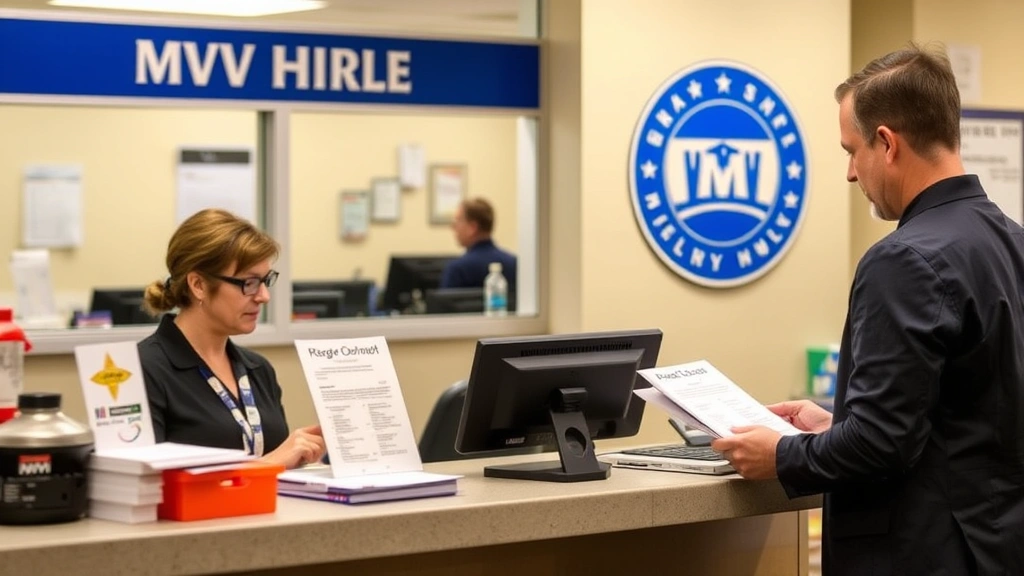
Additionally, if you’re purchasing a vehicle from a private party (not a dealer), you still owe sales tax in Missouri, but the calculation may differ. Some private sales allow you to use the trade-in value of your old vehicle as a credit. Document everything: keep the bill of sale, the vehicle’s condition report, and any correspondence with the DMV.
Electric vehicles don’t receive a state sales tax exemption in Missouri, though some federal tax credits may apply when you file your taxes—that’s a separate benefit worth exploring with your tax preparer.
Timing Strategies for Savings
While you can’t avoid sales tax entirely, strategic timing can help you pay less overall. End-of-month and end-of-quarter sales often feature aggressive discounts, which directly reduces your tax bill. A $2,000 price reduction saves you $130 in taxes (at 6.5%), plus whatever interest you save on financing.
Year-end sales (November-December) are particularly aggressive because dealers are clearing inventory for new model years. January is another strong time because dealers need to hit annual sales targets and often offer incentives.
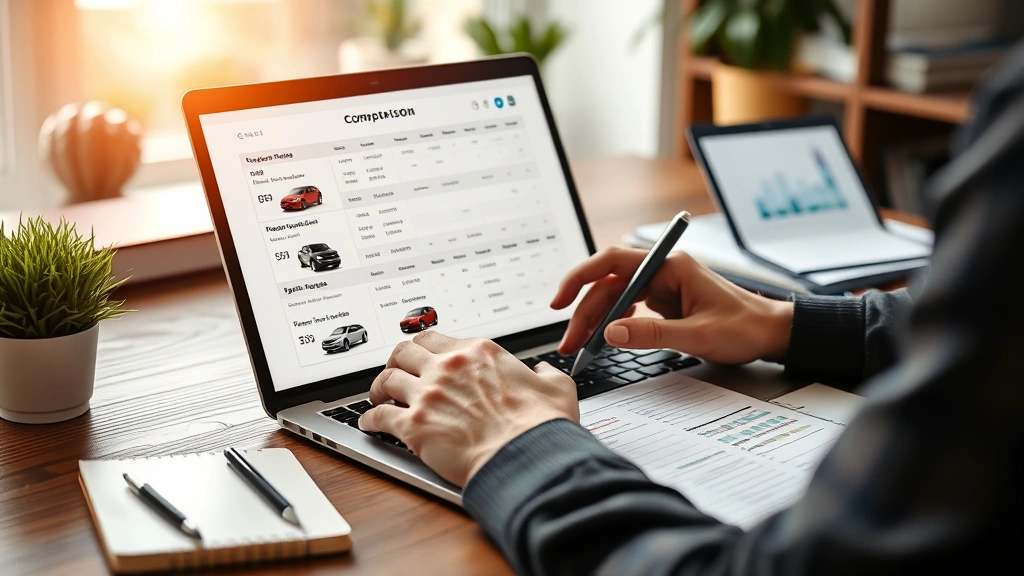
Avoid buying right after a major price increase or when new models just launched. Dealers have less incentive to negotiate when demand is high. Similarly, don’t buy a vehicle you don’t need just because there’s a sale—the sales tax you save won’t justify an unnecessary purchase.
If you’re considering a lease versus a purchase, remember that leases have different tax implications. You typically pay sales tax on the monthly payment amount, not the full vehicle value, which can result in lower total taxes over the lease term.
Documentation and Payment Tips
When you purchase a vehicle in Missouri, you’ll receive a bill of sale and a sales tax receipt. Keep these documents forever—or at least for seven years. Why? If you ever need to prove you paid sales tax (for a dispute with the dealer, for insurance purposes, or if you move out of state), you’ll need this documentation.
Request an itemized invoice that breaks down the vehicle price, trade-in credit, rebates, destination charges, dealer fees, and sales tax separately. This transparency protects you and makes it easy to verify the math. If numbers don’t add up, ask questions before signing.
When paying sales tax, you have options: pay it all upfront, roll it into your loan, or pay it separately. Paying upfront (if you can afford it) means you don’t pay interest on that amount. If you’re financing, rolling it into the loan spreads the cost but adds interest—typically 4-8% depending on your credit score and the loan term.
For a $2,000 sales tax bill financed over 60 months at 6% interest, you’ll pay roughly $213 in additional interest. That’s why negotiating a lower vehicle price (which reduces your tax bill) is so valuable.
Comparison with Neighboring States
How does Missouri stack up against neighboring states? Let’s compare. North Carolina’s vehicle sales tax operates differently, with rates varying by county. Arkansas’s automobile sales tax sits at 6.5% state-wide, plus local additions.
Kansas charges 5.7% state sales tax, plus local additions. Illinois charges 6.25% state tax plus locals. Iowa charges 6% state tax plus locals. Oklahoma charges 4.5% state tax plus locals. So where does Missouri fit? Our 4.225% state rate is competitive, though local additions push combined rates into the middle range nationally.
If you’re near a state border, the difference might be worth considering—but remember, you’ll pay sales tax where you register the vehicle, not where you buy it. Moving to a lower-tax state and registering there could save you money long-term, but that’s a life decision, not a car-buying one.
Frequently Asked Questions
Can I avoid paying Missouri sales tax on a car purchase?
No, not legally. If you’re buying a vehicle in Missouri and registering it in Missouri, you owe sales tax. However, you can minimize the amount by maximizing your trade-in credit, negotiating the lowest possible purchase price, and ensuring you’re charged the correct local rate—not a penny more.
Do I pay sales tax on a vehicle purchased out of state?
If you purchase a vehicle out of state but register it in Missouri, you owe Missouri sales tax. The state considers the registration location the taxable event, not the purchase location. So buying in Kansas to avoid Missouri tax won’t work.
Is car insurance tax deductible?
Generally, no. Car insurance premiums aren’t tax-deductible for personal vehicles. However, if you use your car for business purposes, a portion may be deductible. Consult a tax professional about your specific situation—this is where Missouri tax status and federal rules intersect.

What if I buy a used car from a private seller?
You still owe sales tax, calculated on the purchase price. The tax is due when you register the vehicle with the Missouri DMV. You’ll pay it as part of the registration process, not to the seller.
Are there sales tax breaks for military personnel?
Missouri doesn’t have a specific military sales tax exemption for vehicle purchases. However, federal law allows active-duty military stationed in Missouri to potentially use their home state’s tax rate if it’s lower. Verify your specific eligibility with the DMV.
How does leasing affect sales tax?
Leasing typically results in lower sales tax because tax is calculated on the monthly payment amount (the depreciation portion), not the vehicle’s full value. For a $30,000 vehicle with a $400/month payment, you’d pay tax on roughly $400, not $30,000.
Can I deduct sales tax paid on a vehicle purchase?
You cannot deduct sales tax paid on a personal vehicle purchase. If you use the vehicle for business, you might be able to deduct depreciation or mileage, but not the sales tax itself. Again, consult a tax professional about your specific circumstances.
Final Thoughts on Missouri Auto Sales Tax
Understanding Missouri state auto sales tax isn’t glamorous, but it’s practical. You’re looking at potentially hundreds or thousands of dollars depending on the vehicle and your location. The key strategies are simple: know your local rate, maximize your trade-in credit, negotiate the lowest purchase price possible, and verify all calculations before signing paperwork.
Remember, sales tax is just one component of vehicle ownership costs. Factor in insurance, maintenance, registration, and fuel when budgeting for a car. If you’re financing, the interest you pay often exceeds the sales tax, so getting pre-approved for a loan from a bank or credit union (rather than dealer financing) can save you more than any tax strategy.
Finally, don’t let dealers rush you. Take time to understand every line item on your paperwork. Ask questions. Request itemized breakdowns. This is one of the largest purchases you’ll make—treat it with the attention it deserves. Your wallet will thank you.


