

Understanding Santa Barbara County property tax is crucial whether you’re a homeowner, investor, or considering a move to this beautiful coastal region. Property taxes in Santa Barbara County are among California’s considerations, and knowing how they work can save you thousands of dollars and prevent costly mistakes.
Table of Contents
How Property Taxes Are Calculated
The foundation of Santa Barbara County property tax starts with a straightforward formula: assessed value multiplied by the tax rate. However, the assessed value isn’t simply what you paid for your home or what it’s worth today. In California, thanks to Proposition 13 (passed in 1978), your property is assessed at its purchase price, then adjusted annually by a maximum of 2% per year—regardless of how much your home’s actual market value increases.
For example, if you purchased a home in Santa Barbara County for $800,000 in 2015, your assessed value that year would be $800,000. Even if that same home is now worth $1.2 million, your assessed value has only grown by roughly 2% annually. The standard property tax rate in Santa Barbara County is approximately 0.76% of assessed value, though this varies slightly depending on your specific location and any special assessment districts you’re in.
This means your annual property tax bill is calculated as: Assessed Value × 0.76% (approximately) = Annual Property Tax. This is why real estate taxes and property taxes are fundamentally the same thing—they’re both referring to the annual obligation you owe based on your property’s assessed value.
Proposition 13’s Protective Effect
Proposition 13 is the reason Santa Barbara County property owners often pay significantly less in taxes than owners in other states with similar home values. This landmark legislation capped property tax rates at 1% of assessed value and limited annual assessment increases to 2%, even during a real estate boom.
The practical impact? A homeowner who bought their Santa Barbara property decades ago might be paying property taxes on an assessed value that’s a fraction of the current market value. Conversely, if you’re a new buyer, you’ll face reassessment at current market prices. This creates a two-tiered system where longtime residents enjoy substantial tax advantages compared to newcomers—something to consider when evaluating Santa Barbara County real estate.

While Proposition 13 provides stability and predictability, it also means the county has limited revenue growth from property taxes, which can affect local services and school funding. Understanding this context helps explain why supplemental assessments and special districts exist.
The Assessment Process Explained
The Santa Barbara County Assessor’s Office is responsible for determining property values and maintaining assessment rolls. When you purchase property, the county automatically reassesses it at the purchase price. This reassessment is called a change in ownership assessment, and it typically occurs within months of your purchase.
The Assessor’s Office uses several methods to determine fair market value: the sales comparison approach (comparing your property to similar recent sales), the cost approach (replacement cost minus depreciation), and the income approach (for rental properties). Most residential properties are assessed using sales comparison data.
The county sends assessment notices annually, usually in July. These notices show your property’s assessed value for the upcoming fiscal year. If you believe the assessment is incorrect, you have the right to appeal—though you must act quickly, as appeal deadlines are strict.
Payment Deadlines and Schedule
Knowing when California property tax is due is essential to avoid penalties and interest charges. In Santa Barbara County, property taxes are due in two installments:
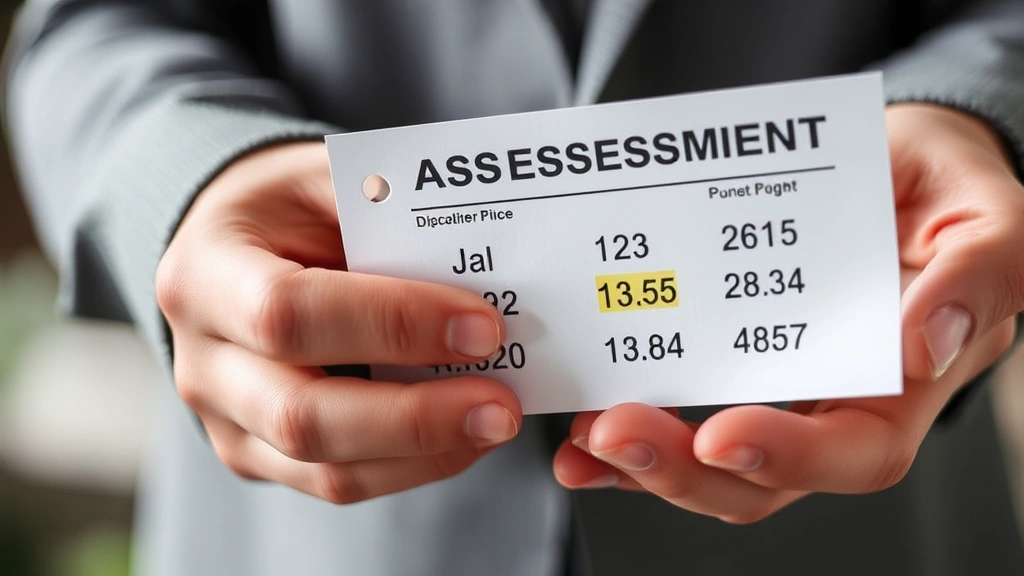
- First installment: Due by November 30 (covers July 1 – December 31)
- Second installment: Due by February 28/29 (covers January 1 – June 30)
If you pay late, you’ll face a 10% penalty on the first installment and 1.5% monthly interest thereafter. Missing the February deadline can result in a tax default, which can eventually lead to a tax sale of your property. The Santa Barbara County Tax Collector’s Office provides multiple payment options: online through their website, by mail, in person, or through your mortgage lender if taxes are escrowed.
Pro tip: If your property taxes are escrowed through your mortgage, your lender handles the payments, but you should still verify they’re paying on time. Occasionally, lenders miscalculate escrow amounts, leaving you responsible for shortfalls.
Available Tax Exemptions
Several property tax exemptions exist in Santa Barbara County, though eligibility is often strict and application processes require documentation. The primary exemptions include:
- Homeowners’ Exemption: Reduces assessed value by $7,000 for owner-occupied residences (though this hasn’t been adjusted since 1978). You must apply within three years of purchase or becoming eligible.
- Disabled Veterans Exemption: Provides significant relief for qualifying disabled veterans, with exemption amounts based on disability rating.
- Welfare Exemption: Available for certain properties owned by nonprofit organizations serving charitable purposes.
- Agricultural Exemptions: Properties actively used for farming or ranching may qualify for agricultural land assessment.
Each exemption has specific eligibility requirements and application deadlines. The Homeowners’ Exemption is the most commonly missed opportunity—many new homeowners don’t realize they can claim it, and the three-year window closes before they learn about it.
Homeowners’ Benefits Programs
Beyond exemptions, Santa Barbara County offers programs designed to help property owners manage tax burdens. The Prop 19 rules, which took effect in 2021, allow certain homeowners to transfer their Prop 13 protections to a replacement home. If you’re over 55, disabled, or a wildfire victim, you may be able to purchase a replacement property and maintain your original assessed value basis (with some adjustments).

Additionally, the county’s Property Assessed Clean Energy (PACE) program allows property owners to finance energy efficiency and water conservation improvements through their property tax bill. While this doesn’t reduce your tax rate, it provides financing options for upgrades that can lower your energy costs long-term.
Santa Barbara County also has programs for low-income seniors and disabled individuals, including the Senior Citizen Property Tax Deferral Program, which allows eligible homeowners to defer property taxes until the property is sold or transferred.
How to Appeal Assessments
If you believe your property has been overassessed, you have the right to appeal. The process involves two stages: the informal review and the formal appeal before the Assessment Appeals Board.
Informal Review: Contact the Assessor’s Office directly with evidence supporting a lower value. This might include recent appraisals, repair estimates, or comparable sales data. Many overassessments are corrected at this stage without formal proceedings.
Formal Appeal: If the informal review doesn’t resolve the issue, you can file a formal appeal with the Assessment Appeals Board. You’ll need to submit your appeal by the July 2 deadline (or within 30 days of the assessment notice, whichever is later). The board will schedule a hearing where you can present your case.
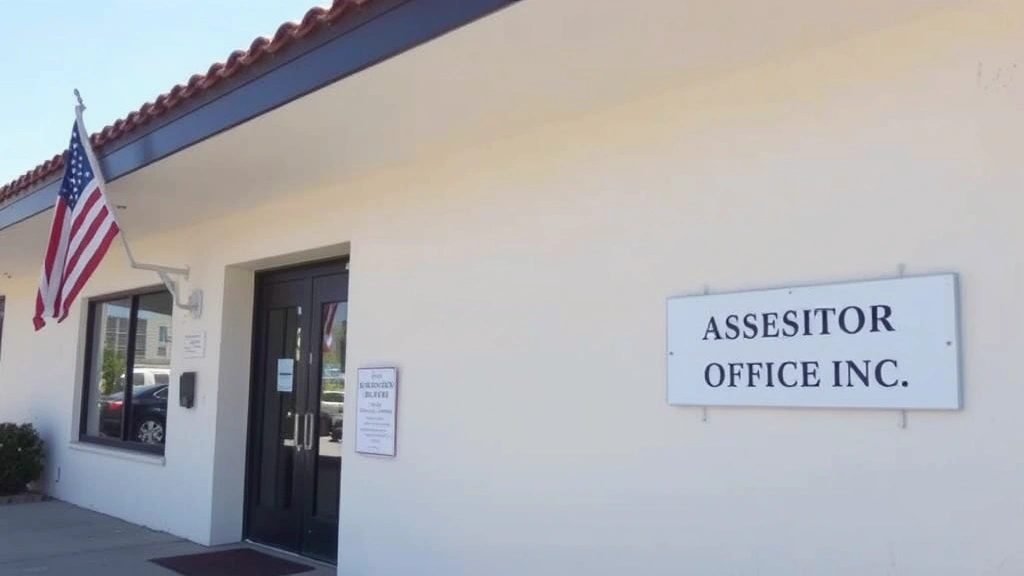
Common grounds for appeal include: property damage or deferred maintenance, incorrect property characteristics (square footage, lot size, etc.), or comparable sales showing lower market values. Hiring a property tax consultant or appraiser strengthens your case, though it adds cost.
Special Assessment Districts
Your Santa Barbara County property tax bill may include charges beyond the base property tax rate. These come from special assessment districts—local agencies that provide specific services (fire protection, water, schools, flood control) and charge property owners accordingly.
Common special districts in Santa Barbara County include:
- Local school districts
- Fire protection districts
- Water agencies
- Flood control districts
- Community services districts
These assessments are added to your property tax bill and vary significantly depending on your location. A property in one neighborhood might have different special district charges than an identical property a few miles away. When evaluating property purchases, review the full tax bill including all special assessments—they can add hundreds to thousands annually.
Frequently Asked Questions
What’s the average property tax rate in Santa Barbara County?
The base property tax rate is approximately 0.76% of assessed value. However, when you add school districts, special districts, and other assessments, the effective rate typically ranges from 0.80% to 1.25% depending on location. Your specific bill depends on your property’s assessed value and which districts serve your address.

Can I deduct Santa Barbara property taxes on my federal return?
Yes, if you itemize deductions on your federal tax return, you can deduct up to $10,000 in state and local taxes (SALT), which includes property taxes. This cap applies regardless of your actual property tax bill. Many California homeowners hit this limit quickly, especially in high-tax areas like Santa Barbara County.
What happens if I don’t pay my property taxes?
Missing property tax payments results in penalties and interest, starting with a 10% penalty on the first installment. After five years of non-payment, your property becomes subject to tax sale. The county will attempt to sell your property to recover the unpaid taxes, and you could lose ownership entirely.
How do I apply for the Homeowners’ Exemption?
You must apply through the Santa Barbara County Assessor’s Office within three years of becoming eligible (either through purchase or moving into an owner-occupied residence). Applications are available online or in person. Bring proof of ownership and residency, and submit before the deadline.
Are water and sewer charges included in property taxes?
Water and sewer charges are separate from property taxes, though they may appear on the same bill from the county. These are utility charges, not property taxes, and are calculated based on usage or fixed fees set by your local water agency.
Can I pay property taxes monthly instead of twice yearly?
Most property owners cannot pay monthly directly to the county. However, if your property taxes are escrowed through your mortgage, your lender collects monthly payments and pays the county on your behalf. You can also set up automatic payments through your bank to ensure timely payment of the two installments.
Understanding Your Santa Barbara County Property Tax Obligations
Santa Barbara County property tax is a significant expense for property owners, but understanding how it works empowers you to make smarter financial decisions. Proposition 13 provides substantial protections for longtime residents, while new buyers should factor full tax costs (including special districts) into their purchase decisions.
Key takeaways: Apply for the Homeowners’ Exemption if you qualify, pay attention to payment deadlines to avoid penalties, review your assessment notice carefully and appeal if warranted, and understand all special district charges affecting your property. If you’re considering buying in Santa Barbara County, request a detailed property tax estimate before making an offer—it’s one of the largest recurring costs of homeownership.
For specific questions about your individual situation, contact the Santa Barbara County Assessor’s Office or consult with a local tax professional familiar with California property tax law. Taking time to understand these rules now can save you substantial money over your years of ownership.


