

Seminole County property tax is one of the largest expenses Florida homeowners face each year, and understanding how it works is your first step toward keeping more money in your pocket. Whether you’re a new homeowner, a long-time resident, or an investor, property taxes in Seminole County can feel overwhelming—but they don’t have to be. In this guide, I’ll walk you through exactly how these taxes are calculated, what you can do to reduce them, and how to appeal if you think you’re paying too much.
Table of Contents
How Seminole County Property Tax Is Calculated
Let’s start with the basics. Your Seminole County property tax bill isn’t arbitrary—it’s calculated using a straightforward formula that every homeowner should understand. The Property Appraiser’s office assesses your property’s value, and that assessed value gets multiplied by the millage rate (the tax rate) to determine what you owe.
Here’s the formula: Assessed Value × Millage Rate = Annual Property Tax
The Seminole County Property Appraiser reassesses all properties every year to determine their current market value. This assessment is based on recent sales of comparable properties, improvements you’ve made, and current market conditions. If you think the assessment is too high, you have options—more on that later.
One thing that catches many homeowners off guard: your assessed value isn’t necessarily your property’s market value. In Florida, property values can increase by up to 3% per year due to the Save Our Homes (SOH) amendment, even if the actual market value climbs higher. This is actually a protection for long-time homeowners, but it means your assessed value might lag behind what your home could sell for today.
Understanding Current Tax Rates
The millage rate in Seminole County varies depending on where your property is located and which taxing districts serve it. A millage rate of 1.0 means you pay $1 in taxes per $1,000 of assessed value. Most Seminole County homeowners pay between 0.8% and 1.2% of their assessed value annually, though this can vary.
The county commission and various municipalities set these rates each year during budget hearings. If you want to see exactly what rate applies to your property, you can look it up on the Seminole County government website or call the Property Appraiser’s office directly.
Here’s a practical example: If your home is assessed at $300,000 and your millage rate is 1.0, you’d owe $3,000 annually in property taxes (before any exemptions or credits). Understanding this breakdown helps you see exactly where your tax dollars go and identify whether you’re paying competitively.
Homestead Exemption Benefits
If you own your primary residence in Seminole County, you’re likely eligible for the homestead exemption—and this is where real savings happen. The homestead exemption reduces your assessed value by up to $50,000, which directly lowers your property tax bill.
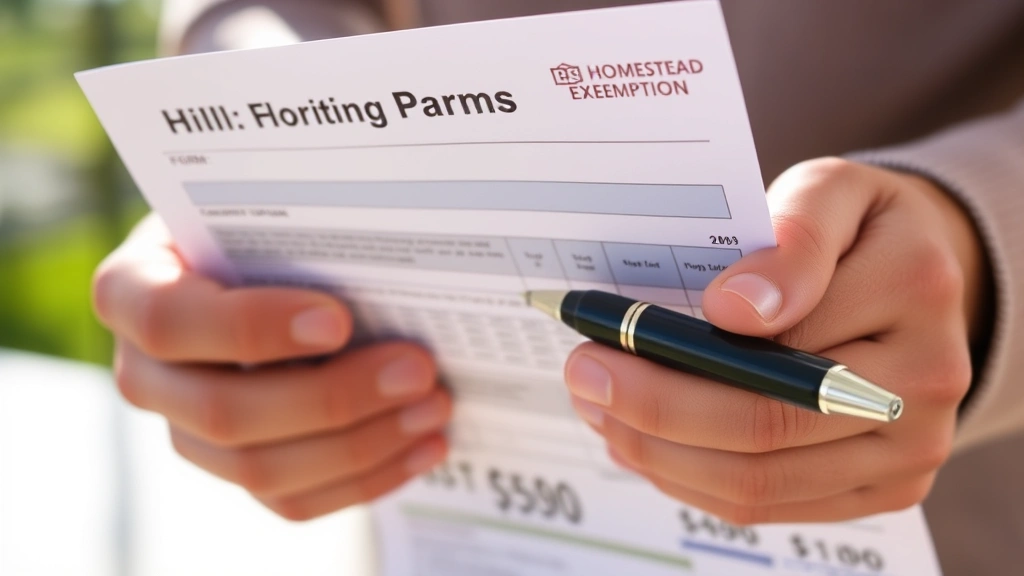
Here’s the math: Instead of paying taxes on a $300,000 assessed value, a homeowner with the homestead exemption pays taxes on only $250,000. On a 1.0 millage rate, that’s a $500 annual savings. Over a 30-year mortgage, that adds up to $15,000 or more.
To qualify, you must:
- Own the property and live there as your primary residence
- Be a Florida resident (you don’t need to be a U.S. citizen)
- File for the exemption by March 1st of the year you want it to apply
If you haven’t applied yet, contact the Seminole County Property Appraiser’s office immediately. Many new homeowners miss this deadline their first year and lose out on thousands in potential savings.
How to Appeal Your Assessment
Think your property is overvalued? You have the right to challenge it. The appeal process in Seminole County happens annually during a specific window, typically January through March. Here’s how to do it:
Step 1: Review Your Assessment – Get a copy of your property’s assessment from the Property Appraiser’s office or online. Compare it to recent sales of similar homes in your neighborhood. If your home sold for $280,000 but is assessed at $320,000, you have grounds for an appeal.
Step 2: File a Petition – Submit a Petition for Adjustment of Assessment before the deadline. You can do this online, by mail, or in person at the Property Appraiser’s office.
Step 3: Attend Your Hearing – The Value Adjustment Board (VAB) will review your case. Bring comparable sales data, photos of any defects, and documentation of repairs or upgrades. Being organized here makes a real difference.
Step 4: Accept or Appeal Further – If you disagree with the VAB’s decision, you can appeal to the Florida Department of Revenue or file a lawsuit, though most cases settle at the VAB level.

Many homeowners successfully reduce their assessments by 5-15% through this process. It’s worth the effort if you believe yours is inflated.
Proven Strategies to Lower Your Bill
Beyond the homestead exemption and assessment appeals, there are several other ways to reduce your Seminole County property tax burden:
Apply for Additional Exemptions – If you’re a senior citizen (65+), disabled veteran, widow/widower of a veteran, or disabled person, you may qualify for additional exemptions that further reduce your assessed value. These can save you hundreds more annually.
Document Property Damage – If your home has suffered storm damage, foundation issues, or other problems that reduce its value, document everything with photos and repair estimates. This gives you ammunition in an appeal.
Challenge Improvement Additions – Sometimes the Property Appraiser adds value for improvements you never made or that don’t exist. If you see a deck, pool, or extra room listed that you don’t have, file a correction request immediately.
Monitor Your Homestead Exemption – Make sure it stays active. If you move, it transfers to your new primary residence, but you need to file again. Many people accidentally lose this exemption when relocating.
Consider Tax-Deferred Accounts – While this doesn’t reduce property tax directly, maximizing contributions to retirement accounts like 401(k)s and IRAs reduces your overall tax burden and frees up cash flow to handle property taxes.
Other Exemptions and Credits
Seminole County offers several specialized exemptions beyond the standard homestead exemption. Understanding which ones apply to you can unlock significant savings:

Senior Citizen Exemption – If you’re 65 or older, you can get an additional $50,000 exemption on top of the homestead exemption. That’s up to $100,000 total in exemptions, which is substantial.
Disability Exemption – Permanent disabilities may qualify you for an additional $50,000 exemption. You’ll need medical documentation from your physician.
Widow/Widower of Veteran – If your spouse was a veteran who died in service or from a service-connected condition, you may be exempt from property taxes entirely. This is a powerful benefit that many people don’t know about.
Nonprofit and Religious Organization Exemptions – If you own property used for charitable, religious, or educational purposes, you may qualify for a full exemption from property taxes.
Each exemption has specific eligibility requirements and deadlines. I recommend calling the Property Appraiser’s office and asking which exemptions you might qualify for. It’s a five-minute conversation that could save you thousands.
Payment Options and Deadlines
Your property tax bill in Seminole County is typically due by March 31st each year, though you can pay earlier without penalty. Missing this deadline triggers a penalty and interest charges that compound quickly.
Payment Methods Available:
- Online through the Tax Collector’s website (fastest option)
- By mail to the Seminole County Tax Collector
- In person at the Tax Collector’s office
- Through automatic bank draft (set it and forget it)
- Credit card (though fees may apply)
Here’s a pro tip: If you have a mortgage, your lender likely handles property taxes through escrow. Your monthly mortgage payment includes a portion set aside for taxes. However, if you pay your own taxes, set up automatic payments to avoid missing the deadline. One missed payment can trigger foreclosure proceedings—yes, really.
If you’re struggling financially, the Tax Collector’s office offers payment plans for those who qualify. Call ahead and ask about your options before the deadline passes.
Property Tax for Investors
If you own rental property or investment real estate in Seminole County, the tax situation is different. Investment properties don’t qualify for the homestead exemption, which means you’re paying full taxes on the full assessed value.
However, as an investor, you get a major advantage: property tax is tax-deductible. On your federal tax return, you can deduct the full amount of property taxes paid on rental or investment properties. This reduces your taxable income and, by extension, your federal income tax liability. Understanding the difference between real estate taxes and property taxes helps investors structure their finances correctly.
For example, if you own a rental property with $400,000 in assessed value and a 1.0 millage rate, you’d pay $4,000 annually. That entire $4,000 is deductible against your rental income, potentially saving you $1,000-$1,200 in federal taxes (depending on your tax bracket).
Still, investors should appeal overvalued assessments just like homeowners do. Every dollar you reduce the assessed value saves you money both in property taxes and in deductions (since you’re deducting the lower amount).
Frequently Asked Questions
What’s the average property tax rate in Seminole County?
The millage rate varies by location and taxing district, but most Seminole County properties fall between 0.8% and 1.2% of assessed value annually. Your specific rate depends on which city or unincorporated area your property is in.
Can I appeal my assessment every year?
Yes, you can file an appeal during the annual window (typically January through March). However, the Value Adjustment Board won’t reconsider the same arguments you made the previous year unless there’s new evidence or a significant change in market conditions.
Do I lose the homestead exemption if I rent out my home?
Yes. The homestead exemption requires that you live in the property as your primary residence. If you convert it to a rental, you must notify the Property Appraiser, and the exemption will be removed. Your taxes will increase significantly.

How do I know if my property assessment is accurate?
Compare your assessed value to recent sales of similar homes in your neighborhood. If homes similar to yours sold for $280,000-$300,000 but yours is assessed at $350,000, that’s a red flag. The Property Appraiser’s office has public records of all sales—use them.
What happens if I don’t pay my property taxes?
Missing payments triggers a penalty and interest charges. After a certain period, the county can place a lien on your property, and eventually, the property can be sold at a tax sale to recover the debt. Don’t ignore property tax bills.
Can I deduct property taxes on my primary residence?
You can deduct up to $10,000 in state and local taxes (SALT) on your federal return, which includes property taxes. This only applies if you itemize deductions rather than taking the standard deduction. For many homeowners, the standard deduction is larger, so check your specific situation.
Are there payment plans if I can’t pay in full?
Yes. Contact the Seminole County Tax Collector’s office to discuss payment plan options. They may be able to work with you if you’re facing financial hardship.
How do I compare Seminole County property tax to other Florida counties?
You can compare millage rates on the Florida Department of Revenue website. Keep in mind that rates vary by specific taxing district, not just by county. Some areas within Seminole County have higher rates than others.
Final Thoughts
Understanding your Seminole County property tax isn’t just about knowing what you owe—it’s about taking control of one of your largest annual expenses. Whether you apply for exemptions you’ve been missing, successfully appeal an inflated assessment, or simply stay organized with payment deadlines, every action you take puts money back in your pocket.
Start by pulling your property assessment online, confirming your homestead exemption is active, and comparing your assessed value to recent comparable sales. If something looks off, file an appeal. If you qualify for additional exemptions, apply immediately. These steps take a few hours but can save you hundreds or thousands over the years you own your property.
The Seminole County Property Appraiser’s office and Tax Collector’s office exist to serve you. Don’t hesitate to call with questions—that’s what they’re there for. And if you’re unsure about your specific situation, consider consulting with a local tax professional or CPA who understands Florida property tax law. It’s an investment that often pays for itself many times over.


