

The St Louis County senior tax freeze is one of Missouri’s most valuable property tax benefits, and if you’re a homeowner aged 65 or older, you might be leaving thousands of dollars on the table by not understanding how it works. This program caps your property tax assessment at a fixed level, protecting you from rising taxes as your home appreciates—a genuine financial lifeline during retirement when income is often fixed.
Table of Contents
What Is the Senior Tax Freeze?
Missouri’s senior tax freeze, formally called the Homestead Property Tax Deferral Program for seniors, freezes your property’s assessed value for tax purposes. Here’s the practical reality: once you’re approved, your property taxes are calculated based on your home’s assessed value from the year you enroll—not the inflated value five or ten years later.
Think of it this way. You buy a home for $250,000 and get approved for the freeze at age 66. Your assessment is locked in at that level. Five years later, your neighborhood booms and comparable homes sell for $350,000. Your property tax bill stays calculated on the original $250,000 assessment. That’s real money staying in your pocket.
This isn’t a tax deduction or a credit you claim on your return. It’s a permanent reduction in your assessed value, which means lower property taxes year after year. The freeze transfers to your spouse if you pass away, and it continues as long as you own the home and meet the income requirements.
Eligibility Requirements Explained
To qualify for the St Louis County senior tax freeze, you must meet several criteria. First, you need to be at least 65 years old as of January 1st of the tax year you’re applying. Age matters here—turning 65 later in the year doesn’t count for that year’s freeze.
Second, you must own the property as your primary residence. Investment properties, vacation homes, and rental units don’t qualify. The county assessor will verify that you actually live there, not just that your name is on the deed.
Third, your household income must fall below the annual limit. For 2024, this threshold is adjusted yearly, so you’ll want to check the current year’s limit with the St Louis County Assessor’s Office. Income includes Social Security, pensions, interest, dividends, and rental income—basically everything that shows up on your tax return.
Finally, your property can’t have any delinquent property taxes. If you’re behind on payments, you’ll need to catch up before applying. This is one reason many seniors miss the deadline—they don’t realize the county won’t process applications with outstanding tax bills.
How to Apply for the Freeze
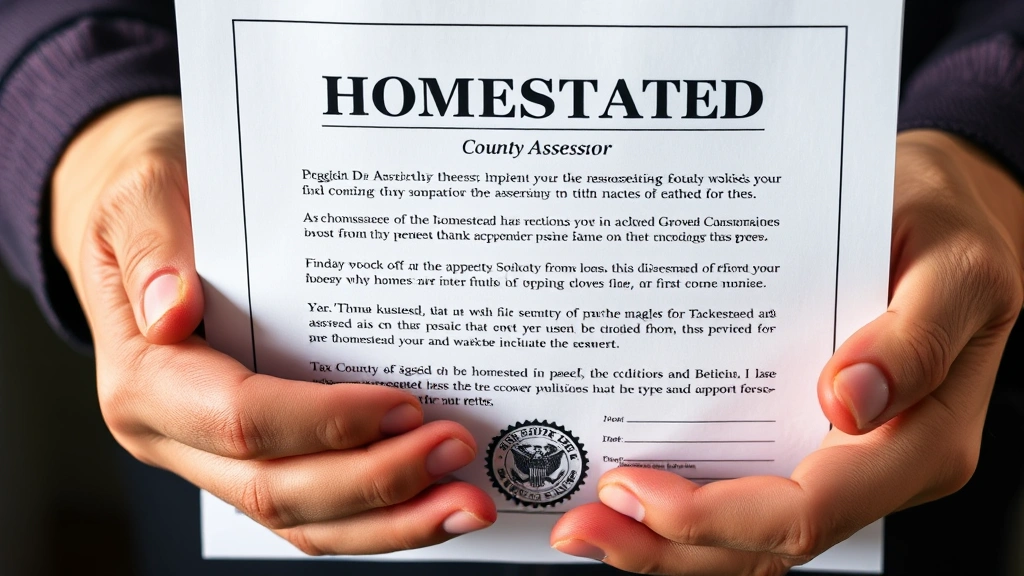
The application process is straightforward, but timing is critical. You’ll need to apply during a specific window—typically between January 1st and March 31st of the tax year. Miss this deadline, and you’ll have to wait until the following year.
Start by contacting the St Louis County Assessor’s Office directly. You can visit in person, call, or download the application from their website. You’ll need to provide proof of age (driver’s license or birth certificate), proof of residency (utility bill or lease), and documentation of your household income.
Income documentation is where people stumble. Bring recent tax returns, Social Security statements, pension statements, and bank interest reports. If you’re married, both spouses’ income counts toward the household total, even if only one person is 65 or older.
Once you submit, the assessor’s office reviews your application and verifies the information. If approved, you’ll receive a notice confirming the freeze. Keep this documentation—you’ll need it for renewal and if you ever need to appeal a property tax assessment.
Consider working with a tax strategist if your income situation is complex. They can help you gather the right documents and ensure you’re not accidentally disqualifying yourself.
Understanding the Assessment Cap
Here’s where the real benefit lives. Once your freeze is approved, your assessed value is capped. But the cap isn’t a dollar amount—it’s a percentage. Missouri caps the assessed value increase at 2% per year, even if your home appreciates faster.
Let’s say your home’s actual market value grows 8% annually (not uncommon in appreciating neighborhoods). Your assessed value only increases 2% per year. Over ten years, this compounds into serious savings.

The assessment cap applies only to increases in market value, not to improvements you make to the property. If you add a room, renovate your kitchen, or build a deck, those improvements can increase your assessed value beyond the 2% cap. This is important to understand before major renovations.
The freeze remains in effect as long as you own the home and maintain eligibility. If you sell, the freeze doesn’t transfer to the new owner. If your spouse is on the deed and you pass away, the freeze continues for your surviving spouse if they meet age and income requirements.
Income Limits for 2024
Income limits are adjusted annually for inflation. For 2024, the threshold is set by Missouri statute, and it’s crucial you know the exact number before applying. The St Louis County Assessor’s Office publishes these limits each January.
Income is calculated as federal adjusted gross income (AGI) from your most recent tax return. If you’re married filing jointly, both spouses’ income counts. If you file separately, only the applicant’s income is considered—this is important if one spouse has significantly lower income.
The income limit includes all sources: wages, self-employment income, Social Security (yes, really), pensions, annuities, interest, dividends, capital gains, and rental income. If you’re unsure whether something counts, ask the assessor before applying.
Here’s a common mistake: people think they’re over the limit and don’t apply. But you won’t know for certain without checking. Contact the assessor’s office to confirm your eligibility. The conversation is free, and it might save you thousands in property taxes.
Common Mistakes to Avoid
The biggest mistake is missing the application deadline. March 31st sneaks up on people, and the assessor’s office won’t grant extensions. Mark your calendar in January and apply early.
Second mistake: not understanding what income counts. People often forget to include Social Security or assume pensions don’t count. They do. Read the income definition carefully, and if you’re unsure, call the assessor’s office before submitting.
Third mistake: applying when you have delinquent property taxes. The county will reject your application outright. If you’re behind, pay what you owe first, then apply.
Fourth mistake: not renewing annually. Some people think the freeze is permanent and never renew. It’s not—you must reapply or renew each year to maintain eligibility. The county will send you renewal notices, but it’s your responsibility to submit them on time.
Fifth mistake: making major home improvements and being shocked when your assessment jumps. Improvements increase assessed value. Plan accordingly, and discuss with the assessor before major renovations.
Finally, people often don’t coordinate this with other tax planning. The senior tax freeze works alongside other strategies like tax planning strategies and property tax appeals. Make sure you’re maximizing all available benefits.
Other Property Tax Relief Options
St Louis County offers several property tax relief programs beyond the senior freeze. The Homestead Property Tax Credit is available to low-income homeowners of any age and can reduce your property tax bill significantly.
There’s also the Disabled Persons Property Tax Exemption if you or your spouse is permanently disabled. This provides a partial exemption from property taxes based on your disability status and income.

Veterans may qualify for a property tax exemption if they’re 100% disabled by a service-connected condition. The benefit varies by disability rating and is administered through the county assessor.
Don’t assume you can only use one benefit. Some programs stack, allowing you to combine the senior freeze with the homestead credit or other exemptions. Consult with the assessor’s office about your specific situation. You might also explore our Franklin County property tax resources for comparison, as neighboring counties sometimes have different programs worth understanding.
Annual Renewal Requirements
Once approved, you’re not done. Missouri requires annual renewal of the senior tax freeze. The county will mail you a renewal notice, typically in late fall or early winter.
The renewal process is simpler than the initial application. You’ll verify that you still own the property as your primary residence and that your income still falls below the limit. You’ll need to provide updated income documentation—usually your most recent tax return or Social Security statement.
Submit the renewal by the deadline shown on the notice. Deadlines vary slightly by county, so don’t assume it’s March 31st like the initial application. Missing a renewal deadline can terminate your freeze, and you’ll have to reapply the following year.
Keep copies of everything: your freeze approval letter, renewal confirmations, and income documentation. If the assessor’s office ever claims they didn’t receive your renewal, you’ll have proof that you submitted it.
One pro tip: set a phone reminder for February 1st each year to check for your renewal notice. Don’t wait until the deadline approaches—give yourself time to gather documents and submit early.

Frequently Asked Questions
What happens to my freeze if I move?
The freeze is tied to the property, not to you. If you sell your home, the new owner doesn’t inherit your freeze. Your freeze ends when you transfer ownership. If you buy another home, you can apply for a new freeze on the new property if you’re still eligible.
Does the freeze apply to county and school taxes?
Yes. Your assessed value is the same whether it’s used to calculate county property taxes, school district taxes, or special district taxes. Freezing the assessed value reduces all of these taxes proportionally.
Can I appeal my assessment if I have the freeze?
Absolutely. The freeze caps increases, but you can still appeal if you believe your base assessment is too high. Work with a professional assessor or tax advisor if you’re considering an appeal. They can help determine if it’s worth the effort.
What if my spouse passes away?
If your spouse is on the deed and passes away, the freeze continues for you if you’re 65 or older and meet income requirements. If you’re the surviving spouse but not yet 65, the freeze typically ends. Contact the assessor’s office immediately to discuss your situation.
Does the freeze affect my home’s market value?
No. The freeze only affects the assessed value used for property tax calculation. Your home’s actual market value and resale price are unaffected. If you sell, the buyer and their lender will see the true market value, not the frozen assessed value.
Can I transfer the freeze to my children?
No. The freeze is personal to you and your spouse (if applicable). When you pass away or sell, the freeze ends. Your children would need to apply separately if they own the property and meet eligibility requirements—which they likely won’t, since the age requirement is 65 or older.
What if my income increases above the limit?
If your income exceeds the limit in any year, you become ineligible for renewal. The freeze terminates, and you’ll pay full property taxes based on your home’s current assessed value going forward. This is why it’s important to understand what counts as income and plan accordingly.
Take Action Today
The St Louis County senior tax freeze is a powerful benefit that can save you thousands of dollars over your retirement. If you’re 65 or older and own your home, don’t leave this money on the table.
Contact the St Louis County Assessor’s Office today to request an application or check your eligibility. Gather your income documentation, verify your age and residency, and submit before the March 31st deadline. If you have a complex financial situation, consider consulting with a tax professional who can review your entire situation.
Remember: this freeze is available right now, it’s easy to apply for, and it can meaningfully reduce your property tax burden for as long as you own your home. That’s the kind of benefit worth pursuing immediately.


