

Checking your California income tax refund status doesn’t have to feel like a treasure hunt in the dark. Whether you filed your state return weeks ago or just submitted it last month, knowing where your refund stands can ease the anxiety of waiting for that money to hit your account. As someone who’s helped countless Californians navigate their tax situations, I can tell you that the Franchise Tax Board (FTB) has made this process surprisingly straightforward—if you know where to look.
In this guide, I’ll walk you through five practical ways to track your California refund, explain what delays might mean, and answer the questions that keep most people up at night during tax season.
Table of Contents
Check the FTB Website Directly
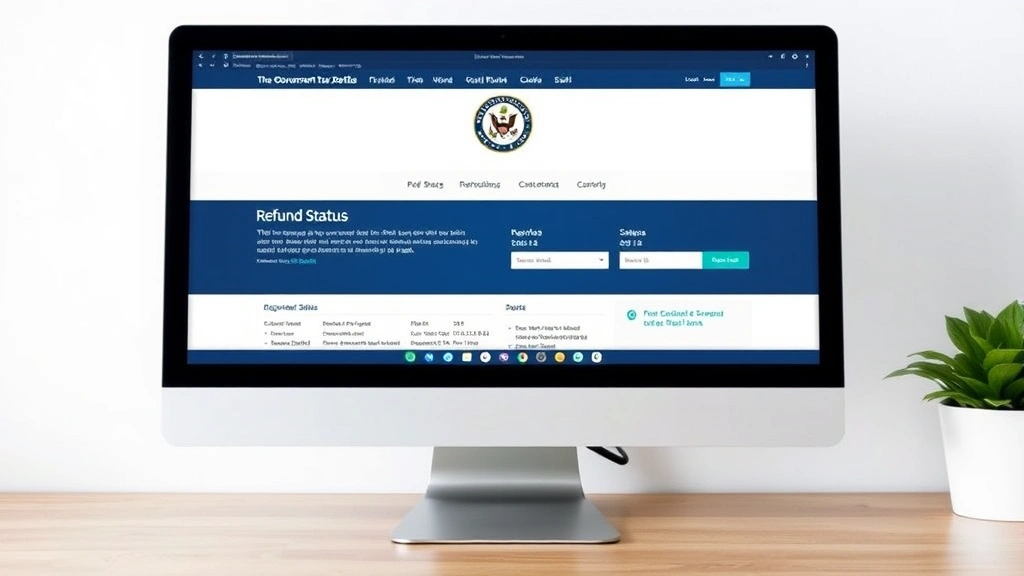
The California Franchise Tax Board maintains a dedicated refund status portal on their official website. To use it, you’ll need your Social Security Number (or ITIN) and your filing status from your tax return. Head to ftb.ca.gov and look for the refund tracking section—it’s usually front and center during tax season.
Here’s what you’ll see: a simple form asking for your SSN and filing status. Once you submit, the system pulls real-time data about your return. You’ll get one of three statuses: your return is being processed, your refund has been approved, or your refund has been issued. This is the most direct route and typically the fastest way to get accurate information straight from the source.
Pro tip: bookmark this page. You can check it as often as you want without triggering any red flags. The FTB doesn’t penalize you for checking your status multiple times a day—though I’d recommend checking once a week to avoid the obsessive refresh cycle.
Use “Where’s My Refund” Tool
California’s “Where’s My Refund” tool is essentially the same as the main FTB portal, but it’s branded differently and sometimes easier to find if you’re searching online. This tool gives you the same real-time updates about your California tax refund status but with a slightly friendlier interface.
The information you need is minimal: your Social Security Number and your filing status (single, married filing jointly, etc.). The tool will show you exactly where your return sits in the processing queue. If you filed electronically, processing typically moves faster than paper returns—usually within 21 days during peak tax season.
What I appreciate about this tool is the transparency. It doesn’t just say “your refund is pending.” It actually tells you the stage: received, being processed, approved, or issued. This distinction matters because it helps you understand whether you’re waiting for initial review or if your refund is already on its way.
Call the FTB Hotline
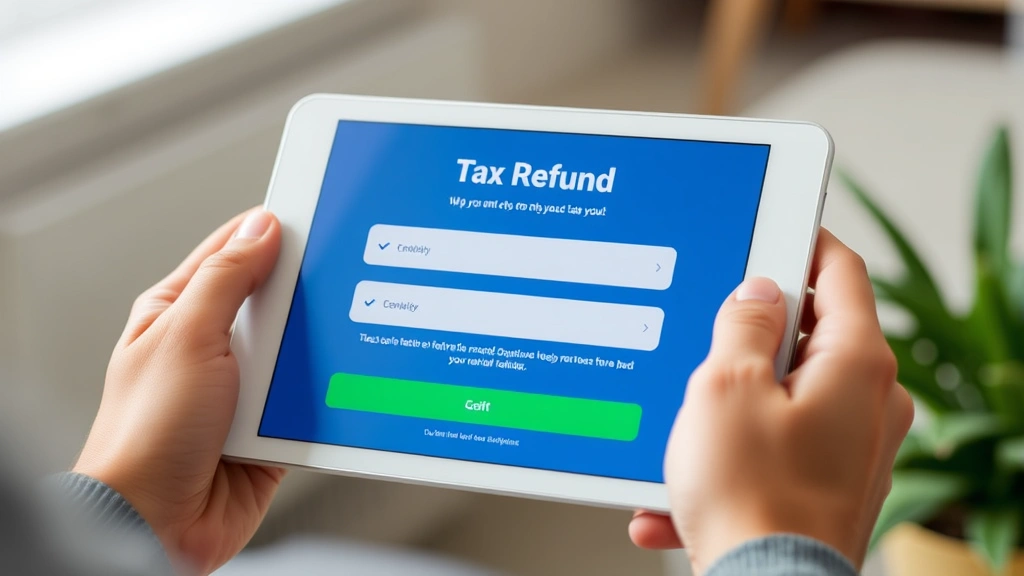
Sometimes you need to talk to a human being. The California FTB operates a refund status hotline at 1-800-542-9332. Have your Social Security Number and filing status ready before you call. Wait times can be substantial during peak tax season (February through April), so consider calling early in the morning or late in the afternoon when lines are typically shorter.
The representatives on this line have access to the same database as the online tools, but they can provide context. If there’s an issue with your return, they might spot it before you do. They can also explain what specific delays mean for your particular situation—information that automated systems can’t always convey.
One caveat: the FTB’s phone lines get overwhelmed during tax season. If you reach a busy signal, don’t panic. Try again the next day or use one of the online methods instead. Your refund isn’t going anywhere.
Try the Mobile App Method
The California FTB has made their services available through mobile apps, making it possible to check your refund status from anywhere. Search for the official FTB app in your phone’s app store (available for both iOS and Android). The interface is streamlined for mobile users, and the authentication process is quick.
Using the app offers a couple of advantages over the website. First, you can set notifications to alert you when your refund status changes—no more obsessive checking required. Second, the app stores your information securely, so you don’t have to re-enter your SSN every time you want to check.
The app also provides links to other FTB resources, like information about California capital gains tax implications if you had investment income, or guidance on other state tax matters. It’s a one-stop shop for California tax information.
Contact Your Tax Representative
If you filed your return through a tax professional—a CPA, enrolled agent, or tax preparation service—they can check your status on your behalf. In fact, many tax professionals have direct access to FTB systems that allow them to see additional details about your return that you might not see through the public portal.

This option is especially valuable if your return is complex or if you suspect there might be an issue. Your tax representative can intercede with the FTB if needed, potentially resolving problems faster than you could on your own. They also understand the nuances of California’s tax code, so they can explain any complications that arise.
If you used a tax preparation service like H&R Block or TurboTax, they often provide refund tracking as part of their service. Log into your account with them and look for the refund status feature.
Common Reasons for Delays
Not every refund arrives on schedule. Understanding why delays happen can help you know whether to worry or simply wait. Here are the most common culprits:
Math errors: If you made a calculation mistake on your return, the FTB catches it and has to correct it before issuing your refund. This adds time but protects you from penalties.
Missing information: If your return is incomplete—a missing signature, an illegible Social Security Number, or missing supporting documents—the FTB will contact you requesting clarification. Respond promptly to speed things up.
Identity verification: The FTB uses sophisticated fraud detection systems. If your return triggers a verification flag, they’ll ask for additional documentation. This is actually a good thing; it protects your identity and prevents fraud.
Income discrepancies: If your W-2 or 1099 income doesn’t match what you reported, the FTB flags it. The IRS and FTB share information, so mismatches get caught quickly.

Prior year debt: If you owe back taxes, child support, or student loans, the FTB may offset your refund to pay those obligations. This is a legitimate hold, not a delay.
Understanding these reasons doesn’t make waiting easier, but it does help you know what to expect. Most delays resolve within 30-60 days.
Typical Refund Timeline
Let’s talk about expectations. When can you realistically expect your refund to arrive?
E-filed returns: If you filed electronically and chose direct deposit, the FTB aims to issue your refund within 21 days during the regular filing season. Many refunds arrive within 10-14 days. This is the fastest option available.
Paper returns: If you mailed a paper return, add 2-3 weeks to the processing time before the FTB even begins reviewing it. Then add another 21 days for processing. So you’re looking at 5-7 weeks minimum.
Check refunds: If you requested a paper check instead of direct deposit, add another 7-10 days for mailing time after the FTB issues it.
Off-season filing: If you file outside the main tax season (January-April), your refund typically processes faster because the FTB has fewer returns to handle. You might see your money in 10-14 days.
These timelines assume no complications. If your return requires additional review, add 2-4 weeks to any of these estimates.
Direct Deposit vs. Check
How you receive your refund matters more than you might think. Direct deposit is almost always faster and more secure than a paper check.
With direct deposit, once the FTB issues your refund, the money goes straight to your bank account. Depending on your bank’s processing speed, the funds appear within 1-3 business days of the FTB issuing the refund. There’s no mail delay, no lost check risk, and no need to visit your bank to deposit it.
Paper checks, on the other hand, must be printed, stuffed into envelopes, and mailed to your address. Depending on where you live and mail delivery times, a check can take 7-14 days to arrive after the FTB issues it. And then—let’s be honest—sometimes checks get lost in the mail.
If you’re checking your refund status and it shows as issued, direct deposit recipients should see the money within a few days. Check recipients should allow 2-3 weeks from the issue date.
Pro tip: if you haven’t received your refund 21 days after the FTB shows it as issued, contact the FTB. There might be a processing error with your bank account information, or the check might have been lost in transit.
Frequently Asked Questions
How often can I check my California income tax refund status?
You can check your refund status as often as you want. There’s no limit, and checking multiple times won’t slow down your refund or trigger any issues. The FTB’s systems are designed to handle frequent inquiries.

What if my refund status shows “return received” for weeks?
“Return received” means the FTB has your return but hasn’t started processing it yet. During peak tax season, this can last 1-3 weeks. If it’s been longer than three weeks and you filed electronically, contact the FTB to make sure your return wasn’t lost or misfiled.
Can I get my refund faster by paying a fee?
No. The FTB doesn’t offer expedited processing for an additional fee. Your refund will arrive on its normal schedule regardless. Be wary of any service claiming to speed up your refund for money—that’s a scam.
What if I made a mistake on my return?
If you realize you made an error after filing, don’t panic. If the FTB hasn’t issued your refund yet, you can file an amended return (Form 540-X). If your refund has already been issued, you can still file an amended return to claim any additional refund you’re owed. However, if you owe more money, the FTB will contact you with payment instructions.
Why does the FTB hold refunds for identity verification?
Identity verification protects you from tax fraud and identity theft. If your return triggers a verification flag, the FTB will contact you with instructions. Respond promptly—this actually speeds up your refund, not slows it down.
Can I access my refund status if I filed jointly with my spouse?
Yes, but you’ll need to use one of your Social Security Numbers and your filing status (married filing jointly) to check. Both spouses can check the status independently using their own SSN, though the information will be the same.
What if my refund was offset for back taxes or child support?
The FTB will notify you if your refund has been offset to pay back taxes, child support, or other obligations. You’ll receive a notice explaining the offset and the amount applied. Unfortunately, you can’t prevent this offset, but you can appeal if you believe it was made in error.
How long do I have to claim my refund if I don’t receive it?
California law allows you to claim your refund for up to four years from the filing date. However, don’t wait that long. If you haven’t received your refund within a reasonable timeframe (45 days after the issue date), contact the FTB immediately to investigate.
Bottom Line on Checking Your Refund
Checking your California income tax refund status is straightforward when you know where to look. Whether you prefer the online portal, the mobile app, or speaking with someone on the phone, the FTB has made it easy to track your money. Most refunds arrive within 21 days for e-filed returns with direct deposit, though some delays are normal during peak tax season.
Start with the FTB website or app for the quickest answer. If you need more details or suspect an issue, call the hotline or reach out to your tax professional. And remember: checking your status frequently won’t make your refund arrive any faster, but it will give you peace of mind knowing exactly where things stand.
For related information about California taxes, you might also want to explore what is SIT tax and how it affects your overall tax picture. Understanding the broader California tax landscape helps you make smarter financial decisions year-round.


