

A checklist for avoiding taxes when moving from California isn’t about breaking the law—it’s about understanding the rules so you don’t pay more than you owe. California has some of the highest state income tax rates in the nation, and leaving the state is a major financial decision that requires careful planning. Whether you’re relocating for a job, retirement, or a fresh start, the tax implications can be substantial, and mistakes during your move could cost you thousands.
Table of Contents
- Understanding California Residency Rules
- Establish Your New State Residency
- Track Your Moving Expenses
- Use Tax and Out-of-State Purchases
- Plan Your Estimated Tax Payments
- Real Estate and Property Considerations
- Income Timing and Year-End Planning
- Documentation and Record Keeping
- State-Specific Tax Breaks
- Frequently Asked Questions
Understanding California Residency Rules
California is aggressive about claiming residents for tax purposes. The state considers you a resident if you spend more than nine months (roughly 183 days) in California during a tax year, even if you’ve moved elsewhere. This is where most people get tripped up.
The Franchise Tax Board (FTB) looks at several factors beyond just days spent in the state: where your family lives, where you own property, where you have a driver’s license, and where you maintain a permanent home. If you leave California but your spouse stays, or if you own rental property there, the state may still claim you as a resident for tax purposes.
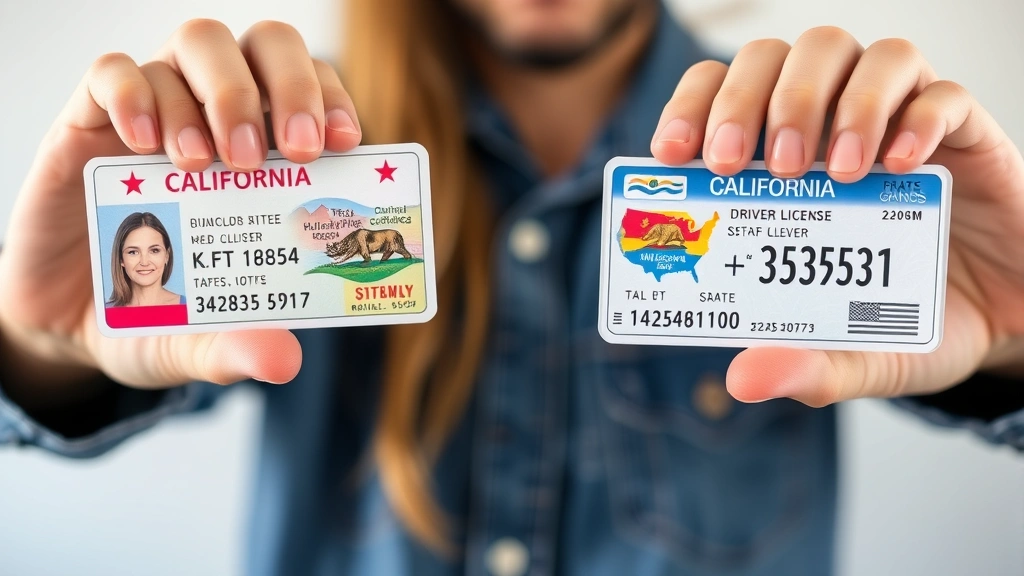
Before you move, document your intent to leave. This means updating your driver’s license, voter registration, and vehicle registration in your new state within 30 days of arrival. It sounds simple, but these documents are exactly what the FTB will examine if you’re ever audited. Keep dated photos of your new home, signed lease agreements, or mortgage documents showing your new address.
Establish Your New State Residency Properly
Moving day isn’t just about packing boxes—it’s about creating a paper trail that proves you’ve genuinely relocated. Your new state needs to see evidence that California is no longer your domicile.
Start with the fundamentals: get a new driver’s license and register your vehicle in your new state. Then update your voter registration, banking information, insurance policies, and any professional licenses. If you’re renting, keep your lease signed and dated. If you’re buying, have the closing documents ready. These items collectively demonstrate that you’ve established a genuine domicile in your new location.
Some states are more tax-friendly than others. If you’re moving to Florida, Texas, Nevada, or Washington, you’re moving to states with no state income tax—a huge advantage. If you’re moving to another income-tax state, research how it treats part-year residents and what deductions or credits it offers. Understanding your new state’s tax climate helps you plan the transition strategically.
Track Your Moving Expenses Carefully
Here’s some good news: moving expenses used to be deductible on your federal return, but the Tax Cuts and Jobs Act of 2017 suspended that deduction for most taxpayers through 2025. However, if you’re an active-duty military member, you can still deduct moving expenses. And some states (including your new state) may offer deductions or credits for relocation costs.
Even if you can’t deduct them federally, keep meticulous records of your moving costs. Why? Because California may challenge your departure date, and detailed moving invoices, shipping receipts, and utility disconnect notices prove when you actually left. These documents also help if your new state offers any relocation tax credits.
Categorize your expenses: transportation (movers, airfare, mileage), lodging during the move, utility setup fees, and any temporary housing. Use credit cards or checks rather than cash so you have clear records. Digital receipts and scanned documents are acceptable, but keep originals for at least three years.
Use Tax and Out-of-State Purchases
Here’s a trap that catches many people: California use tax applies to items you purchase out-of-state but use in California. If you’re moving from California and buy furniture, a car, or appliances in your new state before establishing residency there, California may claim you owe use tax on those purchases.
The key is timing. Don’t buy major items (especially vehicles) while you’re still a California resident. Wait until you’ve established residency in your new state—typically 30-60 days after your move date—before making significant purchases. When you do buy, keep receipts showing your new state address.
If you’re buying a car, this is especially important. California and other states track vehicle registrations. Buy your car after you’ve registered in your new state and updated your driver’s license. This creates documentation that you were a resident of the new state when you made the purchase, not a California resident.
Plan Your Estimated Tax Payments Strategically
If you’re self-employed or have investment income, you need to file estimated tax payments with California if you’re still considered a resident during your move year. This is where the residency question becomes a real dollar issue.
For your move year, you’ll likely file a part-year resident return in California and a part-year resident return in your new state. Your estimated tax payments should reflect only the income earned while you were a California resident. If you overpay, you’ll get a refund, but it’s better to calculate correctly from the start.
If you’re moving mid-year, work with a CPA to determine your residency status on a month-by-month basis. Some people find it helpful to move early in the year (January or February) to minimize their California tax liability, while others strategically time their move to capture certain deductions or income in specific states.

Real Estate and Property Considerations
If you own a home in California and you’re selling it before moving, the timing matters. Capital gains taxes are federal, but California has a state income tax on investment gains. If you sell your California home after you’ve moved and established residency elsewhere, you may still owe California tax on the gain if the state claims you were a resident during the sale.
Primary residence exclusions (the $250,000/$500,000 federal capital gains exclusion for married couples) apply regardless of where you live when you sell. But if you’re selling rental property in California, you’ll owe California tax on the gain if you’re considered a resident when the sale closes.
If you’re keeping California rental property after you move, you’ll need to file California returns as long as you own that property and it generates income. This is a gray area for the FTB—owning rental property in California doesn’t automatically make you a resident, but it complicates your residency claim. Document that you’ve hired a property manager and have no other ties to the state.
Income Timing and Year-End Planning
If you’re moving in November or December, consider whether you can defer some income to the next year. If you’re a freelancer or small business owner, pushing invoicing or project completion to January could mean that income is taxed by your new state, not California. Conversely, if your new state has higher taxes than California (rare, but possible), you might accelerate income into December.
This strategy requires careful analysis and professional guidance, but it can save thousands. For example, if you’re moving from California (13.3% top rate) to Florida (0% income tax) in December, deferring $50,000 in income could save you $6,650 in state taxes.
Bonus income, commissions, and year-end bonuses are particularly important to plan around. Talk to your employer about whether you can adjust the timing of payments if you’re moving mid-year. Some employers are willing to work with employees on this.
Documentation and Record Keeping
The IRS and state tax agencies love paper trails. Create a moving file that includes:
- Dated utility disconnect notices from California and connect notices from your new state
- Your old and new driver’s licenses and vehicle registrations
- Lease or mortgage documents for both locations
- Proof of your move date (movers’ invoices, airline tickets, etc.)
- Documentation of where family members lived during the year
- Proof of employment in your new state
- Bank statements showing address changes
- Calendar or log of days spent in each state (if you travel back to California frequently)
Keep these documents for at least six years. If California audits you, they’ll request this documentation to verify your residency status. Having it organized and readily available can mean the difference between a quick resolution and a lengthy dispute.
State-Specific Tax Breaks to Research
Your new state may offer tax incentives you’re not aware of. Some states offer relocation tax credits, property tax breaks for new residents, or income tax deductions for moving expenses. Others have lower overall tax burdens that offset California’s high rates.
Research whether your new state taxes retirement income, Social Security, or pensions. If you’re moving in retirement, this could be a game-changer. Some states don’t tax retirement income at all, while others have partial exemptions. Similarly, if you’re moving for a job, check whether your new state offers any work-related tax credits or deductions.

Compare resources like NerdWallet’s state income tax guide and Bankrate’s state tax information to understand your new state’s tax landscape. These insights can inform whether your move makes financial sense and help you plan accordingly.
Frequently Asked Questions
How many days do I need to spend outside California to avoid state taxes?
California taxes you as a resident if you spend more than nine months (roughly 183 days) in the state. However, the state also uses a “domicile” test—where you intend to make your permanent home. Even if you spend fewer than 183 days in California, the FTB may claim you’re a resident if they believe California is still your domicile. This is why establishing residency in your new state with documentation is crucial.
Can I deduct moving expenses on my taxes?
For most taxpayers, no. The federal deduction for moving expenses was suspended in 2017 and remains unavailable through 2025 (with rare exceptions for active-duty military). However, some states offer deductions or credits for relocation costs. Check your new state’s tax code or consult a CPA to see what’s available where you’re moving.
What happens if I own property in California after I move?
Owning rental property in California doesn’t automatically make you a California resident for tax purposes, but it complicates your residency claim. You’ll need to file California returns on the rental income, and the FTB may scrutinize your residency status more closely. Hire a professional property manager and document that you have no other ties to California to strengthen your non-resident position.
Do I need to file taxes in both California and my new state?
In your move year, yes. You’ll file a part-year resident return in California (for income earned while you were a California resident) and a part-year resident return in your new state (for income earned while you were a resident there). After your move year, you’ll file only in your new state (assuming you don’t return to California).
How do I prove I’ve established residency in my new state?
Document your move with: a new driver’s license, vehicle registration, voter registration, updated banking and insurance information, a signed lease or mortgage, and utility setup documents. Keep dated photos of your new home and maintain a log of days spent in each location. These items collectively prove that you’ve genuinely established a domicile in your new state.


