

A contra costa property tax lookup is your direct line to understanding what you owe on your home or investment property in California’s Contra Costa County. Whether you’re a homeowner, investor, or prospective buyer, knowing how to access and interpret your property tax information can save you thousands of dollars and help you plan your finances more effectively.
Table of Contents
- What Is Contra Costa Property Tax?
- Why Your Property Tax Lookup Matters
- How to Access the Official Lookup
- Understanding Your Assessment Notice
- Proposition 13 and Tax Caps
- Payment Deadlines and Penalties
- Appealing Your Property Assessment
- Homeowner Exemptions and Deductions
- Frequently Asked Questions
- Final Thoughts
What Is Contra Costa Property Tax?
Property tax in Contra Costa County is an annual assessment levied on real property owners based on the assessed value of their land and buildings. Unlike income tax, which fluctuates with your earnings, property tax is a predictable obligation tied directly to your property’s market value.
In California, property taxes are calculated using a rate of 1% of the assessed property value, plus any voter-approved bonds or assessments specific to your area. This means if your home is assessed at $500,000, your base property tax would be $5,000 annually—before any additional levies. The Assessor’s Office in Contra Costa County maintains records on approximately 500,000 parcels, making accurate lookup tools essential for property owners.
What makes Contra Costa unique is its location in the San Francisco Bay Area, where property values have skyrocketed over the past two decades. This directly impacts your tax burden, even with ad valorem tax protections in place.
Why Your Property Tax Lookup Matters
Understanding your property tax situation isn’t just about knowing what’s due—it’s about protecting your financial interests. Many property owners overpay or miss opportunities for legitimate deductions simply because they don’t regularly check their assessments.
Here’s why a contra costa property tax lookup is critical:
- Catch Assessment Errors: The Assessor’s Office occasionally makes mistakes in property valuations, square footage measurements, or parcel classifications. These errors directly inflate your tax bill.
- Identify Missing Exemptions: Homeowners may qualify for exemptions they’re not claiming, such as the Homeowners’ Exemption, senior exemptions, or disabled veteran exemptions.
- Monitor Value Changes: Tracking your assessed value year-over-year helps you spot unusual increases that might warrant an appeal.
- Plan Your Budget: Knowing your exact tax obligation allows you to budget more accurately and avoid surprises at payment time.
- Support Legal Claims: If you’re involved in a property dispute, refinancing, or selling, having documented tax information strengthens your position.
The peace of mind alone is worth the five minutes it takes to look up your property information online.
How to Access the Official Lookup
The Contra Costa County Assessor’s Office provides a free, publicly accessible property tax lookup tool on their official website. Here’s how to use it:
Step 1: Visit the Assessor’s Website
Go to the Contra Costa County Assessor’s Office online portal. The current system is user-friendly and doesn’t require registration or login credentials for basic lookups.
Step 2: Enter Your Search Information
You have several options for searching:

- Property address (street number, street name, city)
- Assessor’s Parcel Number (APN)—a unique 13-digit identifier for your property
- Owner’s last name and first name
- A combination of the above
Step 3: Review Your Results
Once you search, you’ll see a list of matching properties. Click on your property to access detailed information including:
- Current assessed value
- Land and building values separately
- Property description (square footage, lot size, year built)
- Exemptions applied
- Current tax amount
- Parcel number and location details
Step 4: Print or Save Your Records
Most systems allow you to print or download your property information for your records. This is helpful for refinancing, selling, or appealing your assessment.
If you prefer in-person assistance, the Assessor’s Office in Martinez (the county seat) offers walk-in services during business hours. Staff can answer specific questions about your property and help you understand your assessment.
Understanding Your Assessment Notice
Every year, Contra Costa County property owners receive an Assessment Notice from the Assessor’s Office. This document contains crucial information that directly affects your property tax bill.
Key Components of Your Notice:
- Parcel Number: Your property’s unique identifier
- Property Address and Description: The location and physical characteristics of your property
- Land Value: The assessed value of the land alone
- Improvement Value: The assessed value of buildings and structures
- Total Assessed Value: The sum of land and improvement values
- Exemptions: Any deductions you’re receiving (Homeowners’ Exemption, etc.)
- Taxable Value: The amount your tax is calculated from
- Tax Rate: Usually 1% plus any voter-approved additions
- Estimated Annual Tax: Your calculated annual property tax obligation
The notice also includes important dates—specifically, the deadline for filing an appeal if you disagree with the assessment. In Contra Costa County, this is typically 30 days from the notice date, so mark your calendar immediately when you receive it.
Many property owners ignore these notices, assuming they’re correct. This is a costly mistake. The Assessor’s Office relies on you to catch errors and challenge unfair valuations.
Proposition 13 and Tax Caps
California’s famous (or infamous, depending on your perspective) Proposition 13, passed in 1978, fundamentally changed how property taxes work in the state—and it directly affects your Contra Costa property tax bill.
What Prop 13 Does:
Proposition 13 caps the property tax rate at 1% of assessed value and limits annual increases in assessed value to 2% per year, even if your property’s market value rises significantly. This protection applies as long as you own the property and don’t make major improvements.
The Trade-Off:
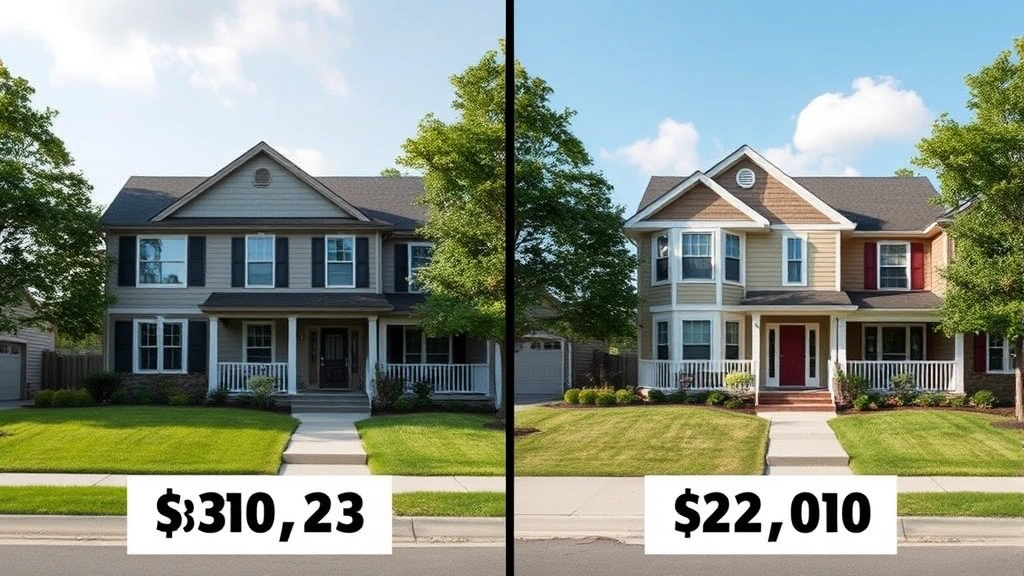
While Prop 13 protects long-term owners from skyrocketing taxes, it creates a two-tier system. Two identical homes on the same street might have vastly different tax bills based on when they were last purchased. A home purchased in 1985 might have an assessed value of $200,000, while an identical home purchased in 2023 might be assessed at $800,000. The newer owner pays four times the tax.
When Reassessment Happens:
Your property is reassessed at market value when:
- You purchase the property (the purchase price becomes the new assessed value)
- You make major improvements (additions, renovations, structural changes)
- There’s a change in ownership (even partial transfers can trigger reassessment)
- The property is newly constructed
Understanding Prop 13 is essential when planning a purchase or major renovation in Contra Costa County. A $50,000 kitchen remodel might trigger a reassessment that increases your annual taxes by $500 permanently. This is something to factor into your renovation budget.
Payment Deadlines and Penalties
Knowing when your property taxes are due is non-negotiable. Missing deadlines triggers penalties that compound quickly, turning a manageable bill into a financial burden.
Contra Costa County Property Tax Schedule:
Property taxes in California are split into two installments:
- First Installment: Due November 1 to December 10 (for the July 1 – December 31 period)
- Second Installment: Due February 1 to April 10 (for the January 1 – June 30 period)
If you miss either deadline, you’ll incur:
- Late Payment Penalty: 10% of the delinquent amount
- Additional Penalties: After five years of non-payment, the county can file a tax deed and foreclose on your property
- Interest: Continues to accrue at 1.5% per month on unpaid amounts
Payment Methods:
Contra Costa County accepts payments through:
- Online portal (with small processing fees)
- Mail (check or money order)
- In-person at the Tax Collector’s Office
- Automatic bank draft (set up through their website)
If you’re struggling to pay, contact the Tax Collector’s Office immediately. They sometimes offer installment plans or can discuss hardship situations. Ignoring the bill only makes things worse.
Appealing Your Property Assessment
If your contra costa property tax lookup reveals an assessment you believe is incorrect or unfair, you have the legal right to appeal. This is one of the most underutilized tools available to property owners.
Grounds for Appeal:
You can appeal your assessment if:
- The property description is inaccurate (wrong square footage, incorrect number of rooms)
- Your property was damaged or destroyed and hasn’t been reassessed
- Your property is assessed higher than comparable properties in your area
- The assessment doesn’t reflect the property’s actual market value
- The Assessor made a procedural error
The Appeal Process:
Step 1: File Your Formal Appeal within 30 days of receiving your Assessment Notice. You’ll submit a form to the Assessor’s Office requesting a reduction in assessed value. You must include specific reasons and supporting documentation.
Step 2: Prepare Your Evidence before the hearing. Comparable sales data (homes similar to yours that sold recently), appraisals, inspection reports, or photos of property defects all strengthen your case.
Step 3: Attend Your Hearing before the Assessment Appeals Board. You can represent yourself or hire a professional appraiser or tax attorney. The Board will hear both your argument and the Assessor’s response.
Step 4: Receive the Board’s Decision within 60 days. If you disagree, you can appeal further to the State Board of Equalization, though this is less common.
Success Rate:

Approximately 20-30% of appeals filed in California result in a reduction of assessed value. Even a modest reduction of 5-10% can save you hundreds of dollars annually. The investment in filing an appeal—which costs nothing—is almost always worthwhile if you have a legitimate case.
If you’re selling your property, check out our guide on capital gains tax on property sales to understand the full tax picture when you exit.
Homeowner Exemptions and Deductions
California law allows certain property owners to reduce their assessed value through exemptions. Many people don’t claim these because they don’t know they exist or assume they don’t qualify.
Primary Residence Exemption (Homeowners’ Exemption)
If your Contra Costa property is your primary residence, you’re eligible for an exemption that reduces your assessed value by $7,000 (as of 2024). This exemption must be claimed within three years of purchase or change of ownership. Even if you missed the deadline, you can sometimes file a late claim with a penalty waiver.
This exemption saves you approximately $70 annually in property taxes (1% of $7,000). While it might not sound like much, it’s free money—and over 20 years, it adds up to $1,400.
Senior Exemptions
Homeowners age 65 and older may qualify for additional exemptions or property tax deferral programs. California’s Senior Property Tax Deferral Program allows seniors to defer property taxes until the property is sold or transferred. This can be a lifesaver for retirees on fixed incomes.
Disabled Veteran Exemptions
Veterans with service-connected disabilities may qualify for exemptions ranging from $40,000 to $200,000 depending on disability rating. This is a substantial benefit that many eligible veterans don’t claim.
Disabled Person Exemption
Permanent disabilities may qualify you for an exemption similar to the Homeowners’ Exemption. You’ll need medical documentation to support your claim.
How to Claim Exemptions:
Contact the Assessor’s Office with proof of eligibility (birth certificate for age, disability documentation, military discharge papers, etc.). Once approved, the exemption applies to future tax bills automatically.
Frequently Asked Questions
How often is my property reassessed in Contra Costa County?
Your property is reassessed annually for tax purposes, but the assessed value only changes if you purchase the property, make major improvements, or there’s a change in ownership. Otherwise, it increases by a maximum of 2% per year under Proposition 13, regardless of market value changes.
Can I look up someone else’s property tax information?
Yes, property tax records are public information in California. You can search any property in Contra Costa County using the Assessor’s online tool. This is useful when researching comparable properties for appeals or when buying a home.
What if I disagree with my assessed value?
File a formal appeal with the Assessment Appeals Board within 30 days of receiving your Assessment Notice. Provide comparable sales data, appraisals, or evidence of property defects. The Board will review your case and determine if a reduction is warranted.
Are property taxes deductible on my federal income tax?
Yes, up to $10,000 per year ($5,000 if married filing separately) of state and local property taxes can be deducted on your federal tax return under the SALT deduction cap. This provides some federal tax relief to offset your state property tax burden.
What happens if I don’t pay my property taxes?
After five years of non-payment, Contra Costa County can file a tax deed and foreclose on your property. You’ll also face 10% penalties and 1.5% monthly interest. The county will eventually sell your home to recover the unpaid taxes. This is a serious situation—contact the Tax Collector immediately if you’re struggling to pay.
How do I set up automatic property tax payments?
Visit the Contra Costa County Tax Collector’s website and enroll in their automatic payment program. You can arrange for bank drafts on your preferred payment dates (during the two installment periods). This ensures you never miss a deadline.
Can I appeal my assessment if I just purchased my property?
Yes, you can appeal within 30 days of receiving your first Assessment Notice. If you believe the purchase price doesn’t reflect fair market value or if the property description is inaccurate, file an appeal immediately. This is your best opportunity to challenge the assessment.
Final Thoughts
A contra costa property tax lookup is a simple but powerful tool that every property owner should use regularly. Taking 10 minutes to review your assessment can identify errors, uncover missed exemptions, or reveal opportunities to appeal an unfair valuation.
The stakes are significant. Over a 30-year mortgage, even a small reduction in your assessed value compounds into substantial savings. For comparison, if you own property in other California counties, check out our guides on San Joaquin property taxes or Ohio property tax to see how Contra Costa compares nationally.
Remember: Proposition 13 protects you from unlimited tax increases, but only if you stay informed and take action when necessary. Don’t assume your assessment is correct or that you don’t qualify for exemptions. The Assessor’s Office processes hundreds of thousands of parcels annually—errors and oversights happen regularly.
Start with a free lookup today. Then, if you find discrepancies or believe you’re overpaying, don’t hesitate to appeal. Your property tax bill is one of the largest expenses you’ll face as a homeowner. Taking control of it is one of the smartest financial moves you can make.


