
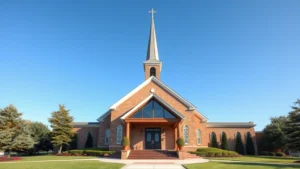
Do churches pay taxes on property? The short answer is no—most churches in the United States are exempt from paying property taxes, thanks to a long-standing federal tax exemption. However, this exemption comes with specific requirements, limitations, and nuances that every church leader and member should understand. Let’s break down exactly how church property tax exemption works and what it really means for your congregation.
Table of Contents
Church Property Tax Exemption Basics
Here’s the reality: churches don’t pay property taxes on their buildings, parking lots, or land used for religious purposes. This exemption applies to the federal level and most states. The reasoning behind this policy dates back centuries—governments have traditionally recognized the public benefit that religious organizations provide to their communities.
The exemption isn’t automatic, though. Your church needs to meet specific criteria and, in most cases, formally apply for the exemption. Many churches take this for granted and don’t realize they actually have to request it. If you haven’t applied, your church could be paying taxes unnecessarily.
The property tax exemption is separate from income tax exemption. Churches are also exempt from federal income tax under Section 501(c)(3) of the Internal Revenue Code, which is a different but related benefit.
The 501(c)(3) Requirements
To qualify for property tax exemption, your church typically needs to be recognized as a 501(c)(3) organization. This means your organization must:
- Be organized exclusively for religious, charitable, educational, scientific, or social purposes
- Use all net income exclusively for those stated purposes
- Not distribute earnings to members, directors, or officers
- Not engage in substantial lobbying or political activities
- Not support or oppose any political candidate
The IRS actually gives churches special treatment here. Unlike other nonprofits, churches don’t have to file Form 1023 (Application for Recognition of Exemption) to get 501(c)(3) status. Churches are automatically considered exempt organizations the moment they’re established, assuming they meet the basic requirements. This is called automatic exemption status.
That said, many churches choose to file Form 1023-EZ anyway. Why? Because having official IRS recognition makes it much easier to get property tax exemption from your state and local authorities. When you show up to your county assessor with an IRS determination letter, they’re far more likely to approve your exemption quickly.
State-by-State Variations
Here’s where things get complicated. While the federal government recognizes church property tax exemptions, each state has its own rules about how this works in practice. Some states are generous; others impose strict requirements.
For example, Florida has no state property tax at all (though counties and municipalities do impose property taxes), making this less of an issue. Other states like Texas require churches to apply through county assessor offices and meet specific criteria. Florida’s property tax structure differs significantly from states with higher property tax burdens.
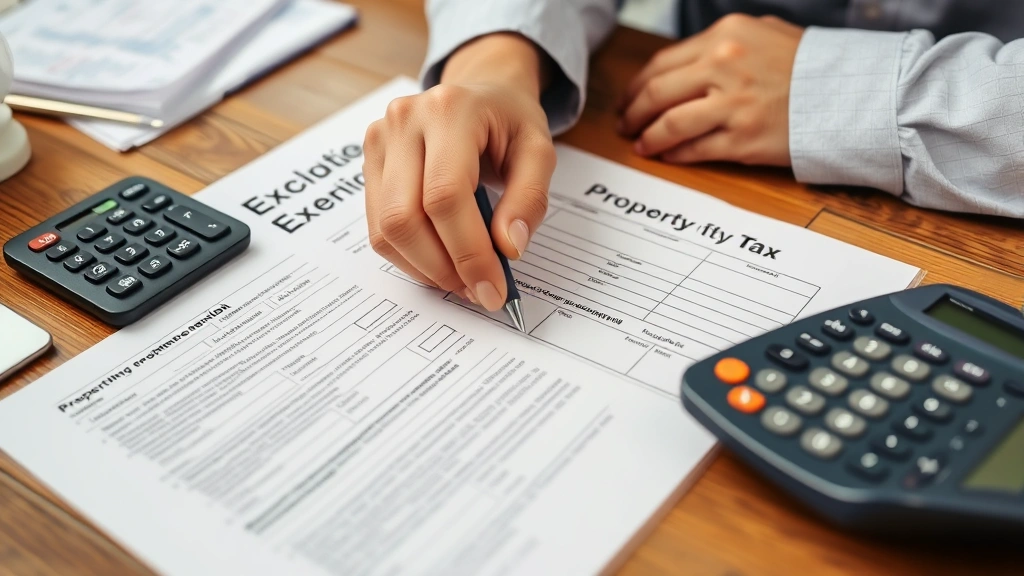
New York, Massachusetts, and California all have different application processes and documentation requirements. Some states require annual renewal of the exemption. Others require churches to prove they’re actively engaged in religious activities on the property. A few states have actually tightened their requirements in recent years, making it harder for churches to qualify.
The bottom line: you need to check your specific state’s requirements. Contact your county assessor’s office or state department of revenue to understand exactly what your church needs to do to maintain property tax exemption status.
Unrelated Business Income Tax
Here’s a critical exception that catches many churches off guard: Unrelated Business Income Tax (UBIT). Even though churches are tax-exempt, they must pay taxes on income from activities unrelated to their religious mission.
What counts as unrelated business income? Examples include:
- Rental income from commercial space in the church building (like renting out a hall to a for-profit company)
- Income from a bookstore or gift shop
- Parking lot fees charged to non-members
- Income from a daycare facility that serves the general public (though church-member-only daycares typically qualify as related)
- Advertising revenue
If your church runs a coffee shop open to the public, that’s likely unrelated business income. If you rent out your fellowship hall to a local business for events, that generates UBIT. The church must file Form 990-T to report this income and pay taxes on it.
The key question the IRS asks: Is this activity substantially related to your church’s religious mission? If the answer is no, you’re probably looking at UBIT.
Commercial Property Rules
What if your church owns commercial property—a building, office space, or land—that it rents out? This is where property tax exemption gets tricky.
Property used exclusively for religious purposes is exempt. But property rented to commercial tenants? That’s different. Many states will tax the commercial property while still exempting the main church building and grounds.
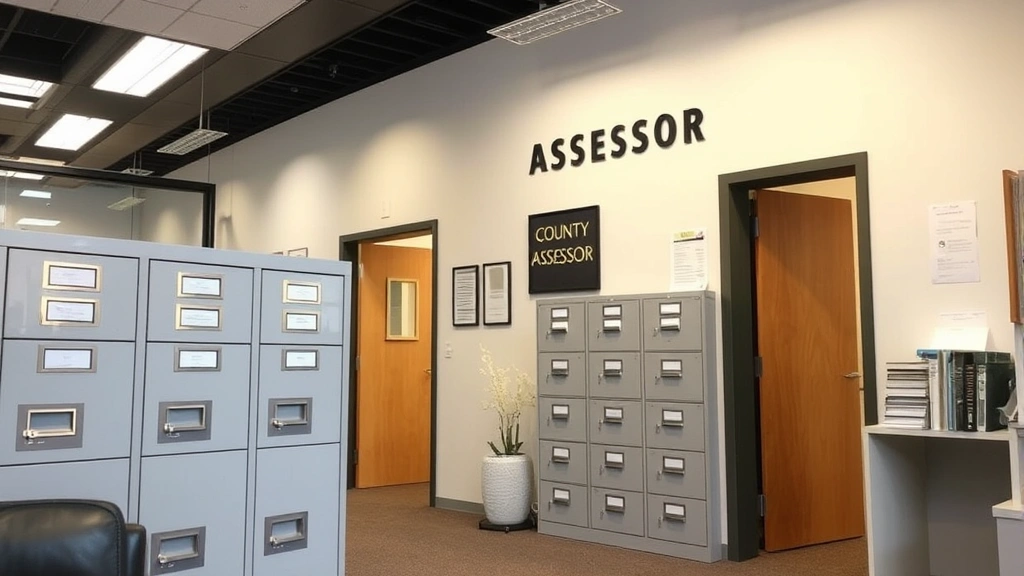
Some churches try to get around this by claiming the rental income supports their mission. The IRS isn’t always convinced. Each situation gets evaluated on its facts. If the commercial property is clearly generating income for the church’s general operations, you might still get an exemption. But if it’s primarily a rental investment, you’ll likely owe property taxes.
This is exactly why churches should consult with a tax professional before purchasing or leasing out commercial real estate. The property tax implications can be substantial.
How to Apply for Exemption
The application process varies by location, but here’s the general pathway:
Step 1: Get IRS Recognition (Optional but Recommended) File Form 1023-EZ with the IRS. While churches don’t technically need this, it makes the next steps much easier. You’ll receive a determination letter confirming your 501(c)(3) status.
Step 2: Contact Your Local Assessor Reach out to your county assessor’s office or local tax authority. Ask for their church property tax exemption application. Requirements vary widely—some want just basic information, others want detailed documentation of your religious activities.
Step 3: Submit Documentation Typical documents include:
- IRS determination letter (if you have one)
- Articles of incorporation
- Bylaws or governing documents
- Proof of property ownership
- Description of how the property is used for religious purposes
- Evidence of active religious programming
Step 4: Await Approval Processing times range from a few weeks to several months. Some jurisdictions require annual renewal; others grant permanent exemption status.
Pro tip: Don’t assume your church is already exempt. Many churches discover they’ve been paying property taxes unnecessarily because they never formally applied. Check with your county assessor today.

When Churches Lose Exemption
Churches can lose their property tax exemption. Here are the most common reasons:
No Longer Using Property Religiously If you convert your church building into apartments or office space, you’ve lost the exemption. The property must be actively used for religious purposes.
Failing to Renew Some states require annual or periodic renewal. If you miss a deadline, your exemption lapses. You’ll need to reapply and might owe back taxes.
Violating Tax-Exempt Status If your church engages in substantial political activity, distributes income to members, or operates primarily as a business, the IRS can revoke your 501(c)(3) status. Your property tax exemption goes with it.
Change in Ownership or Control If your church merges with another organization or transfers property to a non-religious entity, exemption status may be lost.
Unrelated Business Dominance If your primary activity becomes running a business rather than religious services, you could lose exemption.
The lesson: maintaining exemption requires ongoing compliance. Keep good records of your religious activities, don’t venture into unrelated business territory without understanding the tax implications, and stay on top of any renewal requirements in your state.
Churches vs. Other Nonprofits
Churches get special treatment compared to other nonprofits, and this extends to property taxes. Here’s how they differ:

Automatic Exemption Status Churches are automatically exempt; other nonprofits must apply and get formal recognition. This is a significant advantage.
Reporting Requirements Most nonprofits must file Form 990 annually to maintain exemption. Churches are exempt from this requirement (though they can file voluntarily). This means less paperwork and transparency requirements for churches.
Lobbying Restrictions While churches can’t engage in substantial political campaigning, they have more freedom to lobby on issues than many other nonprofits. This is protected speech under the First Amendment.
Donor Privacy Churches don’t have to disclose donor information; other nonprofits must make donor lists available. This protects donor privacy for religious organizations.
The IRS recognizes that churches serve a unique role in American society. This is reflected in more favorable tax treatment across the board.
Frequently Asked Questions
Do all churches automatically get property tax exemption?
No. While churches are automatically recognized as tax-exempt organizations by the IRS, they must still apply for property tax exemption with their local assessor. The exemption is not automatic at the property tax level.
What if my church owns property in multiple states?
You’ll need to apply for exemption in each state and county where you own property. Requirements vary by location, so you may need to work with local tax professionals in each jurisdiction.
Can a church lose its exemption and get it back?
Yes. If you lose exemption due to administrative reasons (missed renewal deadline, paperwork errors), you can typically reapply. You may owe back taxes for the period when exemption was lapsed. If exemption was revoked due to violation of tax-exempt rules, regaining it is much harder and requires proving you’ve corrected the violation.
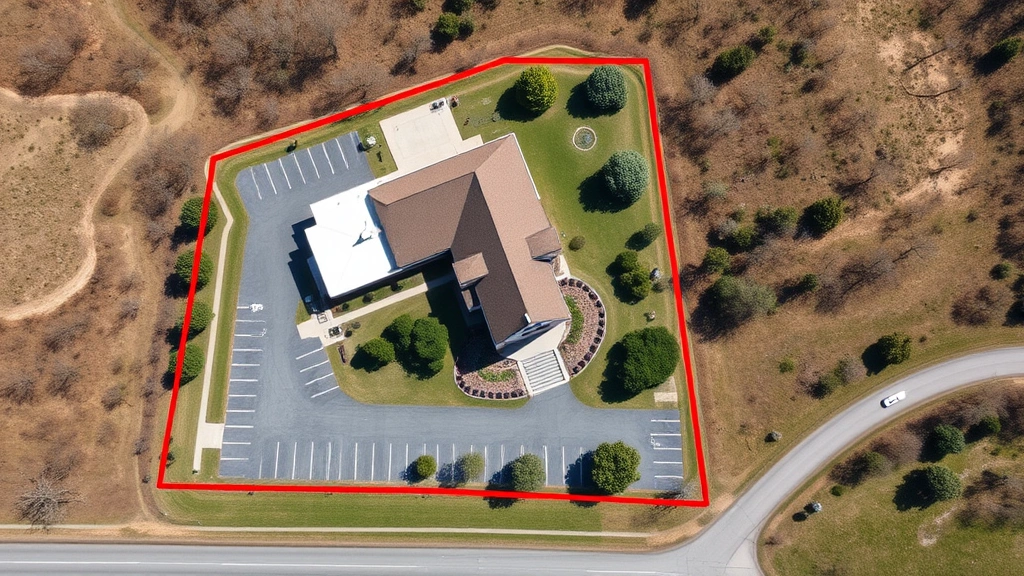
Does exemption apply to church-owned housing for clergy?
Generally, yes. Housing for clergy on church property used for religious purposes is typically exempt. However, if the church provides a parsonage or housing allowance, there are specific tax rules about how this is reported. The property itself is usually exempt, but the allowance may be taxable income to the clergy member.
What about churches that rent their buildings to other organizations?
If the rental is to another religious or nonprofit organization for a religious purpose, exemption often applies. If it’s to a commercial entity, you may lose exemption on that portion of the property. It depends on your state’s rules and the nature of the rental.
Do churches pay sales tax?
Generally, churches are exempt from sales tax on purchases made for religious purposes. However, this varies by state. Some states exempt all nonprofit purchases; others have specific rules for religious organizations. Always check with your state’s department of revenue.
What happens if a church property sits vacant?
This is tricky. Some states will revoke exemption if property isn’t actively used for religious purposes. If you’re holding land for future expansion, you should document your plans and maintain some religious activity on the property. Leaving it completely vacant for years could jeopardize exemption.
Final Thoughts
Do churches pay taxes on property? The answer is no—with important caveats. Most churches in the United States are exempt from property taxes, but this exemption requires meeting specific requirements and actively maintaining compliance.
The key takeaway: don’t assume your church is automatically exempt from property taxes just because it’s a religious organization. You need to formally apply through your local assessor’s office. Once you have exemption, stay vigilant about renewal requirements and ensure your property is being used exclusively for religious purposes.
If your church generates income from unrelated business activities, understand that you’ll owe taxes on that income through UBIT. If you own commercial property, consult with a tax professional about the implications for your exemption status.
Church property tax exemption is a valuable benefit that can save your organization thousands of dollars annually. But like any tax benefit, it requires understanding the rules, following the application process, and maintaining ongoing compliance. Take the time to get it right, and your church will reap the rewards for years to come.
For more information on how different tax situations affect organizations, you might find it helpful to explore how the Amish approach tax obligations or understand how countries without income tax structure their systems. These perspectives can provide helpful context for understanding tax exemptions in America.


