

An estate tax ID number is a critical identifier you’ll need when managing an estate, filing tax returns, or administering trust accounts. Whether you’re an executor, trustee, or beneficiary, understanding what this number is and how to obtain it can save you months of frustration and potential penalties from the IRS.
Table of Contents
What Is an Estate Tax ID?
An estate tax ID number—officially called an Employer Identification Number (EIN) when used for estates—is a nine-digit identifier issued by the IRS. Think of it as a Social Security number for the estate itself, not the individual people involved. The IRS uses this number to track all income, deductions, and tax filings related to the estate.
This is different from a personal tax ID. When someone passes away, their personal income doesn’t just disappear. The estate may generate income from investments, rental properties, or other assets during the administration period. That income needs its own tax identification to keep things clean and organized.
The format is XX-XXXXXXX (two digits, hyphen, five digits). You’ll see it on all official estate tax documents, bank accounts opened in the estate’s name, and correspondence with the IRS.
Why You Need One Now
If you’re reading this, you probably already suspect you need an estate tax ID number. Here’s when it becomes non-negotiable:
Filing Estate Tax Returns: If the estate generates any income—interest, dividends, rental payments—you must file Form 1041 (U.S. Income Tax Return for Estates and Trusts). The IRS won’t accept this return without an EIN.
Opening Estate Bank Accounts: Banks require an EIN to open accounts in the estate’s name. You can’t comingle estate assets with your personal accounts, and the IRS knows this.
Paying Estate Taxes: States like Washington, Illinois, and others have their own estate tax rules. Many require an EIN for proper filing and payment.
Distributing Assets to Beneficiaries: Before you hand anything over, the estate’s tax situation must be settled. An EIN helps document that this was done correctly.
Delaying this step often means delaying distributions to beneficiaries, which—trust me—doesn’t make you popular at family gatherings.
How to Apply for Your Number
Getting an estate tax ID number is surprisingly straightforward. You have three main options:

Online (Fastest): Visit the IRS website and use their online EIN application tool. You’ll need basic information about the estate, the decedent, and the executor or trustee. The system generates your number immediately—literally within minutes. This is the method I recommend for most people.
By Phone: Call the IRS Business & Specialty Tax Line at 1-800-829-4933. Have your information ready, and expect to answer questions about the estate’s purpose and structure. You’ll receive the number during the call.
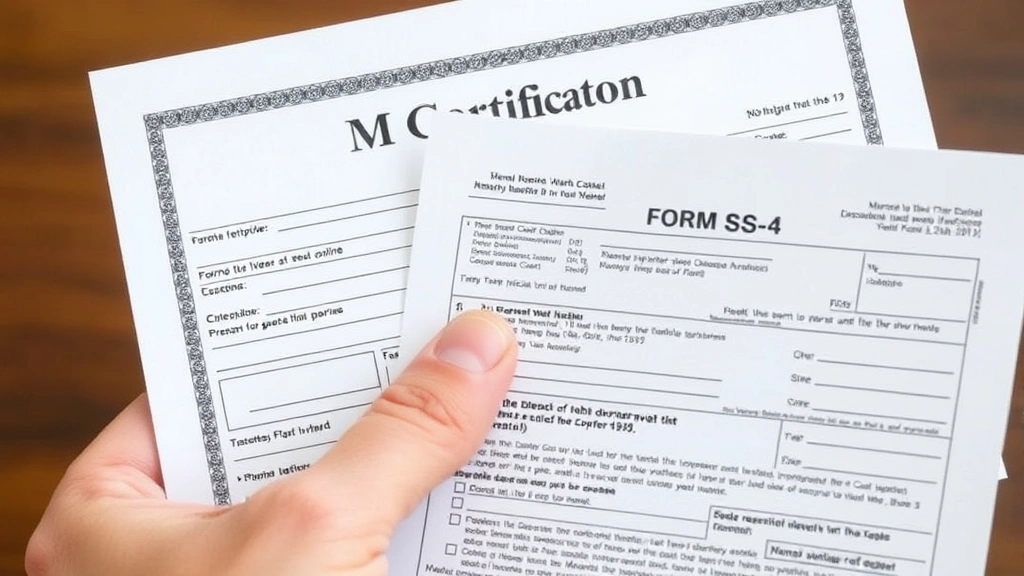
By Mail: Submit Form SS-4 (Application for Employer Identification Number) to the IRS. This takes 4-6 weeks, so use this only if online and phone options aren’t available to you.
Here’s what you’ll need regardless of method:
- The decedent’s name and date of death
- The estate’s expected income and assets
- The executor’s or trustee’s name, address, and Social Security number
- The state where the estate will be administered
- A description of the estate’s business activity (typically “estate of [deceased person’s name]”)
Pro tip: Have all this information written down before you apply. It takes the pressure off and reduces errors.

Timeline & What to Expect
The speed of getting your estate tax ID number depends on which application method you choose:
Online: Immediate. You’ll have the number in minutes and can use it right away.
Phone: Same day. Call in the morning, and you’ll likely have your number by afternoon.
Mail: 4-6 weeks. The IRS will send you a letter confirming the number.
Once you have the number, expect to use it for several years. Most estates take 2-3 years to fully administer, though simple estates might wrap up in 12-18 months. During this time, you’ll file annual income tax returns (Form 1041) if the estate generates income exceeding $600.

The IRS doesn’t revoke the number when the estate closes. It simply stops being used after the final return is filed. Some executors keep records of the number permanently for their files.
State-Specific Rules Matter
Here’s where things get complicated: federal rules are just the beginning. Many states have their own estate tax requirements and timelines.
States like Texas have no state estate tax, making the process simpler. But states like Washington and Illinois require separate state-level filings and may need their own identification numbers or tax IDs alongside the federal EIN.
If the decedent owned property in multiple states, you might need to file in each state where assets exist. This is where hiring an estate attorney or CPA becomes worth every penny. They’ll know the specific rules for your situation and ensure you’re not missing deadlines that could trigger penalties.
Additionally, some states require you to notify their tax authorities within specific timeframes after a death. Missing these deadlines can result in late filing penalties, even if you eventually file correctly.

Common Mistakes to Avoid
After working with hundreds of estates, I’ve seen these errors repeatedly:
Waiting Too Long: Some executors delay getting an EIN hoping the estate won’t generate income. This backfires when the estate does earn money and you have no way to report it correctly. Get the number early, even if you’re unsure about income.
Using the Wrong Form: Form SS-4 is for EINs. Don’t confuse it with other IRS forms. Submitting the wrong paperwork delays everything.
Incomplete Information: Providing vague or incorrect details about the estate’s purpose or the executor’s identity causes the IRS to reject your application. Double-check everything before submitting.
Not Updating Beneficiary Information: If the executor or trustee changes during administration, you may need to update IRS records. Ignoring this can cause problems later.

Forgetting State Requirements: Many executors get the federal EIN and stop there, forgetting that states like Illinois or Washington have separate requirements. Read your state’s probate rules or consult a professional.
What Happens After You Get It
Once your estate tax ID number arrives, here’s your action plan:
Open a Bank Account: Use the EIN to open an estate bank account. This keeps estate assets separate from your personal finances and creates a clear audit trail for the IRS.
Notify Financial Institutions: Provide the EIN to banks, investment firms, and insurance companies holding estate assets. They’ll use it for any income reporting (1099s, etc.).
File Annual Returns if Needed: If the estate generates more than $600 in annual income, file Form 1041. Even if income is below this threshold, you might choose to file anyway to establish a clear record.

Keep Detailed Records: Document all income, expenses, and distributions. The IRS may audit estates, especially larger ones, and you’ll need to prove every penny was handled correctly.
Consult About Capital Gains Tax on Inherited Property: If the estate includes real estate or investments, understand how capital gains taxes work when assets are eventually sold. The step-up in basis rules can significantly reduce tax liability for beneficiaries.
This is also when you might need to consider tax deducted at source rules for any income the estate receives, depending on your state and the income type.
Frequently Asked Questions
Do I need an estate tax ID number if the estate is small?
It depends on whether the estate will generate income. If it’s purely assets being distributed (like a house or car) with no income, you might not need one. But if there’s a bank account earning interest, rental property generating rent, or investment dividends, you need the EIN. When in doubt, get it. It costs nothing and takes minutes.
Can I use the deceased person’s Social Security number for the estate?
No. The decedent’s SSN is tied to their personal tax situation, which ended at death. The estate is a separate legal entity requiring its own identification number. Using the SSN would confuse the IRS and delay everything.

How long do I need to keep the estate tax ID number active?
You need it for as long as the estate is being administered. Once you file the final Form 1041 and distribute all assets, the estate closes and the EIN is no longer needed. However, keep the number in your records permanently in case questions arise later.
What if I apply for an EIN and then don’t need it?
No problem. You can simply not use it. There’s no penalty for obtaining an EIN and later determining it wasn’t necessary. The number just sits inactive, which is fine.
Can I apply for an estate tax ID number before the death is officially recorded?
No. You’ll need the death certificate or official documentation showing the date of death. The IRS requires this information to issue the EIN. Plan to apply within a few weeks of the death, once you have the death certificate in hand.
Do I need a separate EIN for a revocable living trust?
During the grantor’s lifetime, a revocable living trust typically uses the grantor’s SSN. After death, if the trust becomes irrevocable and generates income, you may need an EIN. Consult your estate attorney or CPA to determine if your specific trust requires one.
The Bottom Line
Getting an estate tax ID number is one of the first and most important steps in estate administration. It’s simple, free, and takes just minutes if you apply online. The real challenge isn’t obtaining the number—it’s understanding all the tax rules that come with it, especially if your state has its own estate tax requirements.
If you’re managing an estate, don’t delay. Apply for your EIN today, open a dedicated bank account, and get organized from day one. This foundation will make the entire process smoother and protect you from costly mistakes. And if the rules feel overwhelming, that’s what estate attorneys and CPAs are for—they’re worth the investment to ensure everything is done right.


