

Understanding Alabama car sales tax is one of the smartest moves you can make before buying a vehicle in the state. Whether you’re purchasing your first car or trading up, the sales tax you’ll pay can significantly impact your total cost—and knowing the rules helps you avoid overpaying or making costly mistakes at the dealership.
Table of Contents
What Is Alabama Car Sales Tax?
Alabama car sales tax is a state-level tax applied to vehicle purchases within Alabama. It’s calculated as a percentage of the vehicle’s purchase price and collected by the dealer at the time of sale. This isn’t optional—it’s a legal requirement for anyone buying a car in the state, whether you’re a resident or purchasing from out of state.
The tax applies to both new and used vehicles, and it’s separate from any federal taxes or registration fees you’ll encounter. Many people lump all these costs together and get surprised at the final bill, so understanding each component helps you budget accurately.
Current Tax Rate in Alabama
As of 2024, Alabama’s statewide sales tax rate is 4%. However, this is just the baseline. Most Alabama counties add their own local sales tax on top of the state rate, bringing the total tax burden to anywhere between 7% and 11% depending on your county.
For example, if you’re buying a car in Jefferson County (which includes Birmingham), you’re looking at a combined rate of around 9%. In Mobile County, it’s typically 8%. Always check your specific county’s rate before making a purchase, as this can add hundreds or even thousands of dollars to your final bill.
Unlike some states, Alabama doesn’t offer a reduced rate for vehicle purchases—you pay the full sales tax rate that applies to all retail goods in your area.
How Your Tax Is Calculated
The calculation is straightforward: Purchase Price × Tax Rate = Sales Tax Owed. If you’re buying a $25,000 vehicle in a county with a 9% combined tax rate, you’ll owe $2,250 in sales tax.

The tricky part is determining what counts as the “purchase price.” The tax is based on the gross selling price, not the manufacturer’s suggested retail price (MSRP). This means any dealer add-ons, extended warranties, or documentation fees get factored in—so negotiate those carefully.
One important note: if you’re financing the vehicle, the sales tax is typically added to your loan amount, not paid upfront. This means you’ll pay interest on the tax as well, so understanding the total financed amount is crucial for budgeting.
Trade-In Credits and Deductions
Here’s where you can save real money. If you’re trading in your old vehicle, Alabama allows you to deduct the trade-in value from the purchase price before calculating sales tax. This is called trade-in credit, and it’s one of the most effective ways to reduce your tax burden.
Let’s say you’re buying that $25,000 vehicle but trading in an older car valued at $8,000. In most cases, you’d only pay sales tax on the $17,000 difference ($25,000 – $8,000). At a 9% rate, that’s $1,530 instead of $2,250—saving you $720 just by having a trade-in.
The catch? The dealer must properly document the trade-in value. Get an independent appraisal before heading to the dealership so you know the fair market value. Dealers sometimes undervalue trade-ins to increase the taxable purchase price, which benefits them but hurts your wallet.
Private Party Vehicle Sales
Buying from a private party doesn’t exempt you from sales tax. You still owe Alabama car sales tax on the purchase, but the process is slightly different than buying from a dealer.

When buying from a private seller, you typically pay the tax at the Alabama Department of Revenue when you register the vehicle and obtain your title. You’ll need to report the purchase price accurately—don’t try to underreport it to reduce taxes, as this is tax evasion and can result in penalties and interest.
The advantage of private party sales is that you have more room to negotiate the actual price, which directly reduces your tax burden. If you negotiate a lower price, your tax is proportionally lower too. This is why savvy buyers often prefer private party purchases when possible.
Registration Fees and Other Costs
Sales tax is just one piece of the puzzle. Alabama also charges registration and title fees that you need to budget for separately. These aren’t calculated as a percentage—they’re flat or tiered fees.
Registration fees in Alabama vary based on vehicle weight and age. A new vehicle typically costs more to register than an older one. Title fees are separate and non-negotiable. Combined, these can add $150 to $400+ to your total cost depending on the vehicle.
Some dealers bundle all these fees together and present them as a lump sum, making it hard to see what you’re actually paying for. Ask for an itemized breakdown so you understand exactly where every dollar is going. This transparency helps you spot overcharges or unnecessary add-ons.
Money-Saving Strategies
Now for the fun part—how to keep more money in your pocket. First, shop around by county if you’re near a county border. A 9% tax rate versus an 8% rate might seem small, but on a $30,000 purchase, that’s a $300 difference. Some people strategically buy in lower-tax counties if they’re close enough.
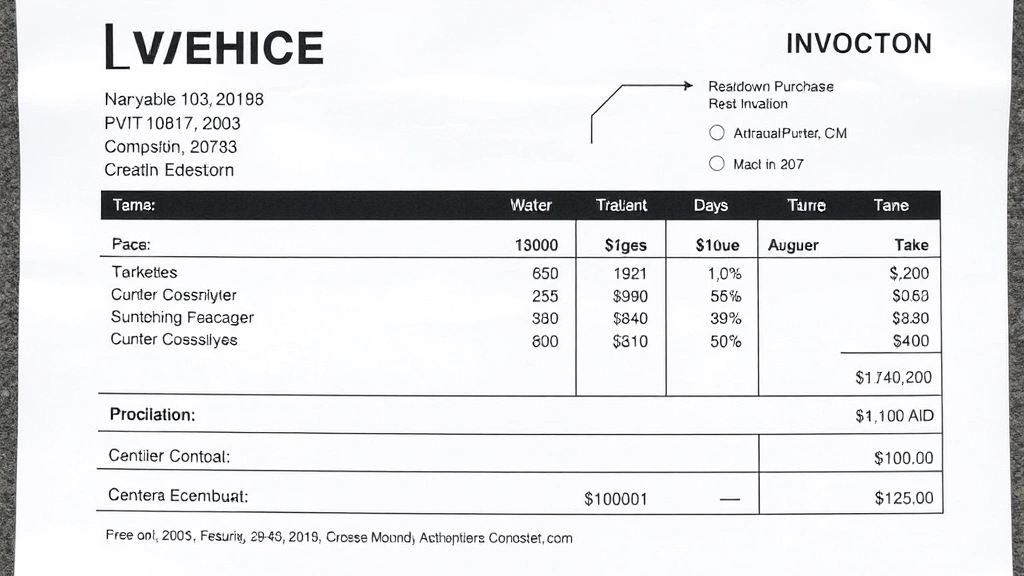
Second, negotiate the price aggressively. Every thousand dollars you negotiate off the purchase price saves you $70-$110 in sales tax (depending on your rate). This is why the purchase price negotiation matters so much—it has a direct multiplier effect on your total cost.
Third, maximize your trade-in value. Get that independent appraisal, present it to the dealer, and don’t accept a lowball offer. A $2,000 difference in trade-in value saves you $140-$220 in taxes.
Fourth, consider timing your purchase strategically. While Alabama doesn’t offer seasonal tax breaks, buying at the end of the month or quarter when dealers are motivated to hit sales targets can help you negotiate a better price, indirectly reducing your tax burden.
Finally, avoid dealer add-ons that aren’t essential. Extended warranties, paint protection, and fabric guard all get added to the taxable amount. If you want these services, consider getting them elsewhere or negotiating them as separate items outside the vehicle purchase.
Common Mistakes to Avoid
The biggest mistake people make is not understanding the difference between the statewide rate and their local rate. Assuming you’ll pay 4% when you actually owe 9% leads to unpleasant surprises at the dealership.
Another common error is accepting the dealer’s valuation of your trade-in without question. Dealers have every incentive to undervalue your trade-in because it increases the taxable purchase price. Get independent valuations from Kelley Blue Book, NADA Guides, or a local appraiser first.
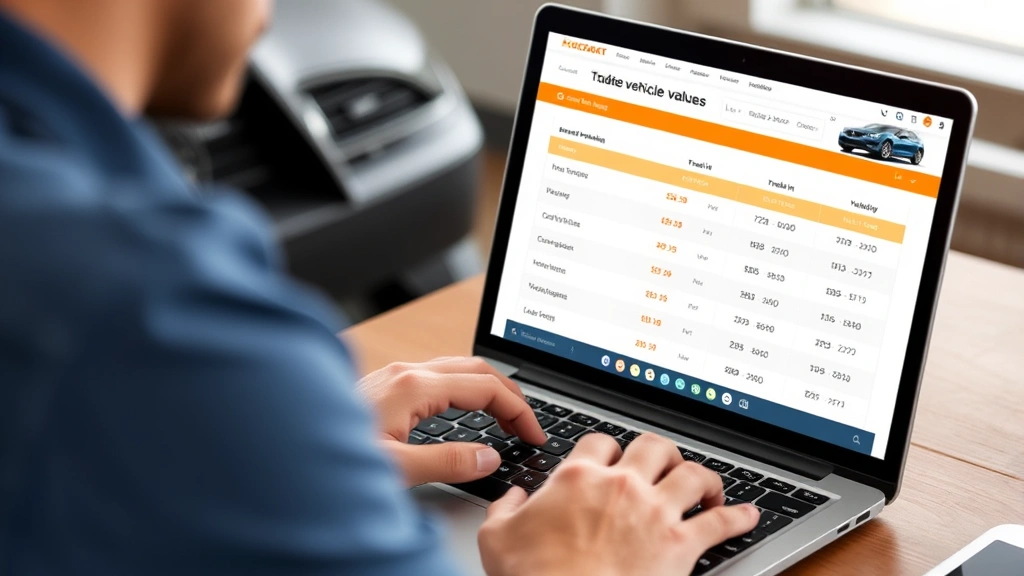
People also sometimes fail to factor sales tax into their financing calculations. If you’re approved for a $30,000 loan but don’t account for $2,700 in sales tax, you’ll be $2,700 short. Always ask the dealer for a complete financial breakdown before signing anything.
Finally, avoid the temptation to underreport the purchase price on private party sales. The Alabama Department of Revenue has access to market data and can flag suspiciously low valuations. The penalties for tax evasion far exceed any short-term savings.
How Alabama Compares Nationally
Alabama’s combined sales tax rate (7-11% depending on county) is moderate compared to other states. If you’re curious how your state stacks up, check out our guides on Missouri state auto sales tax and sales tax on vehicles in Illinois for comparison. Some states like Georgia with its ad valorem tax use different calculation methods entirely.
States like California and New York have higher combined rates, while states like South Carolina are lower. The trade-in credit system Alabama uses is actually consumer-friendly compared to states that don’t allow it, so Alabama buyers have more opportunities to reduce their tax burden.
Frequently Asked Questions
Do I have to pay Alabama car sales tax if I buy from out of state?
If you’re registering and titling the vehicle in Alabama, yes, you owe Alabama sales tax. Some states have reciprocal agreements, but Alabama generally requires sales tax on vehicles registered in the state regardless of where they were purchased. The only exception is if you purchased the vehicle in a state with a higher tax rate—you’d pay Alabama’s rate, not the other state’s rate.
Can I deduct sales tax on my federal income taxes?
Not directly. The federal tax code eliminated the sales tax deduction for most taxpayers in 2017. However, if you use your vehicle for business purposes, you may be able to deduct depreciation or use the standard mileage rate, which indirectly accounts for the vehicle’s cost. Consult a tax strategist for your specific situation.

What if I buy a vehicle and move to another state?
You’ll owe sales tax based on where the vehicle is registered and titled. If you buy in Alabama and move to another state, you’ll pay that state’s sales tax when you register it there—not Alabama’s tax. However, you won’t get a refund for Alabama’s tax, so you’ll end up paying both.
Are used cars taxed differently than new cars?
No, Alabama applies the same sales tax rate to both new and used vehicles. The tax is based on the purchase price, not the vehicle’s age or condition. A used car selling for $15,000 gets taxed the same way as a new car selling for $15,000.
Can I negotiate the sales tax amount?
No, the tax rate itself is fixed by law. However, you can reduce your tax burden by negotiating the purchase price lower or maximizing your trade-in credit. These indirect methods are your only leverage.
Do I pay sales tax on a vehicle I inherit?
Generally, no. Inherited vehicles are exempt from sales tax when transferred via inheritance. You’ll still need to pay registration and title fees, but not the sales tax. Keep documentation of the inheritance for the Department of Revenue.
Final Thoughts
Understanding Alabama car sales tax puts you in control of your vehicle purchase. You can’t eliminate the tax, but you can minimize it through smart negotiating, maximizing trade-in credits, and understanding the calculation method. Remember: every dollar you negotiate off the purchase price saves you roughly $0.07-$0.11 in taxes, making price negotiation one of your most powerful tools.
Before you step foot on a dealership lot, know your county’s tax rate, get your trade-in appraised independently, and understand the full financial picture. Armed with this knowledge, you’ll make a smarter purchase and keep more money in your pocket where it belongs.


