
Understanding Ann Arbor property tax is essential for homeowners who want to keep more money in their pockets and make informed decisions about their real estate investments. Whether you’re a longtime resident or new to the area, property taxes can feel like a mystery—but they don’t have to be. In this guide, we’ll break down how Ann Arbor’s property tax system works, what you’re actually paying for, and concrete strategies to reduce your tax burden.
Table of Contents
How Property Tax Is Calculated
Property taxes in Michigan, including Ann Arbor, are calculated using a straightforward formula: Taxable Value × Millage Rate = Annual Property Tax. Your taxable value isn’t necessarily what you paid for your home or its current market value—it’s a state-capped value that can increase by up to 5% annually, regardless of market fluctuations.
The millage rate represents the amount of tax per $1,000 of taxable value. Ann Arbor’s combined millage rate includes contributions from multiple entities: Washtenaw County, Ann Arbor Public Schools, and the City of Ann Arbor itself. Each jurisdiction levies its own millage, and together they determine your total tax bill.
Here’s what makes Michigan’s system unique: the Proposal A cap from 1994 prevents your taxable value from jumping dramatically when property values spike. This protects long-term homeowners but can create disparities where neighbors pay vastly different taxes despite similar home values.
Ann Arbor Tax Rates Explained
Ann Arbor’s property tax rates vary depending on your location within the school district boundaries and which county services you receive. The City of Ann Arbor itself typically levies around 5-6 mills, while Washtenaw County adds another 3-4 mills. The Ann Arbor Public Schools district is the largest component, often contributing 15-18 mills to your total bill.
In 2024, the combined millage rate for a typical Ann Arbor homeowner ranges from 45-55 mills, meaning you’ll pay approximately $45-$55 per $1,000 of taxable value. If your home’s taxable value is $300,000, you’d owe roughly $13,500-$16,500 annually.
These rates aren’t static. The school district, city, and county can adjust their millage rates through voter-approved proposals or renewals. It’s worth attending local government meetings or checking the Washtenaw County Treasurer’s website to stay informed about potential rate changes that could affect your bill.
Understanding the Assessment Process
Your Ann Arbor property tax bill starts with an assessment—a professional estimate of your home’s value conducted by the township assessor. Assessors evaluate comparable sales, property condition, square footage, lot size, and market trends to determine your home’s market value.
Once the market value is established, Michigan’s Proposal A caps how much your taxable value can increase. In the year you purchase a home, your taxable value equals the purchase price. Each subsequent year, it can rise by the lesser of 5% or the inflation rate (capped at 5%). When you sell, the new owner’s taxable value resets to the new purchase price, which is why you might see dramatic jumps in tax bills after a property transfers.
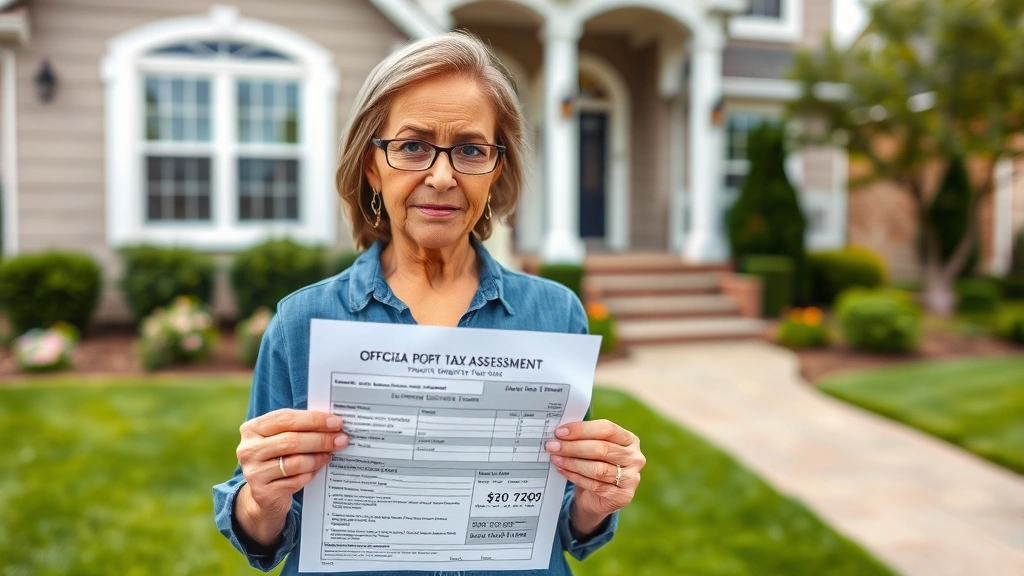
The assessment process happens annually, typically in March. You’ll receive a notice of assessment in the mail—this is your opportunity to verify the information is accurate. Errors in square footage, lot size, or property features can inflate your assessment and should be challenged immediately.
Homestead Property Tax Exemption
Michigan’s homestead property tax exemption is one of the most valuable tax breaks available to owner-occupied homeowners. If you claim your primary residence as your homestead, you’re eligible for a 3.2% exemption on your taxable value. This might not sound dramatic, but it translates to real savings.

To qualify, your home must be your principal residence—meaning you actually live there. Investment properties, vacation homes, and rental properties don’t qualify. You’ll need to file a Homestead Property Tax Exemption Application with your local assessor’s office, typically before March 1st of the tax year.
Many Ann Arbor homeowners overlook this exemption or assume they’re already receiving it. If you haven’t filed, contact the Ann Arbor Assessor’s Office immediately. The exemption is retroactive, so you may be able to recover back taxes from previous years if you were eligible but didn’t claim it.
How to Appeal Your Assessment
If you believe your assessment is too high, you have the right to appeal. The process in Ann Arbor involves several steps, and timing is critical. First, you’ll attend a Board of Review hearing, typically held in March. This informal session allows you to present evidence that your assessment doesn’t reflect fair market value.
Prepare documentation before the hearing: comparable sales of similar homes in your neighborhood, recent appraisals, photographs of any property defects, and records of necessary repairs. Bring these materials to demonstrate why your home’s assessed value should be lower. Many homeowners successfully reduce their assessments by 5-10% simply by presenting clear evidence.
If the Board of Review doesn’t grant relief, you can file a Small Claims Assessment Appeal with the Michigan Tax Tribunal. This process costs money and requires more formal documentation, but it’s worth considering if your assessment is significantly overstated. Many successful appeals cite inaccurate property characteristics or failure to account for market conditions.

Proven Ways to Lower Your Tax
Beyond the homestead exemption and assessment appeals, several strategies can reduce your Ann Arbor property tax burden. First, explore whether your home qualifies for any special exemptions. Agricultural exemptions, business personal property exemptions, and industrial facilities exemptions exist for specific property types.
Second, monitor local millage proposals carefully. When the school district or city puts a new millage increase on the ballot, you have the opportunity to vote and advocate for fiscal responsibility. Attending school board and city council meetings keeps you informed about tax policy decisions that directly affect your wallet.
Third, consider the long-term tax implications of home improvements. Major renovations that increase your home’s market value will eventually lead to higher assessments. While you shouldn’t avoid necessary repairs, understanding this connection helps you plan financially.
Fourth, if you’re nearing retirement or facing financial hardship, Michigan offers additional relief programs. The Homestead Property Tax Credit provides state income tax credits for low-income homeowners. The Home Heating Credit offers assistance with energy costs. These programs won’t lower your property tax directly, but they offset costs through tax credits.
Senior and Disabled Relief Programs
Michigan recognizes that fixed-income seniors and disabled residents face unique challenges with property taxes. The state offers the Homestead Property Tax Credit, which provides a refundable income tax credit based on your household income and property taxes paid.

To qualify, you must be at least 65 years old, disabled and receiving Social Security Disability Insurance, or a surviving spouse of someone who qualified. Your household income must fall below specific thresholds (adjusted annually). The credit can range from $200 to over $3,000 depending on your circumstances.
Additionally, Washtenaw County offers the Senior Homeowner Property Tax Deferral Program, which allows qualifying seniors to defer property taxes until the home is sold or transferred. This program doesn’t forgive taxes—it defers them—but it provides crucial cash flow relief during retirement years.
If you’re disabled and own your home, contact the Ann Arbor Assessor’s Office about available exemptions. Some disabilities qualify for special assessment considerations that can reduce your taxable value.
Frequently Asked Questions
What’s the difference between assessed value and market value?
Market value is what your home would sell for today. Assessed value (also called taxable value in Michigan) is a state-capped figure used to calculate property taxes. Michigan’s Proposal A limits assessed value growth to 5% annually, even if your home’s market value increases faster. This creates a lag where your taxes don’t immediately reflect market appreciation.
Can I appeal my assessment more than once?
Yes, you can appeal annually if you believe your assessment remains inaccurate. However, successful appeals typically result in permanent reductions unless your home’s market value genuinely changes. If you appealed last year and lost, you’ll need new evidence to succeed this year—simply appealing again without new information won’t help.

How often does Ann Arbor reassess properties?
Ann Arbor reassesses all properties annually. Assessments are completed by March 1st, and property owners receive notices shortly after. The assessor uses sales data, property inspections, and market analysis to update valuations each year.
What happens to my property taxes when I buy a home?
When you purchase a home, your taxable value resets to the purchase price. In subsequent years, it can increase by up to 5% annually until you sell again. This is why new homeowners sometimes experience significant tax increases compared to the previous owner—the previous owner’s taxable value was capped while yours starts fresh.
Are property taxes in Ann Arbor higher than other Michigan cities?
Ann Arbor’s property taxes are moderate compared to other Michigan communities, though rates vary significantly based on school district and county. The Ann Arbor Public Schools district is well-funded, which supports higher millage rates. If you’re comparing to other areas, request the specific millage rates from each assessor’s office—they’re public information.
Can I deduct Ann Arbor property taxes on my federal income tax?
Yes, you can deduct property taxes as part of your state and local taxes (SALT) deduction on your federal return. However, the total SALT deduction is capped at $10,000 annually. If you have significant property taxes, mortgage interest, and state income taxes, you may hit this cap and not receive full deduction benefit.
Final Thoughts
Ann Arbor property taxes don’t have to feel like an unavoidable burden. By understanding how your assessment is calculated, claiming available exemptions like the homestead exemption, and knowing when and how to appeal, you can take control of your tax situation. Start by reviewing your assessment notice carefully—errors are more common than you’d think, and correcting them can save thousands.
If you own property in other Michigan counties, the same principles apply. For example, understanding Adams County property tax or Hamilton County property taxes follows similar assessment and appeal processes. Each county has unique millage rates, but the underlying framework remains consistent across Michigan.
Don’t hesitate to reach out to the Ann Arbor Assessor’s Office with questions—they’re public servants obligated to help. Attend local government meetings to stay informed about millage proposals. And if your assessment seems high, gather documentation and appeal. The time you invest now could result in significant tax savings over the years you own your home.
For additional tax planning strategies and how property taxes fit into your broader financial picture, explore resources like the Michigan Department of Treasury and IRS.gov. Understanding your obligations and rights as a property owner is the first step toward financial confidence.