

Understanding auto sales tax in Alabama is one of the smartest moves you can make before buying a vehicle in the state. Whether you’re purchasing your first car or trading up, knowing how Alabama calculates sales tax, what exemptions exist, and where you can legally save money will keep more cash in your pocket when you drive off the lot.
Table of Contents
Alabama’s Current Sales Tax Rate
Alabama charges a state sales tax of 4% on vehicle purchases. This is the baseline rate that applies statewide, but here’s where it gets tricky: that 4% is rarely the final number you’ll pay. Most Alabama counties add their own local sales tax on top of the state rate, bringing your total tax burden somewhere between 7% and 11%, depending on where you buy.
As of 2024, the average combined sales tax rate across Alabama sits around 8.5%, though this varies significantly by county. If you’re shopping near the state line, you might be tempted to cross over into Georgia or Mississippi to find a better rate—but hold on. You’ll owe Alabama sales tax regardless of where you purchase the vehicle if you register it here. The state has you covered, so don’t waste time chasing lower rates out of state.
How Auto Sales Tax Is Calculated
The math is straightforward, but the devil lives in the details. Alabama calculates auto sales tax on the net purchase price of the vehicle. Here’s the formula:
Net Purchase Price = Vehicle Price – Trade-In Value
Sales Tax = Net Purchase Price × Tax Rate
Let’s say you’re buying a $25,000 car and trading in your old vehicle valued at $8,000. Your net purchase price is $17,000. If your local rate is 8%, you’d owe $1,360 in sales tax. This is why understanding trade-in credits matters so much—they directly reduce your taxable amount.
One critical point: the tax applies to the vehicle’s purchase price, not its manufacturer’s suggested retail price (MSRP). If you negotiate a $3,000 discount, your sales tax calculation drops accordingly. This is one reason why haggling over the price matters more than people realize—every dollar you negotiate off the purchase price saves you roughly 8-11 cents in sales tax.
Trade-In Credits and Tax Savings
This is where you can legitimately save serious money. Alabama allows you to deduct your trade-in vehicle’s value from the purchase price before calculating sales tax. This is called the “trade-in allowance” and it’s one of the few tax breaks available to car buyers in the state.
Here’s a real scenario: You’re buying a $30,000 vehicle and trading in a car worth $10,000. Without the trade-in credit, you’d pay tax on the full $30,000. With it, you pay tax only on $20,000. At an 8.5% rate, that’s a difference of $850—money that stays in your pocket.
The trade-in value must be documented on your bill of sale or purchase agreement. Dealers will typically show this clearly on your paperwork. If you’re selling privately and buying from a dealer, make sure the dealer properly credits your trade-in value before calculating tax. This isn’t automatic—you need to negotiate it explicitly.
Pro tip: Get your trade-in vehicle appraised at multiple places before heading to the dealership. Knowing its fair market value gives you leverage to negotiate a better trade-in allowance, which further reduces your taxable purchase price.
Tax-Exempt Purchase Scenarios
Alabama does offer some legitimate tax exemptions for vehicle purchases, though they’re narrower than many people hope. Here are the main scenarios where you might avoid sales tax:
Charitable Organizations: If you’re a registered nonprofit or charitable organization purchasing a vehicle for business purposes, you may qualify for an exemption. You’ll need to provide your tax-exempt certificate to the dealer.
Government Entities: Federal, state, and local government agencies purchasing vehicles for official use are typically exempt. This includes law enforcement, fire departments, and municipal fleets.
Out-of-State Purchases: If you purchase a vehicle outside Alabama and bring it into the state, you may owe use tax instead of sales tax. The rate is the same, but the timing and payment method differ. You’ll typically pay this when you register the vehicle with the Alabama Department of Revenue.

One common misconception: buying a vehicle during Tax-Free Weekend 2025 in Alabama does NOT exempt you from auto sales tax. That exemption applies only to clothing and school supplies, not vehicles. Don’t fall for this myth.
County and Local Tax Variations
This is critical: your county matters. Alabama’s 67 counties each set their own local sales tax rates on top of the 4% state rate. Here’s what you need to know:
Lowest Rate Counties: Some rural counties have local rates as low as 3%, bringing your total to 7%. These include areas in south Alabama and parts of the Black Belt region.
Highest Rate Counties: Urban counties like Jefferson (Birmingham), Mobile, and Madison charge 5-7% local tax, pushing your total to 9-11%.
The Dealership Location Matters: You pay tax based on where the vehicle is titled and registered, not where you purchase it. If you buy from a dealership in Jefferson County but register the vehicle in your home county, you’ll owe that county’s rate. This is why some people strategically purchase from dealers in lower-tax counties—but remember, you ultimately pay based on where you register.
Check your specific county’s rate before finalizing your purchase. The Alabama Department of Revenue website lists all county rates, and your dealer should disclose the exact tax rate that applies to your transaction.
Timing Your Purchase for Tax Savings
Unlike some states, Alabama doesn’t offer seasonal tax breaks for vehicle purchases. There’s no “buy in January” advantage or end-of-month discount related to taxes. However, timing still matters for your overall purchase price.
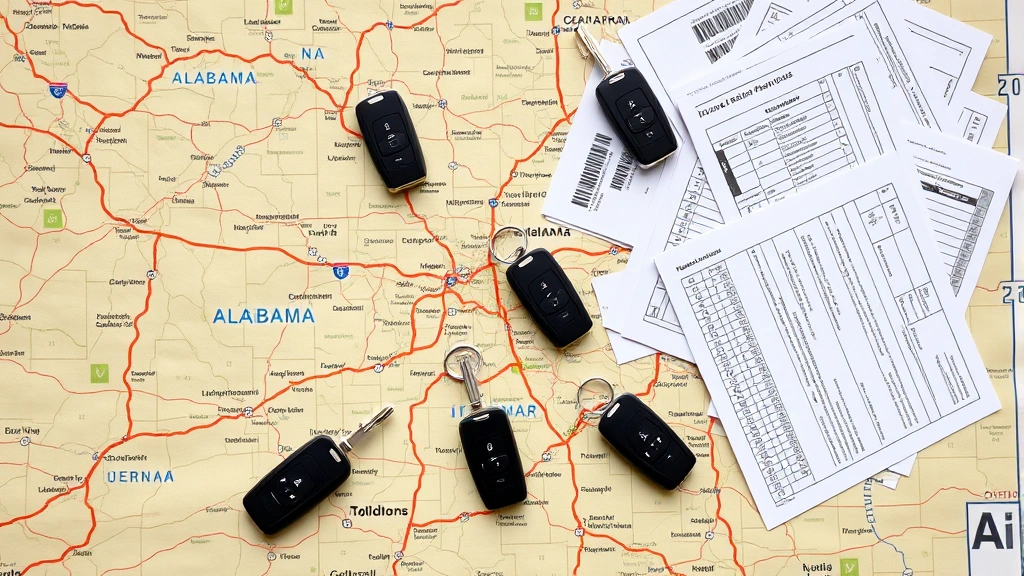
End of month and end of quarter are traditional times when dealers offer better prices and incentives. A lower purchase price directly reduces your sales tax liability. If you can negotiate $2,000 off the vehicle price by shopping at the right time, you’ve saved roughly $170 in sales tax (at an 8.5% rate).
Year-end is another strategic time. Dealers often discount previous model year vehicles aggressively to clear inventory for new models. A $3,000 price reduction saves you about $255 in taxes. Over the course of a year, timing your purchase when incentives are strongest can save you more in sales tax than any other strategy.
Private Party Sales and Tax Obligations
Buying a car from a private seller doesn’t exempt you from Alabama sales tax. Many people mistakenly believe private sales avoid tax, but that’s incorrect. You owe sales tax on private party purchases just as you would from a dealer.
Here’s how it works: When you register the vehicle with the Alabama Department of Revenue, you’ll need to provide proof of the purchase price. The state will assess sales tax based on that price. If you’re buying from a private seller, get a bill of sale that clearly documents the purchase price. This protects both you and the seller.
The tax is calculated the same way: on the net purchase price after any trade-in allowance. If you’re trading in a vehicle as part of a private party transaction, document that value clearly on your bill of sale.
One important note: Alabama allows you to claim a “reasonable value” if you can’t document the actual purchase price. However, the state won’t accept artificially low valuations. If you buy a $15,000 car and claim it cost $5,000, expect the Department of Revenue to question you. Use fair market value estimates from resources like Kelley Blue Book or NADA Guides.
Required Documentation and Forms
When you purchase a vehicle in Alabama, you’ll need specific documentation to properly register it and pay sales tax. Here’s what you need:
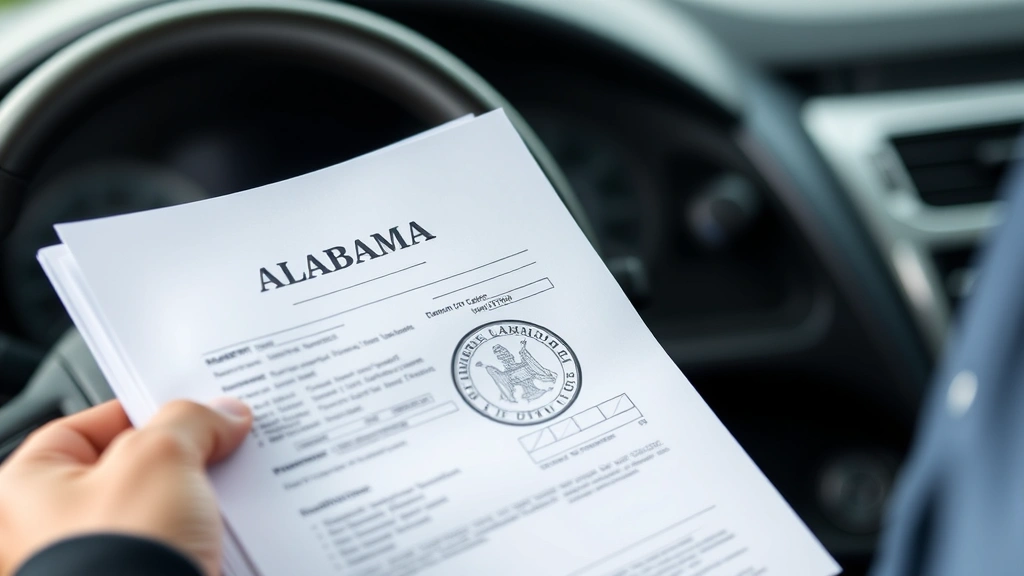
Bill of Sale: This document shows the purchase price, vehicle identification, buyer and seller information, and trade-in allowance (if applicable). Dealers provide this; private sellers should create one.
Proof of Sales Tax Payment: If you purchased from a dealer, they typically remit sales tax to the state on your behalf. You’ll receive documentation of this payment. Keep it for your records.
Title and Registration: When you register the vehicle with the Alabama Department of Revenue, you’ll complete Form AVIS 4-2 (Application for Title and Registration). This is where sales tax liability is finalized.
Proof of Insurance: Alabama requires proof of liability insurance before you can register a vehicle. This isn’t directly related to sales tax, but you need it to complete registration.
Identification: You’ll need a valid driver’s license or state ID to register the vehicle in your name.
If you’re buying from a dealership, they’ll typically handle most of this paperwork for you. If you’re buying privately, you’ll need to visit the Department of Revenue office yourself to complete registration and pay sales tax. Bring all original documents and be prepared to wait—it’s not the fastest process.
Frequently Asked Questions
Can I avoid Alabama auto sales tax by registering in another state?
No. If you’re an Alabama resident or the vehicle will be primarily located in Alabama, you owe Alabama sales tax regardless of where you register it. The state considers your domicile and the vehicle’s primary location. Attempting to register an Alabama-based vehicle out of state to avoid taxes is tax evasion and can result in penalties and interest.

What’s the difference between sales tax and use tax on vehicles?
Sales tax is paid when you purchase a vehicle from a dealer in Alabama. Use tax applies when you purchase a vehicle outside Alabama and bring it into the state. The rate is identical, but the payment method differs. You’ll pay use tax when you register the vehicle with the Alabama Department of Revenue.
Does Alabama allow sales tax deductions on my personal income tax return?
No. Alabama doesn’t allow a deduction for sales tax paid on vehicle purchases on your state income tax return. However, if you’re self-employed and purchase a vehicle for business use, you may be able to depreciate it as a business asset. Consult a CPA for your specific situation.
Are electric or hybrid vehicles taxed differently in Alabama?
No. Alabama doesn’t offer any sales tax breaks or special rates for electric vehicles, hybrids, or other fuel-efficient vehicles. You pay the same sales tax rate regardless of the vehicle type. (Some states offer EV tax credits, but Alabama doesn’t at the state level.)
If I’m buying a used vehicle, is the sales tax calculation different?
No. Whether you’re buying new or used, the sales tax calculation is identical. The tax applies to the purchase price, regardless of the vehicle’s age or condition. Used vehicle prices are typically lower, so your absolute tax bill will be lower, but the rate and calculation method are the same.
What happens if I don’t pay sales tax on a private party purchase?
When you register the vehicle, the state will assess sales tax based on the documented purchase price. If you don’t pay it at registration, the Department of Revenue will pursue collection, including penalties and interest. It’s not worth the risk—pay your taxes when you register.
Can I negotiate the sales tax rate with a dealer?
No. Sales tax rates are set by law and aren’t negotiable. However, you can negotiate the purchase price, which directly reduces your tax liability. Focus your negotiation efforts there, not on the tax rate itself.
Final Thoughts on Alabama Auto Sales Tax
Understanding auto sales tax in Alabama isn’t glamorous, but it’s one of the most straightforward ways to save money on your next vehicle purchase. The key takeaways are simple: know your county’s rate, maximize your trade-in allowance, negotiate the lowest purchase price possible, and document everything properly.
You can’t avoid sales tax in Alabama if you’re registering a vehicle here, but you can minimize it through smart negotiation and proper use of trade-in credits. Every dollar you negotiate off the purchase price saves you roughly 8-11 cents in taxes. Over the life of a vehicle purchase, that adds up.
If you’re financing your vehicle, check out our guides on Honda finance strategies, Hyundai finance tips, and auto finance hacks to maximize your overall savings. And if you’re curious about sales tax in other states, we’ve got breakdowns on San Jose sales tax and Santa Clara sales tax as well.
The bottom line: do your homework, negotiate hard on price, and make sure your dealer properly credits your trade-in value. That’s how you win at the math game of buying a car in Alabama.


