

The average cost for a CPA to do taxes ranges from $150 to $2,500+ per year, depending on your situation’s complexity, location, and the firm’s experience level. For most individual filers with straightforward returns, you’re looking at $200–$500. But if you own a business, have rental properties, or deal with investment income, costs can climb significantly higher. Understanding what drives these prices helps you make a smart decision about whether hiring a CPA makes financial sense for you.
Table of Contents
What Factors Affect CPA Pricing?
CPAs don’t pull their fees out of thin air. Several concrete factors determine what you’ll pay:
Return complexity is the biggest driver. A W-2 employee with standard deductions? Cheap. Someone with multiple income streams, capital gains, and charitable donations? That’s a different beast. The IRS tax code has roughly 74,000 pages—CPAs charge more when they need to dig deeper into it.
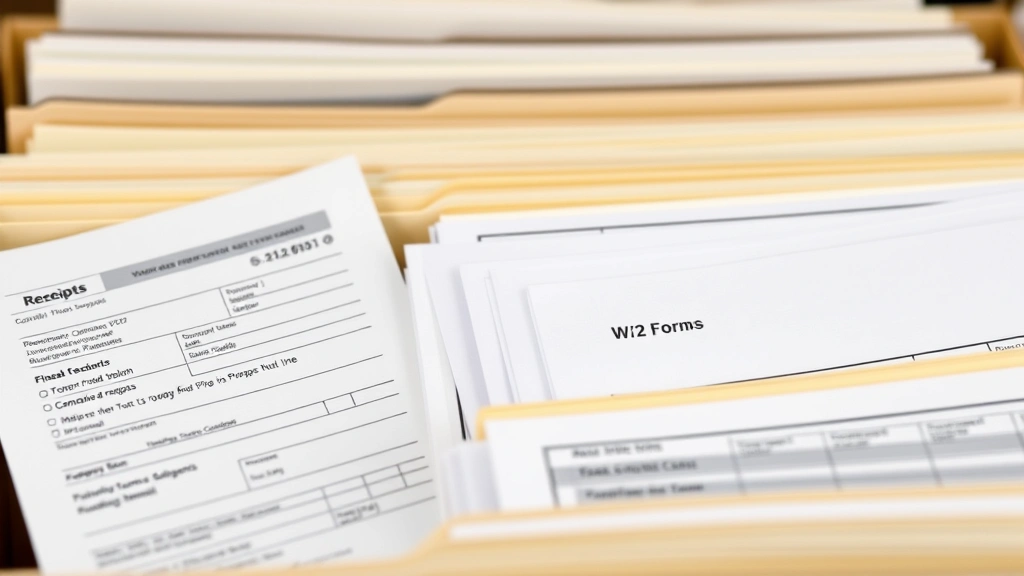
Time investment matters tremendously. If you hand a CPA organized documents with clear records, they’ll spend less time than if you show up with a shoebox of receipts. Some firms charge hourly ($150–$400/hour for CPAs), so organization directly impacts your bill.
CPA credentials and experience affect pricing too. A partner at a Big Four firm charges more than a solo practitioner. You’re paying for expertise, reputation, and the firm’s overhead.
Location and cost of living play a role. CPAs in New York City or San Francisco charge more than those in rural areas—their operating costs are higher.
Simple Returns Cost Less
If your tax life is straightforward, you’ll get the best deal. A “simple” return typically includes:
- One W-2 from an employer
- Standard deduction (no itemizing)
- No investment income or capital gains
- No dependents with special circumstances
- No business income or rental properties
For this scenario, expect to pay $150–$300 at most firms. Some CPAs even offer flat rates like $200 for basic returns. This is where you’ll find the best value—the CPA’s work is predictable and quick.
That said, even “simple” filers sometimes miss deductions they’re entitled to. A CPA might spot that you qualify for the Earned Income Tax Credit or that your student loan interest is deductible. That discovery alone could save you hundreds.
Complex Situations Cost More
Complexity explodes costs. Here’s what pushes your bill higher:
Self-employment income: If you run a business or freelance, add $500–$1,500 to your base cost. The CPA needs to handle Schedule SE tax forms, quarterly estimated taxes, and business deductions. They’re essentially doing multiple returns rolled into one.
Rental properties: Each property requires its own Schedule E, depreciation calculations, and expense tracking. Expect $300–$800 per property.
Investment income: Stocks, bonds, mutual funds, and cryptocurrencies all generate forms (1099s) that need reconciliation. Capital gains calculations alone can add $200–$500 to your bill.
Multiple states: If you lived in or worked across state lines, you may owe taxes to multiple states. Each one is a separate filing—and a separate fee. Add $100–$300 per state.
Estimated tax planning: Self-employed folks and investors often need quarterly estimated tax payments. Some CPAs charge extra ($100–$300/year) to calculate and advise on these.
A self-employed freelancer with rental income and investment accounts could easily pay $1,500–$2,500 annually.
Hourly vs. Flat-Fee Models
CPAs use two main pricing models, and each has pros and cons:

Flat-fee pricing is predictable. You know upfront it’ll cost $400 for your return. No surprises. This works great for straightforward situations. The downside? If your return turns out more complex than expected, you might feel the CPA is losing money—and they might rush the work or charge extra.
Hourly billing ($150–$400/hour depending on the CPA’s seniority) rewards efficiency. If your CPA finishes quickly, you pay less. But if complications arise, your bill climbs. Some people find hourly rates anxiety-inducing because the final number is uncertain.
A hybrid approach exists too: some firms charge a base flat fee plus hourly overage. This balances predictability with flexibility.
Pro tip: Always ask upfront which model applies and request an estimate. A good CPA will give you a ballpark figure before starting work.
Geographic Price Differences
Where you live significantly impacts CPA costs. Here’s a rough breakdown for a simple individual return:
- Major metros (NYC, LA, SF, Chicago): $300–$600
- Mid-size cities: $200–$400
- Rural areas: $150–$300
These differences reflect local cost of living, rent, and competition. In a small town with three CPAs, prices stay lower. In Manhattan with thousands of firms, you’ll pay premium rates.
The silver lining? You can hire a CPA remotely. If you’re in an expensive city but willing to work with someone in a lower-cost area, you might save 20–40%. Just ensure they’re licensed in your state and understand your local tax rules.
Self-Employed & Business Taxes
If you’re self-employed, CPA costs become an investment in tax optimization, not just compliance.

A solo freelancer typically pays $500–$1,200 annually. This covers your individual return plus business Schedule C, self-employment tax calculations, and deduction strategy.
A small business owner (LLC, S-corp, or C-corp) pays $1,000–$5,000+ depending on:
- Business structure (S-corps are more complex than LLCs)
- Number of employees (payroll adds complexity)
- Revenue level (higher revenue = more transactions to review)
- Industry-specific deductions (contractors have different needs than retail shops)
Here’s the thing: a good CPA often saves more than they cost. They might restructure your business to save on self-employment taxes, identify deductions you missed, or advise on quarterly payments. For self-employed folks, hiring a CPA isn’t a luxury—it’s smart financial management.
If you’re just starting out, check whether you need Schedule SE and understand your quarterly estimated tax obligations.
Ways to Reduce CPA Fees
You don’t have to accept whatever a CPA quotes. Here are legitimate ways to lower your bill:
Get organized before meeting your CPA. Gather receipts, 1099s, W-2s, and donation records. Use a spreadsheet to categorize expenses. CPAs bill hourly for organization time—do it yourself and save $100–$300.
Use tax software for simple items. If your return is mostly W-2 income, file that part yourself with TurboTax or FreeTaxUSA ($0–$150). Then hire a CPA just to review and file it or handle complex items. Some CPAs offer “review only” services at reduced rates.
Bundle services. Ask if the CPA offers discounts for multiple returns (you + spouse) or if you hire them for tax planning beyond just filing. Some firms give 10–15% discounts for bundled services.
File after April 15. Tax season (January–April) is peak demand. CPAs charge more then. If your situation allows, file in May or June when demand drops and you might negotiate lower fees.
Ask about fixed-fee packages. Some firms offer “tax packages” for specific situations (freelancer package, rental property package) at set prices. These are often cheaper than custom hourly work.
Consider a CPA student or junior associate. Under a senior CPA’s supervision, they charge less ($100–$200/hour) while still providing quality work. You’re getting training-level service at training-level prices.
Is It Worth the Investment?
Here’s the honest question: does hiring a CPA pay for itself?
For simple returns, probably not. If you’re a W-2 employee with no side income, free or cheap tax software does the job fine. The IRS says about 70% of Americans could file for free.
But for anyone with business income, investments, or multiple income streams, a CPA usually pays for themselves. Here’s why:
- Deduction discovery: The average person misses 20–30% of deductions they qualify for. A CPA catches these. Missing a $5,000 deduction in the 24% tax bracket costs you $1,200. A CPA who costs $400 just paid for themselves 3x over.
- Tax planning: A good CPA advises on quarterly payments, retirement contributions, and business structure—not just filing returns. This forward-looking advice prevents penalties and optimizes your overall tax position.
- Peace of mind: The IRS is intimidating. Having a professional in your corner means better sleep at night. If you get audited, your CPA handles it. That alone has value.
- Time savings: Your time has value too. If earning $50/hour and tax prep takes 8 hours, you’re trading $400 of your time. A $300 CPA fee suddenly looks cheap.
For most self-employed people and business owners, the ROI is crystal clear. For W-2 employees, it depends on your complexity and how much you value your time.
If you’ve already filed and realize you missed something, you can amend your tax return if you already filed with professional help.

Frequently Asked Questions
How much do CPAs charge for tax returns in 2024?
In 2024, CPAs typically charge $150–$2,500+ per return depending on complexity. Simple returns average $200–$500, while complex business returns can exceed $2,000. Hourly rates range from $150–$400/hour.
Is it cheaper to use a tax preparer instead of a CPA?
Yes, enrolled agents and tax preparers often charge 30–50% less than CPAs ($100–$300 for simple returns). However, CPAs have more credentials and can provide broader financial advice. For complex situations, a CPA’s expertise often justifies the higher cost.
Can I deduct CPA fees on my taxes?
For business owners and self-employed people, yes—CPA fees are deductible as a business expense on Schedule C or your business return. For individual W-2 employees, CPA fees are generally not deductible under current tax law (though this changes occasionally with tax code updates).
Do CPAs offer payment plans?
Some do, especially larger firms. Ask upfront if they allow payment plans or if they require payment before filing. Many CPAs also accept credit cards, which you could put on a 0% intro APR card to spread payments.
What’s the difference between a CPA and a tax preparer?
CPAs are licensed and regulated by state boards, requiring extensive education and exams. Tax preparers have fewer requirements. CPAs can represent you before the IRS and provide broader financial advice. For complex returns, CPAs offer more protection and expertise.
Should I hire a CPA if I’m self-employed?
Strongly yes. Self-employed folks juggle estimated taxes, business deductions, and self-employment tax—areas where mistakes are costly. A CPA typically saves more than they cost through deduction identification and tax optimization.
How can I find an affordable CPA?
Check local referrals, ask friends and family, search online directories (AICPA.org), and interview multiple CPAs. Get written estimates before committing. Consider junior CPAs or firms in lower-cost areas. Ask about package pricing or discounts for bundled services.
Do I need a CPA if I use tax software?
Not necessarily for simple returns. But if you have self-employment income, rental properties, or significant investments, a CPA’s expertise prevents costly mistakes. Many people use software for basic items and hire a CPA for review and complex sections.
Final Thoughts
The average cost for a CPA to do taxes is reasonable insurance against mistakes and missed opportunities. For simple situations, free or cheap software works fine. But the moment your finances get complicated—side hustles, rental income, investments—a CPA becomes a worthwhile investment.
The key is finding the right fit: someone who understands your situation, charges transparently, and thinks beyond just filing returns. Ask for estimates, compare options, and remember that the cheapest CPA isn’t always the best value. A CPA who saves you $2,000 in missed deductions is worth far more than one who costs $100 less but misses opportunities.
If you’re unsure about your current tax situation, starting with understanding where to find key information like where is AGI on tax return can help you prepare better conversations with a professional.


