

A Beaver County tax assessment determines the value of your property for taxation purposes, and understanding how it works is one of the smartest moves you can make as a homeowner. Whether you’re in Pennsylvania’s Beaver County or another jurisdiction with the same name, your property assessment directly impacts your annual tax bill—sometimes by thousands of dollars. The good news? You have options to challenge inflated assessments and potentially reduce what you owe.
Table of Contents
What Is a Property Assessment?
Your property assessment is an official estimate of your home’s market value. It’s not the same as an appraisal—assessments are typically more conservative and used exclusively for tax purposes. The assessed value gets multiplied by your local tax rate to calculate your annual property tax bill.
Here’s the reality: assessments can be wildly inaccurate. We’ve seen homes overvalued by 15-30% in some cases, which means homeowners are literally overpaying taxes on inflated numbers. The assessment process relies on public records, comparable sales, and sometimes just outdated information. If your assessment seems high, you’re not being paranoid—it might actually be wrong.
How Assessors Value Your Property
Assessors use three main approaches to determine value:
Sales Comparison Approach: This is the most common method. Assessors look at recent sales of similar properties in your area. If your neighborhood has limited recent sales, comparables might be outdated or from significantly different properties. This is where errors creep in—a comparable property might have sold under distress, or it might have features your home lacks.
Cost Approach: Assessors calculate replacement cost by adding land value plus the cost to rebuild your home, minus depreciation. This method works better for newer homes but can overvalue older properties that have charm and character the formula doesn’t capture.
Income Approach: For rental properties, assessors estimate value based on potential rental income. This method is less common for primary residences but crucial if you own investment property in Beaver County.
Most assessments blend these methods, but the weighting varies by jurisdiction. Understanding which approach dominates in your area helps you know where to focus your challenge.
Beaver County Assessment Process
Beaver County, Pennsylvania uses a cyclical reassessment schedule where properties are revalued periodically—often every 4-6 years, though this varies by township. When reassessment happens, your assessed value can jump significantly if the market has appreciated.

The county assessor’s office maintains records on file, including property characteristics like square footage, lot size, age, condition, and recent improvements. Here’s the problem: these records are frequently incomplete or outdated. We’ve seen assessments that list properties as having fewer bedrooms than they actually have, or miss major renovations entirely.
Your assessment notice should arrive annually (timing varies by municipality). It typically shows:
- Land value
- Building value
- Total assessed value
- Your tax rate
- Resulting tax bill
If you’re unsure about Beaver County specifically, check your county assessor’s website or contact your township assessor’s office directly. Similar processes apply to other counties—for reference, you can review how Wayne County property tax works or explore Walworth County tax records for comparison.
Common Assessment Mistakes
We see the same errors repeatedly in property assessments:
Incorrect Square Footage: This is the #1 mistake. Assessors sometimes use outdated blueprints or estimate based on exterior dimensions without accounting for actual living space. A 200 sq ft error can swing your assessment by thousands.
Missing Exemptions: You might qualify for exemptions (senior citizen, veteran, agricultural property) but they won’t apply unless you request them. The assessor doesn’t automatically grant these.
Missed Depreciation: Older homes should see depreciation applied, but some assessments ignore this entirely. A 60-year-old home shouldn’t be valued the same as a new construction.
Condition Overvaluation: If your home needs a new roof, HVAC system, or foundation work, the assessment should reflect this. Many don’t.
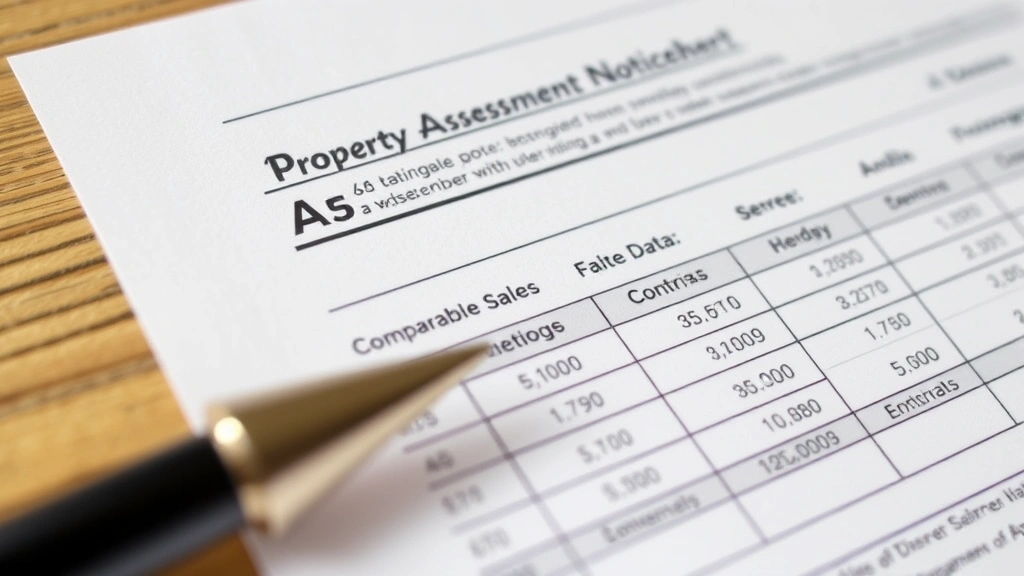
Comparable Sales Issues: The assessor might use sales that aren’t actually comparable—different neighborhoods, significantly different sizes, or properties that sold under duress.
The best way to catch these? Get a copy of your property record card from the assessor’s office and verify every detail against your actual home. Bring a measuring tape. Check square footage yourself. Note any major repairs needed.
How to Challenge Your Assessment
Challenging your assessment involves several steps, and timing is critical:
Step 1: Request a Copy of Your Assessment Record Contact your township or county assessor and request your property record card. This document shows exactly what the assessor has on file about your property. Review it carefully for errors in square footage, bedroom/bathroom count, lot size, and condition ratings.
Step 2: Gather Documentation Compile evidence supporting a lower value:
- Recent appraisals (if you refinanced recently)
- Photos of needed repairs or poor condition
- Recent inspection reports
- Comparable sales from your neighborhood (use Zillow, Redfin, or county records)
- Documentation of any exemptions you qualify for
- Proof of recent major expenses (foundation repair, roof replacement, etc.)
Step 3: File a Formal Appeal Most jurisdictions require you to file an appeal within 30-45 days of receiving your assessment notice. This deadline is firm—miss it and you lose your right to challenge that year. Check your notice for the specific deadline and filing location. Some counties use a Board of Assessment Appeals; others use a County Assessment Appeal Board.
Step 4: Prepare Your Case Write a clear letter explaining why you believe your assessment is too high. Reference specific errors in the property record card and provide your evidence. Be factual and organized—emotional appeals don’t work, but documented errors do.
Step 5: Attend the Hearing (if required) Some jurisdictions allow written appeals only; others require in-person hearings. If you have a hearing, bring your documentation and be prepared to discuss specific issues. You don’t need a lawyer for this step, though some people hire one for complex cases.

Similar appeal processes work in other counties—for example, Platte County personal property tax challenges follow comparable procedures, as do assessments in Peach County GA.
Proven Strategies to Lower Bills
Strategy 1: Document Property Condition Issues If your home needs significant repairs, get written estimates from contractors. A foundation crack, roof damage, or outdated electrical system legitimately reduces value. The assessor should account for this, but often doesn’t unless you force the issue.
Strategy 2: Use Actual Sales Data Gather 3-5 comparable sales from your neighborhood within the past 6-12 months. If these comps sold for less than your assessed value, you have strong evidence. Use county records, MLS data, or sites like Zillow. The key is finding truly comparable properties—same square footage, similar age, similar condition, same neighborhood.
Strategy 3: Challenge Square Footage Errors Measure your home’s actual living space. Many assessments use inflated numbers. If the assessor claims 2,500 sq ft but you only have 2,200, that’s a material error worth fighting.
Strategy 4: Apply for Exemptions Ask your assessor about available exemptions: homestead exemptions, senior exemptions, veteran exemptions, agricultural exemptions, or disability exemptions. Eligibility varies by state and county, but these can reduce your assessed value significantly.
Strategy 5: Monitor Market Changes If your neighborhood’s property values have declined, your assessment should reflect this. During downturns, assessments often lag behind actual market conditions. If neighbors’ homes are selling for less than the assessed values, use that data in your appeal.
Strategy 6: Request a Reassessment Delay In some jurisdictions, you can request a delay in reassessment if significant changes are pending (major renovation, zoning change). This buys time and might result in a more accurate assessment later.
Appeal Timeline and Deadlines
Timing is everything in assessment appeals. Missing a deadline means waiting until the next assessment cycle—potentially years away.

Key Dates to Know:
- Assessment Notice Arrival: Usually February-April, though this varies by county
- Appeal Filing Deadline: Typically 30-45 days after notice (check your notice for exact date)
- Board Hearing: Usually held May-June
- Decision Timeline: 30-90 days after hearing
- Further Appeal Options: If you disagree with the board’s decision, some counties allow appeals to county court (deadline typically 30 days)
Mark your calendar the moment you receive your assessment notice. Don’t assume you have time—you don’t. If you miss the initial filing deadline, your only option is to wait for the next reassessment cycle.
Different jurisdictions have different timelines. If you’re dealing with property in multiple areas, like comparing property tax estimator Florida information or reviewing Greenville SC property tax procedures, research each location’s specific deadlines.
When to Hire Professional Help
You can absolutely handle a straightforward assessment challenge yourself. But consider hiring a professional tax assessor or property tax attorney if:
Your Assessment is Significantly High: If your assessed value is 20%+ above comparable sales, professional help often pays for itself through the reduced tax bill. A $50,000 assessment reduction saves you $500-1,000 annually (depending on tax rate), so hiring a professional for $500-1,500 is financially smart.
Your Property is Complex: Multi-unit properties, properties with commercial components, or unusual properties benefit from professional expertise. Assessors sometimes make bigger mistakes on these.
You’ve Lost an Appeal: If you appealed and lost, a professional can identify issues you missed or present evidence more effectively the second time.
Your Property is High-Value: For homes worth $500,000+, the stakes are high enough to justify professional representation.

You’re Busy or Uncomfortable with the Process: This is legitimate. Some people would rather pay a professional than spend 20 hours researching and preparing an appeal. That’s a valid choice.
Property tax consultants typically charge either a flat fee ($300-1,000) or a percentage of tax savings (10-25%). Ask about their fee structure upfront. The best ones work on contingency—you only pay if they win.
Frequently Asked Questions
How often does Beaver County reassess properties?
Beaver County’s reassessment schedule varies by township, but most properties are reassessed every 4-6 years. Check with your specific township assessor for your property’s schedule. You can also find this information on your assessment notice.
Can I appeal my assessment if I just bought my home?
Yes. Your purchase price doesn’t determine your assessment—market value does. If you bought at a good price, your assessed value might still be high. If you overpaid, you can challenge it. The assessor uses comparable sales, not your actual purchase price.
What’s the difference between assessed value and market value?
Market value is what your home would sell for today. Assessed value is what the assessor estimates for tax purposes. They should be similar, but assessed value is often lower (more conservative). If your assessed value exceeds recent comparable sales, you have grounds to appeal.
Do I need to hire a lawyer for an assessment appeal?
Not necessarily. For straightforward cases with clear documentation, you can handle it yourself. Lawyers are more important if you’re appealing a lost case or dealing with a complex property. Many people successfully appeal without legal representation.
What happens if I miss the appeal deadline?
You lose the right to appeal that assessment. You’ll have to wait until the next reassessment cycle, which could be 4-6 years away. This is why marking your deadline is critical.
Can I appeal multiple years?
Yes. Each year’s assessment is separate. If your 2024 assessment is wrong, you can appeal it. If your 2025 assessment is also wrong, you can appeal that too. However, you must file within the deadline each year.
Will appealing my assessment trigger an audit?
No. Assessment appeals and tax audits are completely separate. Appealing your property assessment won’t increase your risk of a tax audit. The IRS doesn’t even know about property tax assessments.
How much can I typically reduce my assessment?
This varies widely. We’ve seen successful appeals reduce assessments by 5-30%, depending on the errors found and the strength of evidence. On average, successful appeals reduce assessments by 10-15%.


