

The Bossier tax assessor plays a crucial role in determining your property tax obligations in Bossier Parish, Louisiana. Whether you’re a homeowner, investor, or business owner, understanding how the assessor’s office works—and knowing your rights—can save you thousands of dollars over time. In this guide, we’ll walk you through everything you need to know about property assessment, appeals, and strategies to reduce your tax burden.
Table of Contents
What Does the Bossier Assessor Do?
The Bossier tax assessor’s office is responsible for determining the assessed value of all real property within the parish. This isn’t the same as what your home is worth on the open market—it’s the value the assessor determines for tax purposes. The assessor’s primary duty is to ensure fair and equitable property valuations across the entire parish, which means treating similar properties consistently.
The assessor’s office maintains detailed records on thousands of properties, including land characteristics, building improvements, square footage, age, condition, and recent sales data. These professionals use this information to assign values that form the basis of your property tax bill. Understanding their methodology helps you identify if your property has been over-assessed.
How Property Gets Assessed in Bossier Parish
Property assessment in Louisiana follows specific guidelines established by state law. The Bossier tax assessor uses three primary approaches to determine property value: the sales comparison approach, the cost approach, and the income approach.
Sales Comparison Approach: This method compares your property to similar properties that recently sold in the area. If your home is a 3-bedroom, 2-bath ranch in a specific neighborhood, the assessor looks at what comparable homes sold for recently and adjusts for differences.
Cost Approach: This calculates the cost to rebuild your property from scratch, accounting for land value plus construction costs minus depreciation. This method is particularly useful for newer properties or unique structures.
Income Approach: For rental properties, commercial buildings, or investment real estate, the assessor estimates value based on the income the property generates. This approach looks at rental rates, occupancy rates, and operating expenses.

The assessor typically uses a combination of these methods, with emphasis varying based on property type. Residential properties usually rely heavily on the sales comparison approach, while commercial and rental properties may emphasize the income approach.
Assessment Value vs. Market Value: Key Differences
Many property owners confuse assessed value with market value—and this confusion costs them money. Your home might be worth $300,000 on the open market, but the assessor might assign it an assessed value of $250,000 for tax purposes. Conversely, sometimes assessments run high relative to actual market conditions.
Market value represents what a willing buyer would pay a willing seller in an arm’s-length transaction. Assessed value, however, is determined by the assessor using their methodology and comparable sales data. Louisiana law requires assessed values to represent a uniform percentage of market value, typically around 10% for residential property.
This distinction matters because your property taxes are calculated on the assessed value, not the market value. If the assessor overestimates your property’s market value or applies an incorrect assessment ratio, you’re paying more than your fair share. This is why reviewing your assessment annually is essential.
Filing Property Tax Appeals in Bossier Parish
If you believe your property has been over-assessed, you have the right to appeal. Louisiana law provides specific windows and procedures for filing appeals with the Bossier tax assessor’s office. Most parishes allow appeals during a designated period, typically in the spring following the assessment year.
To file an appeal, you’ll need to:

- Obtain your property’s assessment notice from the assessor’s office or their website
- Gather evidence supporting your claim (recent appraisals, comparable sales data, property condition photos)
- Complete the formal appeal application during the designated appeal period
- Attend a hearing before the assessor’s review board if requested
If you’re unsuccessful at the assessor’s level, you can appeal to the Louisiana Board of Tax Appeals or district court. Many property owners hire assessment consultants or attorneys for significant properties, as the potential tax savings can justify the professional fees.
Homestead Exemptions and Tax Relief Programs
Louisiana offers homestead exemptions that can significantly reduce your property tax burden. If you own and occupy your home as your primary residence, you may qualify for a homestead exemption that exempts a portion of your home’s assessed value from property taxation.
The homestead exemption in Louisiana typically exempts the first $75,000 of assessed value for homeowners. This means if your home’s assessed value is $200,000, only $125,000 is subject to property tax. For seniors (age 65+), disabled veterans, and other qualifying groups, additional exemptions may be available.
To claim a homestead exemption, you must:
- Own the property
- Occupy it as your primary residence
- File an application with the assessor’s office
- Provide proof of ownership and occupancy
Many property owners miss out on these exemptions simply because they don’t apply. Contact the Bossier tax assessor’s office directly to determine your eligibility and obtain the necessary forms.
Understanding the Assessment Timeline and Deadlines
Property assessments in Bossier Parish follow a specific annual timeline. The assessor’s office typically begins the assessment process in late fall or early winter, gathering data on property sales and conditions. Assessment notices are mailed to property owners, usually in late spring or early summer.

Once you receive your assessment notice, you have a limited window—usually 30 to 45 days—to file an appeal if you disagree with the valuation. Missing this deadline can prevent you from appealing that year. Mark your calendar when you receive your notice and review it immediately.
Understanding this timeline helps you plan ahead. If you’re planning to challenge an assessment, start gathering evidence well before the appeal deadline. Recent appraisals, property inspection reports, and comparable sales data should be compiled and ready to present.
Practical Strategies to Reduce Your Property Taxes
Beyond appealing your assessment, several strategies can legitimately lower your property tax burden. First, ensure you’re claiming all available exemptions. Beyond the standard homestead exemption, Louisiana offers exemptions for disabled veterans, seniors, and agricultural property. Don’t assume you’re ineligible—apply and let the assessor determine your eligibility.
Second, maintain accurate property records with the assessor’s office. If you’ve made improvements to your property, ensure they’re correctly recorded. Conversely, if the assessor’s records show improvements you haven’t made, request corrections. Errors in the property description can lead to inflated assessments.
Third, stay informed about market conditions in your area. If property values in your neighborhood have declined, your assessment should reflect this. Gathering recent comparable sales data showing lower prices strengthens your appeal argument.
Fourth, consider timing when making major improvements. While maintaining your property is important, understand that significant renovations can trigger assessment increases. Plan improvements strategically and be prepared for potential assessment adjustments.
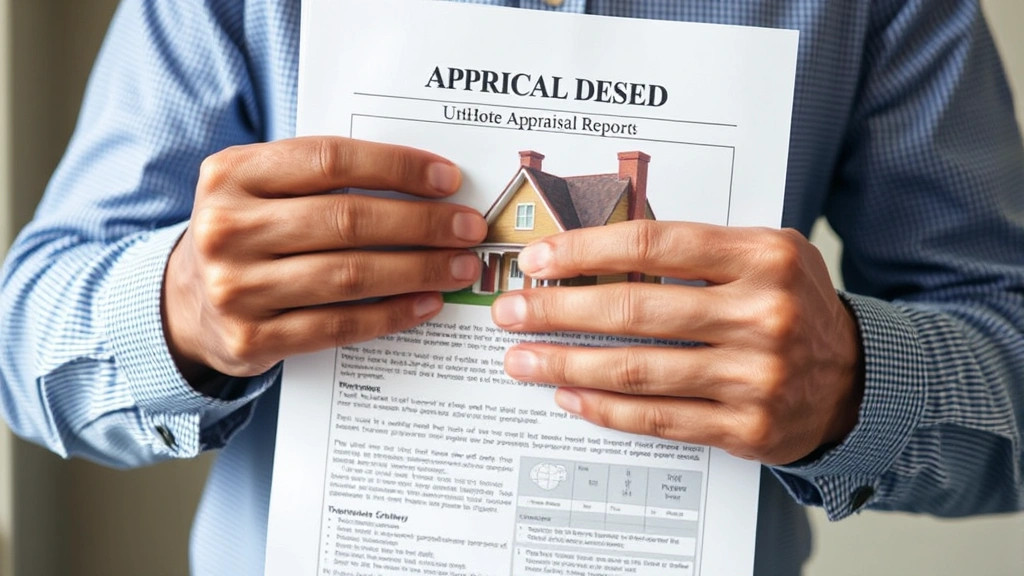
Finally, explore whether your property qualifies for special use valuation. Agricultural property, for example, may be assessed based on agricultural use value rather than development potential, resulting in substantially lower assessments.
Common Assessment Mistakes and How to Spot Them
The Bossier tax assessor’s office handles thousands of properties, and errors happen. Common mistakes include:
- Incorrect square footage: The assessor may overestimate your home’s size. Verify the recorded square footage against your actual measurements or building permits.
- Wrong property characteristics: The records might show a basement you don’t have, extra bathrooms, or a garage that doesn’t exist. These errors directly inflate your assessment.
- Missing exemptions: The assessor’s records might not reflect your homestead exemption status or other qualifying exemptions.
- Outdated comparable sales: If the assessor used outdated comparable sales data, your assessment may not reflect current market conditions.
- Double-counting improvements: Sometimes improvements are recorded twice in the assessor’s records, inflating the value.
Review your assessment notice carefully and compare the property description to your actual property. Request a copy of the assessor’s property record card, which details the characteristics used to calculate your assessment. If you spot errors, document them and include them in any appeal.
Frequently Asked Questions
How often does the Bossier tax assessor reassess properties?
Properties in Bossier Parish are typically reassessed annually. The assessor’s office reviews property values each year to reflect changes in market conditions and property improvements. This is why your assessment can change year to year.
Can I appeal my assessment if I just received the notice?
Yes, but act quickly. Louisiana law provides a specific appeal window, usually 30-45 days from the notice date. Contact the Bossier tax assessor’s office immediately to confirm the deadline for your property. Missing this window can prevent you from appealing for another year.
What documentation do I need for an appeal?
Gather evidence supporting your position: recent appraisals, comparable sales data showing lower values, photographs of property condition, repair estimates, or documentation of any errors in the property record. Professional appraisals carry significant weight in appeals.

Does the homestead exemption apply to rental properties?
No. The homestead exemption only applies to properties you own and occupy as your primary residence. Rental properties and investment real estate don’t qualify for homestead exemptions, though they may qualify for other tax considerations.
What if I disagree with the assessor’s appeal decision?
You can appeal to the Louisiana Board of Tax Appeals or file suit in district court. Many property owners consult with assessment attorneys for significant properties, as the potential savings can justify legal fees. The appeals process can take several months to a year or more.
How do I contact the Bossier tax assessor’s office?
You can visit their office in person, call their main number, or check their website for online services. Most assessor’s offices now offer online property lookup tools where you can view your assessment, download your notice, and sometimes file appeals electronically.
Final Thoughts on Managing Your Bossier Property Taxes
Working with the Bossier tax assessor doesn’t have to be intimidating. Understanding how assessments work, knowing your rights, and taking action when necessary can save you substantial money over the years you own your property. Start by reviewing your current assessment, comparing it to recent sales of similar properties, and determining whether you qualify for exemptions you’re not currently claiming.
If you own property in other areas, similar principles apply. For instance, if you have property in California, understanding California property tax due dates ensures you don’t miss payment deadlines. If you own in San Joaquin County, reviewing San Joaquin property taxes helps you understand regional differences. Even if you’re dealing with a Kern tax collector or properties in Dorchester County property tax situations, the fundamental principles of understanding assessments and filing appeals remain consistent.
Don’t leave money on the table by ignoring your property assessment. Take control of your property tax situation today, and you’ll benefit for years to come. The effort you invest now in understanding the assessment process and your appeal rights can translate into thousands of dollars in tax savings over your ownership period.


