

Brookhaven taxes can take a significant bite out of your income, but understanding how they work puts you in control. Whether you’re a homeowner in this Long Island community or earning income there, knowing the tax landscape means real money stays in your pocket. Let’s break down what you’re actually paying for and how to legally minimize it.
Table of Contents
- Understanding Brookhaven’s Tax Structure
- Property Tax Breakdown Explained
- Income Tax Considerations for Residents
- Homeowner Deductions You’re Missing
- School District Impact on Your Bill
- Tax Relief Programs Available
- Paycheck Optimization Strategies
- Challenging Your Assessment
- Frequently Asked Questions
- Final Thoughts
Understanding Brookhaven’s Tax Structure
Brookhaven, located in Suffolk County on Long Island, has one of New York’s higher tax burdens. Your annual tax bill typically includes property tax, school district taxes, county taxes, and state taxes. The average Brookhaven homeowner pays roughly 1.8-2.1% of their home’s assessed value annually in property taxes alone—significantly higher than the national average of 0.84%.
The reason? Long Island’s robust school systems and municipal services come with a price tag. But here’s the thing: most people overpay because they don’t understand the components or know where to find relief. Your property assessment, for example, is often inflated, and challenging it could lower your bill by thousands.
Property Tax Breakdown Explained
Your Brookhaven property tax bill isn’t one lump sum—it’s layered. You’re paying for town operations, school districts, county services, and special districts (like fire or water). A typical breakdown might look like this: 50-55% goes to schools, 20-25% to town services, 15-20% to the county, and the remainder to special districts.
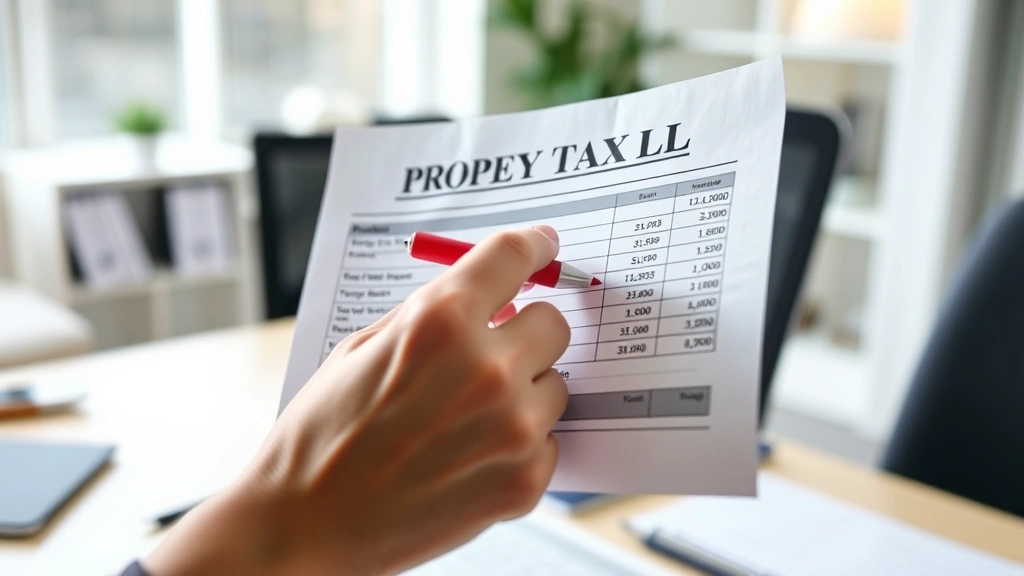
The critical number here is your home’s assessed value. The Town Assessor determines this, and it’s often higher than reality. Many homeowners discover their homes are assessed 10-15% above market value. That’s the first place to look for savings. You can file a Grievance Application each year between specific dates (usually March 1-April 30) to challenge the assessment. It costs nothing, and if you win, your bill drops immediately.
For more detailed insights into optimizing your income in New York, check out Smart NY Paycheck Calculator Hacks to Boost Your Take-Home Pay—understanding your full financial picture matters.
Income Tax Considerations for Residents
If you work in Brookhaven or live there while working elsewhere, you’re juggling multiple tax jurisdictions. New York State has a top income tax rate of 6.85%, and Suffolk County adds another 0.875% for most residents. New York City residents pay an additional 3.876% city tax. Even if you’re not in the city, your combined state and local income tax can exceed 8%.
The key strategy here is maximizing pre-tax deductions. Contributing to a 401(k), HSA, or traditional IRA reduces your taxable income at all three levels (federal, state, and local). A $7,000 HSA contribution, for example, saves you roughly $2,000 across all tax jurisdictions if you’re in the 28% combined bracket.
Explore NYC Paycheck Calculator Secrets Boost Your Take-Home Pay to see how strategic withholding adjustments affect your monthly cash flow.
Homeowner Deductions You’re Missing
Most Brookhaven homeowners leave money on the table because they don’t itemize deductions. Since the 2017 Tax Cuts and Jobs Act raised the standard deduction to $13,850 (single) and $27,700 (married filing jointly) for 2024, many people assume they can’t benefit from itemizing. That’s wrong.
If you own a home in Brookhaven, you likely have enough deductions to itemize. You can deduct mortgage interest (up to $750,000 in mortgage debt), property taxes (up to $10,000 under the SALT cap), state income taxes (also capped at $10,000), and charitable contributions. For a homeowner with a $400,000 mortgage at 6.5% interest, that’s roughly $26,000 in mortgage interest alone, plus $8,000-$12,000 in property taxes. You’re already over the standard deduction.
The SALT cap is crucial here. You can only deduct $10,000 combined in state, local, and property taxes. Many Brookhaven homeowners hit this cap with property taxes alone. The workaround? Some people prepay January property taxes in December to bunch deductions into high-income years, though this strategy has limitations under current IRS guidance.
School District Impact on Your Bill
Here’s what surprises most people: school districts control roughly half your property tax bill, but they operate independently from the town. Brookhaven has multiple school districts (Middle Country, Smithtown, Half Hollow Hills, and others), each with different spending levels and tax rates.

Your school district’s budget directly impacts your bill. A district spending $25,000 per pupil will tax you more heavily than one spending $18,000 per pupil. You can’t avoid this entirely, but you can understand it. Attend school board meetings, review budget documents, and vote on propositions. Some districts offer STAR exemptions (School Tax Relief) for primary residences, which can reduce your bill by $300-$1,500 annually depending on your income and home value.
The STAR exemption has income limits: $250,000 for basic STAR and $500,000 for enhanced STAR (if you’re 65+). If you’re under these thresholds, apply immediately if you haven’t already. It’s free money most people forget about.
Tax Relief Programs Available
New York State offers several relief programs Brookhaven residents overlook. Beyond STAR, there’s the Enhanced STAR for seniors, which can reduce your bill by up to $1,500 if you’re 65+ and meet income requirements. There’s also the Property Tax Freeze Credit for homeowners 65+ who’ve owned their home for 10+ years—it freezes your property tax increase to a specific percentage annually.
The Senior Citizen Homeowners’ Exemption provides a 50% exemption on the assessed value increase (not the full value, just the increase) for qualifying seniors. Combined with STAR, this can be substantial. You must apply annually through the town assessor’s office.
For those with disabilities, the Disabled Persons Exemption offers a 15% exemption on assessed value. Veterans with service-connected disabilities can receive exemptions up to $50,000 of assessed value depending on disability rating.
Don’t overlook the Clergy Exemption if you’re a religious professional, or the Agricultural Exemption if you have qualifying farmland. Each has specific requirements, but they’re worth investigating if applicable.

Paycheck Optimization Strategies
While property tax gets attention, income tax hits your paycheck first. Most Brookhaven workers overpay throughout the year, then get a refund. That’s a free loan to the government. Instead, adjust your withholding to match your actual liability.
Use Smart Paycheck Solutions Secrets to Maximize Your Income to calculate your optimal withholding. If you’re married with both spouses working, or if you have side income, your withholding is likely wrong. The IRS Withholding Estimator (on IRS.gov) helps you dial this in precisely.
Max out tax-advantaged accounts in this order: 401(k) up to the employer match, HSA (highest return on investment), then back to 401(k) up to $23,500 for 2024. Each dollar here reduces your federal, state, and local taxable income. For someone in the 32% combined bracket, $10,000 in HSA contributions saves $3,200 annually.
If you’re self-employed or have side income, establish a Solo 401(k) or SEP-IRA. A Solo 401(k) allows you to contribute up to $69,000 in 2024 (employee + employer portions), dwarfing what you can save in a regular 401(k).
Challenging Your Assessment
This is where real savings happen. The Town of Brookhaven Assessor’s office assesses roughly 100,000 properties. They’re not always accurate. If your home’s assessed value is higher than comparable sales in your neighborhood, you have grounds to challenge it.
Here’s the process: File a Grievance Application with the Town Assessor during the grievance period (typically March 1-April 30, but check your tax bill for exact dates). It’s free. Include comparable sales data—homes similar to yours that sold recently for less. Real estate websites like Zillow, Redfin, or your local MLS provide this data.

The Assessor reviews your application. If they agree, they lower your assessment. If you disagree with their decision, you can appeal to the Assessment Review Board (ARB) in your county. This costs $50-$100 but can be worth thousands if you win. Many people win these appeals because assessments genuinely are inflated.
Bring documentation: recent appraisals, comparable sales, photos showing needed repairs, or evidence of code violations. Assessors respond to data. One homeowner we know reduced her assessment by $45,000 (saving $900+ annually) by showing that her home needed a $35,000 roof replacement—something the assessor hadn’t noted.
Frequently Asked Questions
What’s the average Brookhaven property tax bill?
The average Brookhaven homeowner pays $8,000-$12,000 annually in property taxes, depending on home value and school district. A $500,000 home typically generates a $9,000-$10,500 bill. This is significantly higher than the national average but typical for Long Island.
Can I deduct my Brookhaven property taxes?
Yes, but with limits. You can deduct up to $10,000 in combined state, local, and property taxes (the SALT cap). Most Brookhaven homeowners hit this cap with property taxes alone, meaning additional deductions don’t help unless you itemize and have other deductible expenses like mortgage interest.
Is the STAR exemption automatic?
No. You must apply through the Town Assessor’s office. If you own your primary residence and meet income limits ($250,000 for basic STAR), apply immediately. It’s a one-time application, but you must renew it every few years depending on changes in your situation.
How often can I challenge my assessment?
Annually. You can file a Grievance Application every year during the grievance period. Many people challenge once and stop, but reassessments happen regularly. If your neighborhood declined in value, challenge again. It costs nothing and takes 30 minutes.
What’s the best tax strategy for Brookhaven renters?
Renters don’t pay property tax directly, but they pay income tax. Maximize 401(k) contributions, HSA contributions, and consider a Roth IRA if you qualify. The strategies differ, but the goal—reducing taxable income—remains the same. See Insider Secrets to Maximize Your State of Illinois Paycheck for broader income optimization principles.
Are there any Brookhaven-specific tax breaks?
Not specific to Brookhaven, but Suffolk County and New York State programs apply. The Enhanced STAR, Property Tax Freeze Credit, and Senior Citizen Homeowners’ Exemption are the big ones. Check with the Town Assessor about any local programs you might qualify for.
Final Thoughts
Brookhaven taxes feel inevitable, but they’re not a fixed cost. You have real leverage: challenging your assessment, maximizing deductions, utilizing relief programs, and optimizing your paycheck withholding. Most people do none of these things, which is why they overpay.
Start with the assessment challenge—it’s free and has the highest potential return. Then review your deductions and withholding. If you’re 65+, apply for STAR and the Enhanced STAR immediately. These three moves alone could save you $2,000-$5,000 annually.
Remember, paying taxes is a civic responsibility, but overpaying isn’t. The IRS and the Town of Brookhaven don’t volunteer refunds. You have to claim them. Take action this month, and your next tax bill will reflect the difference.


