

If you own property in Bangalore, understanding Bruhat Bengaluru Mahanagara Palike property tax isn’t optional—it’s essential. The BBMP (Bruhat Bengaluru Mahanagara Palike) is India’s third-largest civic body, and it levies property taxes that fund municipal services you depend on daily. Whether you’re a first-time homeowner, an investor, or someone who’s been paying these taxes for years, this guide will walk you through everything you need to know about BBMP property tax in 2024.
Table of Contents
What Is BBMP Property Tax?
The Bruhat Bengaluru Mahanagara Palike property tax is an annual municipal levy collected from property owners within Bangalore’s jurisdiction. Think of it as your contribution to keeping the city running—funding everything from street maintenance to water supply, waste management, and public health services. Unlike income tax or sales tax, property tax is a direct tax on real estate you own.
The BBMP covers Bangalore’s metropolitan area, and every property owner within this zone is liable to pay property tax. The amount you pay depends on several factors, including your property’s assessed value, its category (residential, commercial, or industrial), and the current tax rate set by the municipal corporation.
What makes BBMP property tax different from other jurisdictions (like Sonoma County Property Tax or Broward Property Tax in the U.S.) is that India’s municipal tax structure is governed by state legislation and local regulations, making it uniquely complex for Bangalore residents.
How BBMP Calculates Your Tax
The calculation isn’t arbitrary—it follows a specific formula. Your BBMP property tax is determined by multiplying your property’s assessed annual value by the applicable tax rate. Here’s the breakdown:
Annual Property Value = (Carpet Area × Rate per Sq. Ft.) × Depreciation Factor
Once the annual value is determined, the tax is calculated as a percentage of this value. The percentage varies based on property type. Residential properties typically have lower rates than commercial or industrial properties, reflecting their different income-generating potential.
The BBMP also considers factors like:
- Location: Properties in prime areas may have higher assessed values
- Age of property: Older properties get depreciation benefits
- Built-up area: Only the carpet area (usable space) is considered, not the total constructed area
- Property classification: Residential, commercial, industrial, or vacant land
Understanding this calculation helps you anticipate your tax liability and plan your finances accordingly—much like how you’d approach smart paycheck savings strategies.
Current Tax Rates & Slabs
As of 2024, BBMP property tax rates are structured in slabs based on your property’s annual value. These rates have been periodically revised, so it’s crucial to check the latest figures from the BBMP’s official website.
For residential properties, the general tax structure looks like this:
- Up to ₹50,000 annual value: 7-8% of assessed value
- ₹50,001 to ₹1,00,000: 8-9% of assessed value
- Above ₹1,00,000: 9-10% of assessed value
Commercial properties face higher rates—typically 12-15% depending on the slab. Industrial properties have their own separate structure, usually ranging from 10-14%.
These rates can change annually based on municipal budget requirements and government directives. The BBMP publishes updated rates in the official gazette, so checking the current year’s notification is essential before calculating your liability.
How to Pay Your BBMP Tax
Gone are the days when you had to visit the BBMP office in person with stacks of documents. Today, you have multiple convenient payment options:
Online Payment: The most convenient method. You can pay directly through the BBMP’s e-governance portal using net banking, credit cards, or debit cards. Most people find this the fastest option.
Mobile Apps: Several third-party apps and the official BBMP portal allow mobile payments. Download the app, enter your property details, and pay instantly.
Bank Transfers: You can deposit payment directly into BBMP’s designated bank accounts. Get the account details from the BBMP website or your property tax bill.
Post Offices: If you prefer traditional methods, authorized post offices accept BBMP property tax payments, though this takes longer.
BBMP Offices: You can still pay at BBMP ward offices or the main office, but expect longer processing times and crowds.
Pro tip: Set up automatic reminders for your payment due date. Most property owners pay annually, but you can also pay in quarterly or half-yearly installments if your local BBMP office permits it.
Using the BBMP Online Portal
The BBMP’s e-governance portal (www.bbmp.gov.in) is your gateway to managing property tax efficiently. Here’s how to navigate it:
Step 1: Create Your Account Register on the portal using your email and create a password. You’ll need this for all future transactions.
Step 2: Search Your Property Enter your property details—ward number, property ID, or address. The system will pull up your property record and assessment details.
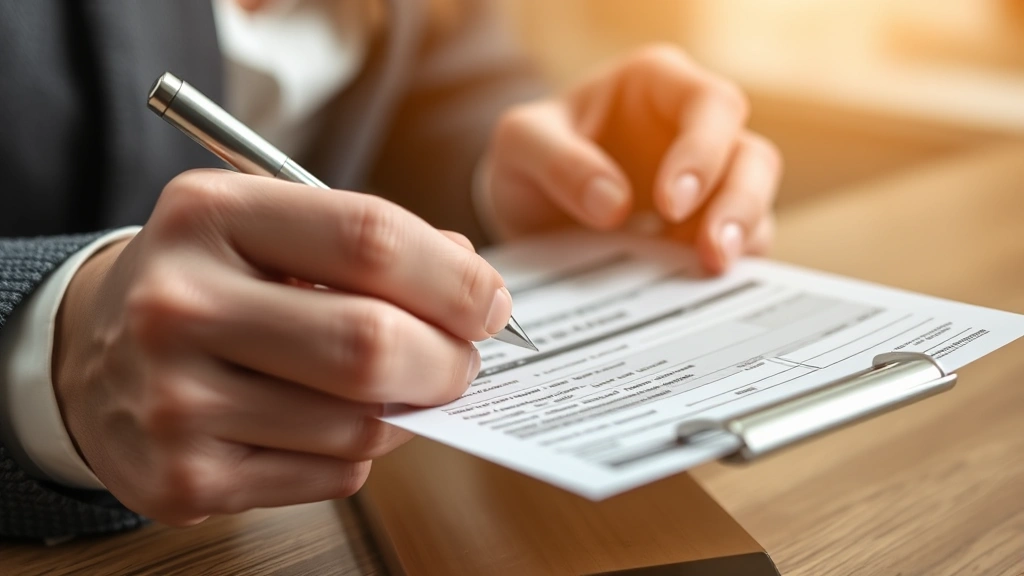
Step 3: View Your Tax Bill Once you find your property, you can view the current year’s tax bill, including the assessed value, applicable rate, and total tax due.
Step 4: Make Payment Click the payment option and choose your preferred method. You’ll receive a confirmation receipt immediately.
Step 5: Download Receipts Keep digital copies of all payment receipts. These are important for property transactions and disputes.
The portal also allows you to file objections to your assessment, check payment history, and view property details. It’s worth spending 15 minutes exploring it—you’ll save hours of bureaucratic hassle later.
Exemptions & Tax Rebates
Not everyone pays the full BBMP property tax. Several categories of properties enjoy exemptions or rebates:
Government Properties: Properties owned by the central or state government are typically exempt from property tax.
Educational Institutions: Schools, colleges, and universities often get exemptions if they’re registered as non-profit organizations.
Religious Structures: Temples, mosques, churches, and other places of worship may qualify for exemptions under specific conditions.
Charitable Organizations: NGOs and charitable trusts registered under the Societies Act may be eligible for exemptions.
Senior Citizen Rebates: Some BBMP zones offer rebates (typically 10-25%) for properties owned by senior citizens (usually 60+ years). The exact percentage varies by ward.
Early Payment Discounts: Paying before the due date can earn you a discount—usually 5-10% if you pay within the stipulated period.

To claim exemptions or rebates, you’ll need to submit supporting documentation to your ward office. This might include registration certificates, age proof, or organizational documents. The process isn’t instant, but it’s worth pursuing if you qualify.
Penalties for Late Payment
Missing your BBMP property tax deadline comes with consequences. The penalty structure is designed to encourage timely payment:
Late Payment Surcharge: Generally, a surcharge of 10-15% is added to your outstanding tax if payment is delayed beyond the due date. This compounds over time, so a ₹10,000 tax can quickly become ₹11,500 with penalties.
Interest on Arrears: If your property tax remains unpaid for extended periods, interest accrues at rates set by the BBMP (typically 12-18% per annum, depending on the zone).
Legal Action: If you ignore notices and don’t pay for several years, the BBMP can initiate legal proceedings. In extreme cases, this can affect property transfers or create liens on your property.
Property Auction Risk: Though rare, prolonged non-payment can theoretically lead to property auction. This is the nuclear option, but it does happen.
The key takeaway: Pay on time. If you’re facing financial hardship, contact your ward office to discuss payment plans or temporary relief options. Many BBMP offices are willing to work with property owners in genuine difficulty.
Property Valuation Methods
Your tax liability hinges entirely on how the BBMP values your property. Understanding the valuation method helps you challenge assessments if they seem unreasonable.
Market Value Method: The BBMP considers recent sales of similar properties in your area to determine market value. This is the most common method for residential properties.
Income Capitalization Method: For rental properties, the BBMP calculates value based on potential rental income. If your property could rent for ₹20,000 monthly, the annual value might be assessed at ₹2,40,000 (or slightly less, depending on capitalization rates).
Cost Method: For newer properties or those without comparable sales, the BBMP might use construction cost minus depreciation.

Comparative Method: The assessor compares your property with similar properties in the same locality that have sold recently.
The BBMP conducts property valuations periodically (usually every 5-10 years), and values are revised based on market conditions. If you believe your property has been overvalued, you have the right to appeal—we’ll cover that next.
Appealing Your Assessment
If you think your property tax assessment is unfair, you’re not stuck with it. The BBMP provides an appeals process:
Step 1: File an Objection Within 30 days of receiving your assessment, file an objection with your ward office. Provide written reasons why you believe the valuation is incorrect. Include supporting documents like recent property appraisals, comparable property sales, or proof of structural damage affecting value.
Step 2: Attend the Hearing The BBMP will schedule a hearing where you can present your case. Bring all relevant documents and be prepared to discuss your property’s condition and market value.
Step 3: Await Decision The BBMP will review your objection and issue a decision. If you’re unhappy, you can escalate to the next level of appeal.
Step 4: Higher Appeals If the ward-level decision is unfavorable, you can appeal to the BBMP Commissioner or file a case in the High Court, though this is expensive and time-consuming.
Pro tip: Keep detailed records of your property—renovation expenses, maintenance costs, and comparable property sales in your area. These documents strengthen your appeal if needed.
Frequently Asked Questions
What happens if I don’t pay my BBMP property tax?
Non-payment triggers a penalty of 10-15% of the outstanding amount, plus interest at 12-18% per annum. After several years of non-payment, the BBMP can initiate legal proceedings or, in extreme cases, auction the property. Additionally, you won’t be able to obtain a no-objection certificate (NOC) for property transfers, making it impossible to sell or mortgage your property.
Can I pay BBMP property tax in installments?
Yes, most BBMP zones allow quarterly or half-yearly payments. Contact your ward office to set up an installment plan. However, the entire amount is technically due by the annual due date, so installments must be completed within the financial year.
How often does the BBMP revise property valuations?
Property valuations are revised periodically, typically every 5-10 years. The exact frequency depends on your ward and when the last revision occurred. The BBMP publishes notices about revisions in the official gazette and on their website.
Are there any exemptions for first-time homeowners?
The BBMP doesn’t offer blanket exemptions for first-time homeowners. However, you may qualify for other exemptions (senior citizen rebates, charitable organization status, etc.) or early payment discounts. Check with your ward office about available benefits.
What documents do I need to pay BBMP property tax?
You need your property tax bill or property ID number. If you’ve lost your bill, you can search your property on the BBMP portal using your address or ward number. No additional documents are required for payment itself, though you may need documents for appeals or exemption claims.
Can I check my BBMP property tax online?
Absolutely. Visit www.bbmp.gov.in, register on the portal, and search your property by address, ward number, or property ID. You’ll see your current assessment, tax due, and payment history. This is the easiest way to stay updated.
What if I disagree with my property’s assessed value?
File an objection with your ward office within 30 days of receiving your assessment. Provide written reasons and supporting documents (recent appraisals, comparable property sales, etc.). Attend the hearing and present your case. If you’re unhappy with the decision, you can escalate to higher authorities or file a court case.
Is BBMP property tax deductible from income tax?
If you own a rental property, property tax paid is deductible as a business expense under Section 24 of the Income Tax Act (India). For owner-occupied properties, property tax is not directly deductible, though it may reduce the capital gains when you sell.
Final Thoughts on BBMP Property Tax
Understanding and managing your Bruhat Bengaluru Mahanagara Palike property tax doesn’t have to be intimidating. The key is staying informed, paying on time, and knowing your rights when it comes to appeals and exemptions. The BBMP’s online portal has made things significantly easier than they used to be, so take advantage of it.
Set calendar reminders for your due dates, keep digital copies of all receipts, and don’t hesitate to contact your ward office if you have questions. If you’re facing financial hardship, reach out early rather than ignoring notices—most BBMP offices are willing to discuss options.
For context on how property taxes work in other jurisdictions, check out resources on Marin Property Tax or Florida Property Tax Reform to understand how different regions approach property taxation. And if you’re looking to optimize your overall financial planning, our guide on smart financial planning tools might help you allocate funds more effectively.
Property ownership is a long-term commitment, and managing your tax obligations is part of that responsibility. Stay compliant, stay informed, and keep your property investment secure.


