

Finding Brunswick County NC tax records is easier than you might think, and understanding how to access them can save you time, money, and headaches. Whether you’re a homeowner checking your property assessment, a real estate investor researching a potential purchase, or someone settling an estate, knowing where to look for these documents is essential. This guide walks you through every method to locate, review, and interpret your tax records in Brunswick County, North Carolina.
Table of Contents
Online Access Methods
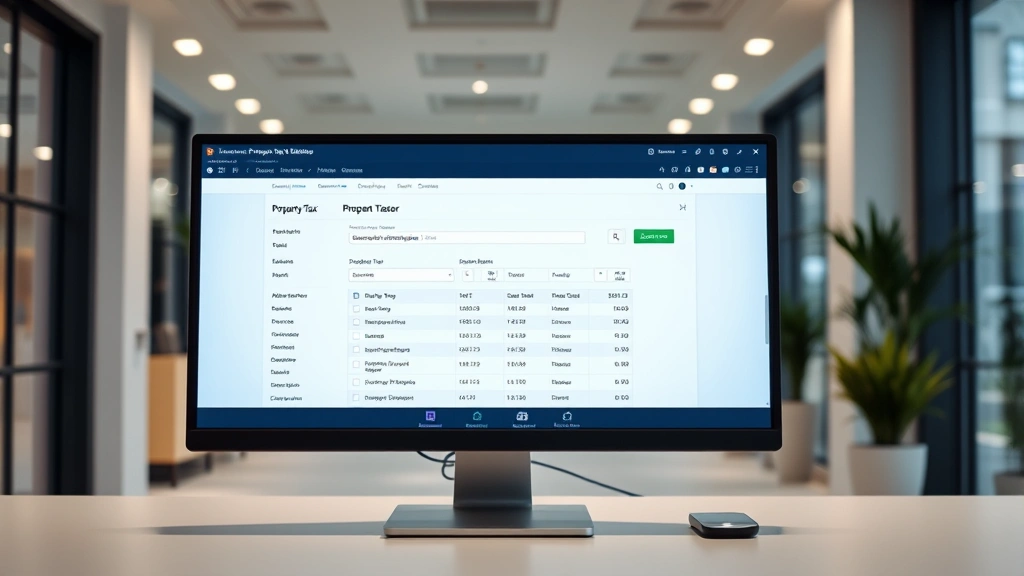
The fastest way to find Brunswick County NC tax records is through online databases. North Carolina maintains a centralized system where most county records are digitized and searchable. You can visit the Brunswick County Register of Deeds website or use the statewide property search portal to locate your property information, assessment values, and tax history.
Start by visiting the official Brunswick County government website and looking for the property assessment or tax records section. Most counties now offer free searches by property address, parcel number, or owner name. The online system typically shows you the current assessed value, recent sales history, and tax payment status. This method takes just minutes and requires no phone calls or office visits.
Many North Carolina counties also partner with third-party property data websites. While these aren’t official government sources, they aggregate public records and make them searchable. Sites like Zillow, Redfin, and county-specific portals often display tax information alongside property details. However, always verify critical information directly with the official county assessor’s office.
Understanding Property Tax Basics
Before diving into Brunswick County records, it helps to understand how property taxes work in North Carolina. Property taxes fund schools, roads, emergency services, and local government operations. Your annual tax bill is calculated by multiplying your property’s assessed value by the local tax rate (called the “millage rate”).
North Carolina reassesses properties every four years, though market changes can trigger adjustments sooner. The assessed value isn’t necessarily what your home would sell for—it’s the county assessor’s estimate of fair market value for tax purposes. This is why homeowners sometimes see their assessments jump significantly after a revaluation cycle.
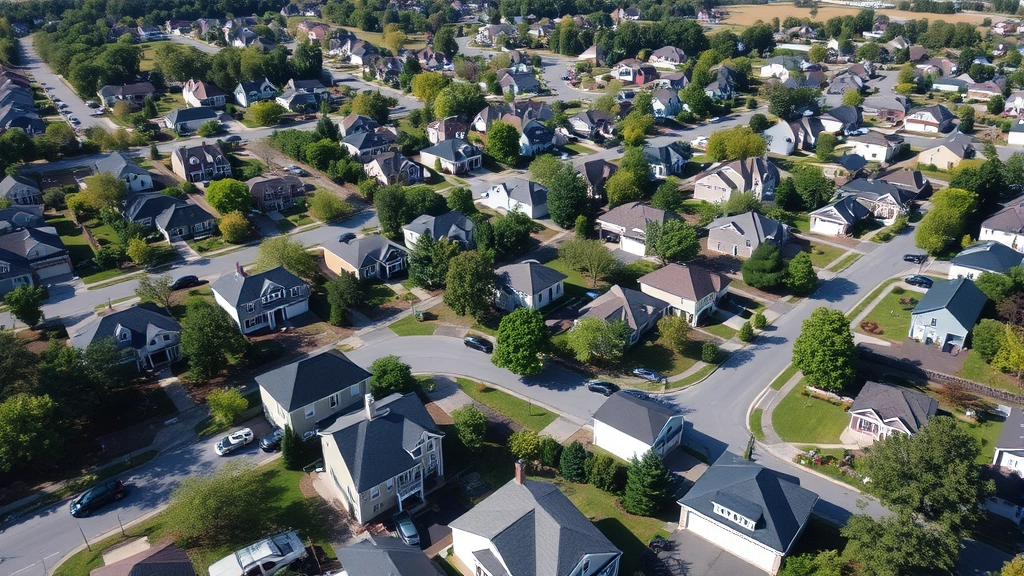
Brunswick County’s tax rate varies by municipality and special districts. A property in one town might have a different rate than an identical property five miles away, depending on local funding needs. Understanding this helps explain why your tax bill might differ from your neighbor’s, even for similar homes.
Brunswick County Assessor’s Office
The Brunswick County Tax Assessor’s Office is your primary source for official property assessment information. This department maintains detailed records on every parcel in the county, including property descriptions, improvements, land value, and assessed values. They’re also responsible for the revaluation process and handling assessment appeals.
Contact the assessor’s office directly for the most accurate and current information. Staff members can explain how your property was valued, answer questions about assessment methodology, and provide copies of official assessment documents. They can also discuss whether your property qualifies for tax exemptions or deferrals—programs that might reduce your tax burden.
The assessor’s office is typically located in the Brunswick County courthouse or administrative building. Call ahead for hours and to confirm they have the specific records you need. Many offices now accept requests via email or online forms, making it convenient to get information without visiting in person.
Accessing Records In Person
If you prefer handling records face-to-face, visiting the assessor’s office in person gives you direct access to detailed property files. Bring your property address or parcel number to speed up the process. Staff can show you the property record card, which displays the complete assessment breakdown including land value, building value, and any adjustments.

The Register of Deeds office (a separate department) maintains deed records, mortgage documents, and other legal filings related to property ownership. This is where you’ll find the official chain of title showing who owned the property and when transfers occurred. These records are crucial for real estate transactions, estate settlements, and historical property research.
Both offices typically charge modest fees for copies—usually a few dollars per page. Bring cash or a check, as not all county offices accept credit cards. Plan to spend 30 minutes to an hour if you need to review multiple documents or have questions about what you’re looking at.
Real Estate Transaction Records
If you’re researching a property for purchase or investment, Brunswick County’s deed records reveal crucial transaction history. You can see what previous owners paid, how long they held the property, and whether there were any liens or encumbrances. This information helps you understand the property’s market history and identify potential red flags.
The Register of Deeds database shows all recorded documents affecting a property. Beyond purchase deeds, you’ll find mortgages, liens from contractors or creditors, homeowner association restrictions, and easements. These documents matter because they affect your rights and responsibilities as a property owner.
For real estate investors, this research is invaluable. You can identify properties that have been on the market repeatedly, spot tax lien sales, and track appreciation patterns. Many investors use this data to identify undervalued properties or neighborhoods with strong growth potential. The property tax records from similar counties can also provide benchmarking data.

Delinquent Tax Information
Brunswick County publishes lists of properties with unpaid taxes. These delinquent tax records are public information and can be found through the Tax Collector’s office or online databases. Properties with unpaid taxes can face liens, foreclosure, or sale at tax auctions.
If you own property in Brunswick County, monitoring your tax payment status is critical. Missing even one payment can trigger penalties and interest charges. The county typically sends notices before taking enforcement action, but relying on notices isn’t wise—set up payment reminders or automatic payments instead.
For investors, delinquent tax lists represent potential acquisition opportunities. Properties sold at tax auctions can be significantly cheaper than market value. However, tax sales come with risks: you may have limited inspection access, the property might have environmental issues, or there could be other liens you’re responsible for. Consult a real estate attorney before pursuing tax sale properties.
Reading Your Tax Documents
Your property assessment record contains several key sections. The property identification shows the address, parcel number, and owner information. The property description details the land size, building square footage, number of rooms, and construction quality. The value breakdown separates land value from improvement value—important because only improvements depreciate for tax purposes.
The assessment history shows how your property’s value has changed over time. If you see a dramatic jump, it likely reflects a revaluation cycle. Compare your assessed value to recent sales of similar properties in your area. If your assessment seems high relative to comparable sales, you have grounds for an appeal.

Tax bills also show your millage rate, which is the amount of tax per $1,000 of assessed value. A property assessed at $300,000 with a 0.75 millage rate would owe $225 in annual taxes (simplified example—actual calculations include various adjustments). Understanding this calculation helps you see exactly where your tax dollars go.
Challenging Your Assessment
If you believe your property assessment is unfair, North Carolina law allows you to appeal. The process typically starts with an informal meeting with the assessor’s office—they may reconsider their valuation based on your evidence. Bring comparable sales data, documentation of property defects, or photos showing condition issues.
If informal resolution fails, you can file a formal appeal with the Brunswick County Board of Equalization. This board reviews disputed assessments and has authority to adjust values. You’ll need to present evidence supporting your position—comparable sales, professional appraisals, or documentation of property damage or deferred maintenance.
Appeals must typically be filed within a specific timeframe after receiving your assessment notice, usually 30-60 days. Missing the deadline forfeits your right to appeal that year. Keep copies of all notices and documents, and consider consulting a property tax professional if your assessment is significantly higher than comparable properties. Many counties offer tax advocate services to help navigate disputes.
Frequently Asked Questions
How often does Brunswick County reassess properties?
North Carolina requires countywide property revaluations every four years. However, assessors can adjust individual properties more frequently if there are significant changes like additions, demolitions, or major improvements. The county typically notifies property owners before implementing new assessed values.
Can I access someone else’s tax records?
Yes, property tax records are public documents in North Carolina. You can look up anyone’s property assessment, though some personal information (like phone numbers) may be redacted. This transparency helps ensure fair and consistent assessment across the county.
What’s the difference between assessed value and market value?
Assessed value is what the county estimates your property is worth for tax purposes. Market value is what it would actually sell for. These often differ because assessments don’t account for individual property conditions, recent upgrades, or specific buyer preferences. Assessed values are typically more conservative than actual market values.
Are there property tax exemptions in Brunswick County?
Yes, North Carolina offers several exemptions including those for homeowners age 65+, disabled veterans, and agricultural properties. You must apply through the assessor’s office to receive these exemptions. Some exemptions are automatic upon application, while others require annual renewal.
How do I pay my Brunswick County property taxes?
Property taxes are typically billed by the Tax Collector’s office. You can usually pay online through the county website, by mail, in person, or through automatic bank payments. Setting up automatic payments eliminates the risk of missing deadlines and incurring penalties.
What happens if I don’t pay my property taxes?
Unpaid property taxes accumulate penalties and interest. The county can place a lien on your property, preventing you from selling or refinancing. Eventually, the property can be sold at a tax auction to recover the unpaid amount. Avoiding this situation is critical—contact the Tax Collector immediately if you’re having payment difficulties.
Taking Control of Your Tax Records
Accessing and understanding Brunswick County NC tax records empowers you to make informed decisions about property ownership, investment, and tax planning. Whether you’re verifying your assessment, researching a potential purchase, or settling an estate, these records provide the foundation for smart financial decisions.
Start with online access for quick information, then dive deeper with official county records if needed. Don’t hesitate to contact the assessor’s or Register of Deeds office with questions—staff members are accustomed to helping property owners navigate these systems. If your assessment seems unfair, pursue an appeal rather than accepting a potentially inflated value. Taking 30 minutes to understand your tax records could save you hundreds or thousands of dollars over time.
For additional context on property tax strategies, review information about personal property tax considerations and county-specific tax planning approaches. Every county has unique rules, so staying informed about your local system is essential.


