
If you own property in Carver County, Minnesota, you’ve probably stared at that property tax bill and wondered: “Why is this so high? What am I actually paying for? And is there any way to reduce it?” You’re not alone. Property taxes are one of the largest expenses homeowners face, and understanding how Carver County property tax works is the first step toward keeping more money in your pocket.
The reality is that most homeowners don’t fully understand their property tax bills. They see a number, they pay it, and they move on. But here’s the thing: Carver County property tax operates under specific rules and rates that directly affect your bottom line. And unlike federal income tax, where you might get a refund, property tax is a “use it or lose it” expense. That means understanding the system isn’t just smart—it’s essential.
In this guide, I’m going to walk you through everything you need to know about Carver County property tax: how it’s calculated, what you’re paying for, how it compares to other Minnesota counties, and most importantly, what legitimate strategies can help you reduce your tax burden. Whether you’re a first-time homebuyer, a longtime resident, or someone considering a move to Carver County, this information will help you make smarter financial decisions.
How Carver County Property Tax Is Calculated
Let’s start with the fundamentals. Property tax isn’t a mystery—it’s actually pretty straightforward once you break it down. Here’s the basic formula:
Property Tax = Assessed Value × Tax Rate
But here’s where it gets interesting: that assessed value isn’t necessarily what you paid for your home or what it might sell for today. The Carver County Assessor determines the assessed value, which is supposed to represent market value as of January 2 each year. This assessment is then multiplied by the local tax rate to calculate your bill.
Think of it like this: imagine your home’s market value is $400,000. The county assesses it at that value. Then, if the Carver County property tax rate is 0.85% (this varies year to year), you’d owe approximately $3,400 annually. But—and this is crucial—that rate includes contributions to schools, county services, townships, and special districts. You’re not paying one entity; you’re funding multiple layers of local government with a single payment.
The assessed value is determined through a systematic process. County assessors use comparable sales data, property characteristics (size, age, condition), and market trends to estimate what your property would sell for. If you bought your home recently, the purchase price heavily influences the assessment. If you’ve owned it for years, the assessment is based on market analysis, not your original purchase price.
One critical detail: Minnesota uses a concept called “class rates” for property taxation. Different types of property are taxed at different rates. Your primary residence (homestead property) gets preferential treatment compared to rental properties or commercial property. This is why understanding which classification applies to your property matters.
Property Tax Rates and Breakdown
Carver County property tax rates fluctuate annually. As of recent years, the effective property tax rate in Carver County hovers around 0.80–0.90% of assessed value for homestead properties, though this varies significantly depending on your specific township and school district. To find your exact rate, you’ll want to check the Carver County official website or contact the Assessor’s Office directly.
Here’s what makes this complicated: your property tax bill isn’t one line item. It’s a collection of charges from different entities:
- School District Levy – Usually the largest portion (40–50% of your bill)
- County Services Levy – Roads, courts, public health, social services
- Township Services Levy – Local roads, maintenance, administration
- Special Assessment Districts – Parks, libraries, or utility improvements (if applicable)
- Soil and Water Conservation District – Environmental management
When you receive your property tax statement, it should itemize all these components. If it doesn’t, request a detailed breakdown from the Carver County Assessor. Understanding where your money goes helps you identify which entities to contact if you want to appeal or understand increases year-to-year.
School funding is typically the biggest piece of your Carver County property tax bill. Minnesota funds schools heavily through property taxes, which is why homeowners in districts with higher per-pupil spending often see larger bills. If you’re moving between school districts within Carver County, this could be a significant factor in your overall tax burden.
Homestead Exemption and Exemptions
Here’s where things get favorable for homeowners: Minnesota offers a homestead property tax exemption. If your property qualifies as your primary residence, you get a break on your taxes. This exemption reduces the taxable value of your home, which directly lowers your bill.
To qualify for the homestead exemption in Carver County, you must:
- Own the property (or be buying it with a mortgage)
- Live there as your primary residence for at least 12 months per year
- File for the exemption with the Carver County Assessor
The exemption amount varies but typically reduces your taxable value by a percentage, which translates to meaningful savings. If you own a rental property or a vacation home in Carver County, you don’t get this benefit—those properties are taxed at a higher rate (non-homestead rate).
Beyond the homestead exemption, other exemptions may apply depending on your situation:
- Disabled Person Exemption – If you or a family member qualifies
- Senior Citizen Exemption – For those 65 and older (income limits apply)
- Agricultural Exemption – If your property qualifies as agricultural land
- Disabled Veteran Exemption – For qualifying veterans
If you think you might qualify for any of these, contact the Carver County Assessor’s Office. Many homeowners leave money on the table simply because they don’t know these exemptions exist. It’s worth a phone call.
One more thing: if you’re renting out part of your home (like an accessory dwelling unit or a basement apartment), you may lose the full homestead exemption on that portion. This is why rental property owners need to understand the classification system. The portion you live in might qualify for homestead treatment, but the rental portion gets taxed as non-homestead property at a higher rate.
Assessment and Appeals Process
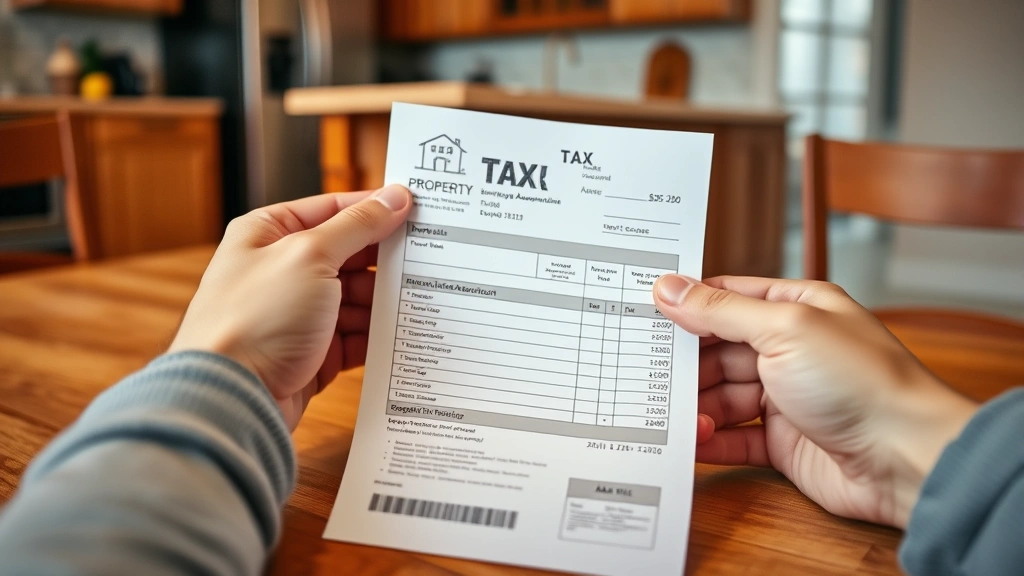
Here’s a truth that surprises many people: your property’s assessed value might be wrong. It happens more often than you’d think. If you believe your home is overassessed, you have the right to appeal.
The appeal process in Carver County follows these steps:
- Review Your Assessment – Get a copy from the Assessor’s Office or their website
- Gather Evidence – Recent appraisals, comparable sales in your area, or photos showing property condition issues
- File a Formal Objection – Submit before the deadline (typically early May, but check current deadlines)
- Attend Valuation Hearing – Present your case to the Board of Review
- Appeal to County – If unsatisfied, you can escalate to the county level
What makes a successful appeal? Evidence. If your home needs a new roof, has foundation issues, or is in poor condition compared to similar homes, document it. If comparable homes in your neighborhood recently sold for less than your assessed value, bring those sales data. The Board of Review wants to see facts, not emotions.
Pro tip: You don’t need a lawyer to appeal your assessment, though some people hire one. Many successful appeals are filed by homeowners who simply present solid evidence that their assessment is inaccurate.
One important note: appealing your assessment doesn’t guarantee a reduction. The Board of Review will evaluate your evidence against the Assessor’s methodology. But if you have legitimate evidence of overvaluation, it’s worth the effort. Even a 5% reduction in assessed value saves you money every single year.
Smart Strategies to Reduce Your Tax Bill
Now for the practical stuff—ways to actually reduce what you owe.
1. Ensure You’re Claiming All Available Exemptions
This is the easiest win. If you’re 65 or older, disabled, a disabled veteran, or own agricultural property, make sure you’ve filed the appropriate exemption. Call the Carver County Assessor and ask: “What exemptions might I qualify for?” Many people leave thousands in savings on the table.
2. Challenge an Inflated Assessment
If you believe your home is overvalued, appeal it. Gather evidence: recent appraisals, comparable sales, property condition photos. The cost is minimal, and a successful appeal pays dividends for years.
3. Make Energy-Efficient Improvements
Minnesota offers property tax credits for certain energy-efficient improvements (solar panels, geothermal systems, etc.). These don’t reduce your assessed value, but they do reduce your actual tax bill through a credit. Check the IRS website for current energy credit details and whether Minnesota offers additional state-level credits.
4. Monitor Your Assessed Value Year-to-Year
If your assessment jumps significantly from one year to the next without obvious reason (like major home improvements), that’s a red flag. Large unexplained increases warrant investigation. Sometimes assessors make mistakes. Catching them early saves you money.
5. Understand the Homestead vs. Non-Homestead Distinction
If you own multiple properties in Carver County, make sure only your primary residence is classified as homestead. Non-homestead properties are taxed at higher rates. If the assessor has misclassified your primary residence, correct it immediately.
Pro Tip: Keep your property in good condition. While this doesn’t directly reduce taxes, it can prevent assessors from marking down your property’s condition, which could increase your valuation. A well-maintained home is less likely to be reassessed upward due to deterioration.
6. Consider the Long-Term Impact of Major Renovations
Here’s a tough reality: major home improvements (new kitchen, bathroom remodel, addition) will likely increase your assessed value and, therefore, your property taxes. This doesn’t mean you shouldn’t do them—just factor the long-term tax impact into your decision. A $50,000 renovation might increase your annual property taxes by $300–500 indefinitely.
7. Leverage Rental Property Deductions (If Applicable)
If you own rental property in Carver County, you can’t reduce the property tax itself (it’s assessed at non-homestead rates), but you can deduct property taxes as a business expense on your federal return. This is different from property tax reduction, but it’s a valuable tax planning tool. For details on rental property deductions, see our guide on rental property tax deductions.
How Carver County Compares
If you’re considering moving to Carver County or wondering how your taxes stack up, it’s helpful to know how the county compares to neighboring areas.
Carver County is a suburban county in the Minneapolis-St. Paul metro area, and its property tax rates are generally moderate compared to other Minnesota counties. However, rates vary significantly by school district and township. Some school districts in Carver County have higher levies than others, which directly impacts your bill.
For comparison, you might look at Snohomish County property tax (in Washington) or Marin County property tax (in California) to see how different states and regions handle property taxation. Minnesota’s approach is generally considered moderate compared to high-tax states like California.
Within Minnesota, Carver County’s rates are competitive. Counties with large urban centers or high-spending school districts tend to have higher rates. Rural counties sometimes have lower rates but may have fewer services. Carver County strikes a balance—it’s developed enough to have good schools and infrastructure but not so densely populated as to drive rates to the highest levels in the state.
If you’re relocating to Carver County from another state, be aware that Minnesota property taxes are higher than some states (like Texas or Florida) but lower than others (like New Jersey or Illinois). Factor this into your long-term financial planning.
Payment Deadlines and Timeline
Missing a property tax payment deadline can result in penalties, interest, and even foreclosure in extreme cases. Here’s what you need to know:
- Tax Year – Property taxes are assessed as of January 2 each year
- Notices Mailed – Typically in December of the prior year
- First Half Due – Usually May 15 (or the next business day)
- Second Half Due – Usually November 15 (or the next business day)
- Late Penalty – Typically 8% of unpaid amount if late
- Interest – Accrues monthly on unpaid balances
If you pay through your mortgage lender (via escrow), the lender handles these deadlines. But if you pay directly, mark these dates on your calendar. Many county websites allow online payment, which can be convenient and provides confirmation of payment.
If you’re facing financial hardship and can’t pay your property taxes, contact the Carver County Treasurer’s Office immediately. They may offer payment plans or direct you to assistance programs. Ignoring the bill only makes things worse.
For context on payment timing in other areas, check out when property taxes are due in California to see how different states structure their timelines.
Frequently Asked Questions
What is the current property tax rate in Carver County?
– The effective property tax rate in Carver County for homestead properties typically ranges from 0.80–0.90% of assessed value, though this varies by township and school district. Check the Carver County Assessor’s website or call their office for the most current rates for your specific location.
Can I deduct Carver County property taxes on my federal return?
– Yes, you can deduct property taxes as part of the State and Local Taxes (SALT) deduction, but there’s a $10,000 annual cap. This means if your property taxes, state income taxes, and local sales taxes combined exceed $10,000, you can only deduct up to $10,000. For details, consult the IRS guidance on SALT deductions.
How often is property assessed in Carver County?
– Properties are assessed annually as of January 2. However, full reassessments (where the county revalues all properties) happen periodically. Even in non-reassessment years, your assessment can change if you make improvements or if market conditions shift significantly.
What happens if I disagree with my assessed value?
– You can file a formal objection with the Board of Review by the deadline (typically early May). Bring evidence: recent appraisals, comparable sales data, or photos showing property condition issues. If unsatisfied with the Board’s decision, you can appeal to the county assessor or pursue further legal action.
Do I pay property taxes if I own a home free and clear?
– Yes. Property taxes are owed regardless of whether you have a mortgage. If you pay through a mortgage lender’s escrow account, the lender handles it. If not, you pay directly to the county. Property ownership and property taxes are separate obligations.
Are there senior citizen property tax breaks in Carver County?
– Yes. Minnesota offers a homestead property tax exemption for seniors (age 65+) with income limits. The exemption amount varies. Contact the Carver County Assessor to see if you qualify and how to apply.
How do I know if my home is classified as homestead or non-homestead?
– Check your property tax statement—it should indicate the classification. If you live in the home as your primary residence and haven’t applied for the homestead exemption, contact the Assessor’s Office immediately. You may be paying non-homestead rates unnecessarily.
Can I appeal my assessment more than once?
– You can appeal to the Board of Review annually if your assessment changes. However, you can’t appeal the same assessed value twice in the same year. If you appealed and were denied, you’d need to wait for a new assessment (or a significant change) to appeal again.
What if I can’t afford my property taxes?
– Contact the Carver County Treasurer’s Office to discuss payment plans. Minnesota also offers property tax refunds for low-income homeowners and seniors. Visit the Minnesota state website to explore assistance programs you might qualify for.
Do churches and nonprofits pay property taxes in Carver County?
– Generally, no. Religious organizations and qualified nonprofits are exempt from property taxes. However, exemption requirements are specific. For more details, see our guide on whether churches pay property taxes.