Understanding Carver County property taxes is one of the smartest moves you can make as a homeowner or property investor in Minnesota. Property taxes fund essential services—schools, roads, emergency services—but that doesn’t mean you shouldn’t know how to minimize what you owe or challenge an unfair assessment. This guide walks you through everything you need to know about Carver County property taxes, from how they’re calculated to legitimate strategies that could save you thousands.
Table of Contents
How Property Taxes Are Calculated
Property taxes aren’t some mysterious number pulled from thin air. They follow a straightforward formula: Assessed Value × Tax Rate = Property Tax Owed. But here’s where it gets interesting for Carver County property owners.
First, the county assessor determines your property’s market value through comparable sales analysis, income approach (for rental properties), or cost approach (for newer homes). This assessed value is then multiplied by the local tax rate, which includes contributions to schools, county services, city services, and special districts like fire protection.
In Minnesota, property is classified into different categories—homestead, non-homestead, agricultural, and commercial. Each category has its own assessment ratio. For example, homestead properties are assessed at a lower percentage of market value than commercial properties. This is why understanding your property’s classification matters; if you’re misclassified, you could be overpaying significantly.
Carver County Tax Rates
Carver County’s property tax rates fluctuate annually based on local government budgets and state funding levels. As of recent years, Carver County’s effective tax rate hovers around 0.85–0.95% of assessed value, though this varies by municipality within the county.
Here’s the reality: Carver County is one of Minnesota’s more affluent suburban areas, and property values reflect that. Higher property values mean higher tax bills in absolute dollars, even if the rate percentage is competitive. A $400,000 home in Chaska or Chanhaska will generate a substantially larger tax bill than the same-valued home in a rural Minnesota county.
To find your exact tax rate, visit the Carver County Assessor’s Office website or contact your city/township directly. Rates are typically published in late fall for the following year’s taxes, which are payable the following year.
Understanding the Assessment Process
The assessment process in Carver County happens annually, though not every property is physically inspected every year. Assessors use computer-assisted mass appraisal (CAMA) systems that analyze recent sales, property characteristics, and market trends to estimate values.
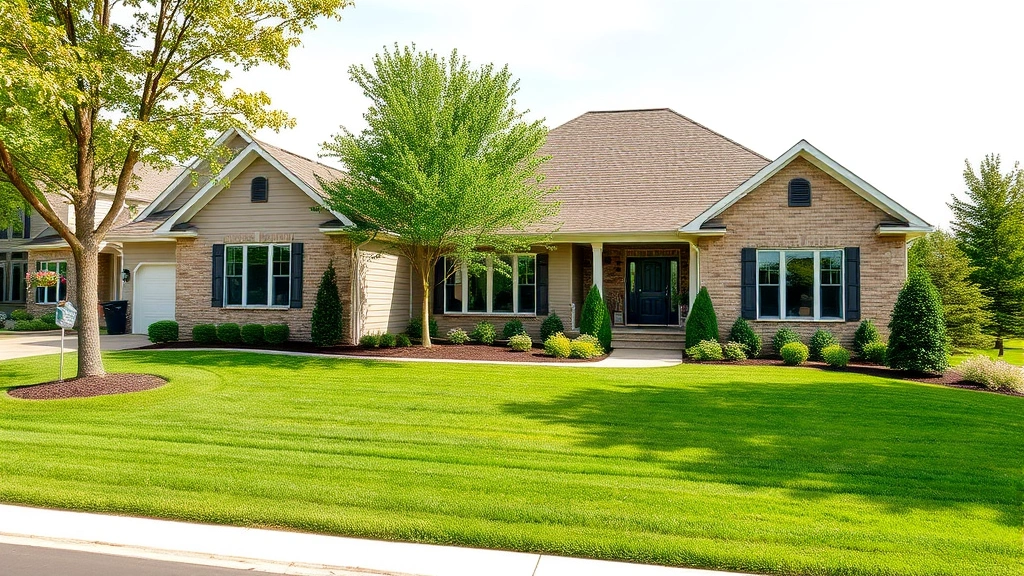
Your property gets a full inspection every 4–6 years, depending on the municipality. Between inspections, values are updated using statistical models. This is why you might see your assessment jump significantly one year—the assessor may have finally visited your property and discovered improvements you made (like a deck or finished basement) that weren’t previously recorded.
The assessment notice arrives in early spring. This is your wake-up call. Many homeowners glance at the number, groan, and move on. Big mistake. This is when you have the power to challenge the assessment if you believe it’s inaccurate. The window to file a formal appeal is typically 30 days from the notice date.
Homestead Exemptions & Credits
Minnesota offers several tax relief programs that Carver County residents should absolutely understand. The homestead property tax exemption is the big one—it reduces the assessed value of your primary residence, lowering your tax bill automatically.
To qualify, you must own and occupy the property as your primary residence on January 2 of the assessment year. The exemption amount varies but generally provides meaningful relief, especially for lower-valued homes. It’s applied automatically if you’ve claimed homestead status; you don’t need to do anything special.
Beyond the basic exemption, Minnesota offers additional credits for low-income homeowners, disabled veterans, and surviving spouses of veterans. If you’re over 65 and meet income limits, you might qualify for the property tax deferral program, which lets you defer taxes until your estate is settled.
There’s also the homestead property tax credit, which provides a rebate if your property taxes exceed a certain percentage of household income. This is income-tested, but it can be substantial for middle-income families. Check with the Minnesota Department of Revenue to see if you qualify.
How to Appeal Your Assessment
Believe it or not, appealing your assessment is one of the most underused money-saving tools available. Many homeowners pay inflated taxes for years simply because they never challenged the number.

The process in Carver County typically involves two steps:
Step 1: Administrative Appeal File a written appeal with your city or township assessor within 30 days of receiving your assessment notice. You don’t need a lawyer. Simply explain why you believe the assessment is too high—cite comparable sales of similar homes in your neighborhood, document any property defects or needed repairs, or provide evidence of recent market downturns.
Step 2: County Board of Review If the assessor denies your appeal or you’re unsatisfied, you can appeal to the County Board of Review. This is a more formal process with a hearing, but it’s still accessible to non-lawyers. Bring documentation: comparable sales printouts, photos of property conditions, appraisal reports, or anything supporting your case.
Success rates for appeals vary, but even a 5–10% reduction in assessed value can save you $500–$1,500 annually on a $400,000 property. That’s real money. For comparison, check how other Minnesota counties handle appeals—like Crow Wing County property tax processes or Cass County MN property tax procedures to understand regional variations.
Money-Saving Strategies
1. Document Property Defects If your roof is aging, foundation has cracks, or plumbing needs work, photograph and document everything. These reduce your property’s market value and justify a lower assessment. Bring this evidence to your appeal.
2. Monitor Comparable Sales Track recent sales of similar homes in your neighborhood. If homes comparable to yours sold for less than your assessed value, you have ammunition for an appeal. Real estate websites like Zillow and Redfin provide this data.
3. Verify Property Records Assessors sometimes make mistakes—wrong square footage, phantom improvements, incorrect lot size. Request a copy of your property record card from the assessor and verify every detail. One client discovered their home was listed as 400 square feet larger than actual; the correction lowered their assessment by $30,000.

4. Claim All Applicable Credits Beyond homestead exemptions, check if you qualify for veteran’s credits, disabled person exemptions, or agricultural exemptions. Many people leave money on the table by not applying.
5. Time Your Home Improvements Strategically Major renovations increase assessed value. If possible, complete significant work after the January 2 assessment date to delay the value increase by a year. This isn’t dodging taxes—it’s smart planning.
6. Consider Your Classification Verify your property is classified correctly. If you rent out a portion of your home and it’s classified as non-homestead instead of homestead, you’re paying higher rates. Reclassification could save thousands.
Comparing Carver to Other Minnesota Counties
Carver County’s tax burden is moderate compared to other Minnesota metro suburbs, but higher than rural counties. If you’re considering relocating within Minnesota, this matters.
For context, Crow Wing County property tax rates are typically lower than Carver County, reflecting lower property values and less developed infrastructure. Similarly, Cass County MN property tax tends to be lower in absolute terms. However, you’re trading lower taxes for potentially longer commutes and fewer amenities.
Hennepin County (Minneapolis) and Ramsey County (St. Paul) have comparable rates to Carver County, while rural counties like Todd or Otter Tail offer lower rates but limited job markets. The decision isn’t purely financial—it’s about lifestyle and opportunity costs too.
Common Mistakes to Avoid
Mistake 1: Ignoring Assessment Notices These aren’t junk mail. Missing the appeal deadline costs you a year of overpayment with no recourse.

Mistake 2: Assuming the Assessment Is Correct Assessors are human. Errors happen. Challenge questionable assessments; it’s your right.
Mistake 3: Not Tracking Market Changes If the housing market declines but your assessment doesn’t, you’re overpaying. Appeal based on current market conditions.
Mistake 4: Forgetting About Tax Credits Many homeowners qualify for credits they never claim. Check annually—eligibility changes as income and age change.
Mistake 5: Paying Without Understanding the Bill Your tax bill includes school taxes, city taxes, county taxes, and special assessments. Understanding the breakdown helps you see where your money goes and which taxing authorities to contact with concerns.
Frequently Asked Questions
What is the average property tax in Carver County?
The average effective tax rate in Carver County is approximately 0.85–0.95% of assessed value. For a median home valued around $350,000–$400,000, expect annual taxes in the $3,000–$4,200 range, though this varies significantly by city and recent assessments.
How often does Carver County reassess properties?
Properties receive a full physical inspection every 4–6 years, depending on the municipality. Between inspections, assessments are updated using statistical models based on recent sales and market data.
Can I appeal my property tax assessment in Carver County?
Yes, absolutely. You have 30 days from receiving your assessment notice to file an administrative appeal with your city or township assessor. If denied, you can appeal to the County Board of Review within 30 days of that decision.

What qualifies me for homestead exemption in Minnesota?
You must own and occupy the property as your primary residence on January 2 of the assessment year. The exemption is applied automatically; no application needed. However, verify your homestead status is properly recorded with the assessor.
Are there tax breaks for seniors in Carver County?
Yes. Homeowners 65 and older may qualify for the homestead property tax credit (income-tested) or the property tax deferral program. Contact the Minnesota Department of Revenue or your local assessor for current income limits and requirements.
How do I find comparable sales for my property?
Use Zillow, Redfin, or the Carver County Assessor’s website to research recent sales of similar homes in your neighborhood. Real estate agents also provide free comparable market analysis (CMA) reports. Focus on sales within the last 6–12 months of similar square footage, age, and condition.
What if I disagree with the County Board of Review decision?
You can appeal to Minnesota Tax Court, but this requires legal representation and is typically pursued only for significant discrepancies. Consult a tax attorney if the amount in dispute justifies the legal costs.
Do property taxes ever decrease?
Yes, though less commonly than increases. Market downturns, property deterioration, or reassessment errors can result in lower assessments. You must appeal to trigger a decrease; they don’t happen automatically.
Conclusion
Carver County property taxes are a reality of homeownership in this thriving Minnesota community, but they’re not a fixed cost you must simply accept. By understanding how assessments work, staying alert to appeal deadlines, documenting property conditions, and claiming every credit you qualify for, you can meaningfully reduce your tax burden. The average homeowner leaves hundreds or thousands of dollars on the table annually by not engaging with this process. Don’t be that homeowner. Take action, ask questions, and remember—the assessor works for you. Make sure they’re doing the job right.