

If you own property in Cherokee County GA property tax territory, you’re dealing with one of Georgia’s fastest-growing counties—and that growth comes with real estate tax implications. Whether you’re a longtime homeowner or just bought your first house, understanding how Cherokee County calculates and collects property taxes is the first step to keeping more money in your pocket.
Table of Contents
How Cherokee County Calculates Property Tax
Cherokee County’s tax system isn’t mysterious—it’s actually pretty straightforward once you understand the formula. Your property tax bill comes down to three things: your home’s assessed value, the millage rate, and any exemptions you qualify for.
The Cherokee County Tax Assessor’s office determines your property’s fair market value every year. They look at recent sales of comparable homes, property condition, square footage, lot size, and improvements you’ve made. This assessed value becomes the foundation of your entire tax calculation.
Here’s the basic math: Assessed Value × Millage Rate ÷ 1,000 = Your Tax Bill
Let’s say your home is assessed at $350,000 and the millage rate is 19.5 mills (which we’ll explain next). You’d owe approximately $6,825 annually, or about $569 monthly if you escrow through your mortgage lender.
Current Tax Rates & Millage Explained
Cherokee County’s millage rate fluctuates based on the county budget and local school funding needs. A “mill” equals one-tenth of one cent per dollar of assessed value. So 19.5 mills means $0.0195 per dollar.
The county’s current combined millage (county government plus school district) sits around 19-20 mills, making Cherokee County moderately competitive compared to other Georgia counties. However, this rate can change annually when the county commission votes on the budget.
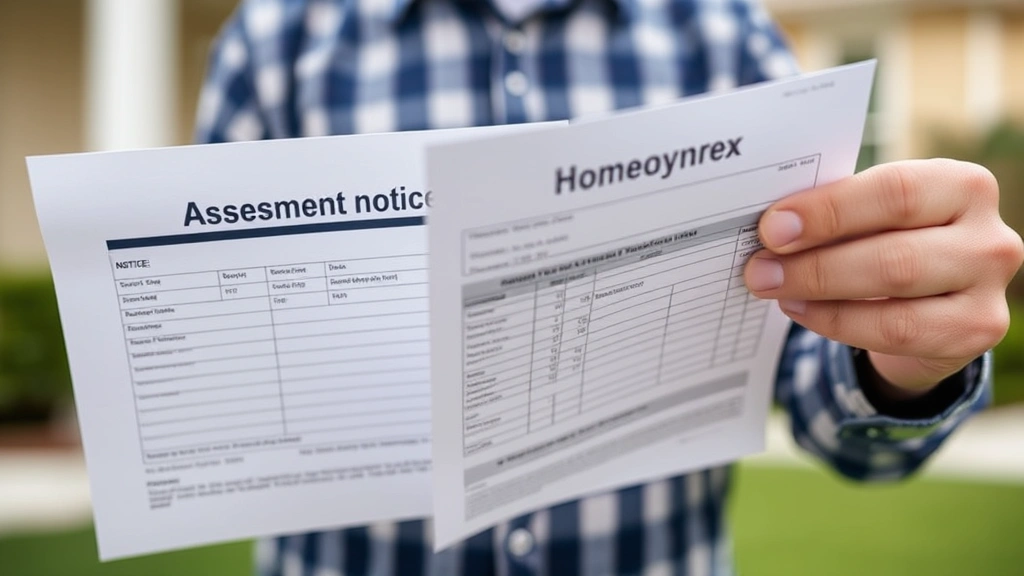
You can verify the exact current rate through the Cherokee County Assessor’s website or by calling their office directly. Don’t rely on last year’s rate—always check the current year’s millage before making financial projections.
Homestead Exemption Benefits
Georgia’s homestead exemption is one of the best tax breaks available to property owners, and Cherokee County residents absolutely should claim it if eligible. This exemption reduces your home’s assessed value specifically for school tax purposes.
Here’s what makes it powerful: If you claim the homestead exemption in Cherokee County, the first $65,000 of your home’s assessed value is exempt from school taxes. That’s substantial. On a $350,000 home, you’d only pay school taxes on $285,000 instead of the full amount.
To qualify, you must:
- Own your primary residence in Cherokee County
- Have lived there as your primary residence for at least one year
- File an application with the Tax Assessor’s office by April 1st (though late applications may be accepted)
The exemption applies to county taxes too in some cases, so don’t miss this opportunity. If you haven’t claimed it yet, contact the assessor immediately—you might be able to get a refund for previous years’ overpayment.
Understanding the Assessment Process
The Tax Assessor doesn’t just guess at your home’s value. They follow a systematic process that includes physical inspections, comparable market analysis, and documented property records.

Every few years, Cherokee County conducts a reassessment cycle. During this time, appraisers may visit your property to verify improvements, measure square footage, and assess condition. You’ll receive a notice of assessed value before it becomes official, giving you a chance to review and challenge if needed.
The assessment includes:
- Land value (based on lot size and location)
- Building value (square footage, age, condition, materials)
- Improvement value (additions, renovations, pools, decks)
- Market adjustments (recent comparable sales in your area)
This is why keeping records of home improvements matters. If you added a deck or renovated your kitchen, the assessor will likely increase your assessed value—but they should only increase it by the actual value added, not inflate it.
Proven Ways to Lower Your Bill
Lowering your Cherokee County property tax bill takes strategy, but it’s absolutely doable. Here are the most effective approaches:
1. File for All Available Exemptions
Beyond the homestead exemption, check if you qualify for agricultural exemptions (if you own farmland), disabled veteran exemptions, or widow/widower exemptions. Each saves real money.

2. Challenge Your Assessment
If you believe your home’s assessed value is too high, file a formal appeal. Many homeowners win these challenges because assessments sometimes lag behind market reality or contain errors. We’ll cover the appeal process in detail below.
3. Make Strategic Home Improvements
Here’s the counterintuitive part: Not all improvements increase your tax bill proportionally. A $50,000 kitchen renovation might only increase your assessed value by $30,000-$40,000 because assessors don’t always apply a dollar-for-dollar increase. Do improvements for your own enjoyment, not to avoid taxes—but know the tax implications beforehand.
4. Monitor Your Assessment Annually
Don’t assume your assessment stays the same. Review your notice of assessed value each year. If it jumped significantly, that’s your signal to investigate and potentially appeal.

5. Compare to Comparable Properties
Use sites like Zillow, Redfin, or the Cherokee County property appraiser database to find similar homes in your neighborhood. If your assessed value is significantly higher than comparable properties’ values, you have grounds for an appeal.
Senior & Disabled Exemptions
Georgia offers special property tax breaks for seniors and disabled persons that can dramatically reduce your bill.
The senior exemption provides up to $60,000 in assessed value exemption if you’re 65 or older and meet income requirements (generally $10,000 or less annually in non-Social Security income). This exemption applies to county taxes, not school taxes.
Disabled veterans get even better treatment—potentially a full exemption on their primary residence if they have a 100% service-connected disability rating. Disabled persons (any age) with a permanent disability rating can claim exemptions too.
The key: These exemptions require paperwork and proof. Contact the Cherokee County Tax Assessor’s office or visit the Georgia Department of Revenue website for application forms and specific income limits that change annually.

How to Appeal Your Assessment
You have the right to challenge your assessment, and the process is more accessible than many people think.
Step 1: Request an Equalization Hearing
File a formal request with the Cherokee County Tax Assessor’s office within 30 days of receiving your notice of assessed value. You’ll get a hearing date before the Equalization Board.
Step 2: Gather Evidence
Compile comparable sales data, recent appraisals, photographs showing property condition, and any documentation of errors in the assessment (wrong square footage, missing information, etc.). The stronger your evidence, the better your chances.
Step 3: Present Your Case

At the hearing, explain why you believe the assessment is incorrect. You don’t need a lawyer, though some people hire one. Focus on facts: comparable sales prices, assessment errors, or property condition issues that justify a lower value.
Step 4: Appeal Further if Needed
If the Equalization Board denies your appeal, you can escalate to the Cherokee County Board of Assessors and eventually to the Georgia Tax Tribunal. Each step has deadlines, so track them carefully.
Many successful appeals result in 5-15% reductions in assessed value. That could save you $500-$2,000+ annually depending on your home’s price.
Payment Deadlines & Options
Cherokee County property taxes are due by December 20th each year. Miss this deadline and you’ll face penalties and interest charges that compound quickly.
If you have a mortgage, your lender likely handles taxes through an escrow account—they collect monthly payments and pay the county on your behalf. If you own your home outright, you’re responsible for paying directly.

Payment Methods Available:
- Online through the Cherokee County Tax Collector’s website
- Mail (checks or money orders)
- In-person at the Tax Collector’s office
- Phone payment (check for fees)
- ACH/bank draft setup for automatic payments
Pro tip: Set a calendar reminder for November 1st. That gives you six weeks to gather funds and submit payment before the December 20th deadline. If you’re tight on cash, contact the Tax Collector about installment payment plans—many counties offer them, though Cherokee County’s policies vary.
Frequently Asked Questions
What’s the average property tax bill in Cherokee County, GA?
For a median-priced home around $400,000, expect to pay roughly $7,600-$8,000 annually in combined county and school taxes. This varies based on exact millage rates, exemptions claimed, and your specific assessed value. Use the formula we provided earlier to calculate your specific bill.
Can I deduct Cherokee County property taxes on my federal return?
Yes, but with limits. The federal SALT (State and Local Taxes) deduction caps out at $10,000 for 2024. If you’re married filing jointly and have high state income taxes plus property taxes, you might hit this cap. Consult a tax professional to optimize your deduction strategy. For comparison, check out how Maryland’s homestead tax credit works differently.
How often does Cherokee County reassess properties?
Cherokee County typically conducts countywide reassessments every 4-6 years, though they review individual properties annually. You’ll receive notice before any reassessment takes effect, giving you time to appeal if necessary.
What happens if I don’t pay my property taxes?
Late payment triggers penalties (usually 10-15%) plus interest (typically 1% monthly). If you remain delinquent for an extended period, the county can place a tax lien on your property or eventually foreclose and sell it. Don’t ignore property tax bills—contact the Tax Collector immediately if you’re struggling to pay.

Are there property tax relief programs for low-income homeowners?
Georgia offers limited programs beyond exemptions. Some counties have hardship programs, but Cherokee County’s availability varies. Contact the Tax Assessor’s office to ask about freeze programs or deferrals if you’re experiencing financial hardship.
How does Cherokee County compare to other Georgia counties?
Cherokee County’s millage rates are moderate compared to the state average. Counties like Fulton have higher rates, while rural counties often have lower rates. If you’re comparing to other states, remember that some states don’t have property tax at all, though Georgia’s overall tax burden remains reasonable.
Can I appeal my assessment more than once?
You can appeal annually if your assessed value changes. Each year you receive a new notice of assessed value, you have 30 days to request an equalization hearing if you disagree. Successful appeals often result in reduced assessments going forward.
Do rental properties get different tax treatment?
Yes. Rental properties are assessed at market value for investment purposes, not homestead value. You can’t claim the homestead exemption on rentals, but you can deduct mortgage interest, maintenance, depreciation, and other business expenses on your federal return. This is a complex area—work with a financial advisor or CPA to optimize your rental property tax strategy.
Final Thoughts on Cherokee County Property Taxes
Cherokee County property taxes aren’t going away, but understanding how they work puts you in control. The homestead exemption alone saves most homeowners thousands of dollars over their ownership period. Adding an appeal when your assessment seems high, staying on top of payment deadlines, and claiming every exemption you qualify for can easily reduce your annual bill by 10-20%.
Start by verifying you’ve claimed the homestead exemption. Then, review your latest assessment notice and compare it to similar homes in your area. If the numbers don’t match market reality, file an appeal. These two steps alone could save you significant money without requiring any complex tax strategies.
Remember: Property taxes fund schools, roads, and services you use daily. But that doesn’t mean you should overpay. Stay informed, stay organized, and don’t hesitate to challenge assessments that seem inflated. Your wallet will thank you.


