

Let’s be real: property taxes can feel like a silent killer to your monthly budget. You buy a home, you’re excited, and then suddenly you’re staring at a bill from the Clackamas tax assessor that makes you wonder where all your money went. If you live in Clackamas County, Oregon, understanding how your property taxes work—and more importantly, how to challenge them or find legitimate ways to reduce them—can save you thousands of dollars over your lifetime.
The Clackamas tax assessor office isn’t your enemy. They’re just doing their job: determining the assessed value of your property, which directly impacts your tax bill. But here’s the thing—they’re human, and their assessments can be wrong. Maybe your home was valued too high. Maybe you qualify for a tax exemption you didn’t know about. Maybe your neighbors got a better deal than you did. This guide walks you through everything you need to know about the Clackamas tax assessor, how property tax assessments work in Oregon, and concrete steps to reduce what you owe.
How the Clackamas Tax Assessor Determines Your Property Value
The Clackamas tax assessor office uses a standardized approach to value properties, but it’s not magic—it’s math mixed with market data and comparable sales. Here’s how it actually works:
Every property in Clackamas County gets assessed annually. The assessor’s job is to estimate the market value of your home as of January 1st each year. They do this by looking at recent sales of similar properties in your area, the condition of your home, square footage, lot size, age, and improvements you’ve made. Think of it like a giant appraisal process that happens to every single house at the same time.
The assessed value isn’t the same as your home’s actual market value (what you could sell it for). Oregon uses what’s called a “tax assessed value,” which is capped by Measure 50, passed in 1997. This means your property’s assessed value can only increase by 3% per year, even if your home’s actual market value skyrockets. That’s actually good news for you—it creates a ceiling on how much your taxes can jump year-to-year.
However, when you buy a property or make significant improvements, the Clackamas tax assessor can reset your assessment to current market value. This is called “revaluation upon change of ownership.” So if you just bought your home, your assessment might be much higher than your neighbor’s, even if your houses are identical. That’s not unfair—it’s just how Oregon’s system works.
Understanding Your Assessment Notice
Every year, you’ll receive a notice from the Clackamas tax assessor that shows your property’s assessed value, any exemptions applied, and ultimately, your taxable value. This document is crucial, and most people barely glance at it. Don’t be that person.
Here’s what to look for on your assessment notice:
- Assessed Value: This is what the assessor thinks your property is worth for tax purposes.
- Exemptions: Any reductions you qualify for (homeowner’s exemption, senior exemption, disability exemption, etc.).
- Taxable Value: The assessed value minus any exemptions. This is what your tax rate gets applied to.
- Tax Rate: The mill rate set by your county, schools, and local districts.
- Estimated Tax Amount: Your actual bill (though this can vary based on district levies).
The notice also includes a deadline to appeal. This is non-negotiable. If you miss the appeal deadline, you lose your right to challenge that year’s assessment. Mark your calendar. Set a phone reminder. Seriously.
How to Appeal Your Clackamas Tax Assessment
If you think the Clackamas tax assessor got your assessment wrong, you have options. The appeal process in Oregon is actually pretty straightforward, and you don’t need a lawyer (though you can hire one if you want).
Step 1: Gather Evidence
Before you appeal, build your case. You’ll need:
- Recent appraisals of your property
- Recent sales prices of comparable homes in your neighborhood (look these up on Zillow, Redfin, or the county assessor’s website)
- Photos documenting any damage, deferred maintenance, or issues affecting value
- Documentation of improvements you made (or didn’t make, if the assessor thinks you did)
- Your original assessment notice
Step 2: File Your Appeal
Contact the Clackamas tax assessor office directly or visit their website to request an appeal form. You’ll typically have 30 days from the date your assessment notice was mailed to file. Submit your appeal with your evidence. Be specific about why you think the assessment is wrong. Don’t just say “it’s too high.” Explain your reasoning with data.
Step 3: Attend the Hearing (If Required)
If the assessor doesn’t adjust your assessment after your initial appeal, you can request a formal hearing before the Assessment Review Board. This is where you present your case. You can bring an advocate, attorney, or appear alone. Keep your presentation focused and factual.
Step 4: Know Your Options if You Lose
If the Assessment Review Board upholds the assessment, you still have options. You can appeal to the Oregon Department of Revenue or pursue a tax court case. These are more expensive routes, so only consider them if the stakes are high enough to justify the cost.
Pro tip: Many successful appeals focus on comparable sales data. If you can show that similar homes in your neighborhood sold for significantly less than your assessed value, you have a strong case.
Tax Exemptions and Deductions Available
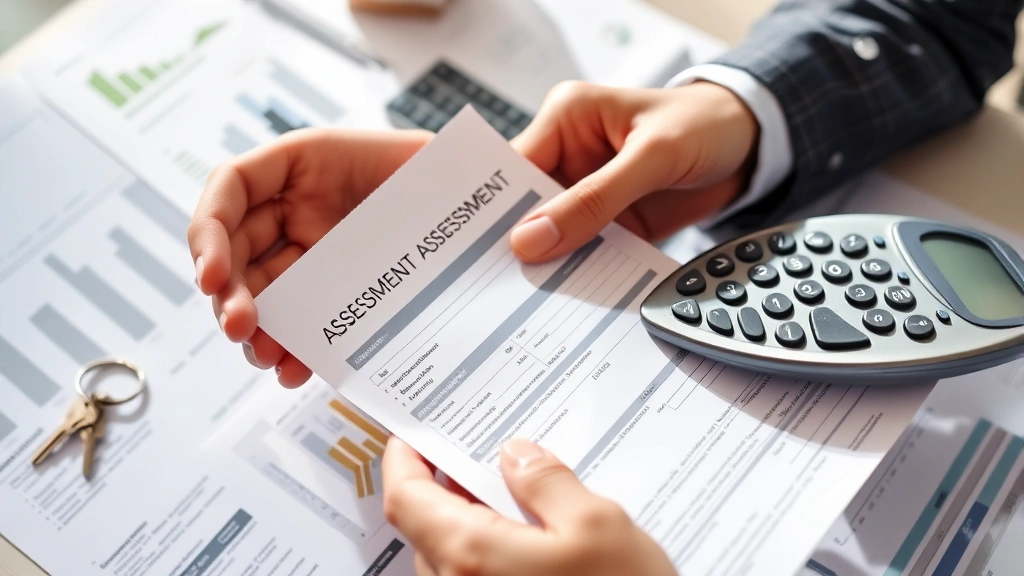
This is where a lot of homeowners leave money on the table. Oregon and Clackamas County offer several exemptions that can significantly reduce your property tax bill. You have to apply for most of them—they don’t happen automatically.
Homeowner’s Exemption
If your primary residence is in Oregon, you qualify for a homeowner’s exemption worth approximately $24,000 in assessed value (as of 2024). This is automatic if you file for it, but you need to apply. The reduction translates to real savings—roughly $240-300 per year depending on your tax rate.
Senior Exemption
If you’re 65 or older and own your home, you might qualify for an additional exemption. The amount varies, but it can be substantial. Income limits apply, so check if you qualify.
Disability Exemption
Veterans with service-connected disabilities and other disabled persons may qualify for exemptions. The amount depends on the disability rating.
Agricultural and Forest Land Exemptions
If you own farmland or forest land in Clackamas County, you might qualify for special assessment rates that are much lower than residential rates. This is huge if applicable to you.
Historic Property Exemption
Own a historic home? You might qualify for a property tax exemption if you maintain the historic character of your property. Contact the Clackamas tax assessor office for details.
The key: apply for every exemption you qualify for. Most are free to apply for, and the potential savings are worth the 20 minutes of paperwork.
Practical Strategies to Reduce Your Property Taxes
Beyond appeals and exemptions, here are real, actionable ways to reduce what you owe to the Clackamas tax assessor:
1. Challenge Incorrect Property Characteristics
The Clackamas tax assessor office maintains a database of property characteristics: square footage, number of bedrooms, bathrooms, lot size, roof type, etc. These are used in valuation formulas. If any of these are wrong—say the assessor thinks you have 2,500 sq ft when you actually have 2,200—your assessment will be inflated. Request a property record from the assessor and verify every detail. Incorrect data is one of the easiest things to fix and can result in meaningful savings.
2. Document Deferred Maintenance
If your roof is shot, your foundation has cracks, or your HVAC system is failing, these reduce your home’s value. The Clackamas tax assessor should account for these in their valuation. Get a professional inspection and provide documentation. This won’t eliminate your taxes, but it can justify a lower assessment.
3. Monitor Your Assessment Year-Over-Year
Oregon’s 3% annual cap is your friend, but only if your previous year’s assessment was fair. If you accept an inflated assessment one year, you’re locked into a higher baseline for future years. Stay vigilant.
4. Consider a 1031 Exchange if You’re Selling
This is advanced strategy, but if you’re selling and buying another property, a 1031 exchange can defer capital gains taxes at the federal level. While it doesn’t directly affect your Clackamas tax assessor bill, it affects your overall tax picture. Consult a tax professional about this.
5. Explore Property Tax Deferral Programs
Oregon offers a property tax deferral program for seniors and disabled persons. If you qualify, you can defer paying property taxes while you live in your home. The state places a lien on your property, and the taxes are paid from your estate after you pass away or sell. This can free up significant monthly cash flow.
Blockquote:
Pro Tip: If you’re 62 or older with a household income under a certain threshold, you might qualify for Oregon’s property tax deferral program. This doesn’t eliminate your taxes, but it defers them, giving you breathing room in retirement. Contact the Clackamas tax assessor office or Oregon Department of Revenue for income limits and details.
Oregon Property Tax Laws and Clackamas County Rules
Understanding the broader legal framework helps you make smarter decisions about your property and taxes. Oregon has some unique property tax laws that actually favor homeowners in some ways.
Measure 50 (The 3% Cap)
Passed in 1997, Measure 50 limits annual assessment increases to 3%, regardless of how much your home’s market value increases. This is a huge protection. In hot real estate markets, this gap between assessed value and market value can be enormous. You benefit from this cap.
Change of Ownership Revaluation
When property changes hands, the Clackamas tax assessor resets the assessment to current market value. This is why new homeowners often see jumps in their property tax bills compared to the previous owner. It’s not punishment—it’s the system resetting to fair market value.
Clackamas County Specific Rules
Clackamas County follows state law but also has local policies. For example, they have specific procedures for challenging assessments and timelines for appeals. The county assessor’s website has detailed information, and staff are generally helpful if you call with questions.
For more information on Oregon property tax law, check Oregon’s Department of Revenue website, which has comprehensive guides and FAQs.
Common Mistakes Homeowners Make with Assessments
After years of dealing with property taxes, I’ve seen homeowners shoot themselves in the foot repeatedly. Here are the biggest mistakes:
Mistake 1: Ignoring Your Assessment Notice
You can’t appeal what you don’t see. If you ignore your notice, you miss the deadline, and you’re stuck with that assessment for a year. Even if you think it’s probably fine, open the envelope. Take 10 minutes to verify the basics.
Mistake 2: Not Applying for Exemptions You Qualify For
The Clackamas tax assessor won’t automatically give you exemptions. You have to ask. If you’re a senior, disabled, a veteran, or own agricultural land, apply. These exemptions can save you hundreds per year.
Mistake 3: Using Your Home’s Market Value as Your Assessment Baseline
Your home might be worth $600,000, but if your assessed value is $400,000, that’s what matters for taxes. Don’t compare your assessment to what you think you could sell your home for. Compare it to similar recent sales and the assessor’s valuation methodology.
Mistake 4: Failing to Appeal Before the Deadline
The appeal deadline is non-negotiable. Miss it, and you lose your right to challenge that year’s assessment. Mark your calendar the moment you receive your notice.
Mistake 5: Making Major Improvements Without Understanding Tax Consequences
When you add a room, finish a basement, or install a new roof, the Clackamas tax assessor might reassess your property, increasing your assessed value. This isn’t always bad—improvements increase your home’s value—but understand that your taxes might go up. Budget accordingly.
Mistake 6: Not Checking for Errors in Property Records
The assessor’s database can have mistakes. Wrong square footage, phantom bedrooms, incorrect lot size—these errors inflate assessments. Check your property record annually and request corrections if you find errors.
Frequently Asked Questions
How often does the Clackamas tax assessor reassess my property?
– Your property is assessed annually as of January 1st. However, your assessed value is capped at a 3% annual increase due to Measure 50. If you make major improvements or the property changes hands, the assessor can reset your assessment to current market value.
Can I appeal my Clackamas tax assessment if I missed the deadline?
– Unfortunately, no. The appeal deadline is firm. If you miss it, you lose your right to appeal that year’s assessment. However, you can appeal the following year’s assessment. Mark your calendar when you receive your notice.
What’s the difference between assessed value and market value?
– Assessed value is what the Clackamas tax assessor determines for tax purposes. Market value is what your home could sell for. They’re often different. Oregon’s Measure 50 keeps assessed value from jumping more than 3% annually, so in appreciating markets, assessed value lags market value significantly.
Do I qualify for the homeowner’s exemption automatically?
– No. While you might be eligible, you have to apply. The homeowner’s exemption is worth roughly $24,000 in assessed value and must be claimed. Contact the Clackamas tax assessor office or apply online if available.
What happens if I disagree with the Assessment Review Board’s decision?
– You can appeal to the Oregon Department of Revenue or file a case in Oregon Tax Court. These are more formal and expensive processes, so only pursue them if the stakes justify the cost. Consult a tax attorney for guidance.
Can I reduce my property taxes by making my home more energy-efficient?
– Oregon doesn’t offer a direct property tax break for energy efficiency improvements. However, some improvements (like solar panels) may have state tax credits at the income tax level. Additionally, if improvements increase your home’s assessed value, you might be able to offset that with a lower assessment appeal if the improvements don’t match comparable sales in your area. Consult a tax professional for specifics.
How do I find comparable sales data for my property?
– The Clackamas tax assessor’s website usually has a property search tool. You can also check Zillow, Redfin, or MLS listings. Look for homes similar to yours (same size, age, condition, location) that sold in the past 6-12 months. This data is crucial for appeals.
What’s the property tax rate in Clackamas County?
– Property tax rates vary by location within Clackamas County because different areas have different school districts, fire districts, and other local levies. Your specific rate is listed on your assessment notice. It’s typically expressed as a mill rate (e.g., 9.5 mills per $1,000 of assessed value).
Can I deduct property taxes on my federal income tax return?
– Yes, but there’s a catch. The federal government allows a deduction for state and local taxes (SALT), but it’s capped at $10,000 per year. If your property taxes plus state income taxes exceed $10,000, you can only deduct $10,000 total. Consult your tax preparer about your specific situation. For more details, check the IRS’s guide on itemized deductions.
Is there a senior property tax exemption in Oregon?
– Yes. If you’re 65 or older and meet income requirements, you may qualify for a senior exemption. The amount varies. Contact the Clackamas tax assessor office or Oregon Department of Revenue for current income limits and exemption amounts.

Final Thoughts: The Clackamas tax assessor isn’t your adversary—they’re just applying a formula to your property. But that formula can be challenged, and exemptions can be claimed. By understanding how assessments work, staying on top of deadlines, and taking action when appropriate, you can keep more of your money in your pocket. Property taxes are often the largest bill homeowners face after mortgage payments. Spending a few hours understanding the system and exploring your options can save you thousands over time. Don’t leave money on the table.
For more information on property taxes in other counties, check out our guides on Broward property taxes, Miami-Dade property taxes, Shelby County TN property tax, and when property taxes are due in California. If you’re in Michigan, our property tax estimator for Michigan is a helpful tool. You can also explore Waukesha tax records and Bossier Parish tax assessor information for regional comparisons.


