

A colorado state income tax filing delay can throw your financial planning into chaos, especially when you’re counting on a refund or need to meet payment deadlines. Whether you’re a Colorado resident dealing with processing backlogs, a remote worker, or a business owner navigating state tax obligations, understanding what causes delays and how to handle them is crucial for staying compliant and stress-free.
Table of Contents
What Causes Filing Delays?
Colorado state income tax filing delays don’t happen in a vacuum. The Colorado Department of Revenue faces real constraints that impact how quickly they can process your return. Staffing shortages, increased filing volumes during tax season, and outdated technology infrastructure all play a role. When millions of Coloradans file around the same time, even a well-oiled machine slows down.
System upgrades and maintenance also cause processing bottlenecks. The state occasionally needs to take systems offline for security patches or infrastructure improvements, which temporarily halts processing. Additionally, incomplete or incorrect information on your return—missing Social Security numbers, inconsistent income reporting, or math errors—triggers manual review, which adds weeks to processing time.
Economic changes and policy shifts create unexpected delays too. When Colorado implements new tax credits or changes filing requirements, the department needs time to reprogram systems and train staff. This ripple effect impacts everyone filing that year, not just those claiming new benefits.
Current Colorado Tax Status
As of 2024, Colorado’s Department of Revenue has been working to catch up on filing backlogs accumulated during peak pandemic years. The good news: most returns filed electronically are processed within 21 days during normal periods. The challenge: Colorado still experiences seasonal crunch times, particularly in April and May when paper returns flood in.
The state has invested in modernizing its tax processing systems, but these upgrades take time to fully implement. If you’re checking on a return filed in the past few weeks, expect it to still be in the queue. Returns filed in March or early April might not show movement until May or June, which can feel like an eternity when you’re waiting for a refund.
Colorado residents should note that the state coordinates with federal IRS processing. If your federal return is delayed, your state return often follows suit, since the state uses federal data to cross-check state filings. This dependency means federal delays create cascading state delays.
How Long Processing Takes?
Typical Colorado state income tax processing timelines vary based on filing method and return complexity. Here’s what to realistically expect:

E-filed returns (electronically filed): 21 days is the standard window, but many returns clear in 10-14 days if everything checks out. Complex returns with multiple income sources, business schedules, or credits can take 4-6 weeks.
Paper returns: These move slower—expect 6-8 weeks minimum, often longer. The department has to manually data-enter information, which introduces delays and potential errors. If you must file on paper, do it early and keep copies for your records.
Returns requiring verification: If the department flags your return for review—perhaps due to income mismatches with W-2s or 1099s—add another 2-4 weeks. This is common and not necessarily a sign of wrongdoing; it’s just the state being thorough.
Direct deposit refunds typically arrive faster than mailed checks. If you’re expecting a refund and chose direct deposit, you might see funds hit your account within a few days of the return being processed. Paper checks take an additional 7-10 business days from the processing date.
Check Your Refund Status
Don’t just sit in the dark wondering where your return is. Colorado offers several ways to track your filing status and refund. The easiest method is using the Colorado Department of Revenue’s online refund status tool on their official website. You’ll need your Social Security number, filing status, and the exact refund amount to check status.
You can also call the Colorado Department of Revenue’s taxpayer service line during business hours. Have your return handy when you call, as they’ll ask for specific information to pull up your account. Wait times can be long during peak tax season, so calling early morning or mid-week often means shorter hold times.
The IRS Where’s My Refund tool is also useful if you’re waiting on a federal return, which often correlates with your state filing status. Visit IRS.gov and use their tool to see federal processing status, which gives you insight into whether state delays are federal-related.
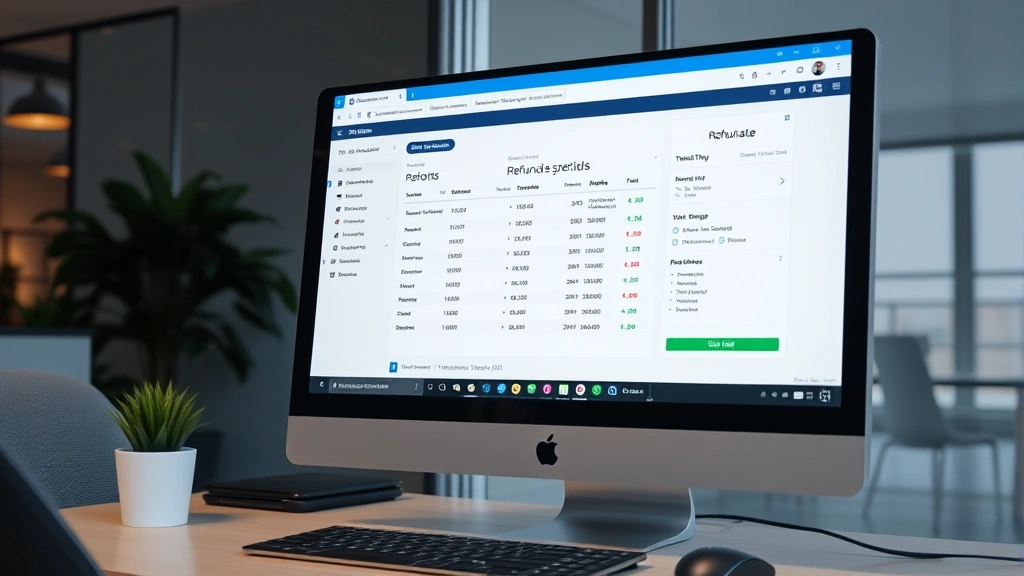
Set realistic expectations: if you filed just last week, your return probably hasn’t been processed yet. The department processes returns in batches, not individually as they arrive. This batch processing means some returns move through faster than others, depending on when they were filed relative to processing cycles.
Filing Deadline Extensions
If you can’t meet Colorado’s tax filing deadline—typically April 15th, matching the federal deadline—you can request an extension. Filing an extension doesn’t extend your payment deadline; it only extends your filing deadline. This is a critical distinction that trips up many people.
To request a Colorado filing extension, file Form 4868 (Application for Automatic Extension of Time to File U.S. Individual Income Tax Return) with the IRS. Colorado automatically honors federal extensions, so you don’t need to file a separate state extension form. The extension gives you until October 15th to file your return.
However, if you owe Colorado taxes, that payment is still due by April 15th, even with an extension. Paying late triggers interest and penalties, so estimate what you’ll owe and send payment by the original deadline if possible. You can always file an amended return later if your final calculation differs.
Extensions are legitimate tools, not red flags. The IRS and Colorado don’t penalize you for filing an extension; they penalize you for not paying taxes owed or for filing late without an extension. If you need more time, take it—it’s far better than rushing and making mistakes.
How to Avoid Penalties
Colorado state income tax penalties are real money, and they add up fast. The most common penalty is the failure-to-file penalty: 5% of unpaid taxes for each month your return is late, up to 25%. If you owe $2,000 and file three months late, you’re looking at an additional $300 penalty, plus interest.
The failure-to-pay penalty is separate: 0.5% of unpaid taxes per month, also capping at 25%. These penalties stack, meaning you could owe both simultaneously if you file late and don’t pay on time. The interest rate compounds daily, so delays become exponentially more expensive.

To avoid penalties, follow these steps: file on time (or request an extension), pay any taxes owed by April 15th, and keep documentation of everything you file. If you can’t pay the full amount, file anyway and set up a payment plan with Colorado. The department is more forgiving of payment plans than they are of no-filing situations.
If you’ve already incurred penalties, don’t ignore them. Contact the Colorado Department of Revenue to discuss penalty abatement. They sometimes waive penalties for first-time filers or those with legitimate hardship circumstances. It’s worth asking—the worst they can say is no.
Remote Workers & Colorado Tax
Remote workers face unique Colorado state income tax considerations, especially if you work for an out-of-state employer. Colorado taxes income earned within the state, regardless of where your employer is located. If you live in Colorado and work remotely for a California company, you still owe Colorado income tax on that income.
The complexity increases if you worked in multiple states during the year. You’ll need to allocate income to each state where you worked and potentially file returns in multiple states. Some states have reciprocal agreements that reduce this burden, but Colorado and most western states don’t participate in these agreements.
Remote workers should also track home office deductions carefully. While federal rules allow home office deductions, Colorado follows federal guidelines, so what works on your federal return typically works on your state return. Keep detailed records of square footage, utilities, and mortgage or rent payments to support your deduction.
If you’re relocating to Colorado mid-year, you’ll file a part-year resident return. This requires calculating how much income you earned while a resident versus a non-resident. It’s complex, and mistakes here can trigger audits. Consider consulting a tax professional if you relocated during the tax year.
When to Get Professional Help
Some situations demand professional expertise. If you’re self-employed, own a business, have investment income, or experienced a major life change (marriage, divorce, inheritance), a CPA or tax professional can save you money and headaches. The cost of professional help often pays for itself through optimized deductions and credits you might miss.
Tax professionals also understand Colorado-specific issues like the Homestead Property Tax Exemption, senior property tax deferral programs, and state-specific credits that individual filers often overlook. They stay current on changing regulations and can advise you on estimated quarterly payments if you’re self-employed.
If you’re dealing with a filing delay that’s affecting your financial planning, a professional can file an amended return, request penalty abatement, or help you set up a payment plan with the state. They can also represent you if the department audits your return, which reduces stress and improves outcomes.
For residents of other states dealing with similar delays, resources like our guide on AZ state tax refund status or information on how to pay California state taxes online can provide comparative insights. Similarly, understanding Maryland income tax payment options helps you see how different states handle processing.
Denver County Considerations
If you live in Denver County, you may have additional tax obligations beyond state income tax. Denver County has specific property tax rules and local tax requirements that interact with your state filing. Understanding Denver County property tax implications helps you plan your overall tax liability.
Denver residents should also be aware that certain local tax credits and deductions apply at the county level. These don’t appear on your state return but affect your overall Colorado tax picture. Coordinating state and local filings ensures you’re not missing opportunities to reduce your total tax burden.
Special Situations & Workarounds
If you’re unable to file for legitimate reasons—serious illness, natural disaster, military deployment—Colorado allows filing deadline extensions beyond the standard October 15th date. You must request these extensions in writing and provide documentation of your hardship.
Self-employed individuals and gig workers filing without traditional W-2s should review our guide on how to do taxes without a W2. These filers often face additional scrutiny, so thorough documentation of income and expenses is essential. Colorado requires Schedule C (Profit or Loss from Business) filing for self-employed income.

Business owners should file estimated quarterly taxes (Form 1040-ES) to avoid underpayment penalties. Colorado coordinates with federal estimated tax requirements, so if you’re making quarterly federal payments, you’re likely meeting state requirements too. However, verify this with a professional if your income situation is complex.
Frequently Asked Questions
How long does Colorado take to process tax returns?
E-filed returns typically process within 21 days, with many clearing in 10-14 days. Paper returns take 6-8 weeks or longer. Complex returns requiring verification can take 4-6 weeks. Direct deposit refunds arrive faster than mailed checks.
Why is my Colorado tax return delayed?
Common causes include incomplete information on your return, income mismatches with W-2s or 1099s, system processing backlogs during peak season, or errors requiring manual review. Federal delays also cascade to state processing since Colorado cross-checks with IRS data.
Can I file an extension to avoid Colorado state income tax filing delays?
Filing an extension extends your filing deadline to October 15th but doesn’t extend your payment deadline. Taxes owed are still due by April 15th. An extension gives you more time to prepare an accurate return, not more time to pay what you owe.
What happens if I file my Colorado return late?
You’ll incur a failure-to-file penalty of 5% of unpaid taxes per month (up to 25%) plus interest. If you also didn’t pay on time, you’ll owe a failure-to-pay penalty of 0.5% per month (up to 25%) plus interest. These penalties compound daily.
How do I check my Colorado refund status?
Use the Colorado Department of Revenue’s online refund status tool on their website, call their taxpayer service line, or check the IRS Where’s My Refund tool. You’ll need your Social Security number, filing status, and exact refund amount.
Do I owe Colorado income tax if I work remotely for an out-of-state employer?
Yes. Colorado taxes income earned within the state regardless of employer location. If you live in Colorado and work remotely for an out-of-state company, you owe Colorado income tax on that income.
What should I do if I can’t pay my Colorado taxes by the deadline?
File your return on time anyway and contact the Colorado Department of Revenue to set up a payment plan. Paying late triggers penalties and interest, but filing on time and arranging a plan is far better than not filing at all.
Are there Colorado-specific tax credits I might be missing?
Yes. Colorado offers credits like the Homestead Property Tax Exemption, senior property tax deferral, and various earned income credits. A tax professional can identify credits you qualify for that you might otherwise miss.


