

Imagine keeping 100% of your paycheck—no federal government taking a slice. That’s the reality in countries with no personal income tax, and it’s not just a fantasy for the ultra-wealthy. Whether you’re a digital nomad, remote worker, or considering a major life change, understanding tax-free jurisdictions could save you hundreds of thousands of dollars over your lifetime.
As a CPA who’s helped clients explore international tax strategies, I can tell you: this isn’t about dodging taxes illegally. It’s about smart planning in jurisdictions where the government simply doesn’t levy personal income tax. Let’s dig into which countries offer this benefit and what it actually means for your wallet.
Table of Contents
Countries That Tax Zero Income
Let’s get specific. These countries genuinely don’t tax personal income—at least not in the traditional sense:
United Arab Emirates (UAE) tops the list for many expats. Dubai and Abu Dhabi offer zero personal income tax for residents, though you’ll need to navigate visa sponsorship (usually through employment). The UAE does have corporate taxes now (as of 2023), but individuals earning salaries remain untouched.
Saudi Arabia follows a similar model for foreign workers. You can earn a substantial salary with zero income tax liability, though you’ll need employer sponsorship and must follow strict residency rules.
Qatar is another Gulf state with no personal income tax. Doha attracts high earners in energy, finance, and healthcare with tax-free salaries—but again, you need an employer willing to sponsor your visa.
Bahrain, Oman, and Kuwait round out the Gulf Cooperation Council (GCC) countries offering zero personal income tax. Each has unique visa requirements and cost-of-living considerations.
The pattern here? Most no-income-tax countries are either oil-rich Gulf states or small island nations with alternative revenue sources (tourism, financial services, or natural resources). They don’t need your income tax because they’re already flush with cash.
Middle East Tax Havens Explained
The Middle Eastern countries I mentioned share a common structure: they fund government through oil revenues, not taxation. This is crucial to understand. It’s not altruism—it’s economics.
In the UAE specifically, you’ll encounter ad valorem taxes (property-based taxes) and consumption taxes, even though income is untouched. If you own real estate, you’re paying municipal fees. If you buy goods, you’re subject to VAT (value-added tax) at 5%. So while your salary is tax-free, your overall tax burden isn’t zero.
Saudi Arabia similarly imposes VAT and various fees. The government is modernizing its tax code under Vision 2030, so staying informed is essential if you’re considering a move.
For US citizens working in these countries, there’s another layer: FATCA (Foreign Account Tax Compliance Act) and the Foreign Earned Income Exclusion. You may still owe US taxes even if your host country taxes nothing. This is where professional guidance matters—and I can’t stress it enough.

Caribbean & Island Tax-Free Destinations
If Middle Eastern heat and culture aren’t your style, the Caribbean offers alternatives:
Cayman Islands has zero personal income tax and attracts finance professionals worldwide. It’s a British Overseas Territory with strong legal protections and English-speaking infrastructure. The trade-off? Cost of living is astronomical, and residency requires substantial financial investment or employment.
Turks and Caicos Islands similarly offer no personal income tax with a Caribbean lifestyle. Tourism and financial services drive the economy, not taxation.
Bahamas has no income tax, though it’s tightened residency requirements in recent years. You’ll need to establish genuine residency—not just a mailing address.
Bermuda, British Virgin Islands, and Antigua and Barbuda all offer no personal income tax, though each has specific visa and residency pathways. Some require citizenship investment (essentially buying residency), while others prefer employment-based sponsorship.
Caribbean options appeal to remote workers because they’re English-speaking, have decent internet infrastructure (mostly), and offer a lifestyle many find appealing. However, hurricane season, isolation, and higher costs are real considerations.
Other Notable Tax-Free Jurisdictions
Monaco is famous for zero income tax—but it’s notoriously difficult to establish residency. You need to prove substantial wealth and often require sponsorship from an existing resident. It’s more exclusive club than accessible destination.
Liechtenstein offers no income tax for certain residents, though it’s complicated by EU regulations and bilateral treaties. Similar story with Malta (which actually does tax, but offers special regimes for foreign residents).
Vanuatu, Fiji, and other Pacific island nations have no personal income tax but limited infrastructure for remote workers or expats. You’re trading tax savings for isolation and logistical challenges.
The honest truth? Most accessible no-income-tax countries are either Gulf states (which require employer sponsorship) or Caribbean islands (which require significant capital investment or employment). True tax havens with zero bureaucratic friction are rare and often exclusive.
The Trade-Offs: What You Give Up
Here’s where I get real with you: zero income tax sounds amazing until you realize what you’re sacrificing.

Cost of Living: Most countries with no income tax are expensive. Dubai’s housing costs rival New York. Cayman Islands groceries cost 40% more than the US. You might save on taxes but spend it all on living expenses.
Quality of Life: Gulf states offer luxury but limited personal freedoms (especially for women and LGBTQ+ individuals). Caribbean islands offer beaches but limited healthcare, education, and services. You’re trading one kind of cost for another.
Visa Instability: Most no-income-tax countries tie residency to employment. Lose your job? You lose your visa. This creates constant pressure and uncertainty. You’re not truly building a life—you’re renting one.
Financial Services: Ironically, many tax havens make it difficult to open bank accounts and invest. Post-FATCA regulations mean banks are paranoid about foreign clients. You might save on taxes but struggle with basic financial infrastructure.
Healthcare & Education: Private systems in these countries are excellent but expensive. Public systems vary wildly. You’re often paying out-of-pocket for what you’d get through taxes elsewhere.
Residency & Visa Requirements
Getting residency in a no-income-tax country isn’t automatic. Here’s the reality:
Employment-Based (Most Common): You need a job offer from a local employer. They sponsor your visa. You’re dependent on them. This works for finance professionals, engineers, and healthcare workers in Gulf states, but it’s restrictive.
Investment-Based: Some countries (Antigua, St. Kitts, Portugal) offer residency-by-investment programs. You buy property or invest capital. Costs range from $100K to $1M+. It’s accessible but expensive.
Retirement Visas: A few countries offer residency if you can prove pension income or savings. Requirements vary widely.
Digital Nomad Visas: Emerging option in some countries (Estonia, Portugal, Croatia), but most true no-income-tax jurisdictions haven’t adopted these yet.
The bottom line: you can’t just move to Dubai or Cayman Islands and declare yourself a resident. There’s paperwork, sponsorship, and often substantial financial requirements.

What US Expats Need to Know
If you’re American considering a move, this is critical:
You still owe US taxes. The US taxes citizens on worldwide income regardless of where they live. Full stop. No exceptions (except through specific provisions).
Foreign Earned Income Exclusion: You can exclude roughly $120K of foreign earned income (2023 figure) from US taxation. This is huge. It means if you earn $100K in the UAE, you owe nothing to Uncle Sam. But if you earn $150K, you owe taxes on the $30K excess.
FATCA Reporting: You must report foreign bank accounts over $10K and file FBAR (Foreign Bank Account Report). Penalties for non-compliance are severe—we’re talking 50% of the account balance.
State Taxes: If you’re leaving a state like California or New York, you must formally establish non-residency. Simply moving isn’t enough. They’ll chase you for taxes if you still have connections (property, business, family).
Tax Treaties: The US has tax treaties with most countries preventing double taxation. Understanding your specific country’s treaty is essential. A tax professional isn’t optional here—it’s mandatory.
Beyond Income Tax: Hidden Costs
Remember: no income tax doesn’t mean no taxes. You’ll encounter:
Value-Added Tax (VAT): Most countries have consumption taxes (15-20%). Every purchase includes this. Over a year, it adds up.
Property Taxes: Real estate isn’t always tax-free. Similar to understanding which state has no property tax, you need to research your specific country’s property tax regime. Some countries levy substantial annual property taxes.
Municipal Fees: Residency permits, vehicle registration, utilities—these all carry fees that function like taxes.
Capital Gains Tax: Some no-income-tax countries still tax investment gains. UAE doesn’t (yet), but others do.

Inheritance & Estate Taxes: Unlike understanding Arizona estate tax, many countries have zero estate taxes, but some don’t. This matters for long-term planning.
The takeaway: calculate your total tax burden, not just income tax. You might be surprised how much you’re paying through other mechanisms.
Is Moving Really Worth It?
Let’s do some math. Say you earn $150K annually:
In the US (30% effective tax rate): You pay ~$45K in federal, state, and local taxes. Take-home: $105K.
In UAE (zero income tax, 5% VAT on purchases): You pay $0 income tax. Assuming $50K annual spending (heavily taxed), you pay ~$2.5K in VAT. Take-home: $147.5K. But factor in 40% higher cost of living—your $147.5K buys what $105K buys in the US.
The math gets murky fast. You’re not actually ahead. You’re rearranging deck chairs.
When it makes sense: You’re in a high-tax state (California, New York) earning significant income, and you can genuinely relocate your life. You have flexibility, no dependents in school, and can handle visa complexity. The savings might be real.
When it doesn’t: You’re chasing taxes as a primary motivation. You have family ties, prefer stability, or need quality public services. You’re likely better off optimizing taxes where you are through legal deductions, retirement accounts, and strategic planning.
Most of my clients who’ve moved to no-income-tax countries did so for lifestyle reasons (weather, opportunity, adventure) and discovered the tax savings as a bonus—not the primary driver. That’s the healthy approach.
Frequently Asked Questions
Is it legal to move to a no-income-tax country to avoid US taxes?
Yes, it’s legal. However, you still owe US taxes on worldwide income. You can’t escape US taxation by moving. What you can do is use provisions like the Foreign Earned Income Exclusion to legally reduce your US tax burden. The key: work with a tax professional. Aggressive tax avoidance crosses into illegal evasion quickly.
Which no-income-tax country is easiest to move to?
For employment-based moves, the UAE (especially Dubai) is most accessible if you have in-demand skills. For investment-based moves, Portugal and Malta offer residency programs with reasonable costs (~$250K+). For Caribbean islands, Antigua and Barbuda have citizenship-by-investment programs starting around $100K. Ease varies by your financial situation and skills.
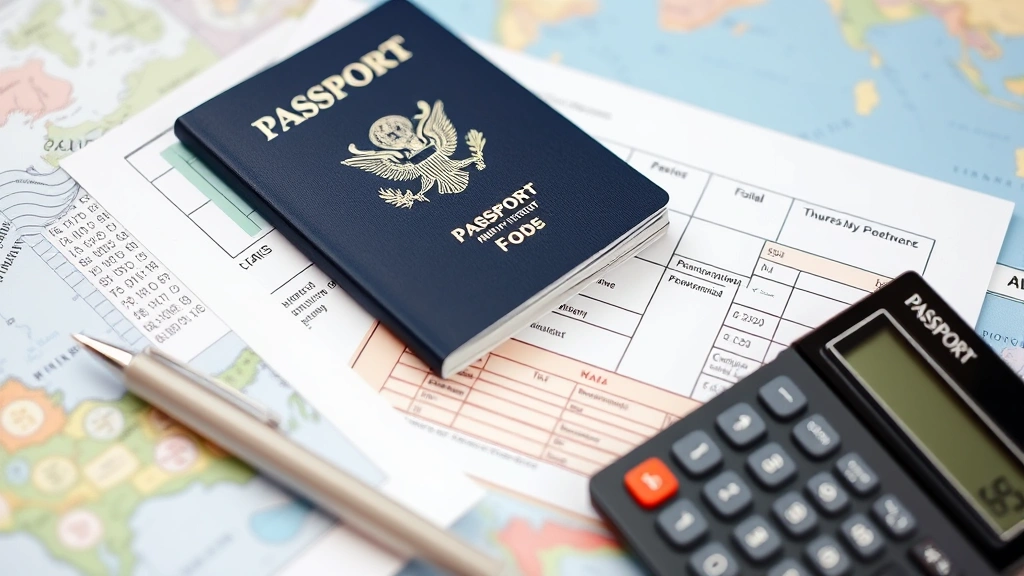
Do I need to renounce US citizenship to avoid taxes?
No. Renouncing citizenship is extreme and comes with exit taxes. The Foreign Earned Income Exclusion exists specifically so you don’t need to renounce. Many expats maintain US citizenship while living tax-free abroad. That said, renouncing is an option if you’re genuinely leaving permanently—but it’s not necessary for tax avoidance.
Can remote workers move to no-income-tax countries?
Technically yes, but it’s complicated. You need a valid visa (not all countries have digital nomad visas). Your employer’s tax withholding might still apply. You’ll owe taxes to your home country unless you establish genuine residency elsewhere. Digital nomad visas (emerging in some countries) are changing this, but most traditional no-income-tax countries haven’t adopted them.
What’s the difference between tax avoidance and tax evasion?
Tax avoidance is legal—using legitimate strategies (like the Foreign Earned Income Exclusion) to reduce taxes. Tax evasion is illegal—hiding income or lying on returns. Moving to a no-income-tax country and properly reporting income is avoidance. Not reporting foreign accounts is evasion. The line matters legally and morally.
Are there countries with no taxes at all?
No. Even no-income-tax countries have VAT, property taxes, or other levies. There’s no truly tax-free country. The closest are some small island nations with minimal services and government, but they’re not practical for most people.
Final Thoughts: Tax Strategy, Not Tax Fantasy
Countries with no personal income tax exist, and they’re genuinely tax-free for income. But they’re not magical solutions. They’re strategic options for specific situations.
If you’re considering a move, ask yourself honest questions: Are you running toward something (opportunity, lifestyle, adventure) or running away from something (taxes, winters, family)? The first is healthy. The second usually fails.
Work with professionals—tax attorneys, immigration consultants, and financial advisors familiar with international moves. The complexity isn’t worth DIY mistakes. A $2K consultation could save you $20K in mistakes or penalties.
And remember: the best tax strategy is earning more, not paying less. Focus on growing your income, and the tax question becomes less critical. A 30% tax on $200K is better than a 0% tax on $100K.
If you’re exploring tax strategies in the US, understanding concepts like where AGI appears on your tax return and whether you can file taxes without a W2 might be more immediately useful than international relocation.
The world has options. Choose wisely.


