

If you’re curious about countries without income tax, you’re not alone—many people dream of relocating to a place where they keep more of what they earn. While no country is entirely tax-free (they all need revenue somehow), several nations around the world have zero or near-zero personal income tax policies. This guide walks you through the real options, the tradeoffs, and what you need to know before packing your bags.
Table of Contents
Countries With Zero Income Tax
Several countries genuinely don’t tax personal income. The most well-known include the United Arab Emirates, Bahrain, Saudi Arabia, Oman, Qatar, and Kuwait. But the list extends beyond the Gulf. Monaco, Liechtenstein, and the Cayman Islands also operate without personal income tax. The Bahamas, Turks and Caicos, and the British Virgin Islands round out the Caribbean options. What ties them together? Most are either oil-rich nations, financial hubs, or both. They can afford to skip income tax because they generate revenue through other means—oil exports, banking fees, tourism, or corporate taxes.

The appeal is obvious: if you earn $100,000 and pay zero income tax, you pocket the full amount. No federal withholding, no state tax, no progressive brackets. But here’s where we need to be real with you—this isn’t the whole story. These countries compensate with other taxes, visa restrictions, and lifestyle costs that can offset or exceed what you’d save on income tax.

Middle East & Gulf States Lead the List
The UAE is probably the most accessible option for expats seeking tax-free income. Dubai and Abu Dhabi attract thousands of foreign workers annually. There’s no personal income tax, no capital gains tax on real estate, and no inheritance tax. You can legally earn and keep your full salary. However, you’ll face a 5% VAT (value-added tax) on most purchases, and you’ll need employer sponsorship to live there legally. Visa sponsorship typically requires a job offer or significant investment.

Saudi Arabia, Qatar, and Kuwait operate similarly—zero income tax, but strict visa policies. These countries prioritize citizens and skilled workers in specific industries (oil, finance, construction). Getting a residency permit as a regular expat is harder than in the UAE. Bahrain and Oman are slightly more welcoming but still require work sponsorship or substantial financial commitments.

The Gulf states also impose corporate taxes on foreign companies and banks, so if you’re self-employed or own a business, you may face tax obligations. Additionally, these countries have strict laws around alcohol, dress codes, and social behavior. Tax savings mean little if you’re uncomfortable with the cultural and legal environment.

Caribbean Island Nations & Tax Benefits
The Caribbean offers a different flavor of tax-free living. Islands like the Cayman Islands, Turks and Caicos, and the Bahamas have zero income tax and a more Western-friendly lifestyle. These are popular with remote workers, entrepreneurs, and retirees who want English-speaking communities with modern infrastructure.

The Cayman Islands is particularly attractive for financial professionals and business owners. There’s no income tax, capital gains tax, or inheritance tax. The cost of living is high, but many expats find the trade-off worthwhile. Residency requires either a job offer, business ownership, or significant savings (typically $500,000+).

Turks and Caicos mirrors the Cayman model—zero income tax, English-speaking, Caribbean lifestyle. The Bahamas is similar but with slightly lower costs and more relaxed residency requirements. These islands do charge stamp duties, property transfer taxes, and customs duties, so your tax burden isn’t truly zero, just shifted away from income.

One important note: if you’re a US citizen or green card holder, the IRS still taxes your worldwide income regardless of where you live. You’ll owe US taxes even if you relocate to a tax-free country. This is a critical distinction we’ll explore further below.

Other Surprising Tax-Free Destinations
Monaco is Europe’s most famous tax haven. There’s no personal income tax for residents (though you must be wealthy to qualify for residency—typically €500,000+ in assets). The cost of living rivals Manhattan, and residency is notoriously difficult to obtain. You essentially need to be rich, well-connected, or both.

Liechtenstein, nestled between Switzerland and Austria, also has no income tax for certain types of residents, though the rules are complex and restrictive. Malta and Cyprus offer tax breaks for certain foreign income (not earned income), making them partial rather than complete havens.
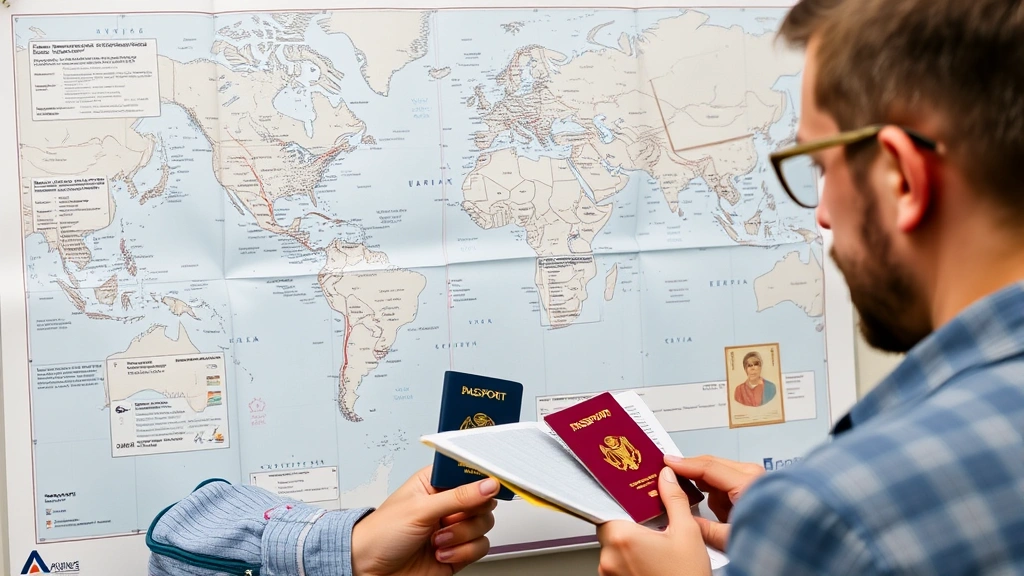
Antigua and Barbuda, Dominica, and St. Lucia offer citizenship-by-investment programs with favorable tax treatment. You invest $100,000–$250,000 and gain residency and citizenship with minimal tax obligations. However, these programs are scrutinized by major countries, and some have reputational risks.

The Hidden Costs of Tax Freedom
Here’s where many people get blindsided: countries without income tax don’t forgo revenue—they just collect it differently. The UAE charges 5% VAT on almost everything you buy. That new laptop? 5% tax. Restaurant meal? 5% tax. Over a year, this adds up. If you spend $50,000 annually, you’re paying $2,500 in VAT alone.

Caribbean islands impose high import duties and customs taxes. Goods are expensive because they’re shipped in. A car that costs $30,000 in the US might cost $45,000 in the Cayman Islands after duties. Real estate transfer taxes are steep—often 5–10% when you buy property.

There’s also the cost of relocation itself. Moving internationally involves visa fees, legal consultation, housing deposits, and shipping belongings. If you’re relocating to escape a $20,000 annual tax bill, but relocation costs $15,000 and ongoing living expenses are 40% higher, you’re not actually ahead financially.

Additionally, healthcare, education, and utilities in tax-free countries are often pricier than in high-tax developed nations. The UAE has excellent healthcare, but it’s expensive if you’re not covered by an employer plan. Caribbean islands have limited healthcare infrastructure, and serious medical issues often require travel to Miami or elsewhere.

Residency & Citizenship: The Real Gatekeepers
You can’t just move to a tax-free country and start living there. Every nation has residency requirements. Most require either:

Employment sponsorship: Your employer petitions for your visa. This is the most common path for expats in the UAE and Gulf states. You’re tied to your employer—if you lose your job, you typically have 30 days to leave.

Business ownership: You establish a company and sponsor your own visa. This requires capital and business registration.

Investment: You deposit a large sum (often $250,000–$1 million+) in a local bank or real estate. Caribbean citizenship-by-investment programs fall here.

Retirement status: Some countries (like Portugal and Panama, which have partial tax benefits) offer retirement visas if you can prove income or savings.

Family ties: If you’re married to a citizen or have close relatives, you may qualify.

The point: you can’t simply decide to live tax-free. The country decides if you’re allowed to live there. This is a massive difference from understanding tax strategies within your current country, like exploring tax-free retirement accounts or understanding Nevada sales tax benefits if you’re already a US resident.

Special Considerations for US Citizens Abroad
If you’re a US citizen or green card holder, moving to a tax-free country doesn’t make you tax-free. The IRS taxes worldwide income. You owe US federal income tax on all earnings, regardless of where you live or work.

However, there’s a silver lining: the Foreign Earned Income Exclusion (FEIE). For 2024, you can exclude up to $120,000 of foreign earned income from US taxation. This means if you earn $120,000 abroad, you owe zero US federal income tax (though you still file a return). If you earn $150,000, you owe tax on $30,000.

Additionally, you can claim the Foreign Tax Credit if the country you live in taxes your income. Since most tax-free countries don’t tax income, this doesn’t help directly, but it’s worth understanding.
You’re also required to file FBAR (Foreign Bank Account Report) and FATCA (Foreign Account Tax Compliance Act) forms if you have foreign financial accounts exceeding certain thresholds. Non-compliance carries steep penalties—up to 50% of the account balance.
Bottom line for US citizens: moving to a tax-free country saves you on foreign taxes but not US taxes. You still need to file and potentially pay the IRS.
Planning Your Move Strategically
If you’re seriously considering relocating to a tax-free country, approach it methodically. First, calculate your actual tax savings. If you currently pay $30,000 in combined federal, state, and local taxes, and the new country has 5% VAT plus higher living costs, you might only save $10,000 annually. Is that worth the upheaval?
Second, research the visa pathway. If you need employer sponsorship, start job hunting before relocating. If you’re investing, consult a lawyer familiar with that country’s programs. Don’t rely on immigration consultants alone—they have financial incentives to push you toward expensive options.
Third, visit before committing. Spend a month or two in the country. Experience the lifestyle, cost of living, healthcare, and social environment. Tax savings mean nothing if you’re miserable.
Fourth, understand the tax treaty implications. Some countries have agreements with the US and others that affect how income is taxed. A tax professional familiar with international law should review your situation.
Finally, consider hybrid approaches. Some people work remotely for a US company while living abroad, taking advantage of the FEIE. Others establish residency in a low-tax country while maintaining business operations in a higher-tax country. Tax abatements and strategic timing of income recognition can also play a role in your overall tax strategy.
Frequently Asked Questions
Can I move to a tax-free country and legally avoid all taxes?
Not entirely. Even in zero-income-tax countries, you’ll pay VAT, property taxes, import duties, or other levies. If you’re a US citizen, you still owe US federal income tax. You can significantly reduce your tax burden, but not eliminate it entirely.
Is it legal to move to a tax-free country to avoid taxes?
Yes, if you do it properly. Tax avoidance (arranging your affairs to minimize legal tax) is different from tax evasion (illegally hiding income). Moving to a country with no income tax and earning money there legally is tax avoidance and is perfectly legal. However, you must comply with all residency requirements and reporting obligations in both countries.
Which tax-free country is easiest to move to?
The UAE (Dubai/Abu Dhabi) is relatively accessible if you secure a job offer. Many companies sponsor expat visas. The Caribbean islands require either employment, investment, or citizenship-by-investment programs. Monaco and Liechtenstein are extremely restrictive. For most people, the UAE is the most practical option.
How much money do I need to retire in a tax-free country?
It depends on the country and your lifestyle. The Cayman Islands and Monaco require $500,000–$1 million+ in assets. Caribbean islands might accept $250,000. The UAE doesn’t have a specific retirement visa, but you could live on a tourist visa temporarily. Research the specific country’s requirements.
Will moving to a tax-free country affect my US Social Security or Medicare?
You can receive Social Security abroad, but there are restrictions for certain countries (Cuba, North Korea, Syria, etc.). Medicare generally doesn’t cover care outside the US, though some plans offer limited international coverage. Consult Social Security and Medicare directly before relocating.
Can I use a tax-free country residency while running a US-based business?
Potentially, yes. If you’re self-employed and living abroad, you can use the Foreign Earned Income Exclusion to exclude up to $120,000 of income from US taxation. Beyond that, you owe US taxes. You’d also need to establish residency in the foreign country and comply with that country’s business registration requirements.
What’s the difference between a tax haven and a tax-free country?
A tax haven typically offers low taxes and financial secrecy (though this is changing). A tax-free country literally has zero or near-zero income tax. All tax havens aren’t tax-free, and not all tax-free countries are considered tax havens. The term “tax haven” also carries legal and reputational baggage—some are legitimate, others are scrutinized for money laundering.
Key Takeaways: Is Tax-Free Living Right for You?
Countries without income tax exist, and some offer genuine tax savings. The UAE, Caribbean islands, and Gulf states are real options with zero personal income tax. However, the fantasy of paying zero taxes anywhere is just that—a fantasy. These countries compensate through VAT, property taxes, import duties, and high living costs.
For US citizens, moving abroad doesn’t escape federal taxation. You still owe the IRS, though the Foreign Earned Income Exclusion can help. For others, the math might work—but only if you carefully calculate actual savings versus relocation costs and lifestyle adjustments.
Before making a move, consult a tax professional familiar with international law. Visit the country first. Research residency requirements thoroughly. Consider whether tax savings justify leaving your current home, family, and community. And remember: the best tax strategy is one that fits your overall life goals, not just your tax bill.
If you’re exploring tax strategies within the US, consider options like avoiding taxes on settlement money or understanding regional differences like Missouri capital gains tax before deciding to relocate internationally. Sometimes, optimizing your current situation is simpler and more beneficial than starting over abroad.


