

If you’re tired of paying property tax every year, you’re not alone—but here’s the thing: countries without property tax actually exist, and some of them might be more accessible than you think. While the United States treats property tax as a given (often bundled with discussions about whether real estate tax is the same as property tax), many nations worldwide have eliminated or drastically minimized this burden on homeowners. In this guide, we’ll explore which countries skip property tax entirely, what that means for your wallet, and whether relocating might actually make financial sense for you.
Table of Contents
- What Is Property Tax Anyway?
- Countries That Eliminated Property Tax
- Cayman Islands & Monaco
- Caribbean & Island Nations
- European Countries With Low/No Tax
- Middle East & Gulf States
- Hidden Costs & Trade-Offs
- Visa & Residency Requirements
- How to Relocate Strategically
- Frequently Asked Questions
- Final Thoughts
What Is Property Tax Anyway?
Let’s start with basics. Property tax is an annual levy based on the assessed value of your real estate. In the U.S., the average effective property tax rate hovers around 0.7% to 1.2% of home value, though some states like New Jersey and Illinois push closer to 2%. That means if you own a $400,000 home in a high-tax area, you could be paying $8,000+ annually just to keep the government happy.
The catch? Property tax funds local schools, roads, fire departments, and police. When you eliminate it entirely, governments need revenue from somewhere else—usually income tax, corporate tax, or VAT (value-added tax). Understanding this trade-off is crucial before you start packing your bags.
Countries That Eliminated Property Tax
Several nations have made the bold decision to scrap property tax or keep it negligible. These aren’t just tax havens for the ultra-wealthy—some are legitimate places where middle-class families can build equity without annual property levies eating into their budget.
The list includes Caribbean islands (Turks and Caicos, Anguilla, Dominica), Gulf states (UAE, Qatar, Saudi Arabia), and some European nations. Each has different rules about foreign ownership, residency requirements, and what you actually pay in other taxes. The key is understanding that “no property tax” doesn’t mean “no taxes at all.”
Cayman Islands & Monaco
The Cayman Islands are famous for zero income tax, zero corporate tax, and zero property tax. It’s a triple threat for wealthy investors. However, getting residency here requires significant financial commitments—typically a minimum investment of $500,000 to $1 million in real estate or business.
Monaco is similarly appealing: no VAT on property purchases (though France applies it), minimal property taxes, and no income tax for residents (though you must prove financial independence). The catch? Monaco has only 36,000 residents and limited real estate availability. Expect to pay premium prices: apartments start around €3 million.
Both locations are excellent for high-net-worth individuals but impractical for average earners seeking to escape property tax burdens.
Caribbean & Island Nations
The Caribbean offers more accessible options. Turks and Caicos has no property tax, no income tax, and no corporate tax—but you’ll need to invest $250,000+ in real estate to qualify for residency. Anguilla similarly charges no property tax and offers a Belonger Status that allows property ownership without residency.
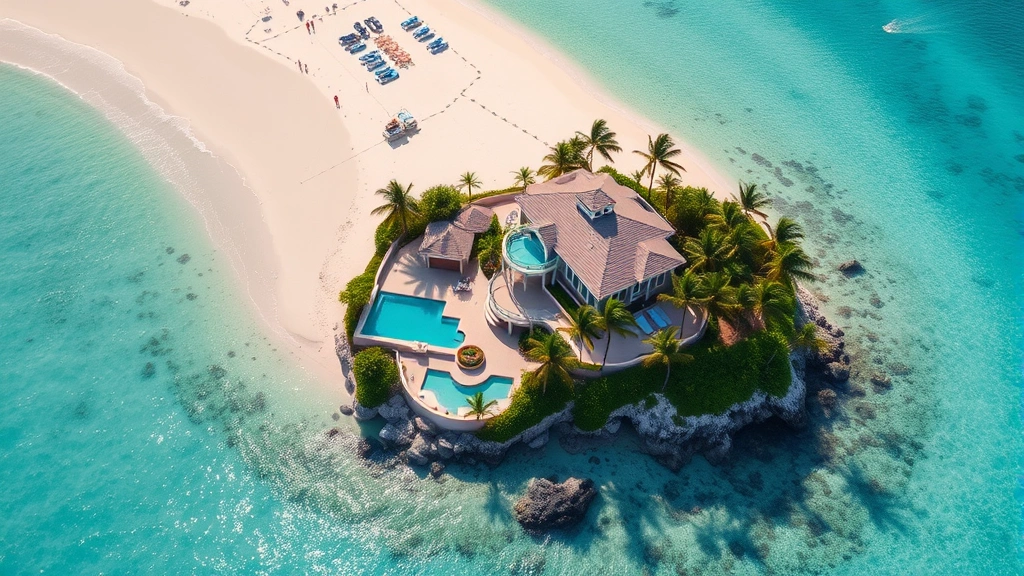
Dominica is the budget-friendly option: its citizenship-by-investment program starts at $100,000, and property tax is either zero or minimal depending on your property status. However, Dominica has experienced hurricanes and infrastructure challenges that potential residents should research thoroughly.
Antigua and Barbuda offers citizenship for approximately $100,000 investment, with favorable property tax treatment for residents. The trade-off? You’ll likely pay higher income taxes or VAT to compensate for lost property tax revenue.
European Countries With Low/No Tax
Europe isn’t typically known for tax-free living, but a few countries buck the trend. Malta charges minimal property tax (around 0.2% of estimated rental value annually), making it one of Europe’s most attractive options for property owners. The cost of living is reasonable, and EU citizenship provides mobility.
Cyprus offers a similar appeal with low property taxes and EU membership. However, recent changes to citizenship-by-investment programs have made entry more restrictive.
Georgia (the country, not the U.S. state) offers a unique proposition: foreign nationals can own property tax-free for the first 10 years after purchase. After that, property tax kicks in, but it remains low. Plus, Georgia’s residency visa is affordable and straightforward to obtain.
These European options work well if you want to stay within the EU/EEA framework while minimizing property tax obligations.
Middle East & Gulf States
The UAE (United Arab Emirates) has no property tax, no income tax, and no corporate tax for most residents. Dubai and Abu Dhabi are modern, cosmopolitan cities with excellent infrastructure. However, the UAE’s residency requirements are strict: you typically need employment or a significant investment (around $1 million+).
Qatar similarly offers no property tax and no income tax, but access is limited to high-earning expatriates or business investors. Saudi Arabia has recently opened to foreign investment, with no property tax on residential real estate, though ownership rules are complex.
The Gulf states are appealing financially but come with lifestyle adjustments, strict labor laws, and less political freedom than Western nations.
Hidden Costs & Trade-Offs
Here’s where the dream gets real: eliminating property tax doesn’t mean you escape all housing-related costs. Before relocating, understand these hidden expenses:
Income Tax: Countries without property tax often compensate with 30-45% income tax rates. If you’re self-employed or have investment income, this could exceed what you’d pay in property tax back home.
VAT/Sales Tax: Many property-tax-free nations impose 15-20% VAT on purchases, including real estate transactions. That’s a massive upfront cost.
Maintenance & HOA Fees: Especially in developments, annual maintenance fees can rival property taxes. In some Caribbean islands, these run $3,000-$8,000 yearly.
Currency Risk: If you earn in dollars but own property in euros or AED, exchange rate fluctuations can wipe out your tax savings.
Liquidity Issues: Foreign real estate is often harder to sell quickly. You might be locked into an investment longer than planned, and buyer pools are smaller.
It’s also worth noting that the U.S. taxes citizens on worldwide income regardless of where they live, so American expats don’t automatically escape U.S. tax obligations. You’ll need to file FBAR (Foreign Bank Account Report) and FATCA forms.

Visa & Residency Requirements
You can’t just move to a country without property tax and buy a home—immigration rules vary dramatically.
Investment-Based Visas: Many nations require a minimum property purchase ($100,000-$1 million+) to grant residency. This is common in Caribbean nations, Cyprus, Malta, and Georgia.
Employment Visas: Gulf states primarily grant residency through employment. You need a job offer from a local employer, and residency is tied to that employment.
Retirement Visas: Some countries (Portugal, Spain, Greece) offer residency to retirees with passive income. Property tax is typically low but not zero.
Citizenship-by-Investment: Caribbean nations and Malta offer citizenship (not just residency) for $100,000-$250,000+. This provides the most security but is expensive.
Always consult an immigration attorney before committing. Visa rules change, and what’s available today might not be tomorrow.
How to Relocate Strategically
If you’re seriously considering a move to escape property tax, follow this roadmap:
Step 1: Calculate Your True Savings Compare your current property tax bill against the income tax, VAT, and other costs in your target country. Use a spreadsheet to model scenarios over 10-20 years, accounting for currency fluctuations.

Step 2: Test-Drive the Location Rent for 3-6 months before buying. Visit during different seasons, explore neighborhoods, and talk to expats already living there. Many people romanticize relocations and regret them after a year.
Step 3: Hire Local Professionals Engage a tax accountant, immigration lawyer, and real estate agent familiar with foreign buyers. Their fees ($2,000-$5,000) are investments in avoiding costly mistakes.
Step 4: Consider Dual Residency Some people maintain property in their home country while establishing residency abroad. This provides flexibility and security if the move doesn’t work out.
Step 5: Understand Your Home Country’s Rules If you’re American, consult a CPA about expatriate tax obligations. If you’re from another nation, research similar requirements. You might still owe taxes back home even while living abroad.
For context on how property taxes work in your current location, check out resources like Philadelphia real estate taxes or Pennsylvania real estate tax rebate programs, which show how some jurisdictions offer relief rather than elimination.
Frequently Asked Questions
Can Americans living abroad avoid U.S. property tax?
No. U.S. citizens must file tax returns and pay taxes on worldwide income, regardless of where they live. However, the Foreign Earned Income Exclusion (FEIE) allows you to exclude up to $120,000 of foreign earned income from U.S. taxation annually. Property tax specifically applies to the property location, not your citizenship. If you own U.S. property while living abroad, you still owe property tax on that property.
Is it cheaper to relocate than to pay property tax?
It depends on your property tax bill and target country. If you pay $8,000 annually in property tax and move to a country with 35% income tax on $50,000 annual income ($17,500 tax), you’ve actually paid more. However, if you’re retiring with passive income or have business income, the math might work. Run detailed numbers before deciding.
What happens if I buy property in a no-property-tax country but don’t establish residency?
Rules vary. Some nations allow non-residents to own property (Anguilla, Turks and Caicos) but may charge higher transfer taxes or annual fees. Others restrict foreign ownership entirely. Always verify ownership rules before purchasing.
Can I rent out property in a no-property-tax country?
Yes, but rental income is typically taxed. The property itself isn’t taxed annually, but your profits are. Some nations offer favorable rental income tax rates (5-10%) compared to employment income.
Are countries without property tax safe for investment?
Safety varies. Developed nations like the UAE, Malta, and Monaco are politically stable and have strong legal systems. Caribbean islands vary—some are stable (Cayman Islands, Turks and Caicos), while others face economic or governance challenges (Dominica, St. Lucia). Research thoroughly and use escrow services for transactions.
How does property ownership work for non-citizens?
It depends on the country. Some allow full ownership (UAE, Malta, Cayman Islands), while others restrict it to residents or citizens. Some require you to establish a local company to own property. Always have a lawyer review ownership structures before purchasing.
Final Thoughts
Countries without property tax offer genuine financial benefits—but they’re not magic bullets. The savings depend entirely on your income sources, family situation, and lifestyle preferences. A high-earning professional might save $10,000+ annually by relocating to the UAE, while a retiree living on Social Security might see little benefit.
Before fantasizing about beachfront living in Turks and Caicos or modern apartments in Dubai, do the math. Model your actual tax burden in your target country, factor in relocation costs, and honestly assess whether you’d be happy living there. Some people thrive abroad; others are miserable despite the tax savings.
If you’re currently frustrated with property taxes in the U.S., explore alternatives first. Some states offer homestead tax credits or exemptions that might reduce your burden significantly. You might also consider whether properties held by certain organizations avoid property taxes, which could inform strategies for structuring your own holdings.
The bottom line: relocating to escape property tax can work, but it requires careful planning, realistic expectations, and professional guidance. If you do your homework and find the right fit, you could genuinely save thousands while building wealth in a new country. Just don’t let tax savings be your only reason for moving—quality of life matters too.


