

The county of San Francisco property tax system is one of the most complex and expensive in California, with homeowners facing assessments that can significantly impact their monthly budgets. Whether you’re a longtime resident or new to the Bay Area, understanding how San Francisco’s property tax works—and where you can save money—is essential to protecting your wealth.
Table of Contents
San Francisco Property Tax Basics
San Francisco County property taxes are calculated based on the assessed value of your property multiplied by the applicable tax rate. Unlike many states, California—and specifically San Francisco—operates under Proposition 13, a landmark 1978 law that fundamentally changed how property is assessed and taxed.
The basic formula is straightforward: Assessed Value × Tax Rate = Annual Property Tax. However, the assessed value isn’t always what you paid for your home. Understanding this distinction is crucial for San Francisco homeowners who want to keep more money in their pockets.
San Francisco’s property tax system generates approximately $1.5 billion annually in tax revenue, funding schools, public safety, and infrastructure. But that doesn’t mean you can’t strategically reduce your burden through legitimate deductions and exemptions.
How Assessment Works Here
The San Francisco Assessor-Recorder’s Office determines the assessed value of every property in the county. Here’s where it gets interesting: your assessed value may be significantly different from your market value.
Under Proposition 13, properties are initially assessed at market value when purchased. After that, the assessed value can only increase by a maximum of 2% per year, regardless of how much the actual property value increases. This is why a home purchased in 2010 might have an assessed value far below its current market worth.
However, when you purchase a property, the Assessor conducts a reassessment at the new purchase price. This creates the infamous “Proposition 13 jump” that catches many new buyers off guard. If you bought your San Francisco home for $2 million, your assessed value will be approximately $2 million (plus any improvements you’ve made).
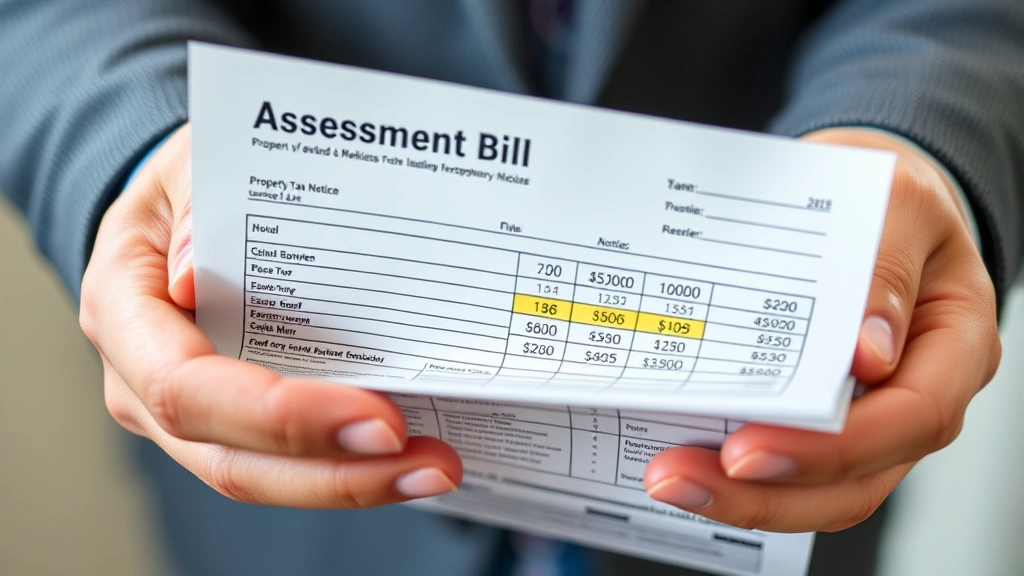
The Assessor’s Office sends out assessment notices annually. If you believe your assessment is incorrect, you have the right to appeal—and many San Francisco homeowners successfully reduce their tax burden this way.

Proposition 13 Impact
Proposition 13 is simultaneously a blessing and a curse for San Francisco property owners. For long-term residents, it’s a massive tax shelter. For new buyers, it can feel punitive.
The 2% annual increase cap means that if you bought your home 20 years ago for $500,000, your assessed value today might be around $740,000—while the actual market value could be $3 million or more. You’re paying taxes on the lower assessed value, which is why some lifelong San Francisco residents have property tax bills that seem shockingly low compared to their neighbors who bought recently.
This creates an interesting dynamic: California property tax due dates affect everyone equally, but the amounts vary wildly based on purchase timing. A couple who bought their Pacific Heights Victorian in 1995 might pay $8,000 annually, while their neighbor who bought an identical home in 2023 pays $40,000.
While Proposition 13 benefits existing homeowners, it also means San Francisco County receives less tax revenue than it would under a market-value assessment system, which some argue affects school funding and public services.
Current Tax Rates Explained
San Francisco’s effective property tax rate is approximately 0.76% of assessed value—among the lowest in California. However, this base rate is supplemented by voter-approved bonds and special assessments that can increase your total tax burden.
Here’s the breakdown of what you’re actually paying:
- Base rate: Approximately 0.76% of assessed value
- School bonds: Variable, typically 0.10-0.15%
- City bonds: Variable, typically 0.05-0.10%
- Special assessments: Varies by neighborhood and specific improvements
For a property with a $1 million assessed value, you might pay around $7,600 in base taxes, plus additional amounts for bonds and assessments. The total can easily exceed $9,000 annually.

It’s worth noting that San Francisco also imposes a Real Estate Transfer Tax on home sales, which ranges from 0.5% to 2.5% depending on the sale price and property type. This is separate from property tax but represents another significant cost for buyers.
Homeowner Exemptions Available
San Francisco offers a homeowner’s exemption that can reduce your assessed value by $7,000 (as of 2024, though this amount adjusts annually). This might not sound like much, but it translates to roughly $53 in annual tax savings at the base rate.
To qualify, you must:
- Own and occupy the property as your primary residence
- File a homeowner’s exemption claim with the Assessor-Recorder
- Be a California resident
- Have owned the property for at least one year (with some exceptions for new purchases)
Many San Francisco homeowners miss this exemption simply because they don’t file. The Assessor’s Office doesn’t automatically apply it—you must claim it. If you haven’t filed, you can apply retroactively for up to four years of back benefits.
Additionally, if you’ve made significant improvements to your property (new roof, major renovation, etc.), you may be able to claim an improvement exemption that temporarily limits the assessed value increase from those improvements.
Senior & Disability Benefits
California provides substantial property tax relief for seniors and disabled individuals. If you’re 65 or older (or disabled at any age), you may qualify for a postponement program that allows you to defer property taxes until your property is sold or transferred.
The Senior Homeowner Property Tax Postponement Program is particularly valuable for San Francisco residents on fixed incomes. Here’s how it works:
- You can postpone up to 100% of your property taxes
- The deferred taxes become a lien against your property
- The lien is paid from your estate when the property is sold or transferred
- There’s a minimum property value requirement (currently around $40,000)
To qualify, you must be at least 65 years old, have a household income below a certain threshold (roughly $46,000 for a single person), and own your home outright or have significant equity.
Disabled persons under 65 can also qualify if they meet income and disability requirements. This program has saved thousands of San Francisco seniors from displacement due to rising property taxes.
Property Tax Appeal Process
If you believe your property is assessed too high, you have the right to appeal. This is one of the most underutilized tools for San Francisco property owners—and it works.
The appeal process involves these steps:
- File a Proposition 8 appeal within 30 days of receiving your assessment notice (or by July 15 if you miss the initial deadline)
- Gather evidence supporting a lower value: comparable sales, inspection reports, property condition documentation
- Present your case to the Assessment Appeals Board, either in writing or at a hearing
- Receive a decision within 60-90 days
- Appeal further to the Assessment Appeals Board or Superior Court if needed
Many San Francisco homeowners successfully reduce their assessed values by 5-15% through appeals, particularly if they can demonstrate that their property is in worse condition than comparable properties or if recent market data supports a lower valuation.
You don’t need to hire an attorney to appeal, though some people do. The San Francisco Assessor-Recorder’s Office provides free resources and guidance on the appeal process.
Money-Saving Strategies
Beyond appeals and exemptions, here are practical ways to reduce your San Francisco property tax burden:
1. Document Property Condition Issues – If your property has deferred maintenance, structural issues, or other problems affecting value, document them thoroughly. This supports a lower assessment.
2. Monitor Comparable Sales – Keep track of similar properties selling in your neighborhood. If they’re selling for less than the assessed value of your home, that’s appeal ammunition.
3. Claim All Eligible Exemptions – Beyond the homeowner exemption, check if you qualify for veteran exemptions, disabled veteran exemptions, or other special classifications.
4. Review Your Assessment Notice Carefully – Errors happen. Check that your property description, square footage, and lot size are accurate. Mistakes can sometimes be corrected without a formal appeal.
5. Understand Bond Measures Before Voting – While school and infrastructure bonds are important, they increase your property tax burden. Vote thoughtfully and understand the long-term impact.
6. Plan Your Home Improvements Strategically – Major renovations can trigger reassessment. Work with a tax professional to understand the timing and impact of improvements.
For context on how San Francisco compares to other California counties, when is California property tax due applies uniformly, but assessed values vary dramatically. San Francisco’s high market values mean higher absolute tax bills, even with the low effective rate.

Frequently Asked Questions
What if I just bought property in San Francisco?
Your property will be reassessed at the purchase price. This is the “Proposition 13 jump” that surprises many new buyers. You’ll pay taxes on the full purchase price, then benefit from the 2% annual cap going forward. If you believe the assessment is incorrect, you can appeal within 30 days of receiving the notice.
Can I reduce my property tax if I’m retired?
Yes. If you’re 65 or older, you may qualify for the Senior Homeowner Property Tax Postponement Program, which allows you to defer taxes until the property is sold. You must meet income requirements and own your home outright or have significant equity.
How often should I appeal my assessment?
You can appeal annually if you believe your assessment is incorrect. However, appeals are most effective when you have new comparable sales data or can document a significant change in property condition. Filing frivolous appeals may result in fees.
Are property taxes deductible on my federal return?
Yes, but with limitations. The federal Tax Cuts and Jobs Act of 2017 capped the State and Local Tax (SALT) deduction at $10,000 per year. This affects many San Francisco homeowners with high property taxes. Consult a tax professional about your specific situation.
What’s included in my property tax bill?
Your bill includes the base property tax (0.76% of assessed value) plus voter-approved bonds for schools, city services, and special assessments for specific improvements in your area. You’ll receive a detailed breakdown on your annual bill.
Can I transfer my Proposition 13 assessment to a new home?
Yes, if you’re 55 or older, disabled, or a victim of natural disaster, you can transfer your Proposition 13 benefits to a replacement property of equal or lesser value. This must be done within two years of selling your previous home.
Final Thoughts
The county of San Francisco property tax system rewards long-term homeowners and penalizes new buyers—that’s the reality of Proposition 13. But understanding how the system works gives you power to reduce your burden through appeals, exemptions, and strategic planning.
Don’t leave money on the table by ignoring your assessment notice or assuming your tax bill is set in stone. Many San Francisco homeowners successfully lower their taxes through legitimate means. If you’re unsure about your specific situation, consult with a tax professional or contact the San Francisco Assessor-Recorder’s Office directly—they’re surprisingly helpful.
For comparison with other California counties, you might also review how Fairfax County real estate tax assessment differs from California’s system, or explore property tax structures in other states like Waukesha County property tax to understand how fortunate (or unfortunate) you are with San Francisco’s rates.


