

Cumberland County NC property tax is a critical expense for homeowners and property investors in the Fayetteville area, and understanding how it works can help you keep more money in your pocket. Whether you’re buying your first home, refinancing, or managing investment properties, property taxes in Cumberland County directly impact your monthly housing costs and long-term wealth building.
Table of Contents
How Property Taxes Are Calculated
Understanding the mechanics behind your property tax bill removes a lot of the mystery and anxiety. In Cumberland County, property taxes work using what’s called an ad valorem tax system, which means “according to value.” Your tax bill is based on the assessed value of your property, not some arbitrary number pulled out of thin air.
Here’s the straightforward formula: Assessed Property Value × Tax Rate = Annual Property Tax. The county assessor determines your property’s assessed value, and the tax rate is set by the Cumberland County Board of Commissioners. For most homeowners, this results in a bill that arrives annually, though you can often pay in installments.
The assessed value typically represents about 95% of the property’s fair market value, though this can vary based on recent sales data and comparable properties in your neighborhood. If you bought your home for $300,000, the assessor might value it at $285,000 to $300,000 depending on market conditions and property characteristics.
Current Tax Rates in Cumberland
As of the latest fiscal year, Cumberland County’s property tax rate sits at approximately $0.90 per $100 of assessed value for residential properties. This means on a home assessed at $250,000, you’d owe roughly $2,250 annually in property taxes—though this can shift based on county budget decisions and voter-approved referendums.
The county also offers different rates for agricultural properties, business personal property, and public utilities, so if you own land used for farming or operate a business, your rate might differ. It’s worth noting that Cumberland County occasionally adjusts rates to fund schools, emergency services, and infrastructure improvements, so checking the official Cumberland County website annually ensures you’re working with current figures.
Compared to neighboring counties, Cumberland’s rates are relatively moderate for North Carolina. However, when combined with state sales tax considerations like NC sales tax on automobiles, your total tax burden deserves careful attention during purchase planning.
Homestead Exemptions & Relief
This is where things get genuinely helpful for many homeowners. North Carolina offers a homestead property tax exemption that can meaningfully reduce your tax bill. If you own and occupy your home as your primary residence, you may qualify for an exemption on a portion of your home’s value.
The homestead exemption in North Carolina allows eligible homeowners to exempt up to $25,000 of the assessed value of their primary residence from property taxation. For someone with a home assessed at $250,000, this effectively means taxes are calculated on $225,000 instead—a savings of about $225 per year at Cumberland County’s current rates.
To claim this exemption, you’ll need to file an application with the Cumberland County Tax Assessor’s office. You’ll need to prove ownership and that the property is your primary residence. The good news? Once approved, it typically continues year after year without needing to reapply, though you should notify the assessor if you move or change your primary residence status.
Understanding the Assessment Process
Every four years, Cumberland County performs a revaluation of all properties to ensure assessed values remain fair and current. This isn’t personal—it’s a systematic process designed to keep the tax system equitable across all property owners. The county uses sales data, property characteristics, and market analysis to determine fair market values.
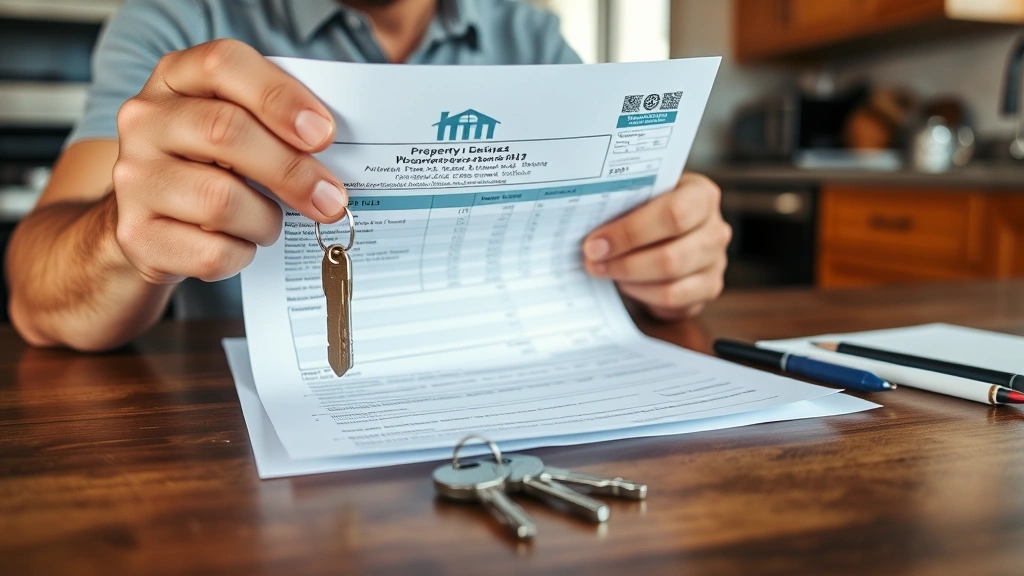
During the revaluation year, you’ll receive a notice of value showing the county’s assessment of your property. This is your official opportunity to review the information and file an appeal if you believe the value is inaccurate. The assessment considers factors like:
- Square footage and lot size
- Age and condition of structures
- Recent comparable sales in your area
- Special features (pools, outbuildings, etc.)
- Zoning and land use classification
Between revaluation years, the county typically applies a “rollback” or adjustment factor to account for market changes. This keeps assessments more current without conducting a full revaluation annually.

Payment Deadlines & Methods
Cumberland County property tax bills are due in two installments each calendar year. The first installment typically comes due September 1st, and the second installment is due January 6th. Missing these deadlines can result in penalties and interest charges that quickly compound.
You have several convenient payment options:
- Online: Pay through the Cumberland County Tax Collector’s website with a credit card or electronic check
- By Mail: Send a check to the Tax Collector’s office with your bill stub
- In Person: Visit the Tax Collector’s office during business hours
- Automatic Payment: Set up recurring payments to avoid missing deadlines
If you have a mortgage, your lender may handle property tax payments through an escrow account, automatically deducting a portion from your monthly payment. This is actually helpful because it prevents the shock of a large bill and ensures you never miss a deadline.
How to Challenge Your Assessment
If you believe your property has been assessed unfairly, you have the right to appeal. This isn’t confrontational—tax assessors expect some appeals and have a formal process to review them. Many successful appeals result from simple errors like incorrect square footage or miscategorized property features.
The appeal process in Cumberland County typically involves:
- File a Notice of Appeal: Submit this form to the Tax Assessor within 30 days of receiving your assessment notice
- Attend a Hearing: Present evidence supporting your position (comparable sales, inspection reports, etc.)
- Receive a Decision: The Assessment Review Board makes a determination
- Further Appeal (if needed): You can appeal to the North Carolina Department of Revenue if dissatisfied
Bring documentation like recent appraisals, photographs of property condition issues, or sales prices of similar homes that sold for less. Real estate agents and appraisers can often provide comparable market analysis that strengthens your case. Similar to how property owners might protest property tax assessments in Alabama, Cumberland County takes these appeals seriously.

Senior & Disabled Property Owner Benefits
If you’re 65 or older, disabled, or a surviving spouse of someone who qualified, Cumberland County offers additional property tax relief beyond the standard homestead exemption. These programs recognize that fixed incomes make property tax increases particularly burdensome.
The Senior Citizen Property Tax Deferral Program allows qualifying seniors to defer property taxes until the property is sold or transferred. This doesn’t eliminate the tax—it simply delays payment, which can significantly improve cash flow during retirement years.
The Disabled Person’s Property Tax Exemption provides similar relief for disabled individuals. To qualify, you’ll need documentation of your disability status and proof that the property is your primary residence. The Cumberland County Tax Assessor’s office can provide specific applications and eligibility requirements.
Smart Tax-Saving Strategies
Beyond exemptions and deferrals, here are practical strategies to minimize your property tax burden:
Energy-Efficient Improvements: Some states offer tax credits for solar installations and energy-efficient upgrades. While North Carolina’s incentives vary, check with the county about any available programs.
Agricultural Use Classification: If you own land used for farming or forestry, applying for agricultural classification can significantly reduce your tax rate. This requires meeting specific acreage and income requirements.

Accurate Property Records: Regularly review your assessment for errors. Mistakes happen—wrong square footage, missing boundary adjustments, or incorrectly coded property features. Catching these saves money immediately.
Timing Home Purchases: Understanding how revaluation years work can inform your purchase timing. A home purchased just after a revaluation won’t be reassessed for four years, potentially saving you from immediate value increases.
Homeowner Association Considerations: If buying in a community with HOA fees, factor these into your total housing costs alongside property taxes. Unlike property taxes, HOA fees aren’t tax-deductible for primary residences.
Consider consulting with a property tax specialist familiar with North Carolina counties if you own significant real estate holdings. The cost of professional guidance often pays for itself through identified savings.
Frequently Asked Questions
What happens if I don’t pay my Cumberland County property taxes?
Unpaid property taxes accrue interest and penalties. After a certain period, the county can place a lien on your property or, in extreme cases, foreclose and sell the property to satisfy the tax debt. It’s critical to pay on time or contact the Tax Collector’s office immediately if you’re experiencing hardship.
Can I deduct Cumberland County property taxes on my federal income tax?
Yes, if you itemize deductions on your federal tax return. Property taxes are deductible as SALT (State and Local Taxes), though there’s a $10,000 annual cap for married couples filing jointly. Most homeowners should verify whether itemizing or taking the standard deduction saves more money.
How often does Cumberland County reassess properties?
A full revaluation occurs every four years. Between revaluations, the county applies adjustment factors to account for market changes. You’ll receive a notice of value during revaluation years.
What’s included in my property tax bill besides the county tax?
Your bill may include county property taxes, school district taxes, fire district taxes, and other special assessments depending on your location within Cumberland County. Each component funds different services.
Can I pay property taxes monthly instead of twice yearly?
Most homeowners with mortgages pay through escrow accounts, which effectively spreads payments monthly. If you own your home outright, contact the Tax Collector’s office about payment plan options or set up automatic payments aligned with your budget.
Do new homeowners get any property tax breaks?
North Carolina doesn’t offer a “new homeowner” exemption, but you may qualify for the homestead exemption regardless of when you purchased. First-time homebuyers should also explore federal tax credits and state incentive programs unrelated to property taxes.
What makes Cumberland County property taxes different from neighboring counties?
Each North Carolina county sets its own tax rate and determines local exemptions and programs. Cumberland’s rate is moderate compared to statewide averages, but neighboring counties like Hoke or Sampson may differ. Always compare total tax burden when considering relocating within the state.
Final Thoughts on Managing Your Property Tax
Cumberland County NC property tax doesn’t have to be a mystery or a source of stress. By understanding how assessments work, knowing what exemptions apply to you, and staying aware of payment deadlines, you can manage this significant expense effectively. The key is being proactive: file for exemptions you qualify for, review assessments for accuracy, and don’t hesitate to appeal if something seems wrong.
Remember that property taxes fund essential services—schools, emergency responders, road maintenance—that benefit your community and property values. While nobody enjoys the bill, viewing it as an investment in your neighborhood’s quality of life can shift the perspective from burden to responsibility.
If you’re new to Cumberland County or planning to purchase property here, take time to contact the Tax Assessor’s office or visit their website. They’re surprisingly helpful, and getting answers to your specific questions now prevents costly surprises later. Your financial plan is only as solid as the details you understand, and property taxes are definitely a detail worth mastering.


