

Finding Dane County property tax records doesn’t have to feel like hunting for a needle in a haystack. Whether you’re a homeowner reviewing your assessment, a real estate investor doing due diligence, or just curious about a property’s tax history, accessing these public documents is more straightforward than you might think. In this guide, I’ll walk you through exactly how to locate, understand, and use Dane County property tax records to your advantage.
Table of Contents
Accessing Records Online
The easiest way to access Dane County property tax records is through the official Dane County website. The county maintains a searchable property database that’s free to use and available 24/7. You can search by owner name, address, or parcel number—whichever you have handy.
Head to the Dane County Register of Deeds or Assessor’s office portal and enter your search criteria. Within seconds, you’ll pull up property details including assessed value, tax classification, and recent assessment history. No passwords, no fees, no hassle. This is the gold standard for accessing property tax records in Wisconsin counties.
If you’re not tech-savvy, don’t worry. The interface is intentionally user-friendly. You can also access records through third-party sites like Zillow or Redfin, though they sometimes lag behind the official county database by a few weeks.
Dane County Assessor Office
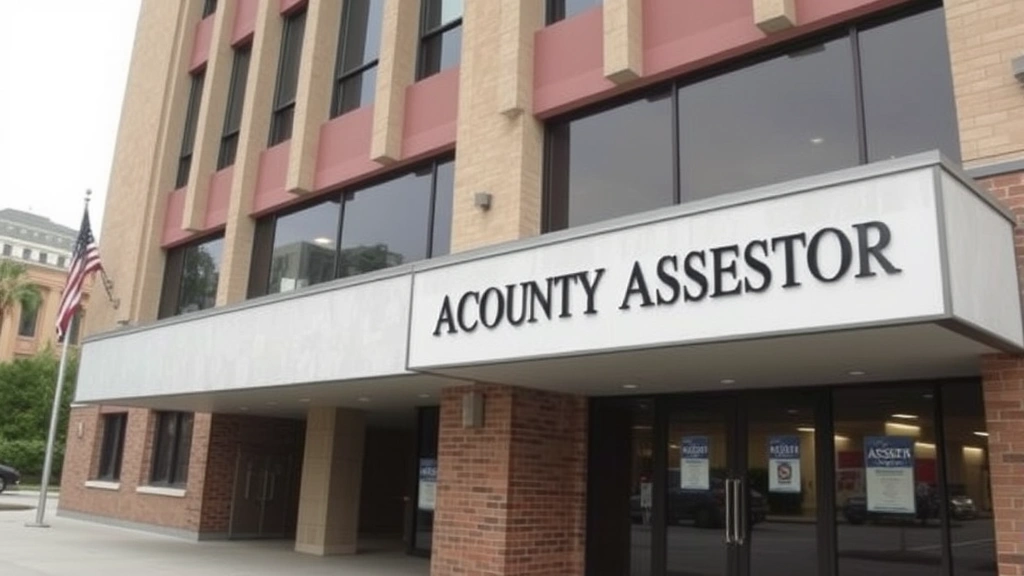
The Dane County Assessor’s office is your official source for property valuations and tax assessments. Located in Madison, this office handles the annual assessment of all real and personal property in the county. If you need detailed information beyond what’s available online, you can visit in person, call, or submit a written request.
The assessor’s staff can explain how your property was valued, what comparable sales were used, and whether your assessment aligns with similar properties in your neighborhood. They’re also the folks who handle assessment appeals if you believe your property has been overvalued. Think of them as your first line of contact when questions arise about property assessment records.
Pro tip: Call ahead if you’re planning to visit. During tax season (typically January through March), the office gets slammed with inquiries. A quick phone call can save you a trip downtown.

Understanding Property Tax Basics
Before diving into records, let’s clarify what property tax actually is. Property tax is an annual tax levied on real estate based on its assessed value. In Wisconsin, this includes both land and structures. Unlike income tax, which varies by earnings, property tax is calculated as a percentage of your property’s assessed value multiplied by the local tax rate.
Here’s the key distinction: real estate tax and property tax are often used interchangeably, but technically property tax is the broader category that can include personal property. For most homeowners, though, we’re talking about real estate tax on your house and land.
Your property tax bill funds local schools, roads, emergency services, and other municipal operations. It’s one of the most direct ways your tax dollars support your community. Understanding this helps explain why your Dane County property tax records matter—they’re literally the foundation of local government funding.
What These Records Actually Show
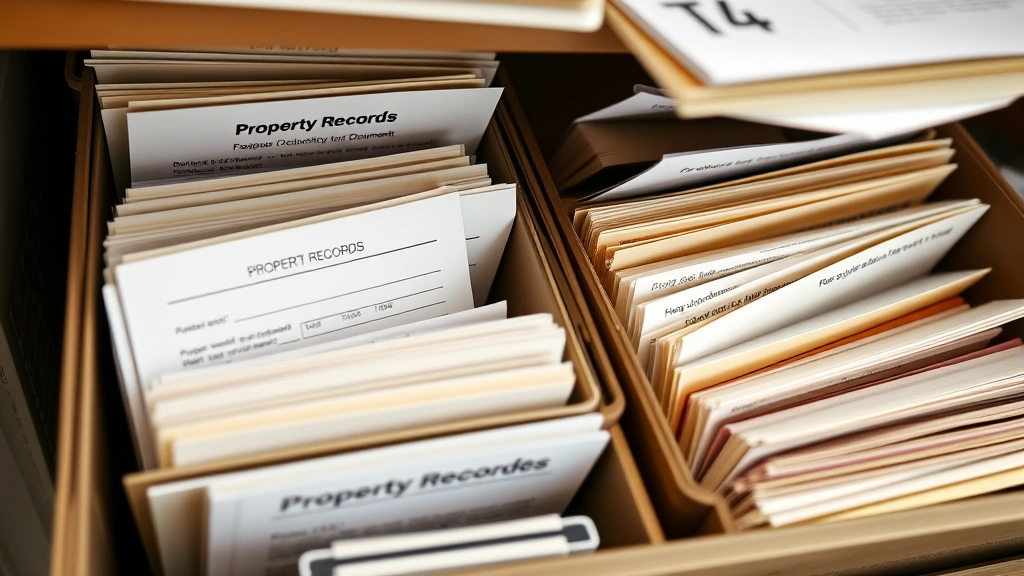
Dane County property tax records contain several critical pieces of information. The assessed value is the county’s estimate of what your property is worth for tax purposes—and this is NOT the same as market value. Your home might be worth $400,000 on the open market but assessed at $350,000 for tax purposes.
You’ll also see the property classification (residential, commercial, agricultural, etc.), which affects your tax rate. Tax classification matters because different property types are taxed differently. A commercial building pays a different rate than your primary residence.
The records show your tax rate, the calculation of your annual tax bill, and often historical assessment data going back several years. This historical perspective is valuable—you can spot trends and see whether your assessment has been creeping up or staying stable.
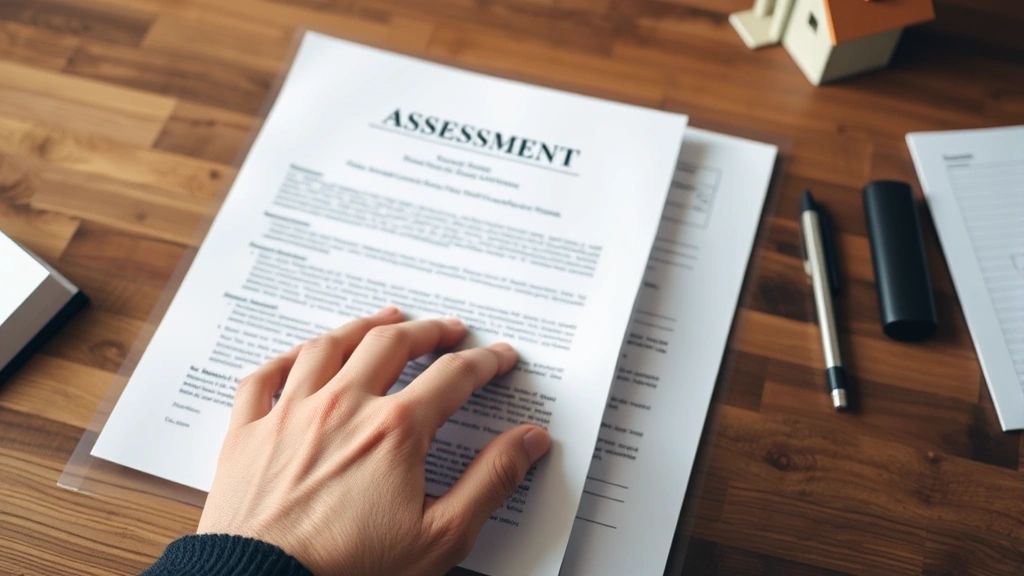
Additionally, you’ll find information about any exemptions or special assessments. If you qualify for a homestead exemption (which many homeowners do), this will appear in your records. Some properties also have special assessments for improvements like new sewer lines or road projects.
Property Assessment Process
Understanding how assessments happen helps you interpret your records. The Dane County Assessor’s office conducts a triennial reassessment cycle, meaning they reassess properties roughly every three years. During this cycle, assessors visit properties, review sales data, and adjust values to reflect current market conditions.
The assessment process isn’t arbitrary. Assessors use comparable sales analysis—looking at what similar properties in your area recently sold for—to determine value. They also consider property characteristics like square footage, lot size, age, condition, and special features. All of this data feeds into your assessment.
Once assessments are complete, the county publishes a preliminary assessment roll. This is your chance to review the records and object if something seems wrong. You’ll receive a notice in the mail (typically in November or December) informing you of your assessed value and your right to appeal.
Contesting Your Assessment
If you believe your assessed value is too high, you have the right to appeal. This is where understanding your Dane County property tax records becomes absolutely critical. You’ll need evidence—comparable sales data, assessment methodology errors, or proof that your property’s condition is worse than what the assessor documented.
The first step is filing a notice of objection with the Board of Review, typically due by the third Monday in July. You’ll attend a hearing where you present your case. Bring your documentation: recent appraisals, photos showing property defects, or a list of comparable sales with lower assessed values.
Many people successfully reduce their assessments through this process. The key is being organized and presenting clear evidence. If you’re uncomfortable doing this yourself, consider hiring a property tax consultant—the fee often pays for itself if you win a reduction.
Using Records for Investment
Real estate investors and house hunters should absolutely leverage Dane County property tax records. These records reveal assessment trends that signal market shifts. If you see properties in a neighborhood consistently increasing in assessed value, it suggests rising demand and potential appreciation.
Conversely, if assessments are dropping, it might indicate neighborhood decline or overbuilding. You can also spot properties that may be undervalued—those with assessments significantly below comparable properties. These are potential deals worth investigating further.
Additionally, tax records show whether properties have been recently reassessed or are due for reassessment soon. This affects future tax liability. If you’re buying a home that hasn’t been reassessed in several years, expect your taxes to potentially jump when the next assessment cycle hits.
For investors, cross-referencing property tax records with personal property tax information can reveal whether a commercial property has significant equipment or fixtures that affect its value and tax liability.
Common Mistakes to Avoid
Many people misinterpret their property tax records. The most common mistake is confusing assessed value with market value. Your assessed value is typically 80-90% of market value, but it’s not a real-time appraisal. It’s a snapshot from the last assessment cycle.

Another mistake is ignoring assessment notices. Seriously—read that notice when it arrives. Many people miss appeal deadlines simply because they didn’t realize they had the right to object. Mark your calendar for July to stay on top of the appeal window.
Don’t assume your assessment is correct just because it came from the government. Assessor offices are professional, but they’re also human. Errors happen—a property might be incorrectly classified, square footage might be wrong, or comparable sales might be outdated. Always verify.
Finally, avoid comparing your tax bill to your neighbor’s without understanding the full picture. Your neighbor might have different exemptions, a different property classification, or a different assessment date. Direct comparison is rarely apples-to-apples.
Frequently Asked Questions
Where exactly do I find Dane County property tax records online?
Visit the Dane County Register of Deeds website or the Dane County Assessor’s office portal. Both offer free searchable databases. You can search by owner name, address, or parcel number. The process takes less than a minute.
How often are property tax records updated?
Records are typically updated annually after the assessment roll is finalized, usually by late fall. However, some changes (like ownership transfers or exemptions) may be recorded more frequently throughout the year.
Can I view records for someone else’s property?
Yes. Property tax records are public documents. You can look up anyone’s property information. This transparency is intentional—it helps maintain fairness in the assessment process.
What’s the difference between assessed value and market value?
Assessed value is what the county determines your property is worth for tax purposes, typically 80-90% of market value. Market value is what your property would actually sell for on the open market. These concepts are related but distinct.
How can I lower my property taxes?
The most direct approach is challenging your assessment if you believe it’s too high. You can also explore exemptions (homestead exemption, disability exemption, etc.) or make energy-efficient improvements that might qualify for tax credits. Consulting the assessor’s office about available exemptions is always worthwhile.
What happens if I disagree with my assessment?
File a notice of objection with the Board of Review by the third Monday in July. You’ll get a hearing where you can present evidence supporting a lower value. If unsuccessful, you can appeal to the county or state level, though success becomes less likely at higher levels.
Are personal property taxes included in these records?
Dane County records primarily focus on real property (land and buildings). However, personal property tax information for businesses is also available through the county, though it’s often tracked separately.
Bottom Line
Dane County property tax records are powerful tools that deserve your attention. Whether you’re a homeowner wanting to understand your tax bill, an investor analyzing market trends, or someone simply curious about property values in your area, these records provide transparent, reliable information. The access is free, the data is current, and the insights can save you money or help you make smarter real estate decisions.
Start by visiting the Dane County Assessor’s office website and searching your property. Review your assessed value, understand how it was calculated, and compare it to similar properties nearby. If something seems off, don’t hesitate to file an appeal. This is your right as a property owner, and it’s a process designed to ensure fairness across the county.
For additional context on Wisconsin property taxation, check out our guides on Waukesha County tax records and Wisconsin paycheck optimization strategies. The more you understand about how taxes work in your state, the better financial decisions you’ll make.


