
If you own property in Delaware County, you already know that Delaware County property taxes can take a serious bite out of your budget. Whether you’re in Pennsylvania’s most populous county outside Philadelphia or managing investment properties, understanding how these taxes work—and where you can legally reduce them—is crucial to keeping more money in your pocket.
As a CPA who’s helped countless homeowners navigate local tax systems, I can tell you that most people leave money on the table simply because they don’t know what options exist. The good news? There are real, actionable strategies you can implement right now to lower your tax burden.
Table of Contents
- Understanding Delaware County Taxes
- Challenge Your Property Assessment
- Claim Homestead Exemption Benefits
- Senior & Disabled Resident Programs
- Agricultural & Conservation Exemptions
- File Assessment Appeals Strategically
- Pennsylvania Property Tax Rebate
- When to Hire a Professional
- Frequently Asked Questions
Understanding Delaware County Taxes
Delaware County property taxes are calculated using a straightforward formula: your property’s assessed value multiplied by the local tax rate. But here’s where it gets interesting—and potentially costly if you’re not paying attention.
The county reassesses properties periodically, and these assessments don’t always reflect current market conditions. I’ve seen homes assessed at values 15-20% higher than comparable sales, which means owners are paying taxes on inflated numbers. Understanding this system is your first line of defense.
Your property tax bill funds schools, municipalities, and county services. While you can’t avoid taxes entirely, you absolutely can reduce your taxable assessment through legitimate channels. That’s where these five strategies come in.
Challenge Your Property Assessment
This is the single most effective way to reduce your Delaware County property taxes, and it’s surprisingly underutilized. Every property owner has the right to challenge their assessment if they believe it’s inaccurate.
Here’s the process: Request your property’s assessment card from the county assessor’s office. Compare the details—square footage, number of bedrooms, lot size, condition—against your actual property. Errors happen frequently. I once found a client’s assessment listed an extra half-bath that didn’t exist, which overstated the value by $8,000.
If you find discrepancies, file a formal grievance during the designated appeal period (typically 30 days after assessments are mailed). You’ll need documentation: recent appraisals, comparable sales data, or a professional assessment. Many county assessor offices provide appeal forms and guidelines on their websites.
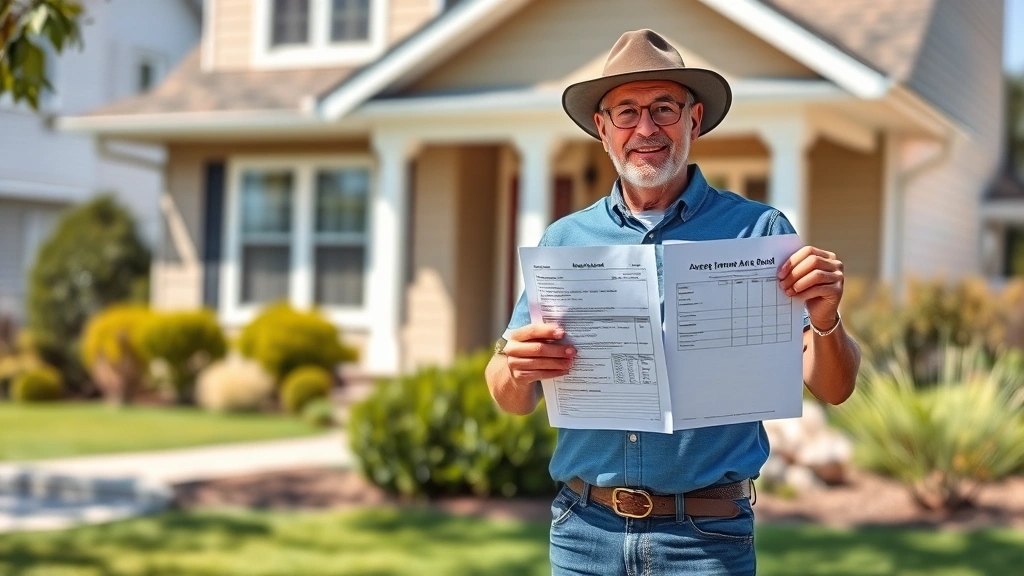
The key is gathering evidence. Pull comparable property sales from the past 6-12 months in your neighborhood. If your home sold for $350,000 but is assessed at $385,000, that’s concrete evidence for an appeal. This approach has saved my clients an average of $400-$800 annually in property taxes.
Claim Homestead Exemption Benefits
If your primary residence is in Delaware County, Pennsylvania, you may qualify for the Homestead Property Tax Exemption. This program reduces your assessed value, which directly lowers your tax bill.
Pennsylvania’s homestead exemption provides a tax break specifically for owner-occupied homes. The exact benefit varies by municipality, but many homeowners see reductions of $100-$300 per year. Some areas offer more generous exemptions, particularly for long-term residents.
To claim it, you’ll file an application with your municipality or county assessor’s office. You’ll need proof of ownership and residency—a deed, utility bill, or driver’s license showing your current address. The process is straightforward, but you must apply; they won’t automatically grant it.
Don’t overlook this. I’ve met homeowners who’ve lived in their properties for 10+ years without claiming their exemption. That’s leaving thousands of dollars on the table over time.
Senior & Disabled Resident Programs
Delaware County offers specific tax relief programs for seniors (typically age 65+) and disabled residents. These programs can provide substantial savings beyond standard homestead exemptions.
Pennsylvania’s Homestead Property Tax Exemption for seniors can exempt a portion of your home’s assessed value from school property taxes. Additionally, some municipalities offer local tax abatements for seniors and disabled persons. The benefits vary significantly depending on your specific municipality within Delaware County.

You’ll typically need to provide proof of age or disability status along with residency documentation. Applications are usually available through your township or borough office. Income limits may apply for some programs, so verify eligibility requirements.
The emotional relief matters too. Seniors on fixed incomes often worry about rising property taxes forcing them from their homes. These programs exist to prevent exactly that situation. If you or a family member qualifies, apply. The savings compound year after year.
Agricultural & Conservation Exemptions
If you own land in Delaware County that’s actively used for agricultural purposes, you may qualify for agricultural exemption status. This can reduce your assessment dramatically—sometimes by 50% or more.
Agricultural exemptions apply to farmland, orchards, vineyards, and similar properties. The key requirement: the land must be actively farmed or used for agricultural production. You can’t simply own rural land and claim the exemption; there must be genuine agricultural activity.
Conservation easements offer another avenue. If you’ve placed your property under a conservation easement to preserve open space or farmland, your assessed value decreases because the property’s development potential is restricted. This benefits both your tax bill and environmental conservation.
Document your agricultural activities carefully. Keep records of crop sales, livestock inventory, equipment use, and maintenance activities. If audited, you’ll need to prove the agricultural use is legitimate and ongoing.
File Assessment Appeals Strategically
Beyond the initial challenge, Delaware County allows formal assessment appeals through a structured process. Understanding the timeline and procedures is critical.
Most Delaware County municipalities have a specific appeal period each year, typically 30 days after assessments are mailed. Miss this window, and you’ll have to wait until the next assessment cycle. Mark your calendar when you receive your assessment notice.
When filing an appeal, present your strongest evidence first. Professional appraisals carry significant weight, though they cost $300-$500. If your home is slightly overassessed, comparable sales data from your assessor’s office might suffice and costs nothing.
Many homeowners win their appeals simply by presenting clear evidence of comparable properties selling for less. The assessor’s office wants accurate assessments—they’re not trying to overtax you. If you can show their valuation is out of line with market reality, they’ll often adjust it.
Pro tip: Attend your municipality’s assessment review board meeting if one is held. Presenting your case in person, with documentation, increases your chances of success. I’ve seen appeals approved on the spot when homeowners came prepared with recent comparable sales.
Pennsylvania Property Tax Rebate
Pennsylvania offers a PA Property Tax Rebate program for eligible homeowners and renters. While not exclusively for Delaware County, it’s a state-level benefit you shouldn’t miss.
The program provides rebates based on your income and property taxes paid. Seniors, disabled persons, and low-to-moderate income homeowners often qualify. The rebate amount varies, but eligible recipients can receive $500-$1,500+ annually.
Applying is simple: file a form with the state Department of Revenue, usually during tax season. You’ll need documentation of your property taxes paid and income verification. Many county assessor offices have application forms and can help you understand eligibility.

This is free money that many eligible homeowners never claim. If your household income is modest or you’re over 65, investigate this program immediately. The application window is typically January through June.
When to Hire a Professional
Sometimes the best investment is hiring a property tax professional—either a certified appraiser, tax attorney, or property tax consultant. Here’s when it makes sense:
Hire a professional if: Your property is worth over $500,000, you believe your assessment is significantly inflated (more than 10% overvalued), you’ve already lost an appeal and want to try again, or your property is complex (multi-unit, commercial/residential mix, unusual features).
DIY is fine if: Your property is straightforward, the overassessment is minor, you have clear comparable sales data, and you’re comfortable presenting evidence to the assessor’s office.
Professional appraisals cost $300-$600 but can justify themselves if they support a successful appeal. A tax consultant might charge $500-$2,000 for a complete assessment challenge, but if they save you $2,000-$5,000 annually, that’s a solid return on investment.
I recommend getting quotes from multiple professionals. Interview them about their success rate with Delaware County appeals specifically. Someone who regularly handles assessments in your specific municipality will have better insights into what the assessor is likely to accept.
Frequently Asked Questions
How often can I appeal my Delaware County property assessment?
You can file an appeal during your municipality’s designated appeal period, typically once per year. If your appeal is denied, you may pursue additional remedies through the county board of assessment appeals or court system, but these have different timelines and procedures. Most homeowners should focus on getting the initial appeal right the first time.

Will challenging my assessment trigger an audit of my entire property?
No. Assessment challenges are routine—assessors expect them and don’t view them as adversarial. Filing an appeal won’t cause the assessor to scrutinize other aspects of your property or taxes. It’s a normal part of the system.
What if I disagree with the assessor’s decision on my appeal?
You have the right to appeal to your county board of assessment appeals. This is a more formal process, often requiring documented evidence and sometimes legal representation. If you lose there, you can pursue court appeals, though this becomes expensive and should only be considered for significant overassessments.
Are property tax payments deductible on my federal income tax?
Yes, but with limitations. You can deduct state and local property taxes (SALT) on your federal return, up to $10,000 per year total for all state and local taxes combined. This applies whether you itemize deductions or not, up to that cap. Keep records of your property tax payments for documentation.
How do I find comparable sales data for my assessment appeal?
Contact your county assessor’s office—they’ll provide recent sales data for comparable properties. Real estate websites like Zillow and Redfin also show recent sales prices. Your local real estate agent can pull comparable market analysis data. Focus on homes sold within the past 6-12 months in your neighborhood with similar characteristics (size, age, condition).
What’s the difference between assessed value and market value?
Assessed value is what the county determines your property is worth for tax purposes. Market value is what your home would actually sell for today. They’re often different. Assessment appeals are based on the argument that assessed value exceeds fair market value.
Final Thoughts on Reducing Your Tax Bill
Reducing your Delaware County property taxes doesn’t require complex strategies or aggressive tactics. It requires knowledge and action. Most homeowners can implement at least 2-3 of these strategies immediately: verify your assessment for errors, claim available exemptions, and research the state rebate program.
The key is starting now. Property tax bills compound year after year. Saving $500 annually might not sound dramatic, but over a 20-year homeownership period, that’s $10,000 in your pocket instead of the county’s coffers.
If you’re unsure where to start, begin with a free assessment review from your county assessor’s office. Many will explain their valuation without charging anything. Then decide if you need professional help or can handle an appeal yourself.
Remember: these programs and strategies exist for you to use. Tax professionals, assessor offices, and government programs are designed to help property owners pay their fair share—not an inflated share. Take advantage of them. Your wallet will thank you.