

The question of whether do homeless people pay taxes might seem straightforward, but the answer is far more nuanced than a simple yes or no. The truth is that homelessness and tax obligations exist in a complicated gray zone where income, filing requirements, and individual circumstances all play crucial roles. Let’s break down what the IRS actually expects and what reality looks like on the streets.
Table of Contents
Income Requirements for Filing
Here’s where we need to get technical for a moment: the IRS doesn’t care about your housing status—it cares about your income. If you’re homeless and earned income above certain thresholds in the tax year, you’re technically required to file, just like anyone else.
For 2024, the filing requirement threshold for single filers under 65 is $13,850 in earned income. If you’re homeless and made more than that through any legitimate work—whether it’s day labor, gig work, or part-time employment—the IRS expects a tax return. The same applies if you have net self-employment income of $400 or more, regardless of your living situation.
But here’s the kicker: many homeless individuals earn income sporadically and often below these thresholds. A person doing odd jobs for cash might make $200 one week and nothing the next. These irregular earnings often don’t trigger filing requirements, which is why enforcement is practically nonexistent in this population.
Earned Income and Homeless Workers
Homeless people who work face unique challenges in the tax system. Some have legitimate W-2 jobs despite their housing situation—think of the person working part-time retail while living in a shelter. Others earn income through informal arrangements: day labor, street vending, plasma donation centers, or gig economy work.
When someone is homeless and employed, their employer still has the same obligation to withhold taxes if applicable. If a homeless person works at a restaurant or retail store, payroll taxes are withheld just as they would be for anyone else. The difference is that without a permanent address, managing tax documents and filing becomes exponentially harder.
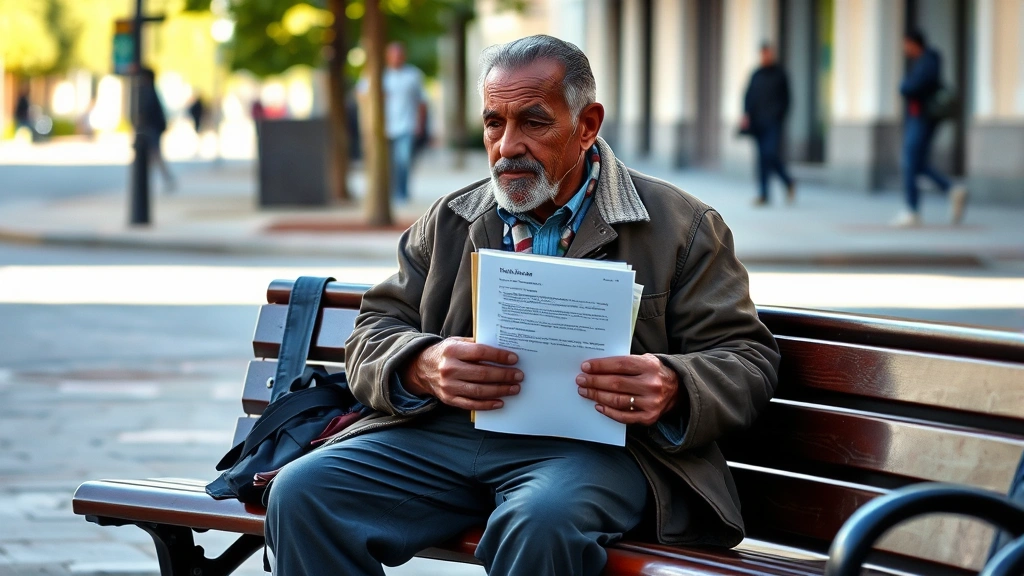
The cash economy complicates things further. Many homeless individuals earn income that’s never reported to the IRS at all. A person panhandling or doing informal street work typically isn’t issuing receipts or tracking income. While technically this income is taxable, the practical enforcement is virtually zero. The IRS has limited resources to pursue tax compliance among the homeless population, and it’s not a priority compared to auditing higher-income earners.
Government Benefits and Tax Status
Many homeless individuals receive government assistance: Social Security, Supplemental Security Income (SSI), unemployment benefits, or SNAP. Here’s what matters for taxes: most of these benefits are not taxable income. SSI is never taxable. SNAP benefits are never taxable. However, unemployment benefits are taxable, and some Social Security benefits can be taxable depending on your total income.
This distinction is crucial because it means a homeless person receiving $800 monthly in SSI doesn’t have a tax filing requirement based on that income alone. But if they also earn $200 monthly in part-time work, their total income matters for determining filing requirements.
Similar to how we discuss whether the Amish pay taxes based on their unique circumstances, homeless individuals’ tax obligations depend entirely on their specific income sources and amounts. The system treats them the same way legally—it’s just that real-world circumstances make compliance dramatically different.
Tax Refunds and EITC Benefits
Here’s where the tax system actually becomes beneficial for homeless people: the Earned Income Tax Credit (EITC). This refundable credit can result in substantial refunds for low-income workers, and many homeless individuals qualify for it.

The EITC is designed specifically for people with low to moderate incomes. For 2024, the maximum credit for a single filer with no qualifying children is around $600, but those with qualifying children can receive $3,000 or more. The beauty of a refundable credit is that you can get money back even if you owe zero taxes.
This creates an incentive for homeless individuals to file, even if they’re not legally required to. If you’re homeless and worked, filing might result in a refund that could help you secure housing, buy supplies, or cover other necessities. The problem is awareness and access—many homeless people simply don’t know this opportunity exists, and getting the documentation and filing assistance can be challenging when you’re living on the streets.
The Address Problem
Let’s address the elephant in the room: you need an address to file taxes. The IRS requires a mailing address on your return. For homeless individuals, this creates a genuine barrier to compliance.
Some homeless people use shelter addresses, a friend’s address, or a mail service address. Others use the address of a social services agency that helps them. The IRS does allow you to use a care-of (c/o) address or a shelter address if that’s where you receive mail. You can also use a homeless services provider’s address if they’re willing to receive your mail.
Without a legitimate address to use, filing becomes practically impossible, even if someone wanted to comply. This isn’t laziness or tax evasion—it’s a genuine logistical barrier. When you’re worried about where you’ll sleep tonight, navigating the IRS address requirements ranks pretty low on your priority list.

Enforcement Reality on the Ground
Let’s be honest: the IRS doesn’t actively pursue tax compliance among homeless populations. The agency has limited resources and prioritizes enforcement against higher-income earners where potential revenue collection is greater. A homeless person earning under $15,000 annually isn’t getting audited.
This doesn’t mean tax evasion is legal or acceptable—it’s just a reality of enforcement priorities. The IRS focuses on corporations, high-net-worth individuals, and business owners. A person panhandling for survival is simply not on their radar.
That said, if a homeless person does file taxes and claims refundable credits, the IRS will process that return and issue the refund. There’s no penalty for filing, even if you weren’t technically required to. In fact, filing can only help someone in this situation.
Special Situations and Exceptions
Certain circumstances create unique tax situations for homeless individuals. If someone receives a lawsuit settlement, for example, different rules apply depending on the settlement type. Personal injury settlements are typically non-taxable, but other settlements may be.
Additionally, if a homeless person has dependents—perhaps children in foster care or living with relatives—they might be able to claim those dependents on their taxes, similar to the considerations in determining who claims a child on taxes. This could significantly increase their refundable credits.

Homeless individuals who are self-employed (running any kind of informal business) have different obligations. If someone is selling items, providing services, or running any enterprise, they’re technically required to track income and expenses. However, again, enforcement is minimal unless the business becomes substantial.
Resources and Assistance Programs
The good news is that free tax preparation assistance exists specifically for low-income individuals, including many homeless people. The IRS Volunteer Income Tax Assistance (VITA) program provides free tax filing at thousands of locations nationwide. Many of these sites partner with homeless services organizations.
Additionally, organizations like the National Alliance to End Homelessness, local homeless coalitions, and community action agencies often help homeless individuals navigate tax filing. Some shelters have staff who help residents file taxes, especially when it means accessing EITC refunds that could fund transitional housing.
If you’re homeless and earned income, seeking out VITA assistance is worthwhile. You might discover you’re entitled to a substantial refund that could genuinely help improve your situation. The process is free, confidential, and designed specifically for people in your circumstances.
Frequently Asked Questions
Can a homeless person claim a tax deduction without an address?
Yes, you can file using a shelter address, care-of address, or a social services agency’s address. The IRS requires a mailing address but accepts various types of addresses for homeless filers. Contact your local homeless services organization or VITA site for assistance in determining what address to use.

Do homeless people get audited by the IRS?
Audits of homeless individuals are extremely rare. The IRS prioritizes enforcement against higher-income earners and businesses. If you’re homeless and file a tax return, the risk of audit is minimal, especially if your return is straightforward and accurate.
What if a homeless person earned cash and never reported it?
Technically, all income is taxable, including cash income. However, enforcement against homeless individuals earning informal cash income is virtually nonexistent. That said, filing even without prior years of compliance is always an option going forward, and you won’t face penalties for filing a current-year return accurately.
Can homeless people claim the Earned Income Tax Credit?
Absolutely. If you’re homeless and earned income, you likely qualify for the EITC. This credit is specifically designed for low-income workers and can result in refunds of thousands of dollars. This is one of the best reasons for homeless individuals to file taxes.
Do government benefits count as income for tax purposes?
Most government benefits are not taxable: SSI, SNAP, housing vouchers, and most welfare benefits don’t count as taxable income. However, unemployment benefits are taxable, and some Social Security benefits can be taxable depending on your total income. Check with a tax professional about your specific benefits.
What documents do homeless people need to file taxes?
You’ll need any W-2s from employers, 1099s from self-employment or gig work, and documentation of any other income. If you can’t locate these documents, contact your employers directly or check your IRS account online. For VITA assistance, bring whatever documentation you have—volunteers can help you track down what’s missing.
The Bottom Line
So, do homeless people pay taxes? The legal answer is yes—if they earn income above filing thresholds, they’re required to file just like anyone else. The practical answer is more complicated: many don’t file because of logistical barriers, lack of awareness, and minimal enforcement.
Here’s what matters: if you’re homeless and earned income, filing taxes could genuinely help you. You might qualify for refundable credits like the EITC that could put hundreds or thousands of dollars in your pocket. That money could help fund transitional housing, supplies, or other necessities.
The tax system isn’t designed to punish homeless people—it’s designed to tax income. But it also includes programs specifically meant to help low-income workers. Taking advantage of those programs requires filing, and that’s an option worth exploring if you’re in this situation. Seek out VITA assistance, use a homeless services organization’s address, and get your return filed. The potential financial benefit could be genuinely life-changing.


