
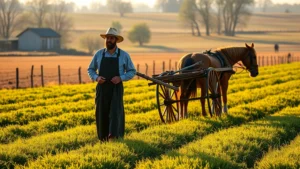
The question of whether do the amish pay taxes and vote is more nuanced than a simple yes or no. The Amish—a religious community known for their plain dress, horse-drawn buggies, and separation from modern technology—operate under a unique set of rules that exempts them from certain tax obligations while subjecting them to others. Meanwhile, their voting participation remains virtually nonexistent, rooted in their theological beliefs about separation from worldly governance. As a CPA who’s worked with diverse communities, I can tell you that understanding Amish tax status requires peeling back several layers of federal law, state regulations, and religious doctrine.
Table of Contents
Amish Tax Exemptions Explained
The Amish benefit from a significant tax exemption that most Americans don’t have access to. Under Section 1402(g) of the Internal Revenue Code, members of recognized religious groups—including the Amish, Mennonites, and Hutterites—can be exempt from self-employment taxes if they meet specific criteria. This exemption applies primarily to those who are self-employed or own businesses within their community.
To qualify, an Amish person must be a member of a recognized religious sect, have religious objections to accepting public insurance, and have been a member since before a specific date (typically before 1988 for the Amish). They must also file IRS Form 4029 to formally request the exemption. This isn’t a free pass from all taxation—it’s a targeted exemption for self-employment taxes specifically.
The philosophical underpinning here matters. The Amish believe in community self-reliance and mutual aid through their church structure, making government social insurance philosophically incompatible with their faith. This belief system, recognized by the IRS as legitimate, forms the legal basis for their exemption.
Self-Employment Taxes and Income
Here’s where it gets interesting: while the Amish are exempt from self-employment taxes (which fund Social Security and Medicare), they’re not exempt from income taxes. If an Amish person earns income—whether from farming, carpentry, quilting, or running a business—they must report that income and pay federal income tax on it, just like anyone else.
Many Amish individuals file tax returns annually, reporting business income from their enterprises. The difference is that instead of paying the 15.3% self-employment tax (12.4% for Social Security and 2.9% for Medicare), they’re exempt from those specific taxes. However, they still owe income tax on their profits at the standard federal rates.
This is a crucial distinction that many people misunderstand. The Amish aren’t tax-free; they’re simply exempt from one specific category of taxes. Think of it like being exempt from property tax on your primary residence but still owing income tax—it’s a partial exemption, not a blanket one.
Property Taxes and Land Ownership
The Amish do pay property taxes on their land and homes, though some states offer agricultural exemptions that benefit Amish farmers similarly to non-Amish farmers. Pennsylvania, where a significant Amish population resides, offers agricultural property tax relief that applies regardless of religious affiliation.
In most jurisdictions, Amish-owned real estate is assessed and taxed at the same rates as anyone else’s property. The only exception comes when they qualify for agricultural exemptions available to all farmers in their state. Some states also have homestead exemptions or agricultural use valuations that the Amish can claim alongside their non-Amish neighbors.
What’s notable is that the Amish typically own their land outright without mortgages, which simplifies their property tax obligations. They don’t have lenders requiring property tax payments as part of escrow arrangements, but they still must pay the taxes themselves.
Social Security Exemption Details
The Social Security exemption is perhaps the most misunderstood aspect of Amish taxation. Once an Amish person obtains their exemption (via Form 4029), they don’t pay into Social Security and therefore don’t receive Social Security benefits in retirement. This is by design and choice.

The Amish believe that their church community will care for elderly members, making government-provided retirement benefits unnecessary and philosophically problematic. In practice, this means Amish retirees rely entirely on family support, church assistance, and any savings they’ve accumulated. They don’t receive the monthly Social Security checks that most Americans depend on.
It’s worth noting that not all Amish are exempt. Those who work for non-Amish employers (which is increasingly common as Amish communities grow and farmland becomes scarce) may be required to pay Social Security taxes if they haven’t formally obtained their exemption. The exemption requires both membership in a recognized sect and an active religious objection filed with the IRS.
Why Amish Don’t Vote
When it comes to voting, the answer is straightforward: the Amish overwhelmingly do not vote. This isn’t due to legal prohibition—they’re U.S. citizens with full voting rights. Instead, it’s a matter of religious conviction rooted in their doctrine of separation from worldly affairs.
The Amish interpret biblical passages about being “not of this world” to mean they should remain separate from secular government, including political participation. Voting, in their view, represents entanglement with a worldly system that contradicts their faith principles. This belief in complete separation from political governance is so fundamental that voting is essentially forbidden within most Amish communities.
There are rare exceptions. Some progressive Amish communities have engaged in limited political advocacy around specific issues—such as religious freedom or homeschooling rights—but voting itself remains virtually nonexistent among the broader Amish population. A non-Amish person might compare it to how some religious groups abstain from certain activities; for the Amish, political voting is that activity.

Medicare and Medicaid Status
Since the Amish are exempt from Social Security taxes, they’re also typically exempt from Medicare taxes. This means they don’t pay the 2.9% Medicare tax that most workers contribute, and they don’t qualify for Medicare benefits in retirement.
Regarding Medicaid, the situation varies by state. Some Amish communities qualify for Medicaid assistance for specific medical needs, while others refuse it on principle. The Amish preference is to pay medical bills directly or through community mutual aid arrangements. When they do utilize Medicaid, it’s often for emergency situations or catastrophic care that exceeds community resources.
This creates an interesting dynamic: the Amish don’t contribute to Medicare through payroll taxes, but they also don’t access it. When they need medical care, they either pay out-of-pocket (which they often do), seek community assistance, or selectively use Medicaid in extreme circumstances. Some Amish communities have established their own health-sharing arrangements that function similarly to insurance but remain community-based.
State-by-State Tax Variations
While federal tax treatment of the Amish is relatively consistent, state and local tax rules vary significantly. Pennsylvania, Ohio, and Indiana—states with large Amish populations—have different approaches to property tax exemptions, income tax treatment, and business licensing requirements.
For example, Pennsylvania offers agricultural exemptions that benefit Amish farmers, while some states have specific provisions regarding religious community exemptions. Indiana has been particularly accommodating of Amish business practices, while other states require stricter compliance with standard business regulations.
When you’re dealing with Amish tax situations, location matters tremendously. An Amish business owner in Pennsylvania faces different tax obligations than one in New York or Michigan. This is why working with a tax professional familiar with your specific state’s regulations is crucial if you’re Amish or working with Amish clients.
Business Taxes and Regulations
Amish business owners must comply with standard business tax requirements, though their religious exemptions apply to self-employment taxes. If an Amish person operates a carpentry business, furniture shop, or farming operation, they must report business income on their tax return.
They’re also subject to business licensing requirements, sales tax collection (in states that have it), and employer tax obligations if they hire employees. An Amish construction company with employees must withhold and pay payroll taxes just like any other employer, though the Amish owner themselves may be exempt from self-employment taxes.
This creates an interesting compliance situation: an Amish business owner might be exempt from self-employment taxes but responsible for all the employment taxes of their workers. The exemption is personal to the Amish individual, not to their business structure. This is why accurate recordkeeping and professional tax preparation are increasingly important as Amish businesses grow and become more sophisticated.
Frequently Asked Questions
Do all Amish people pay income taxes?
Yes, the vast majority of Amish people pay federal income taxes on their earnings. Their exemption applies specifically to self-employment taxes (Social Security and Medicare), not income taxes. If an Amish person earns income, they must report it and pay income tax at the standard federal rates.
Can an Amish person get Social Security if they change their mind?
Once an Amish person has obtained their Social Security exemption, they generally cannot reverse it and begin receiving benefits later. The exemption is based on religious conviction, and reversing it would be seen as abandoning that conviction. However, an Amish person who never obtained the exemption (perhaps because they worked for non-Amish employers before becoming self-employed) would have normal Social Security benefits.
Do the Amish pay property taxes?
Yes, the Amish pay property taxes on their land and homes, just like any other property owner. Some may qualify for agricultural exemptions available to all farmers in their state, but they don’t receive special religious exemptions from property taxes. Learn more about state-specific property tax rules.
Why don’t Amish people vote if they’re allowed to?
The Amish don’t vote due to religious conviction about separation from worldly government, not legal restrictions. Their faith teaches them to remain separate from secular political systems, making voting incompatible with their religious beliefs. This is a choice, not a prohibition.
Can an Amish business hire non-Amish employees?
Yes, and increasingly they do. Amish business owners can hire non-Amish workers and must comply with all employment tax obligations for those employees, including withholding and payroll taxes. The business owner’s personal self-employment tax exemption doesn’t extend to their employees.
Do Amish children attend public school?
Most Amish children attend Amish-operated schools only through 8th grade, which is allowed under religious exemptions to compulsory education laws in most states. This is a separate issue from taxation but relates to how the Amish navigate government requirements through religious exemptions.
Final Thoughts: Understanding Amish Tax Reality
The answer to “do the amish pay taxes and vote” is nuanced: they pay most taxes but are exempt from self-employment taxes, and they don’t vote due to religious conviction. This isn’t a loophole or special privilege—it’s a carefully defined exemption based on documented religious beliefs that have been recognized by the IRS for decades.
The Amish system reflects a deliberate choice to remain separate from government systems, including both taxation and political participation. While they’re exempt from Social Security and Medicare taxes, they pay income taxes, property taxes, and business taxes like everyone else. Their voting abstention isn’t legal—it’s theological.
If you’re working with Amish clients or are Amish yourself, understanding these distinctions is critical for proper tax compliance. The rules are specific, the documentation requirements are clear, and professional guidance can help ensure you’re maximizing legitimate exemptions while meeting all required obligations. For more information on self-employment tax situations, check out our guide on filing taxes without a W2.


