

When you ask “do the Amish people pay taxes,” you’re touching on one of the most misunderstood aspects of Amish life. The short answer? It’s complicated, and honestly, way more interesting than you’d think. While many assume the Amish get a blanket exemption from taxes, the reality involves a fascinating mix of federal rules, religious exemptions, and community practices that would make any tax professional’s head spin.
Table of Contents
Federal Income Tax Rules
Here’s where it gets real: the Amish do pay federal income taxes on wages and business income, just like everyone else. There’s no special blanket exemption that lets them skip out entirely. If you’re Amish and working as an employee, your employer withholds federal income tax from your paycheck. Period.
However—and this is a big however—the Amish can qualify for exemptions under specific IRS rules. Section 1402(g) of the Internal Revenue Code allows certain religious groups to opt out of self-employment taxes if they meet strict criteria. But this doesn’t mean zero taxes. It means selective taxes, which is a totally different ballgame.
The exemption applies primarily to self-employed Amish individuals and those in farming or small business. If you’re running a buggy repair shop or a farm, you might qualify. But you still need to file a tax return and request the exemption explicitly. The IRS doesn’t just assume you’re exempt because you wear a plain coat.
Self-Employment Tax Exemptions
This is where the Amish get their biggest tax break. Self-employment taxes (Social Security and Medicare taxes) can hit self-employed folks with a 15.3% hit on net earnings. For the Amish, who believe in community care rather than government safety nets, this feels philosophically wrong.
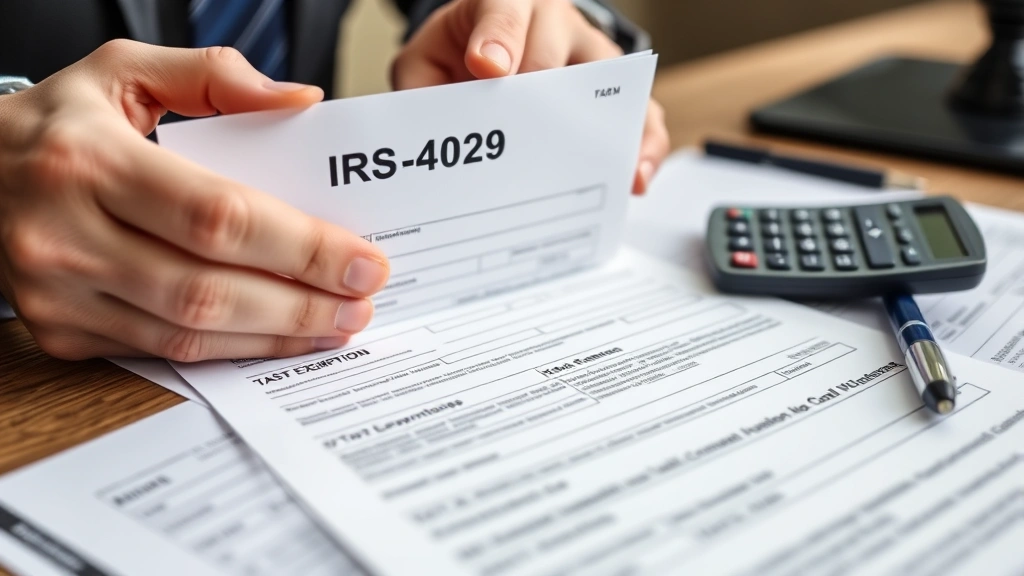
The IRS recognizes this conflict and allows certain religious groups—including the Amish, Mennonites, and some other Anabaptist communities—to file Form 4029 (Application for Exemption From Self-Employment Tax for Use by Members of Certain Religious Sects). When approved, they’re exempt from paying those self-employment taxes.
But here’s the catch: you can’t just claim the exemption and forget about it. You must prove you’re part of a qualifying sect, that your sect provides for dependent members, and that you’re genuinely opposed to accepting government benefits. It’s not a loophole; it’s a deliberate accommodation for sincere religious beliefs.
Property & Sales Taxes
The Amish don’t get a free pass on property taxes. If they own land or buildings, they pay property taxes like any other landowner. Some states have offered agricultural tax breaks for farming operations, but that’s available to non-Amish farmers too—it’s not Amish-specific.
Sales taxes are another area where the Amish pay up. When they buy goods in stores, they pay the applicable state and local sales taxes. Some states have exempted certain items (like farm equipment) from sales tax, but again, that’s not exclusive to the Amish.
One thing worth noting: some Amish communities have negotiated with local governments for property tax reductions based on farmland preservation or community benefit agreements. But this is rare and requires active negotiation, not automatic.
Social Security & Medicare Impact
Because many Amish are exempt from self-employment taxes, they’re also exempt from contributing to Social Security and Medicare. This means they won’t receive Social Security benefits in retirement and aren’t eligible for Medicare coverage at 65.
This works because the Amish community provides its own safety net. When an Amish person gets old or sick, the community pitches in—literally. They help with medical bills, housing, and daily needs. It’s a form of mutual aid that predates modern government programs by centuries.
However, not all Amish qualify for this exemption. If you work for someone else (as an employee rather than self-employed), you’re still paying into Social Security and Medicare through payroll withholding. The exemption mainly applies to self-employed individuals and business owners.

Business Income Requirements
When the Amish run businesses—and many do—they’re required to report business income and pay taxes on it, just like anyone else. Whether it’s a carpentry shop, a bakery, or a furniture business, the income is taxable.
The IRS expects these businesses to keep records and file appropriate tax returns. Some Amish business owners use accountants or tax professionals to help with compliance, while others handle it themselves. The key is that income reporting isn’t optional.
Deductions work the same way too. An Amish carpenter can deduct legitimate business expenses—materials, tools, vehicle costs—to reduce taxable income. Understanding what qualifies as deductible business expenses is just as important for Amish entrepreneurs as it is for anyone else running a business.
State-by-State Tax Variations
Tax rules vary significantly by state, and the Amish experience different treatment depending on where they live. Pennsylvania, Ohio, and Indiana have large Amish populations, and each state has its own approach to property taxes, income taxes, and business regulations.
Some states offer agricultural exemptions that benefit Amish farmers. Others have specific provisions for religious communities. A few states don’t have income taxes at all, which obviously changes the equation. If you’re Amish in Florida or Texas, you’re dealing with a completely different tax situation than someone in Pennsylvania.
Additionally, some local jurisdictions have negotiated special arrangements with Amish communities regarding infrastructure use, school taxes, or business licensing. These are community-specific and not universal across all Amish settlements.
How to Get Tax Exemption
If you’re Amish and self-employed, getting the self-employment tax exemption requires filing Form 4029 with the IRS. You can’t just claim it on your regular tax return; it’s a separate application process.
Here’s what you need to prove:
- You’re a member of a recognized religious sect (the IRS has a list)
- Your sect is conscientiously opposed to accepting public insurance benefits
- Your sect makes reasonable provision for its dependent members
- You’ve never received benefits you’re now claiming exemption from
The IRS takes this seriously. They’ll investigate your claim, potentially contact your community leaders, and verify your membership. It’s not a rubber stamp—it’s a genuine review process. Once approved, you’ll receive a certificate of exemption that you keep for your records.
If your circumstances change—say you leave the Amish community—you can lose the exemption. The IRS tracks this stuff.
Common Tax Misconceptions
Let’s bust some myths right now. Myth #1: The Amish don’t pay any taxes. False. They pay income taxes, property taxes, and sales taxes like everyone else. They just have exemptions for certain self-employment taxes.
Myth #2: The IRS leaves the Amish alone. Also false. The IRS enforces tax laws against the Amish just as they do everyone else. If an Amish person or business doesn’t file required returns or pay taxes owed, they face the same penalties and interest as anyone else. Not paying taxes leads to serious consequences, regardless of your religious beliefs.

Myth #3: All Amish get the same tax treatment. Nope. It depends on whether you’re self-employed, what state you live in, and whether you’ve formally applied for exemptions. An Amish person working as an employee at a factory pays standard payroll taxes with no exemptions.
Myth #4: The Amish can deduct their religious practices as business expenses. Generally no. While business expenses are deductible, personal religious practices aren’t considered business deductions. If you buy a horse and buggy for personal use, that’s not deductible, even if it’s part of your religious practice.
Frequently Asked Questions
Do Amish farmers pay property taxes?
Yes, Amish farmers pay property taxes on their land and buildings. Some states offer agricultural property tax reductions for farmland, which benefits Amish and non-Amish farmers alike, but there’s no blanket Amish exemption. The IRS website has resources on property tax obligations for agricultural properties.
Can Amish people claim dependents on tax returns?
Yes, if they file tax returns. The Amish who file federal income tax returns can claim dependents just like anyone else, which reduces their taxable income. This applies whether they’re filing as employees or self-employed.
What happens if an Amish person refuses to pay taxes?
The same thing that happens to anyone else: penalties, interest, liens, and potentially criminal charges if it’s willful evasion. The IRS doesn’t make exceptions based on religious beliefs when it comes to tax compliance. If you’ve made mistakes on your return, the solution is to correct it, not ignore it.
Do Amish businesses need to collect sales tax?
Yes, if they operate in a state with sales tax and their business is subject to it. An Amish bakery selling goods at a farmer’s market must collect and remit sales tax just like any other vendor. Some states exempt certain items (like unprepared food), but that’s not Amish-specific.
Are Amish people eligible for tax credits?
This depends on the specific credit and their filing status. If they file a tax return and meet the income requirements, they could potentially claim credits like the Earned Income Tax Credit (EITC) or child-related credits. However, some Amish may decline certain credits for philosophical reasons.
Do Amish children need Social Security numbers?
Not for personal use, but if they work and their income is subject to tax withholding, they’ll need an SSN for their employer’s records. The Amish generally don’t use SSNs for identification purposes, but they’re required for tax and employment purposes.
The Bottom Line on Amish Taxes
So, do the Amish people pay taxes? The answer is yes—with important caveats. They pay federal income tax, state income tax (where applicable), property taxes, and sales taxes. What they’ve successfully negotiated is an exemption from self-employment taxes (Social Security and Medicare contributions) based on sincere religious objections and their community’s ability to provide mutual aid.
This isn’t a loophole or special privilege; it’s a deliberate accommodation in tax law for religious communities that meet specific criteria. The IRS recognizes that forcing someone to contribute to a government insurance program they philosophically oppose—while having a viable alternative safety net—creates an unnecessary conflict.
The key takeaway: the Amish aren’t tax-free. They’re just selectively exempt from certain taxes, and even those exemptions require formal application and IRS approval. If you’re Amish and have questions about your specific tax situation, working with a tax professional familiar with religious exemptions is smart. And if you’re not Amish but curious about tax planning strategies, remember that understanding your tax bracket and legitimate deductions is the legal way to minimize your tax burden.
Understanding tax obligations—whether you’re Amish or not—beats guessing every time.


