

Does AliExpress tell you how much tax you’ll owe? The short answer is: not always, and that’s exactly what causes confusion for thousands of international shoppers every year. When you’re scrolling through AliExpress looking for deals, you might notice that the platform doesn’t always display estimated taxes or duties upfront—and this lack of transparency can hit your wallet harder than expected when your package arrives.
Table of Contents
AliExpress Tax Transparency Issues
Let’s be real: AliExpress isn’t exactly upfront about taxes. The platform operates on a global scale, selling items from Chinese sellers to customers worldwide. This creates a complicated situation where tax-inclusive pricing in websites becomes nearly impossible to standardize. When you’re browsing products, you see a price in your local currency, but that price typically doesn’t include import duties or value-added tax (VAT) that your country might charge when the package arrives.
The reason? AliExpress doesn’t collect these taxes upfront like many domestic retailers do. Instead, the responsibility falls on you—the buyer—or sometimes on the shipping carrier or customs authority in your country. This means you could be in for a nasty surprise at your doorstep when a courier demands payment before handing over your package.
How Duties and Tariffs Work
To understand why AliExpress doesn’t tell you the tax amount, you need to grasp how a tariff is a tax on imported goods. When you order something from China to your country, it crosses an international border. Most countries impose import duties—essentially taxes on foreign goods—to protect domestic industries and generate revenue.
Here’s the kicker: the duty rate depends on several factors that AliExpress can’t always predict:
- Product category: Electronics, textiles, and cosmetics have different duty rates
- Declared value: The value you (or the seller) declare affects the duty calculation
- Your country’s trade agreements: Some nations have preferential rates with China
- Customs thresholds: Many countries don’t charge duties on packages under a certain value (often $800 USD for the US)
Because these variables change by country and product type, AliExpress can’t simply add a fixed tax to your cart like a brick-and-mortar store would.
What You See at Checkout
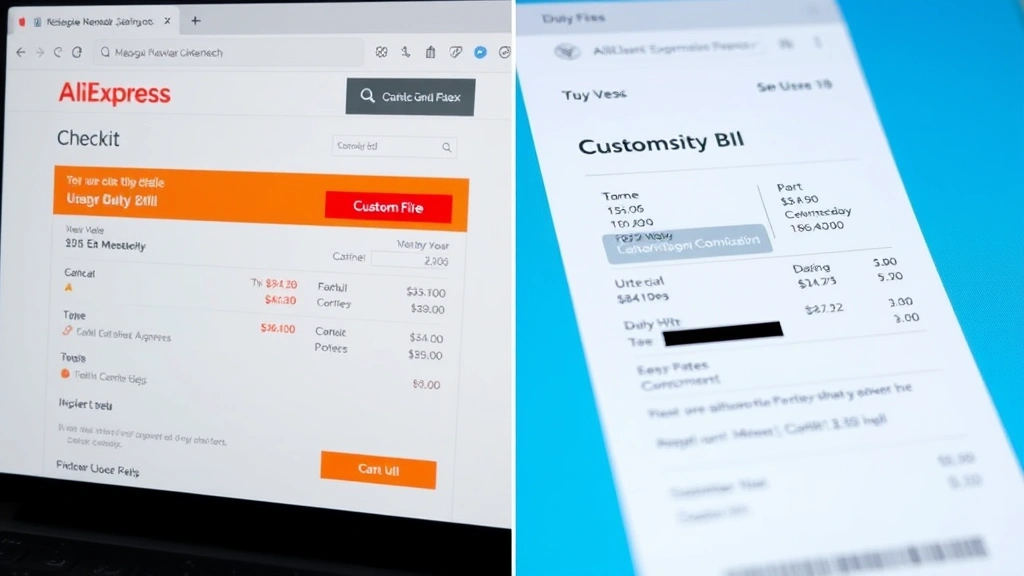
When you proceed to checkout on AliExpress, the platform shows you the product price, shipping cost, and any applicable AliExpress coupons or seller discounts. What it doesn’t show is an estimate of import duties or VAT. This is standard practice for most international e-commerce sites, but it’s definitely not customer-friendly.
Some sellers do include a note in their product description about potential customs fees, but many don’t bother. You might see language like “buyer is responsible for customs duties” buried in the fine print, but there’s no calculation tool or estimate provided.
The shipping method you choose can influence whether taxes get collected. If you select AliExpress Standard Shipping or ePacket, for example, the carrier might collect duties at delivery. If you choose a different method, the responsibility might fall entirely on you to pay customs when the package arrives at your local customs office.
The Hidden Fees Problem
This is where many customers get frustrated. You think you’re paying $25 for a phone case, but then your local carrier shows up with a bill for an additional $8-12 in import duties and handling fees. Some carriers even charge you a “customs clearance fee” on top of the actual duty—sometimes $5-15 just for processing paperwork.
The lack of transparency here is a real pain point. Unlike sales tax in Las Vegas or other domestic sales taxes that are clearly displayed before you complete your purchase, international import duties remain invisible until the last moment. This creates what’s essentially a hidden cost in your transaction.
AliExpress could theoretically provide estimates, but they’d need to know your exact location, the product’s HS code (a classification system for goods), and your country’s current tariff rates. It’s complex, and frankly, the company hasn’t prioritized making this transparent.
Customs and Declaration Values
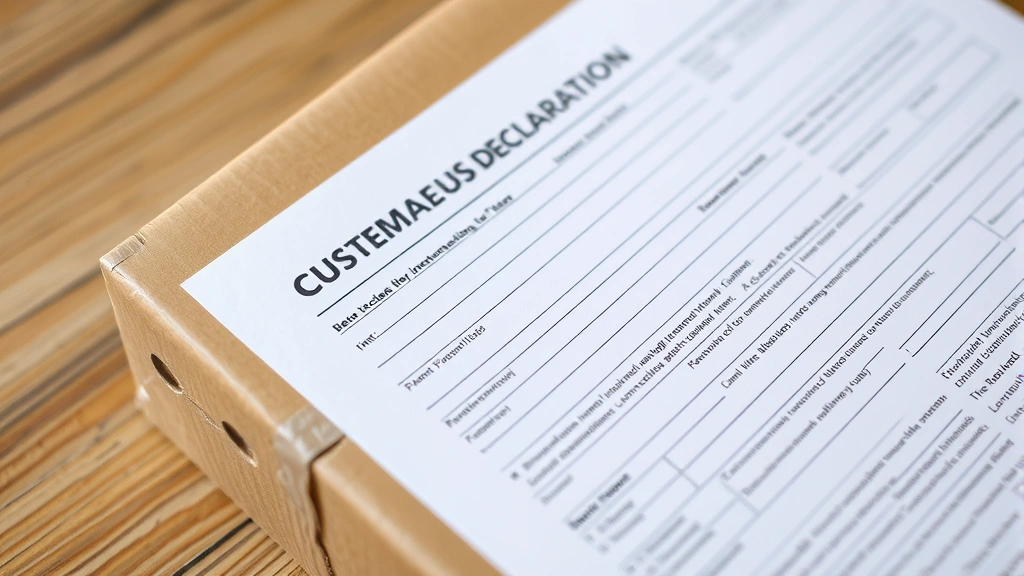
Here’s something important: the value that gets declared on your package for customs purposes might not match what you paid. Sometimes sellers undervalue items to help customers avoid duties—a practice that’s technically illegal but happens regularly in international shipping.
If a seller declares a $50 item as worth $15, you might not owe duties (many countries don’t charge duties on low-value items). But if customs inspectors suspect undervaluation, they can assess duties based on what they believe the item is actually worth. This creates another layer of uncertainty.
You have limited control over what value gets declared. The seller puts the value on the customs form, and you typically don’t see it until after you’ve already paid. Some sellers are more honest than others about this practice.
Country-Specific Tax Rules
Tax obligations vary dramatically by location. In the European Union, for example, VAT (value-added tax) is collected on most imported goods, even those under the traditional duty threshold. The US has a $800 de minimis threshold—packages under that value typically don’t face duties. The UK, Canada, Australia, and other countries all have different rules.
AliExpress doesn’t customize its checkout experience based on these differences. A customer in the UK sees the same checkout screen as someone in Australia, even though their tax obligations are completely different. This is a fundamental transparency failure.
Some countries are stricter about collecting duties than others. If you’re ordering to North Carolina or Charlotte, for instance, you’re less likely to face duties on small items compared to ordering to the EU, where VAT collection is more aggressive.
How to Calculate Your Taxes
Since AliExpress won’t do it for you, here’s how you can estimate what you might owe:

Step 1: Find Your Country’s Duty Rate Look up your country’s customs authority website (HMRC for the UK, CBP for the US, etc.). Search for the HS code of the item you’re buying. Most electronics fall under HS codes 8471-8528, textiles under 61-62, and so on.
Step 2: Calculate the Duty Once you know the rate (often 5-25% depending on the product), multiply the declared value by that percentage. If a $30 item has a 15% duty rate, you’d owe about $4.50 in duties.
Step 3: Add VAT (if applicable) In VAT countries, you also owe tax on the product price plus the duty. This can add another 15-25% to your total.
Step 4: Account for Handling Fees Customs brokers and carriers often charge processing fees ($5-15) on top of actual duties.
This is tedious, which is exactly why AliExpress should provide estimates—but they don’t.
Tips to Avoid Tax Surprises
1. Check Your Country’s De Minimis Threshold If your country has a low-value exemption, try to keep individual orders under that amount. The US threshold of $800 is generous, but EU countries often have thresholds of €22 or less.
2. Use Shipping Methods That Include Duties Some premium shipping options through AliExpress include duty prepayment. It costs more upfront but eliminates surprises at delivery.
3. Read Seller Descriptions Carefully Some sellers mention whether they’ll undervalue the package for customs. This is risky, but at least you know what to expect.
4. Contact Sellers Before Ordering Ask sellers directly about their customs declaration practices. Reputable sellers will be honest with you.
5. Track Your Package Use tracking to see if the package has cleared customs. Some carriers will send you a duty estimate through tracking.
6. Know Your Rights In many countries, you have the right to refuse a package if the customs charges seem unreasonable. Document everything if you decide to dispute a charge.
Frequently Asked Questions
Does AliExpress charge VAT or sales tax?
AliExpress doesn’t collect VAT or sales tax at checkout. However, your country’s customs authority might charge VAT on the item value plus import duties when it arrives. This is separate from any AliExpress transaction.
Will I always have to pay customs duties on AliExpress orders?
Not necessarily. If your order falls below your country’s de minimis threshold and the item isn’t restricted, you might not owe duties. However, there’s no guarantee, and customs enforcement varies by country and season.
Can I refuse a package if customs charges are too high?
Yes, in most countries you can refuse delivery. However, you might not get a refund from the seller, and you’ll have to arrange return shipping at your own expense. This is usually more expensive than just paying the duties.
Why doesn’t AliExpress show tax estimates like Amazon does?
Amazon collects sales tax in many countries because they have a legal presence there and can calculate local taxes. AliExpress, as a Chinese platform, doesn’t have the same legal obligations or infrastructure to calculate duties for every country and product combination.
Is it legal for sellers to undervalue packages?
No, it’s technically illegal for both sellers and buyers to deliberately undervalue packages to avoid duties. However, enforcement is inconsistent, and many sellers do it anyway. The risk is that customs can assess duties based on what they believe the item is worth.
What’s the difference between duties and VAT?
Duties (tariffs) are taxes on imported goods based on the product type. VAT is a consumption tax applied to the total value including duties. You might owe both on international orders.
Final Thoughts
The bottom line: AliExpress doesn’t tell you how much tax you’ll owe because the platform isn’t structured to calculate international duties and VAT. This lack of transparency is frustrating, but it’s the reality of international e-commerce. By understanding how customs duties work, knowing your country’s rules, and doing some quick math before ordering, you can avoid most surprises. Just remember that the price you see on AliExpress is rarely the final price you’ll pay—especially for orders shipped internationally.


