Does New York State charge interest on back property taxes? Yes—and the rates can be surprisingly steep. If you’re behind on property tax payments in New York, you’re not just dealing with the original tax bill. The state adds penalties and interest that compound over time, turning a manageable debt into a financial headache fast. Understanding how these charges work is critical if you own property in New York or are considering purchasing a home with tax arrears.
Table of Contents
Interest Rates in New York
New York State charges interest on delinquent property taxes at a rate of 7% per annum. This is calculated from the tax payment due date, compounding daily. For property owners, this means the longer you wait to pay, the more you owe beyond the original assessment.
The 7% rate applies statewide, though some municipalities may have slightly different collection procedures. This isn’t a flat fee—it’s daily compound interest, which means your debt grows exponentially. A $5,000 back tax bill could balloon to $5,350 in just one year if left unpaid. The math gets worse the longer you procrastinate.
Compared to other states, New York’s 7% interest rate sits in the middle range. Some states charge as little as 3-4%, while others exceed 12%. Still, when combined with penalties, New York’s charges add up quickly. This is why addressing back property taxes promptly matters so much.

Penalties Added to Back Taxes
Beyond interest, New York State adds penalties to back property taxes. The primary penalty is 10% of the unpaid tax amount, applied once when the tax becomes delinquent. This is in addition to the 7% annual interest rate.
Here’s the breakdown: If you owe $5,000 in back taxes, you immediately face a $500 penalty (10%). Then, the 7% annual interest applies to the total amount ($5,500). After one year, you’d owe approximately $5,885—an additional $885 on top of your original bill.
Some municipalities also impose local penalties for collection costs, which can range from $10 to $50 depending on the county. If your property goes to tax sale, additional sale costs and legal fees get tacked on. These aren’t optional—they’re automatically added to your debt.

The key takeaway: penalties are immediate and non-negotiable. They start accruing the moment your payment is due, not when you receive a notice.
How Interest Accrues Over Time
Understanding how compound interest works on back taxes helps you grasp why delay is expensive. New York calculates interest daily, meaning it compounds constantly. This is different from simple interest, which would be calculated once per year.
Let’s use a concrete example. You owe $3,000 in back property taxes:

- Year 1: $3,000 + $300 penalty = $3,300. Add 7% interest: $3,531
- Year 2: $3,531 + 7% interest = $3,779
- Year 3: $3,779 + 7% interest = $4,043
- Year 5: $4,043 grows to approximately $4,695
After five years of non-payment, your $3,000 debt nearly doubled. This illustrates why municipalities push tax collection so aggressively—interest and penalties make the problem exponentially worse for everyone involved.
The state uses this aggressive interest structure to incentivize payment. It’s their way of saying: “Pay now, or the cost will hurt much more later.” If you’re facing financial hardship, this makes the situation even more stressful, which is why knowing about property tax relief options in neighboring states can sometimes provide perspective on what’s available in your state.
Payment Options and Arrangements
If you can’t pay your back property taxes in full immediately, New York offers several options to avoid a tax sale. The first step is always contacting your local tax assessor or collector’s office directly.

Installment Plans: Many municipalities allow you to set up a payment plan, spreading the debt over 12-24 months. You’ll still owe the penalty and interest, but at least you’re making progress without facing immediate foreclosure. The county will typically require a formal agreement in writing.
Partial Payments: Some collectors accept partial payments to show good faith, even if you can’t pay the full amount. This demonstrates effort and may buy you time before a tax sale is scheduled. Call your local tax office to discuss your situation.
Property Tax Exemptions: If you qualify for exemptions (STAR program, senior exemptions, agricultural exemptions), you may reduce your future tax burden. However, exemptions don’t erase back taxes—they only help going forward. Similar concepts exist in Fairfax County and other jurisdictions.
Tax Deferral Programs: Seniors and disabled homeowners may qualify to defer taxes, though interest still accrues. This postpones the problem but doesn’t eliminate it.
Tax Sale Process Timeline
New York’s tax sale process doesn’t happen overnight, but it moves faster than many property owners expect. Understanding the timeline helps you act before it’s too late.
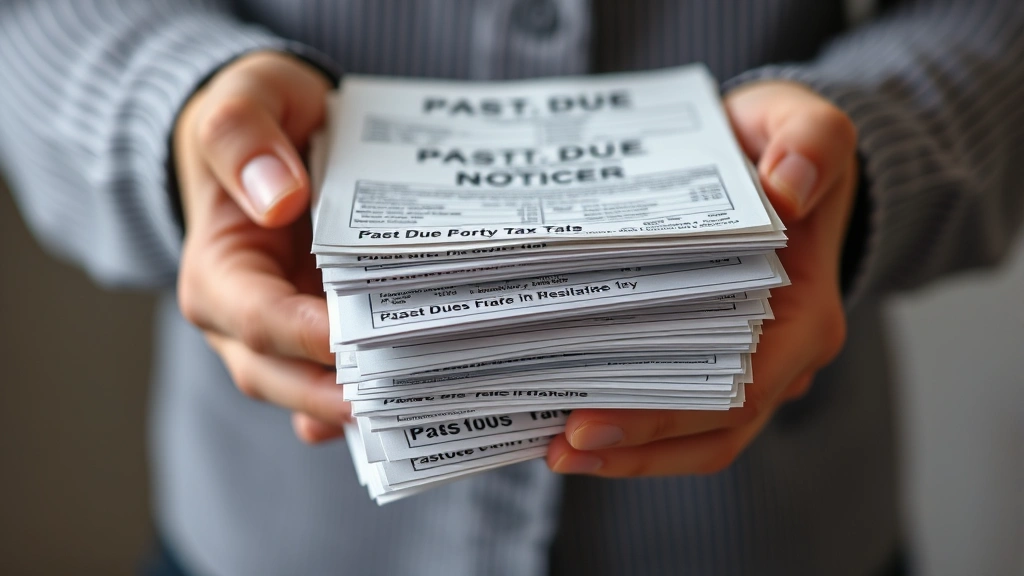
Year 1 of Non-Payment: You’ll receive notices and bills. The tax collector sends multiple notices warning of delinquency. Most people ignore these—a mistake that costs them dearly.

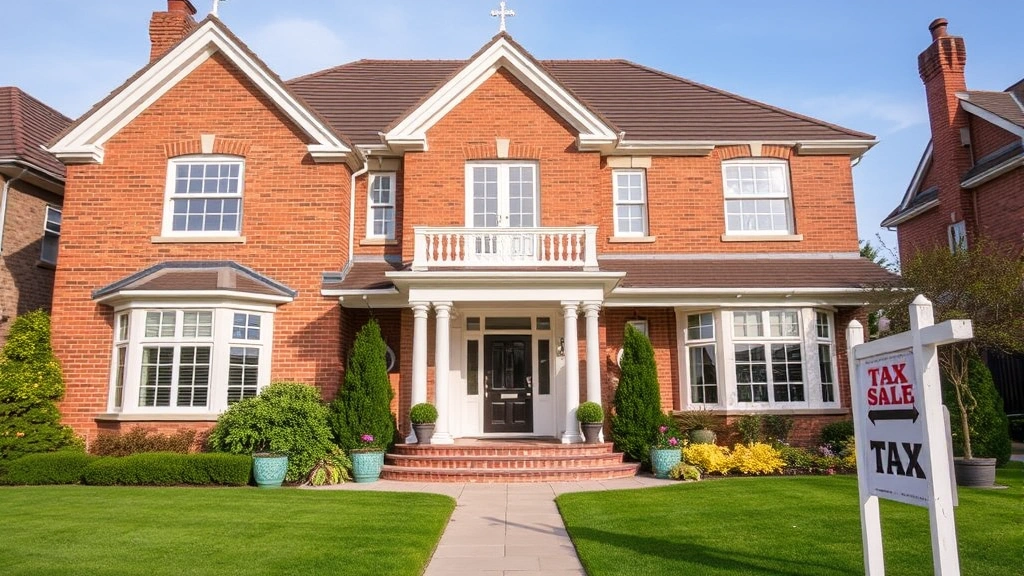
Year 2-3: If still unpaid, the property enters the tax sale process. A notice of tax sale is published in local newspapers and on the county website. This is public information, and investors start circling.
Tax Sale Auction: The county holds an auction where investors bid on the property. The winning bidder gets a tax certificate or deed, depending on your state’s specific process. In New York, this is typically a tax certificate initially, not immediate ownership.
Redemption Period: After the sale, you have a redemption period (typically 2-3 years in New York) to reclaim your property by paying the sale price plus interest and costs. If you don’t redeem, the certificate holder can foreclose and take ownership of your home.

The entire process can take 4-5 years, but it’s relentless. Early intervention is crucial.
Relief Programs Available
New York State offers several programs to help struggling property owners, though many go underutilized.
STAR Program (School Tax Relief): This exemption reduces property tax bills for homeowners based on income and property value. While it doesn’t address back taxes, it can reduce future burden. Check your eligibility through your town assessor.
Senior Citizen Exemption: Homeowners 65+ with limited income may qualify for exemptions reducing their tax bill by 5-50%, depending on income and municipality.
Disabled Persons Exemption: Similar to senior exemptions, this applies to disabled property owners with limited income.
Agricultural Exemption: If your property qualifies as agricultural land, you may receive significant tax breaks.

Hardship Programs: Some municipalities have local hardship programs offering payment plans or temporary relief. Contact your town supervisor or tax collector to ask about options specific to your area.
These programs vary by municipality, so what’s available in one county may differ in another. This is similar to how Broward property tax relief differs from other Florida counties.
When to Seek Professional Help
If you owe more than one year of back taxes, or if you’re facing a tax sale notice, it’s time to consult a professional. A tax strategist or property tax attorney can explore options you might not know about.
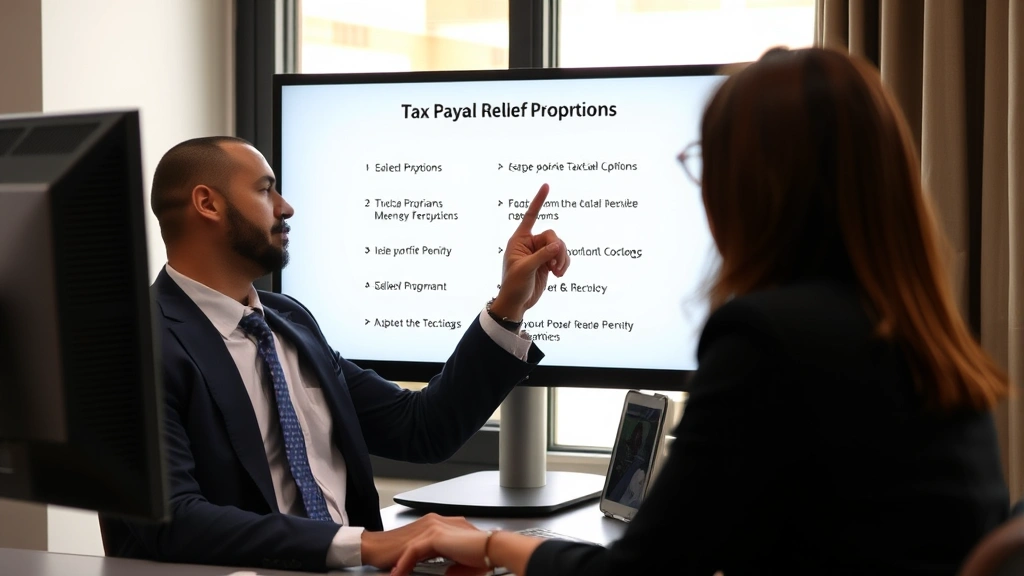
Tax Attorneys: They negotiate with tax collectors, file redemption paperwork, and represent you in foreclosure proceedings. Cost ranges from $500-$3,000+ depending on complexity, but it’s often worth it to save your home.
Property Tax Consultants: These specialists focus specifically on reducing tax assessments and finding relief programs. They know local quirks and procedures that general accountants might miss.
Accountants/CPAs: They can review your financial situation holistically and identify tax-saving strategies. A good CPA might find deductions or credits that offset some of your burden, freeing up cash for tax payments.

Non-Profit Counselors: Community action agencies and non-profits offer free or low-cost counseling on property tax issues. Start here if budget is tight.
The cost of professional help is almost always less than what you’ll lose by ignoring the problem and facing foreclosure.
Frequently Asked Questions
Does New York State charge interest on back property taxes?
Yes. New York charges 7% annual interest on delinquent property taxes, calculated daily and compounded. Additionally, a 10% penalty applies to the unpaid tax amount. Together, these can nearly double your original bill within a few years.
Can I negotiate the interest rate?
The state interest rate of 7% is fixed and non-negotiable. However, you can negotiate payment plans with your local tax collector to spread payments over time. This doesn’t reduce interest, but it makes the debt manageable and stops the tax sale process.
What happens if I ignore property tax bills?
Ignoring bills leads to a tax sale within 4-5 years. Your property will be auctioned, and if sold, you lose your home. Even before the sale, interest and penalties compound daily, making the debt increasingly difficult to pay.
How long do I have to pay before a tax sale?
New York typically allows 2-3 years of non-payment before initiating a tax sale. However, the exact timeline varies by municipality. Don’t wait—contact your tax collector as soon as you know you’ll miss a payment.
Can I deduct property tax interest from my federal taxes?
No. Interest on back property taxes is not deductible on federal returns. However, the original property tax amount (if paid) may be deductible if you itemize. Consult a CPA or tax professional about your specific situation.
What if I can’t afford to pay at all?
Contact your tax collector immediately to discuss hardship programs, payment plans, or exemptions. Some municipalities have emergency assistance or can defer taxes for seniors and disabled persons. Doing nothing is the worst option.
Does New York charge interest on property tax exemptions?
No. If you qualify for an exemption like STAR, it reduces your tax bill going forward. However, exemptions don’t erase back taxes already owed. You must still pay those, with interest and penalties.
Can a tax attorney help reduce the interest?
A tax attorney can’t eliminate the state’s 7% interest rate, but they can negotiate payment plans, explore exemptions you might qualify for, and handle redemption if your property goes to tax sale. Their expertise often saves far more than their fees.