

Understanding Etowah County property tax is one of the smartest financial moves you can make as a homeowner or property investor in Alabama. Property taxes directly impact your monthly housing costs, and even small savings add up significantly over time. Whether you’re a longtime resident or new to the area, knowing how Etowah County calculates taxes, what exemptions you qualify for, and how to challenge an unfair assessment can put hundreds of dollars back in your pocket each year.
Table of Contents
- How Etowah County Calculates Property Tax
- The Assessment Process Explained
- Current Tax Rates & Breakdown
- Homestead Exemptions Available
- Senior & Disabled Property Owner Benefits
- Challenging Your Property Assessment
- Payment Deadlines & Penalties
- Money-Saving Strategies for Residents
- Frequently Asked Questions
- Final Thoughts
How Etowah County Calculates Property Tax
The Etowah County property tax system operates on a straightforward formula: your property’s assessed value multiplied by the local millage rate equals your annual tax bill. However, “straightforward” doesn’t mean simple—there are layers to understand.
The Etowah County Assessor’s Office determines the fair market value of your property, which forms the foundation of your tax liability. This isn’t what you paid for the home or what you could sell it for today; it’s an official assessment based on comparable sales, property characteristics, and market conditions. The millage rate—expressed as mills per $1,000 of assessed value—varies depending on which taxing district your property falls under (city, county, school district, etc.).
For example, if your home is assessed at $200,000 and the combined millage rate is 12 mills, your calculation looks like this: ($200,000 ÷ $1,000) × 12 = $2,400 in annual property taxes. Understanding this math helps you spot errors and negotiate more effectively.
The Assessment Process Explained
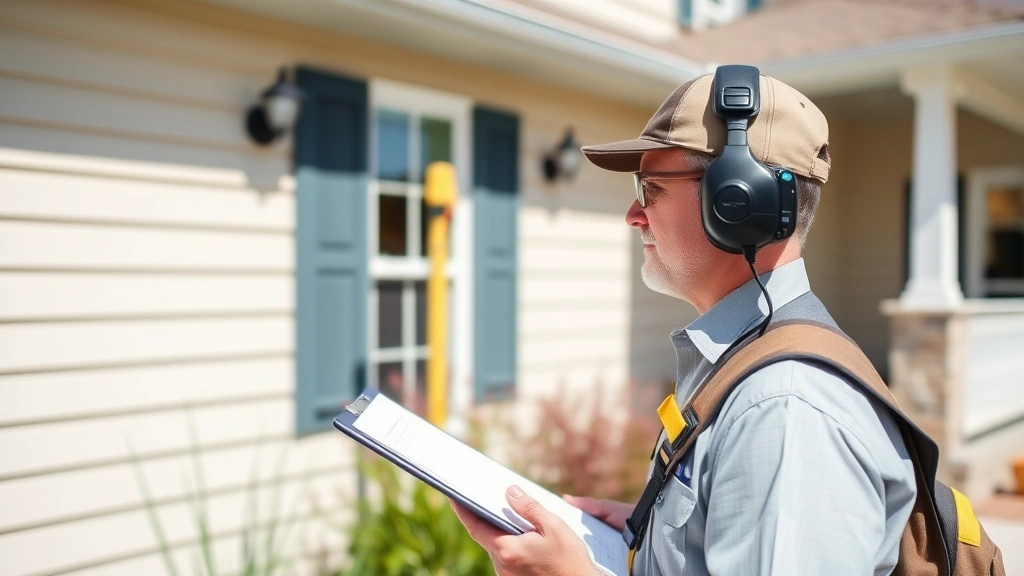
Property assessments in Etowah County happen on a regular cycle, though they can be triggered by property sales, renovations, or administrative reviews. The Assessor’s Office uses physical inspections, aerial photography, and sales data to determine value. They’re looking at square footage, lot size, condition, age, improvements, and comparable properties that recently sold.
Most property owners don’t realize they have the right to request a reassessment if they believe the valuation is incorrect. If you’ve made significant improvements or your neighborhood has declined, these changes should be reflected in your assessment. The key is documenting everything—keep receipts for major renovations, take photos of any damage or deterioration, and research comparable sales in your area.
The assessment process typically includes a notice mailed to you showing the proposed value. This is your opportunity to respond before the assessment becomes final. Many homeowners miss this window simply because they don’t understand what the notice means or think they can’t challenge it.
Current Tax Rates & Breakdown
Etowah County’s property tax structure includes multiple layers: county millage, city millage (if applicable), school district millage, and any special district millage. As of the most recent tax year, the county millage rate is typically around 10-11 mills, but this varies by municipality and special taxing districts.

The school district portion usually represents the largest chunk of your property tax bill—often 40-50% of the total. City taxes come next, followed by county and special district taxes. This is why it’s crucial to know your specific taxing district breakdown. A property in Gadsden city limits will have a different tax bill than an identical property in unincorporated Etowah County.
To find your exact millage rate, visit the Etowah County official website or contact the Assessor’s Office directly. They’re required by law to provide this information, and it’s free.
Homestead Exemptions Available
Alabama’s homestead exemption is one of the most valuable tax breaks available, yet many eligible homeowners never claim it. If your primary residence is in Etowah County, you may qualify for an exemption that reduces your assessed value, directly lowering your tax bill.
The homestead exemption in Alabama exempts $7,500 of assessed value from state property taxes for owner-occupied homes. This means instead of paying taxes on a $200,000 home, you’d pay on $192,500. While that might not sound dramatic, over 20 years it adds up to thousands of dollars.
To qualify, the property must be your primary residence, and you must own it (either outright or with a mortgage). You’ll need to file a homestead exemption application with the Etowah County Assessor’s Office—typically a simple one-page form. The exemption applies automatically to your tax bill once approved, and it renews annually as long as your status doesn’t change.
Unlike some other states, Alabama’s homestead exemption doesn’t cap tax increases, but it does provide a solid baseline reduction that helps every homeowner.
Senior & Disabled Property Owner Benefits
If you’re 65 or older or have a permanent disability, Alabama offers additional property tax relief beyond the standard homestead exemption. These programs recognize that fixed incomes and medical expenses strain many seniors and disabled individuals.
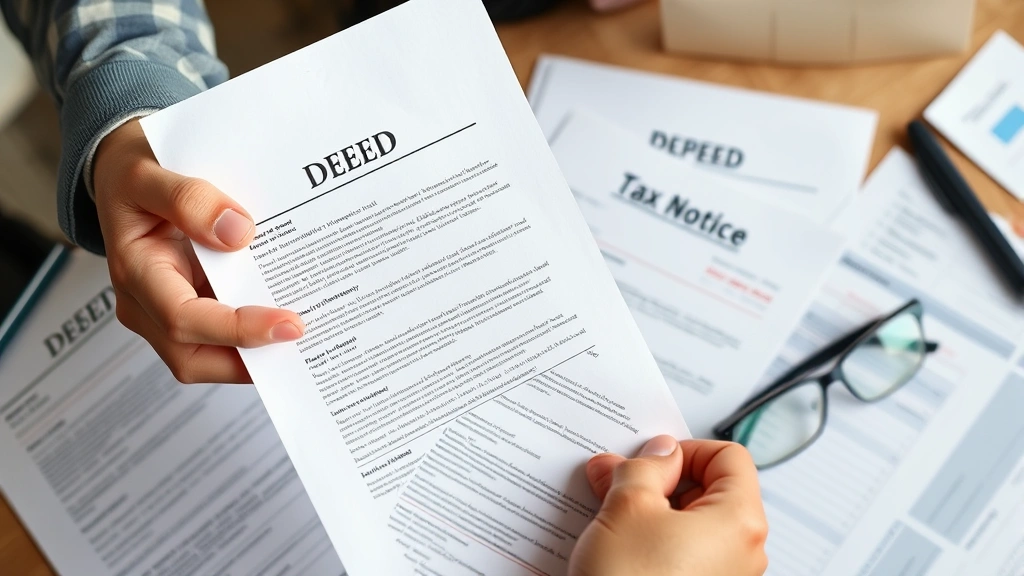
The Elderly Homeowners’ Tax Exemption provides an additional $5,000 exemption for qualifying seniors. Combined with the standard homestead exemption, this means a $12,500 reduction in assessed value—a significant break. Disabled property owners may qualify for similar relief, depending on documentation of disability status.
The application process requires proof of age or disability status (birth certificate, Social Security statement, or medical documentation) and confirmation that the property is your primary residence. The Assessor’s Office can walk you through requirements, and it’s worth the paperwork investment.
Don’t assume you’re not eligible—many seniors miss out simply because they didn’t know these programs existed or thought the application process was too complicated.
Challenging Your Property Assessment
If you believe your property assessment is too high, you have the right to challenge it. This isn’t confrontational; it’s a normal part of the system. Assessors make mistakes, and market conditions change faster than assessments sometimes do.
The first step is the informal appeal, typically handled directly with the Assessor’s Office. Gather evidence: recent appraisals, comparable sales in your neighborhood, photos of any property damage or deferred maintenance, and documentation of recent renovations (or lack thereof). If your home needs a new roof or has foundation issues, these reduce value and should be part of your case.
If the informal appeal doesn’t work, you can request a formal hearing before the Board of Equalization. This is a more structured process where you present your case and the Assessor presents theirs. You don’t need a lawyer, though some people hire one for larger properties. The board makes a binding decision, and you can appeal further to court if necessary (rarely worth it for residential properties).
The best time to challenge is immediately after receiving your assessment notice. Missing the deadline means waiting another year to appeal.
Payment Deadlines & Penalties
Etowah County property taxes are typically due by December 31st of the tax year, though some municipalities may have different schedules. Paying late triggers penalties and interest that accumulate quickly—usually 1.5% per month plus a 10% penalty for delinquency.
You can pay by mail, in person at the Tax Assessor’s Office, or increasingly, online through the county’s payment portal. If you have a mortgage, your lender may collect property taxes as part of your escrow account and pay them directly. Check your mortgage statement to confirm—many homeowners don’t realize their lender is handling this.
If you’re struggling to pay, contact the Assessor’s Office immediately. Some counties offer payment plans or hardship deferrals for seniors or disabled homeowners facing financial difficulty. Ignoring the bill only makes things worse; penalties compound, and you risk tax sale proceedings.
Money-Saving Strategies for Residents
Beyond exemptions and assessment challenges, several strategies can reduce your Etowah County property tax burden:
1. Apply for All Available Exemptions – Homestead exemption, senior exemption, disabled exemption, agricultural exemptions (if applicable). Each one layers onto the others, multiplying your savings.
2. Document Home Improvements Carefully – Major renovations can trigger reassessment, but only if the Assessor knows about them. If you’re making improvements that increase value significantly, weigh the long-term tax impact against the benefit.
3. Monitor Comparable Sales – Know what similar homes in your neighborhood are selling for. If your assessment is higher than recent comparable sales, you have strong evidence for an appeal.

4. Request a Reassessment After Major Damage – If your home suffers damage (roof damage, foundation issues, etc.), request a reassessment. The reduced condition should lower your value and tax bill.
5. Understand Your Taxing District – Some areas have lower millage rates. If you’re considering moving within Etowah County, tax rates should be part of your analysis.
6. Explore Agricultural or Conservation Exemptions – If you own land used for farming or conservation, you may qualify for significant reductions. The Assessor’s Office can explain eligibility.
For comparison, check out how Cass County property tax or Waukesha County property tax structures differ—understanding regional variations helps you appreciate local advantages.
Frequently Asked Questions
What if I disagree with my property assessment?
You have the right to appeal. Start with an informal appeal to the Assessor’s Office within the timeframe specified in your assessment notice (usually 30-45 days). Provide evidence like recent appraisals, comparable sales, or photos of property condition. If unsatisfied, request a formal hearing before the Board of Equalization.
Can I deduct Etowah County property taxes on my federal income tax?
Yes, but with limits. The federal SALT (State and Local Taxes) deduction caps out at $10,000 per year for all combined state, local, and property taxes. If your property taxes exceed this limit, you can only deduct up to $10,000. You must also itemize deductions rather than take the standard deduction for this to benefit you.
Do I qualify for the homestead exemption?
If your primary residence is in Etowah County and you own the property (with or without a mortgage), you likely qualify. File an application with the Assessor’s Office—it’s a simple process that usually takes a few minutes.

What happens if I don’t pay my property taxes?
Unpaid taxes accumulate penalties and interest monthly. Eventually, the county can place a tax lien on your property or sell it at a tax sale to recover the debt. This is rare for homeowners, but it’s a serious consequence. Contact the Assessor’s Office immediately if you’re having trouble paying.
How often does Etowah County reassess properties?
Formal reassessments happen periodically (typically every 4-6 years), but properties can be reassessed anytime there’s a sale, major renovation, or administrative correction. The Assessor’s Office reviews all properties regularly to catch obvious errors.
Can I appeal my assessment if I just bought my home?
Yes. If you purchased at a lower price than the current assessment, you have grounds for appeal. Recent purchase price is strong evidence of fair market value. Submit your deed and purchase documentation with your appeal.
Are rental properties taxed differently than primary residences?
Yes. Rental properties don’t qualify for homestead exemptions and are assessed based on income-producing value rather than owner-occupancy. Investment properties typically have higher tax burdens. Consider this when evaluating rental property investments.
Final Thoughts
Etowah County property tax doesn’t have to be a mystery or an unchangeable burden. By understanding how assessments work, claiming every exemption you qualify for, and challenging inflated valuations when appropriate, you can significantly reduce your tax bill. The average homeowner leaves hundreds of dollars on the table simply by not taking action.
Start by verifying your assessment is accurate, apply for the homestead exemption if you haven’t already, and check whether senior or disability exemptions apply to your situation. If your assessment seems high, gather comparable sales data and request an appeal. These steps take a few hours but can save thousands of dollars over your homeownership timeline.
For additional perspective on property tax strategies in other regions, explore resources like Sherburne County property tax or ad valorem tax in Georgia to see how different jurisdictions approach similar challenges. And if you’re curious about timing and deadlines, when California property tax is due offers insights into regional variations.
The Etowah County Assessor’s Office is a public resource—use it. Call with questions, request documentation, and don’t hesitate to challenge assessments that don’t reflect your property’s actual value. Your tax bill is negotiable, and you have more power than you probably realize.


