
Understanding Florida automobile sales tax is one of the smartest moves you can make before buying a car in the Sunshine State. Whether you’re a first-time buyer or trading in your vehicle, knowing how this tax works can save you hundreds—or even thousands—of dollars. Let’s break down everything you need to know about Florida’s car sales tax, from the rates and exemptions to legitimate strategies for minimizing what you owe.
Table of Contents
Florida Sales Tax Rate Basics
Florida’s state sales tax on automobiles is 6%. This is straightforward compared to many other states, but here’s where it gets interesting: your total tax burden depends on where you’re buying and registering your vehicle. Unlike income tax states, Florida doesn’t have a personal income tax, which is why the state relies more heavily on sales and use taxes. The 6% state rate is the foundation, but most counties add their own discretionary surtax on top of this.
When you’re shopping for a car, that 6% figure should be your baseline expectation. However, don’t assume you’ll pay exactly 6%—your actual rate could be higher depending on your county of residence. This is critical information to have before you walk into a dealership or agree to a private sale.
How Sales Tax Is Calculated on Vehicle Purchases
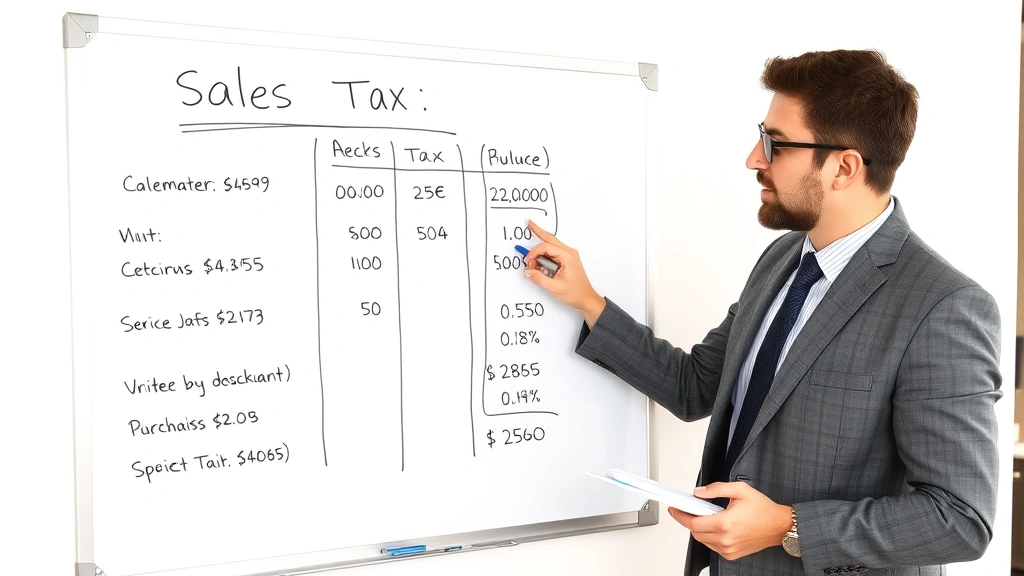
The math itself is simple: take your vehicle’s purchase price, multiply it by the applicable tax rate, and that’s what you owe. But the “purchase price” part is where nuance comes in. For example, if you’re buying a car for $25,000 in a county with a total 7% tax rate (6% state + 1% county surtax), you’d owe $1,750 in sales tax.
What makes this more complex is that Florida allows you to reduce your taxable amount through trade-in credits. If you’re trading in an old vehicle worth $5,000, your taxable base drops to $20,000, meaning you’d owe tax only on that difference. This is a major advantage if you have an older vehicle to trade.
The dealership handles the actual tax collection and remittance to the Florida Department of Revenue, but you’re responsible for understanding what you’re paying and why. Always ask the dealership to itemize the tax separately on your paperwork so you can verify the calculation.
Trade-In Credits Reduce Your Tax Burden
One of the most underutilized strategies for saving on Florida automobile sales tax is maximizing your trade-in credit. Florida law allows you to deduct the fair market value of your trade-in vehicle from the purchase price before calculating sales tax. This isn’t a tax deduction—it’s a reduction in the taxable base itself, which is much more valuable.
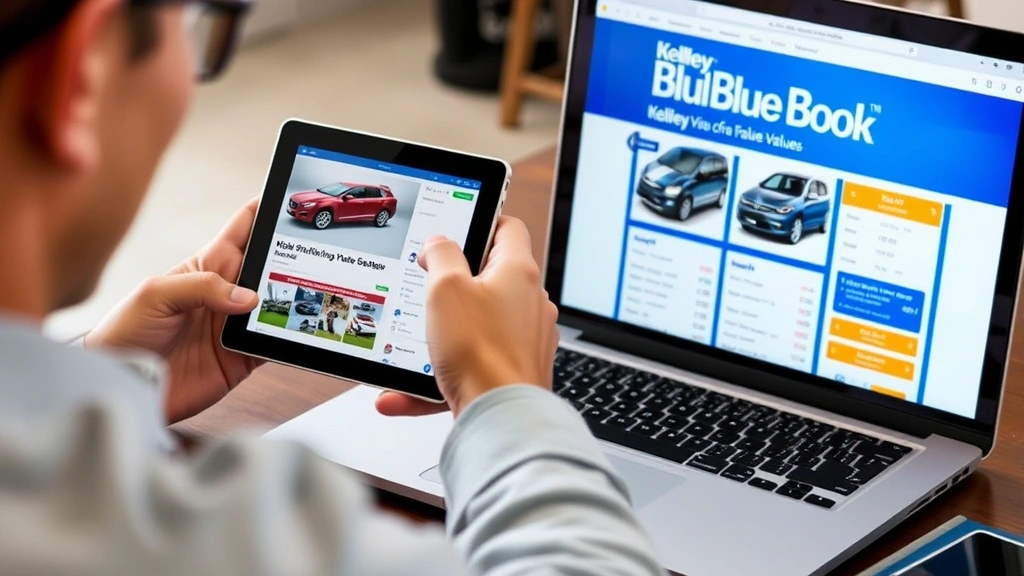
Here’s a practical example: You’re buying a $30,000 car and trading in a vehicle worth $8,000. Instead of paying tax on the full $30,000, you pay tax only on $22,000. At a 7% rate, that saves you $560 right there. The key is making sure your trade-in is valued fairly. Get an independent appraisal from resources like Kelley Blue Book or NADA Guides before negotiating with the dealership. Dealers sometimes lowball trade-in values to compensate for discounts, so knowing the real worth of your vehicle is essential.

If you don’t have a trade-in, consider whether it makes financial sense to purchase one before your new vehicle purchase. Sometimes buying a cheap used car to trade in can actually save you money on taxes, though you need to run the numbers carefully.
Exemptions and Special Cases
Florida offers several exemptions and special situations where you might pay reduced or no sales tax on a vehicle purchase. Understanding these can be genuinely life-changing for certain buyers.
Disabled Persons: If you have a disability and are purchasing a vehicle specially equipped for your use, you may qualify for a sales tax exemption. You’ll need documentation from your physician and must apply through the Florida Department of Revenue.
Non-Residents: If you’re buying a vehicle but registering it out of state, you typically won’t pay Florida sales tax. This is why some out-of-state buyers purchase in Florida—the state doesn’t tax vehicles registered elsewhere. However, your home state may tax the purchase when you register it there.
Vehicles for Resale: Dealers and businesses purchasing inventory for resale can use their resale certificate to avoid paying sales tax. This is strictly regulated, and misuse can result in serious penalties.
Government Agencies: Federal, state, and local government entities are typically exempt from sales tax on vehicle purchases. Military personnel on active duty may also qualify for exemptions depending on circumstances.
If you think you might qualify for any exemption, contact the Florida Department of Revenue directly. Don’t rely on a dealership to tell you about exemptions—they have no incentive to reduce the sale price.
County Surtax Variations Across Florida
This is where Florida automobile sales tax gets complicated. While the state rate is 6%, most Florida counties have added their own surtax, bringing the total to between 6% and 7.5%. Some counties even go higher. Here’s what you need to know:
Miami-Dade County: 7% total (6% state + 1% county). If you’re buying in Miami or the surrounding area, budget for that extra percentage. This is similar to the considerations we’ve covered regarding Miami-Dade real estate taxes, where location matters significantly.
Broward County: Also 7% total. The Fort Lauderdale area follows the same rate structure as Miami-Dade.
Hillsborough County (Tampa): 7.5% total—one of the highest in the state.
Orange County (Orlando): 6.5% total.
Duval County (Jacksonville): 6.5% total.
The variation matters. If you’re on the border between two counties, buying in the county with the lower rate could save you money. A $25,000 car purchase in a 6% county costs $1,500 in tax; in a 7.5% county, it costs $1,875. That’s a $375 difference on a single purchase. For higher-priced vehicles, the savings are even more substantial.

Check the Florida Department of Revenue’s official county tax rate table to confirm the exact rate in your area before you buy.
Private Party Vehicle Sales and Use Tax
Buying from a private seller doesn’t exempt you from tax—it just changes how you pay it. When you purchase a vehicle from an individual rather than a dealer, you’re responsible for paying a “use tax” when you register the vehicle with the Florida Department of Motor Vehicles. The rate is the same as sales tax for your county.
Here’s the process: You’ll need to provide proof of purchase price (bill of sale) when you register the vehicle. The DMV calculates the use tax based on that price and your county of residence. You pay it at registration time, not at the point of sale. This means you can’t avoid the tax by buying privately—you’re just deferring payment until registration.
One legitimate strategy: if you’re buying from a private party, negotiate the price knowing you’ll owe tax on it. Some buyers mistakenly think they can claim a lower price on the bill of sale to reduce taxes, but this is tax fraud and can result in penalties, interest, and potential criminal charges. Always report the actual purchase price.
If you’re selling a vehicle privately, you’re not responsible for collecting tax—that’s the buyer’s obligation when they register it.
Timing and Purchase Strategies
While you can’t avoid Florida automobile sales tax entirely, timing your purchase strategically can help. Here are some legitimate approaches:
Year-End Dealer Incentives: Dealerships often offer bigger discounts in December to clear inventory before year-end. A lower purchase price means lower tax. If a dealer knocks $2,000 off the price, you save roughly $140 in tax (at 7%).
End-of-Month Timing: Sales staff have monthly quotas. Buying near the end of the month when they’re trying to hit targets can result in better negotiating power. Again, a lower price directly reduces your tax burden.
New vs. Used Vehicles: There’s no tax advantage to buying new over used or vice versa—both are taxed the same way. Choose based on your actual needs and budget, not tax considerations.
Manufacturer Rebates: Some manufacturers offer rebates that reduce the purchase price. These are applied before tax calculation, so they genuinely reduce your tax liability. Dealer discounts work the same way.
What doesn’t work: trying to structure the deal as a lease-to-own, claiming the vehicle is for business use when it’s not, or underreporting the purchase price. The Florida Department of Revenue and DMV are sophisticated at catching these schemes, and the penalties far exceed any tax savings.
Documentation and Filing Tips
Proper documentation protects you and ensures you’re not overpaying. Here’s what you should do:
Get It in Writing: Insist that the dealership or private seller provide a detailed bill of sale showing the vehicle description, purchase price, date, and signatures from both parties. This becomes your proof of purchase for tax purposes.
Verify the Tax Calculation: Before signing paperwork, ask the dealership to show you the tax calculation. It should be: Purchase Price minus Trade-In Value, multiplied by the applicable tax rate. If you’re in Miami-Dade and buying a $28,000 car with a $5,000 trade-in, the taxable amount is $23,000, and tax should be $1,610 (at 7%).
Keep All Receipts: Hold onto your bill of sale, title transfer documents, tax receipts, and registration paperwork. These documents support your ownership and prove you paid the appropriate tax if ever questioned by authorities.
Register Promptly: Florida law requires you to register your vehicle within 10 days of purchase. Delaying registration doesn’t reduce your tax obligation—it just creates compliance issues. If you’re buying privately, register immediately to avoid penalties.
If you believe you’ve been overcharged on sales tax, you have a right to appeal. Contact the county tax collector’s office or the Florida Department of Revenue with your documentation. Similar considerations apply if you’re dealing with business-related taxes, like understanding Broward County business tax receipt requirements.
How Florida Compares to Other States
If you’re considering moving to Florida or comparing it to another state, it’s worth noting that Florida’s automobile sales tax is relatively reasonable. Some states charge 8-10% on vehicle purchases. However, states without sales tax (like comparing to states like Illinois) may have higher registration fees or other vehicle-related taxes to compensate. Additionally, Florida’s lack of state income tax means you keep more of your overall earnings, which can offset the sales tax burden for residents.
If you’re relocating to Florida specifically to avoid income tax, the sales tax on a vehicle purchase is a small price to pay for the long-term financial benefits of living in a no-income-tax state.
Frequently Asked Questions
What is the current sales tax rate on cars in Florida?
Florida’s state sales tax on automobiles is 6%, but most counties add a surtax bringing the total to between 6% and 7.5%. Your exact rate depends on your county of residence. Check with your local county tax collector or the Florida Department of Revenue for your specific rate.
Can I avoid sales tax by buying a car out of state?
No. If you’re a Florida resident, you owe Florida use tax on a vehicle purchased out of state when you register it in Florida. The rate is the same as sales tax. The only exception is if you’re buying a vehicle to register and use permanently in another state.
Do I pay sales tax on a trade-in?
No. You only pay sales tax on the net amount after subtracting your trade-in value. If you’re buying a $30,000 car and trading in a vehicle worth $8,000, you pay tax only on $22,000.
What if I buy a vehicle from a private party?
You’ll pay use tax (equivalent to sales tax) when you register the vehicle with the Florida DMV. The rate is based on your county of residence and the purchase price you report on your bill of sale.
Are there any ways to legally reduce my sales tax bill?
Yes. Maximize your trade-in value, negotiate the lowest possible purchase price, and if you qualify for exemptions (disability, government agency, etc.), apply for them through the Florida Department of Revenue. Timing your purchase to take advantage of dealer incentives can also lower the pre-tax price.
What happens if I register my vehicle late?
Florida requires registration within 10 days of purchase. Late registration can result in penalties and fines. Your sales tax obligation doesn’t change—you still owe it regardless of when you register.
Do commercial vehicles have different tax rates?
Commercial vehicles are generally taxed at the same rate as personal vehicles in Florida. However, businesses may qualify for exemptions if they’re purchasing inventory for resale. Consult with the Florida Department of Revenue about your specific situation.
Final Thoughts on Florida Automobile Sales Tax
Understanding Florida automobile sales tax puts you in control of your car-buying experience. You now know that the 6% state rate is just the starting point, that county surtaxes can push your total to 7.5% or higher, and that trade-in credits and negotiated prices directly reduce your tax liability. These aren’t loopholes—they’re legitimate strategies built into Florida’s tax code.
The key is doing your homework before you walk into a dealership or meet a private seller. Know your county’s tax rate, understand how trade-ins work, get your vehicle’s value appraised independently, and insist on itemized documentation of every charge. A little preparation can save you hundreds of dollars on your next vehicle purchase.
Remember, while you can’t eliminate the tax, you can optimize how much you pay by being an informed buyer. That’s the real money-saving strategy.