

The Gaston County tax office handles property taxes, tax assessments, and related filings for residents and businesses in Gaston County, North Carolina. Whether you’re a homeowner worried about rising property values or a business owner navigating tax obligations, understanding how the Gaston County tax office works can help you keep more money in your pocket.
Table of Contents
What Is the Gaston County Tax Office?
The Gaston County tax office is the governmental agency responsible for assessing property values, collecting property taxes, and maintaining tax records for the county. Located in Gastonia, North Carolina, this office serves as the central hub for all property tax-related matters. Think of it as your go-to resource when you need clarity on your tax bill or want to understand what you’re actually paying for.
The office employs tax assessors, collectors, and administrative staff who work to ensure fair and accurate property valuations. They’re not your enemies—they’re just doing their job. However, understanding how they work can definitely help you advocate for yourself when your assessment seems off.
Property Tax Basics in Gaston
Property taxes in Gaston County are based on the assessed value of real estate. The county uses these taxes to fund schools, infrastructure, emergency services, and other public services. Your property tax bill is calculated by multiplying your property’s assessed value by the tax rate (also called the millage rate).
Here’s the straightforward formula: Assessed Value × Tax Rate = Annual Property Tax
Gaston County’s tax rate varies slightly by municipality, but it typically ranges from $0.70 to $0.95 per $100 of assessed value. This might not sound like much, but on a $300,000 home, that adds up quickly. Understanding this calculation is your first step toward identifying potential savings.
If you’re comparing Gaston County to other areas, check out how Cass County property taxes work—you might find regional patterns that help contextualize your own situation.
How Property Assessment Works
The Gaston County tax office conducts property assessments to determine fair market value. Assessors use comparable sales data, property condition, square footage, lot size, and other factors to arrive at a value. This happens roughly every four years through a countywide revaluation, though the office may update individual assessments annually.
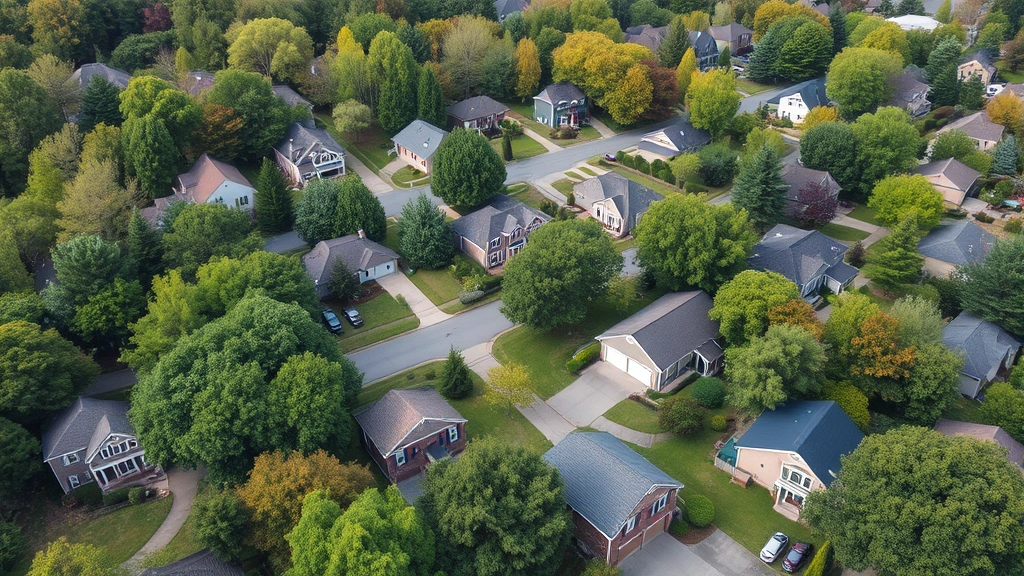
The assessment process isn’t arbitrary—it’s supposed to reflect what your property would sell for on the open market. However, assessments sometimes miss the mark. Maybe your home has structural issues, or the comparable sales used were from properties in better condition. This is why reviewing your assessment is crucial.
You’ll receive a notice of valuation in the mail. Don’t toss it. This document is your starting point for understanding whether your assessment is reasonable. If you believe the assessment is inaccurate, you have the right to challenge it—and many people successfully do.
Homestead Exemptions & Relief
North Carolina offers homestead exemptions and property tax relief programs that can significantly reduce your tax burden. If you’re a homeowner living in your primary residence, you may qualify for a homestead exemption, which typically reduces the assessed value of your home by a certain amount.
Additionally, North Carolina provides property tax deferral programs for senior citizens and disabled individuals. These programs allow eligible residents to defer property taxes until the property is sold or transferred. This can be a lifesaver if you’re on a fixed income and struggling with rising property values.
The Gaston County tax office can provide detailed information about which relief programs you qualify for. Don’t assume you’re ineligible—it’s worth asking. Many people leave money on the table simply because they didn’t know these programs existed.
Business Tax Registration
If you operate a business in Gaston County, you’ll need to register with the tax office and understand your business tax obligations. This includes obtaining a business tax license and understanding which business activities are taxable in the county.
The Gaston County tax office issues business privilege licenses for various types of enterprises. The fee depends on your business classification and gross receipts. Some businesses are exempt, while others face specific tax requirements. Getting this right from the start prevents headaches down the road.
For a broader perspective on tax registration across different counties, explore how Hennepin County tax records are maintained—many counties follow similar registration protocols.
Appealing Your Tax Assessment
Think your property is overvalued? You have the right to appeal your assessment. The Gaston County tax office follows a formal appeal process that gives you a chance to present evidence supporting a lower valuation.
Here’s how it typically works: First, you file a formal appeal with the county assessor within a specific timeframe (usually 30 days of receiving your valuation notice). You’ll need to provide supporting documentation—recent appraisals, comparable sales data, photos of property damage or defects, or evidence of market conditions that affect value.
If the assessor doesn’t adjust your assessment, you can appeal to the Board of Equalization and Review. This board reviews your case and makes a final determination. Many people successfully lower their assessments through this process, sometimes by thousands of dollars annually.
The key is gathering solid evidence. Don’t rely on emotion or complaints; bring data. If you’re serious about this, consider hiring a property tax consultant or attorney who specializes in assessment appeals. The investment often pays for itself through reduced taxes.
Payment Methods & Deadlines
Gaston County property taxes are typically due in two installments: the first half due by September 30, and the second half due by March 31. Missing these deadlines results in penalties and interest charges, so mark your calendar.
The Gaston County tax office accepts payments through multiple methods: online through their website, by mail, in person at their office, or through automatic bank draft. Online payment is convenient and provides instant confirmation. Automatic draft ensures you never miss a deadline—it’s worth setting up if you want peace of mind.
If you’re struggling to pay, contact the tax office immediately. Some counties offer payment plans or temporary relief options for hardship situations. Ignoring the bill only makes things worse.
Money-Saving Tax Strategies
Beyond homestead exemptions, several strategies can reduce your property tax burden. First, keep detailed records of home improvements and repairs. While improvements increase home value, you can use repair documentation in assessment appeals to demonstrate that your home isn’t in the condition the assessor assumed.
Second, monitor your property’s assessed value over time. If similar homes in your neighborhood are assessed lower, that’s evidence your assessment is too high. Document these comparable properties and use them in an appeal.
Third, consider the timing of major renovations. If you’re planning a significant upgrade, understand that it will likely increase your assessed value. Sometimes it’s worth waiting until after the next revaluation cycle to do major work.
Fourth, if you have rental property, understand how the Gaston County tax office values investment real estate differently than primary residences. Income-producing properties are assessed differently, and understanding these rules helps you plan accordingly.
For additional context on property tax strategies across regions, review Franklin County property taxes to see how other jurisdictions handle similar situations.
Accessing Your Tax Records
The Gaston County tax office maintains public records of all property assessments, tax payments, and related documents. You can access these records online through the county’s website or by visiting the office in person. This transparency is your advantage—use it.

Your property record includes the assessed value, tax history, property description, and any exemptions applied. Review this document carefully at least annually. Errors happen—wrong square footage, incorrect lot size, or misclassified property type. If you spot an error, report it immediately; correcting it can lower your taxes.
You can also pull records for comparable properties in your neighborhood. This data is invaluable when preparing an assessment appeal. Seeing that your neighbor’s similar home is valued $50,000 less gives you concrete evidence to present.
Getting Help from Gaston County
The Gaston County tax office staff can answer questions about assessments, payment options, exemptions, and appeal procedures. Don’t hesitate to call or visit. Most staff members are helpful and understand that property taxes confuse people—it’s not a weakness to ask questions.
If you’re dealing with a complex situation—perhaps you inherited property, own multiple parcels, or operate a business—consider consulting with a tax professional. A CPA or property tax specialist can review your situation and identify savings opportunities you might miss on your own.
For broader tax planning that affects your overall financial picture, explore tools like the Michigan property tax calculator to understand how property taxes fit into your comprehensive financial strategy.
Frequently Asked Questions
How often does the Gaston County tax office reassess properties?
Gaston County typically conducts a comprehensive revaluation every four years. However, individual property assessments may be updated annually based on new construction, improvements, or market conditions. You’ll receive notice of any changes to your assessment.
Can I appeal my assessment if I disagree with it?
Yes, absolutely. You have the right to appeal your assessment within 30 days of receiving your valuation notice. You’ll need to provide evidence supporting a lower value, such as comparable sales data or documentation of property defects. If the assessor denies your appeal, you can appeal to the Board of Equalization and Review.
What is the current property tax rate in Gaston County?
The tax rate varies slightly by municipality within Gaston County, typically ranging from $0.70 to $0.95 per $100 of assessed value. Check with your specific city or township for the exact rate applicable to your property.
Am I eligible for homestead exemption in North Carolina?
If you own and occupy your primary residence in North Carolina, you likely qualify for homestead exemption. Senior citizens and disabled individuals may qualify for additional relief programs. Contact the Gaston County tax office to determine your specific eligibility.
What happens if I miss my property tax payment deadline?
Missing the deadline results in penalties and interest charges on your unpaid balance. The longer you wait, the more you owe. If you’re struggling to pay, contact the tax office immediately to discuss options—many counties offer payment plans or temporary relief for hardship situations.
How can I access my property tax records online?
The Gaston County tax office maintains an online property search tool on their website. You can look up your property by address or parcel number to view your assessed value, tax history, and other details. This information is public record.
Do business owners in Gaston County pay property taxes differently?
Business property is assessed and taxed similarly to residential property, though the assessment methodology may differ. Commercial properties are often valued based on income-producing potential rather than comparable sales. Business owners also need to register for a business privilege license with the tax office.
Final Thoughts: Take Control of Your Gaston County Taxes
The Gaston County tax office isn’t your enemy—it’s a resource. Understanding how it works puts you in control of your property tax situation. Whether you’re reviewing your assessment, applying for exemptions, or planning an appeal, knowledge is power.
Start by reviewing your property record. Then, if your assessment seems high, gather comparable sales data and consider filing an appeal. Look into exemptions and relief programs you might qualify for. Finally, set up automatic payment to ensure you never miss a deadline.
Property taxes are typically the largest bill many homeowners face. Taking time to understand the Gaston County tax office and exploring legitimate ways to reduce your burden can save you thousands of dollars over your lifetime. That’s money you can redirect toward retirement, education, or other financial goals that matter to you.
For additional context on how property taxes work in other regions, check out Fairfax County real estate tax assessment and Florida property tax reform to see how different states approach these issues.


