

Learning how to perform a Guilford County tax bill search doesn’t have to feel like navigating a bureaucratic maze. Whether you’re a homeowner checking your property assessment, a business owner tracking commercial real estate taxes, or someone who just received a bill and wants to verify the details, this guide will walk you through every step of finding and understanding your tax information in North Carolina’s largest Piedmont county.
Table of Contents
Why Search Your Tax Bill
You might be wondering why it matters to dig into your Guilford County tax bill. Here’s the thing: property tax bills are often one of the largest expenses homeowners face, sometimes rivaling mortgage payments. In 2024, with property values fluctuating across the county, it’s more important than ever to verify that your assessment is accurate.
Searching your tax bill helps you:
- Confirm you’re being taxed on the correct property value
- Identify calculation errors that could cost you hundreds of dollars annually
- Plan your annual budget more effectively
- Catch fraudulent activity on your property account
- Gather documentation if you’re planning to appeal your assessment
Nobody likes the feeling of uncertainty when it comes to taxes. Taking 15 minutes to search and review your bill gives you peace of mind and puts you in control of your financial obligations.
Guilford County Tax Basics
Guilford County, home to Greensboro and High Point, is North Carolina’s third-largest county by population. The county tax system operates under state law but maintains its own assessment processes and deadlines. Understanding the structure helps you know where to look and what to expect.
The Guilford County Tax Administration office oversees all property tax assessments, billing, and collection. They maintain digital records for hundreds of thousands of properties. The county assesses property every four years (known as a “revaluation cycle”), with adjustments made annually for new construction, demolitions, and other changes.
Property taxes in Guilford County fund essential services: public schools, emergency services, road maintenance, and county administration. The tax rate varies slightly depending on whether your property is located within a municipal jurisdiction (like Greensboro or High Point) or in unincorporated county areas. This is why two similar homes might have different tax bills—location and local services matter.
Online Search Methods
The easiest way to find your tax bill is through Guilford County’s online property search system. The county maintains a public database accessible from any computer or smartphone with internet access. Here are your primary options:
Official County Website: The Guilford County Tax Administration office hosts a searchable database on their official website. This is the most reliable source because it comes directly from the agency responsible for your bill. You can search by property address, parcel number, or owner name.
Third-Party Tax Sites: Websites like Zillow, Trulia, and county-specific property databases sometimes display tax information, though these are secondary sources and may not reflect the most current assessment.
In-Person Visits: If you prefer the old-fashioned approach, you can visit the Tax Administration office in Greensboro during business hours. Staff can print your bill and answer questions directly.
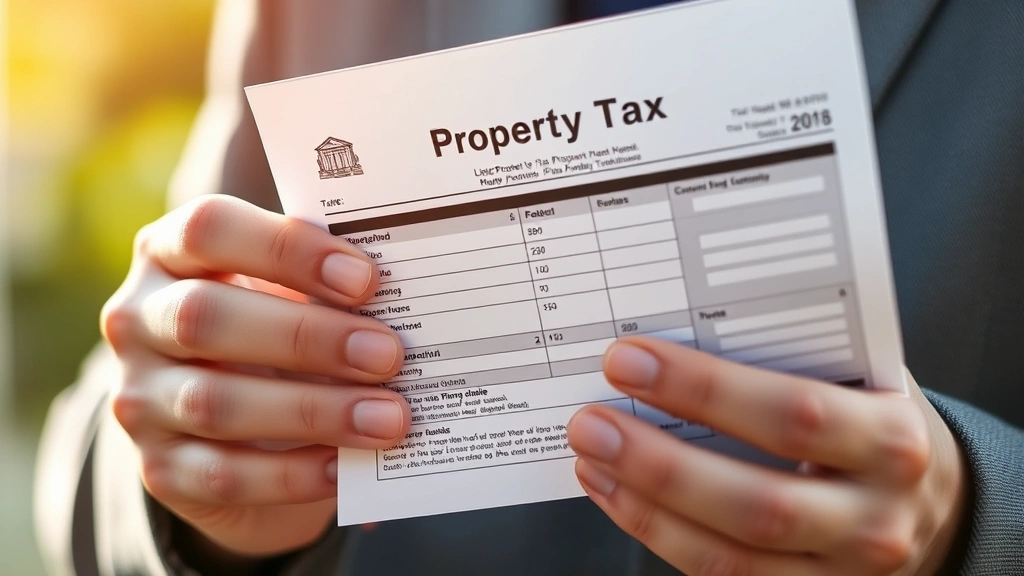
The online method is fastest. Most searches complete in under two minutes, and you get instant access to your current bill and historical information.
Step-by-Step Search Process
Let’s walk through exactly how to find your bill online:
Step 1: Access the Search Portal
Navigate to the Guilford County Tax Administration website. Look for the “Property Search” or “Tax Bill Lookup” option in the main menu. The interface is straightforward—you’ll see a search box prominently displayed.
Step 2: Enter Your Information
You have three search options:
- By Address: Type your property address exactly as it appears on your deed (e.g., “123 Elm Street, Greensboro, NC 27401”)
- By Parcel Number: If you know your parcel ID (found on previous tax bills or deeds), enter this for instant results
- By Owner Name: Enter the property owner’s last name and first name
Step 3: Review Search Results
The system will display matching properties. If you searched by address or name, you might see multiple results. Click on your specific property to access the full record.
Step 4: View Your Bill
Once you’ve selected your property, you’ll see your current tax bill, assessment value, tax amount, and payment status. The system typically shows the current year and several previous years for comparison.
Step 5: Download or Print
Most systems allow you to download your bill as a PDF or print it directly. Save a copy for your records—you’ll want this documentation if you have questions or need to file an appeal.
Understanding Your Bill Details
Your Guilford County tax bill contains several key pieces of information. Let’s break down what each section means:
Assessed Value: This is what the county believes your property is worth for tax purposes. It’s typically lower than market value because North Carolina uses “assessed value” rather than “appraised value.” The assessed value is multiplied by the tax rate to calculate your bill.
Tax Rate: Guilford County’s tax rate is expressed as a percentage of assessed value, often shown as “$X per $100 of assessed value.” For example, a rate of $0.68 per $100 means a property with a $300,000 assessed value would owe $2,040 annually.

Annual Tax Amount: This is your total property tax obligation for the year. It’s calculated by multiplying your assessed value by the tax rate.
Payment Schedule: Guilford County typically bills property taxes in two installments: one in September and one in January. Your bill shows both due dates and amounts.
Penalties and Interest: If your bill shows penalties or interest charges, it means payments were made late. These accumulate quickly, so addressing overdue bills promptly is critical.
Property Details: Your bill includes the property address, parcel number, owner information, and sometimes brief descriptions of structures on the property (house, garage, etc.).
Review each section carefully. Errors in assessed value or property description could indicate a mistake that warrants an appeal.
Property Tax Rates & Calculations
Understanding how your property tax is calculated demystifies the entire process. The formula is simple: Assessed Value × Tax Rate = Annual Tax Owed.
Let’s work through an example. Suppose your Greensboro home has an assessed value of $350,000 and the city’s tax rate is $0.72 per $100 of assessed value:
- $350,000 ÷ 100 = 3,500
- 3,500 × $0.72 = $2,520 annual property tax
That $2,520 is divided into two installments: roughly $1,260 due in September and $1,260 in January.
Tax rates in Guilford County vary by jurisdiction. Unincorporated county areas might have a different rate than Greensboro, which differs from High Point. When you search your bill, the system automatically applies the correct rate for your location.
Rates also change annually. The county commission reviews and adjusts rates each fiscal year based on budget needs and property value changes across the county. If your bill suddenly increases, it might be due to a rate increase rather than your property value rising.

If you’re comparing your taxes to a neighbor’s, remember that identical homes can have different assessed values if they were last revalued in different years or if one property has had improvements added.
Payment Options & Deadlines
Guilford County offers multiple payment methods because they understand that convenience matters. Here’s what’s available:
Online Payment: Pay directly through the county website using a credit or debit card. This is the fastest method and provides instant confirmation. A small processing fee typically applies.
Check by Mail: Send a check to the address shown on your bill. Be sure to include your parcel number for proper posting. Allow 7-10 days for mail delivery and processing.
In-Person Payment: Visit the Tax Administration office during business hours with cash, check, or card. You’ll receive an immediate receipt.
Automatic Bank Draft: Set up recurring payments through your bank’s bill pay system. This ensures you never miss a deadline and requires no action on your part after initial setup.
Phone Payment: Call the Tax Administration office to pay over the phone with a credit or debit card.
Deadlines are firm. The first installment is typically due September 1st, and the second is due January 6th. Payments received after the due date incur a penalty (usually around 1% of the unpaid balance) plus interest charges that accumulate monthly.
If you’re struggling to pay your full bill, contact the Tax Administration office before the deadline. They may offer payment plans or discuss hardship options.
Common Issues & Solutions
When searching your Guilford County tax bill, you might encounter problems. Here are the most common ones and how to fix them:

Can’t Find Your Property: If your search returns no results, try alternative approaches. Search by parcel number instead of address, or call the Tax Administration office with your address. Sometimes properties are listed under a different owner name if you recently purchased the home but the deed hasn’t been recorded yet.
Bill Shows Wrong Address or Owner: This indicates a record error. Contact the Tax Administration office immediately with proof of ownership (deed, mortgage documents). They can update the records, which is important for ensuring tax notices reach you.
Assessed Value Seems Too High: Compare your assessed value to recent sales of similar properties in your neighborhood. If yours is significantly higher, you may have grounds for an appeal. The county must justify its assessment with market data.
Missing Bill or No Payment Confirmation: If you paid your bill but it still shows as unpaid, contact the office with your payment confirmation. Processing delays happen, especially with mailed checks. They’ll verify receipt and update your account.
Property Value Increased Dramatically: Significant increases usually occur during revaluation years. If you believe the increase is unjustified, gather comparable sales data and file an appeal before the deadline (typically 30 days from bill date).
Tax Assessment Appeals
If your Guilford County tax bill search reveals an assessed value you believe is incorrect, you have the right to appeal. The process is designed to be accessible to property owners without requiring a lawyer.
Grounds for Appeal: You can appeal if you believe the assessed value doesn’t reflect fair market value, if there’s a factual error in property description, or if the assessment violates county policy.
Timeline: Appeals must be filed within 30 days of receiving your bill. Missing this deadline closes your right to appeal for that year.
Filing Your Appeal: Submit a written appeal to the Tax Administration office including your property address, parcel number, reason for appeal, and supporting documentation (comparable sales, photos of property condition, etc.).
The Hearing: You’ll be notified of a hearing date before the county’s Board of Equalization and Review. You can present your case in person or submit written evidence. Bring documentation supporting your position.

Decision: The board reviews your appeal and issues a decision. If you disagree with their decision, you can appeal to the North Carolina Property Tax Commission, though this requires more formal legal procedures.
Many property owners successfully appeal assessments by simply providing evidence of lower comparable sales or documented property defects. The county wants to be fair—they’re not trying to overtax you.
Frequently Asked Questions
How often does Guilford County revalue properties?
Guilford County conducts a comprehensive revaluation every four years. Between revaluations, the county makes annual adjustments for new construction, demolitions, and other changes. The most recent countywide revaluation was in 2022, with the next scheduled for 2026.
Why is my assessed value different from my home’s market value?
North Carolina uses “assessed value” for tax purposes, which is typically 85-95% of market value. This is intentional—the state caps assessment ratios to prevent excessive taxation. Your home might sell for $400,000 but be assessed at $350,000 for tax purposes.
Can I pay my Guilford County tax bill online?
Yes, absolutely. The county website offers online payment through their property search portal. You can pay with a credit or debit card, though a small processing fee applies. Alternatively, you can set up automatic bank drafts to eliminate manual payments entirely.
What happens if I don’t pay my property tax bill?
Unpaid property taxes accumulate penalties and interest monthly. If left unpaid for an extended period (typically 3+ years), the county can initiate foreclosure proceedings and sell your property at a tax sale to recover the debt. It’s critical to address unpaid taxes immediately.
How do I know if my property information is correct?
When you search your bill, review the property description section carefully. It should list the correct address, number of structures, and basic details. If anything is wrong, contact the Tax Administration office. Errors in property description can affect your assessment.
Is there a homestead exemption in Guilford County?
North Carolina offers a homestead property tax exclusion for primary residences, which excludes the first $25,000 of assessed value from taxation (this amount adjusts annually). You must apply for this exemption—it’s not automatic. Check with the Tax Administration office if you haven’t claimed it.
Can I appeal my assessment if I’m retired or on a fixed income?
Yes, your financial situation doesn’t affect your right to appeal an assessment. However, North Carolina does offer a Homestead Property Tax Exclusion for elderly and disabled homeowners, which provides additional tax relief. Contact the Tax Administration office to learn if you qualify.
What’s the difference between a tax bill and a tax assessment?
An assessment is the county’s determination of your property’s value. A tax bill is the amount you owe based on that assessment and the tax rate. You can have an assessment without owing taxes (if you don’t own property), but you can’t have a tax bill without an assessment.
Final Thoughts on Your Tax Bill Search
Performing a Guilford County tax bill search puts you in the driver’s seat of your property tax obligations. It takes just minutes to access your information online, but the knowledge you gain is invaluable. You’ll understand exactly what you owe, why you owe it, and whether your assessment is fair.
Start your search today by visiting the Guilford County Tax Administration website. If you’re in nearby counties, similar processes apply—you can check out resources like the Onslow County Tax Office or McLennan Tax Office for comparison. Understanding property taxes also helps when you’re planning your overall tax strategy; learning about North Carolina sales tax and other obligations rounds out your financial picture.
If your search reveals assessment issues, don’t hesitate to file an appeal. If you need help understanding your bill, call the Tax Administration office—their staff are accustomed to answering these questions and genuinely want to help property owners navigate the system. Remember, property taxes are a significant expense, and taking control of that information is one of the smartest financial moves you can make.


