
If you own property in Harford County, Maryland, understanding Harford County property taxes is essential to managing your finances and potentially keeping more money in your pocket. Property taxes in Harford County are a significant expense for homeowners, and they’re calculated based on assessed property value and the county’s tax rate. Whether you’re a first-time homebuyer, a long-time resident, or considering a move to the area, this guide will walk you through everything you need to know about how taxes work here, what you’ll owe, and legitimate strategies to reduce your tax burden.
Table of Contents
How Property Taxes Are Calculated
Property taxes aren’t mysterious—they’re straightforward math. Your Harford County property tax bill equals your property’s assessed value multiplied by the tax rate. Here’s what that means in practice: if your home is assessed at $300,000 and Harford County’s tax rate is 0.73% (the approximate 2024 rate), you’d owe roughly $2,190 annually. The county assessor determines your property’s value, and that’s where things get interesting because assessment errors happen more often than you’d think.
The key is understanding that assessed value and market value aren’t always the same. The county uses various methods—comparable sales analysis, cost approach, income approach—to estimate what your property is worth. If they overestimate, you’re paying more than you should. That’s why reviewing your assessment notice carefully matters. Most people glance at it and file it away, but savvy homeowners use it as a starting point for potential savings.
Harford County Tax Rates 2024
For 2024, Harford County’s property tax rate sits at approximately $0.73 per $100 of assessed value, which translates to 0.73%. This rate applies to residential properties in unincorporated Harford County. However—and this is important—rates can vary slightly if your property is within an incorporated municipality like Aberdeen, Bel Air, or Havre de Grace, each of which may have their own additional local tax rates.
Understanding your specific jurisdiction matters because a property in Bel Air might face a different total tax burden than the same property in unincorporated Harford County. The county rate plus any municipal rate equals your total property tax obligation. Before buying or refinancing, always confirm which municipality your property falls under and calculate the full tax picture. Many people focus only on the county rate and get surprised at settlement.
For context on state-level taxes, it’s worth noting that Maryland State Income Tax Rates 2025 are separate from property taxes, so ensure you’re budgeting for both.
The Assessment Process Explained
Every three years, Harford County conducts a reassessment cycle to ensure all properties are valued fairly and consistently. During this time, assessors may visit your property or use available data to update its value. You’ll receive a notice showing your new assessed value, and here’s the critical part: you have a window to dispute it if you believe it’s wrong.

The assessment process considers factors like square footage, lot size, condition, improvements, comparable sales in your neighborhood, and market trends. If the county assessed your home during a market peak and values have since declined, or if they missed obvious issues like a roof needing replacement, you may have grounds for an appeal. Many homeowners don’t realize they have this right, which means they’re overpaying year after year.
Documentation is your friend here. Gather recent appraisals, photos of any deferred maintenance, and sales data for comparable homes that sold for less than the county’s assessment. The Harford County Assessor’s office is generally reasonable to work with, and many assessment appeals are successful when backed by solid evidence.
Homestead Property Tax Credit
Maryland offers a homestead property tax credit that can reduce your tax bill if you meet certain income requirements. This credit is designed to provide relief for homeowners, particularly those with modest incomes. For 2024, the credit applies to owner-occupied residential properties where the property tax exceeds a certain percentage of your household income.
To qualify, you must be a Maryland resident, own your home, and have lived there for at least one year. Your household income must fall within the state’s limits (which change annually). The credit essentially caps your property tax at a percentage of your income, so if your taxes would otherwise exceed that threshold, the state reimburses you the difference.
Many homeowners don’t claim this credit because they don’t know it exists or assume they don’t qualify. It’s worth checking with the Maryland Department of Assessments and Taxation or your local tax assessor to see if you’re eligible. The application process is straightforward, and the savings can be substantial—sometimes hundreds of dollars annually.
Senior Exemptions & Programs
If you’re 65 or older and own your home in Harford County, you may qualify for property tax exemptions or credits specifically designed for seniors. Maryland’s senior tax credit program provides relief based on age and income. The older you are, the more generous the credit tends to be, recognizing that fixed incomes make property taxes particularly burdensome for retirees.

The eligibility requirements vary, but generally you must be at least 65 years old, have lived in Maryland for a specified period, and meet income thresholds. Unlike the homestead credit, the senior credit is specifically for older residents and often provides more substantial relief. If you’re approaching or have already reached retirement age, definitely explore this option.
Additionally, some seniors qualify for property tax deferrals, which allow you to delay paying taxes until the property is sold or transferred. This can be a lifeline for older homeowners on fixed incomes who want to stay in their homes but struggle with rising tax bills. Contact the Harford County Assessor’s office to learn about current senior programs and whether you qualify.
Agricultural Land Tax Relief
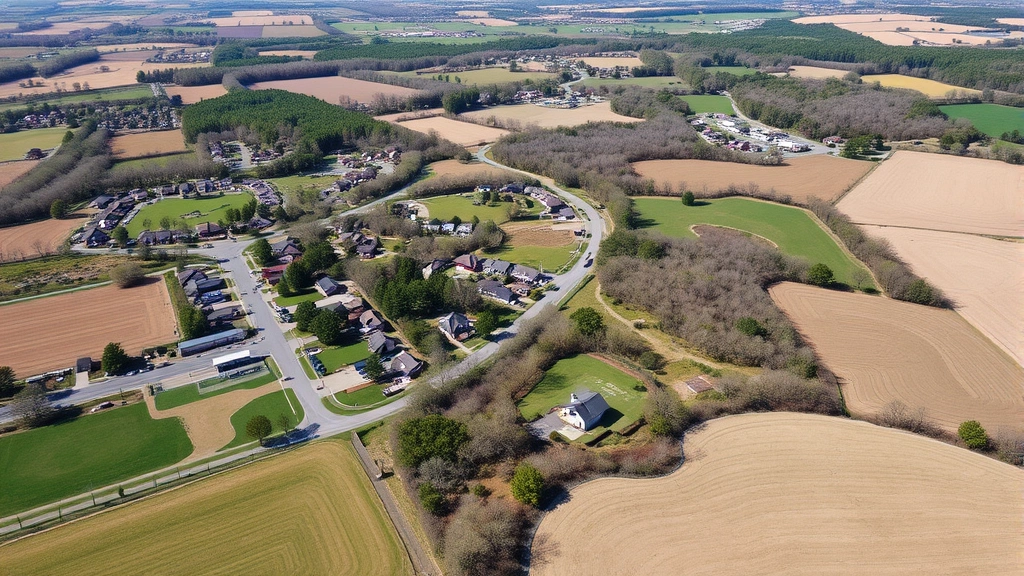
Harford County has significant agricultural heritage, and the state recognizes this with preferential tax treatment for farmland. If you own agricultural land in the county, you may qualify for agricultural assessment, which values the land based on its agricultural use rather than its development potential. This can result in dramatic tax savings—sometimes reducing your bill by 50% or more.
To qualify, your property must be at least five acres and used primarily for agricultural purposes (crops, livestock, timber, etc.). You’ll need to enroll in Maryland’s Agricultural Land Preservation Program or simply request agricultural assessment through the assessor’s office. The key is that the county will value your land as a farm, not as potential residential or commercial development, which is typically worth far more.
The trade-off is that if you later sell the land for non-agricultural use, you may owe back taxes plus interest, so this isn’t ideal if you’re planning to develop the property. But if you’re genuinely farming and want to stay in agriculture, this relief is invaluable for keeping your operation economically viable.
Appealing Your Assessment
You have the right to appeal your property assessment in Harford County, and you should exercise it if you believe the valuation is incorrect. The appeal process typically begins with an informal review with the assessor’s office—often called an “informal appeal” or “assessment review.” This is your first opportunity to present evidence that your property is overvalued.
If you’re not satisfied with the informal review, you can file a formal appeal with the Maryland Tax Court or the County Board of Appeals, depending on local procedures. Formal appeals require more documentation and may involve a hearing, but they’re still accessible to homeowners without lawyers (though having one can help). The key is gathering evidence: recent appraisals, comparable sales, photos of property condition, and any issues the assessor may have overlooked.
Timing matters—you typically have 30 days from receiving your assessment notice to file an appeal, so don’t delay. Many successful appeals simply require showing that comparable homes sold for significantly less than the county’s assessment. It’s worth the effort because even a small reduction in assessed value saves you money every year until the next reassessment cycle.
Tax-Saving Strategies
Beyond credits and exemptions, here are practical strategies to reduce your Harford County property tax burden. First, ensure you’re taking advantage of all available deductions and credits—homestead credit, senior credit, agricultural assessment, etc. Many people leave money on the table simply by not applying.
Second, monitor your property’s condition and document improvements. If your roof is aging, your HVAC system is failing, or there’s deferred maintenance, photograph it and include it in any appeal. Assessors should account for property condition, and if they haven’t, that’s grounds for adjustment. Conversely, if you make significant improvements, expect your assessment to increase—that’s fair, but ensure it doesn’t increase more than the improvement warrants.
Third, stay informed about market conditions in your area. If home values are declining, that’s the time to appeal. If they’re rising, you might accept a higher assessment as inevitable. Understanding local real estate trends helps you make strategic decisions about when to appeal and what comparable sales data to present.
Fourth, consider the broader tax picture. Maryland Paycheck Calculator Secrets can help you optimize your overall tax withholding, which when combined with property tax planning, maximizes your take-home pay. Additionally, for context on how property taxes vary nationally, Which State Has No Property Tax provides perspective on whether Harford County’s rates are competitive.

Finally, if you’re considering relocating, factor in the total tax burden—property tax plus income tax plus sales tax. Maryland has relatively high income taxes, so even modest property taxes add up. Use tools and resources to compare your total tax liability before and after a move.
Payment Deadlines & Penalties
Harford County property taxes are typically due in installments—usually quarterly or semi-annually, depending on your bill amount. Missing a payment deadline triggers penalties and interest, which compound quickly. If you’re struggling to pay, contact the county tax office immediately; they sometimes offer payment plans or can discuss options before penalties kick in.
Late payments accrue interest at a significant rate (often 1% per month or higher), so a missed payment costs more than just the tax itself. Set up automatic payments or calendar reminders to avoid this trap. Some people pay annually if they have the cash flow, which can simplify things and ensure they don’t miss a deadline.
Frequently Asked Questions
What is the current property tax rate in Harford County?
The current rate for unincorporated Harford County is approximately $0.73 per $100 of assessed value (0.73%). However, rates may vary if your property is in an incorporated municipality. Always verify your specific jurisdiction’s rate.
Can I appeal my property assessment?
Yes, absolutely. You have the right to appeal your assessment if you believe it’s incorrect. Start with an informal review with the assessor’s office within 30 days of receiving your notice. If unsatisfied, you can file a formal appeal with the appropriate county board or court.
Do I qualify for the homestead property tax credit?
You may qualify if you own and occupy your home as your primary residence, have lived there for at least one year, and meet Maryland’s income limits. Check with the Maryland Department of Assessments and Taxation or your local assessor to determine eligibility and apply.
What is agricultural assessment and how do I apply?
Agricultural assessment values farmland based on agricultural use rather than development potential, often resulting in significant tax savings. You typically need at least five acres used primarily for farming. Contact the Harford County Assessor’s office to request agricultural assessment or enroll in the Agricultural Land Preservation Program.
Are there tax breaks for seniors in Harford County?
Yes, Maryland offers property tax credits and exemptions for residents 65 and older, with benefits increasing with age. Income limits apply. Contact the assessor’s office to learn about current senior programs and eligibility requirements.
What happens if I don’t pay my property taxes on time?
Late payments incur penalties and interest, typically starting at 1% per month. These costs compound quickly, so it’s crucial to pay on time. If you’re struggling, contact the county tax office to discuss payment plans before penalties accumulate.
How often is my property reassessed?
Harford County conducts a full reassessment cycle every three years. You’ll receive notice of any changes to your assessed value. If you disagree, you have the opportunity to appeal within the specified timeframe.
Can I deduct property taxes on my federal income tax return?
You can deduct state and local property taxes (SALT) up to $10,000 per year on your federal return if you itemize deductions. This limit was set by the 2017 Tax Cuts and Jobs Act and is currently scheduled to expire after 2025, so confirm current rules with a tax professional.
Final Thoughts
Harford County property taxes are a reality of homeownership, but they’re not a fixed, unchangeable burden. By understanding how assessments work, knowing what credits and exemptions you qualify for, and actively managing your property tax situation, you can significantly reduce what you owe. Whether it’s appealing an inflated assessment, applying for the homestead credit, or exploring senior programs, taking action pays off—literally.
Don’t assume your assessment is accurate or that you don’t qualify for relief. Spend a few hours reviewing your situation, gathering documentation, and exploring your options. For most homeowners, the effort yields real savings that accumulate year after year. And remember, property taxes are just one piece of your overall tax picture—consider them alongside Maryland state income taxes and your paycheck withholding to optimize your total financial situation.