

Understanding Hendricks County property tax is essential for homeowners and real estate investors who want to keep more money in their pockets. Whether you’re buying your first home in Plainfield, Avon, or Danville, or you’re a seasoned property owner, property taxes can feel like a mystery wrapped in bureaucratic jargon. The good news? Once you understand how Hendricks County calculates and assesses property taxes, you can identify legitimate ways to reduce your burden and plan your finances more effectively.
Table of Contents
How Hendricks County Property Tax Works
Hendricks County property tax operates on a straightforward formula: your property’s assessed value multiplied by the local tax rate. But here’s where it gets interesting—and where many homeowners lose money without realizing it. The assessed value isn’t necessarily what you paid for your home or what it’s worth on the open market. It’s an estimate created by the county assessor’s office, and it can be challenged.
Your property tax bill funds essential services: schools, fire departments, police, roads, and local infrastructure. In Hendricks County, which includes towns like Plainfield, Avon, Danville, and Brownsburg, these services vary by township and municipality, which is why your tax rate depends partly on where your property sits. A home in one school district might have a different effective tax rate than an identical home across the road in a different district.
The county assessor reassesses properties on a cycle, typically every four years in Indiana. This means your home’s assessed value can jump significantly when a reassessment occurs, especially in hot real estate markets. Understanding this cycle helps you anticipate tax increases and plan accordingly.
Understanding the Assessment Process
The assessment process begins with the Hendricks County Assessor’s office conducting a physical inspection of your property (though not every year). Assessors look at square footage, condition, age, improvements, and comparable sales in your area. They’re trying to estimate what your home would sell for on the market—not to be punitive, but to ensure fair and uniform taxation across the county.
Here’s the reality nobody tells you: assessments are often inaccurate. Studies show that 20-30% of residential properties are over-assessed. The county assessor’s office handles thousands of properties with limited staff, so mistakes happen. Maybe they counted an addition that doesn’t exist. Maybe they didn’t account for a roof that needs replacement. Maybe they used outdated comparable sales data.
You receive a notice of assessed value (usually in the spring), and you have a window—typically 45 days—to challenge it. This is critical. Missing this deadline means you’re stuck with that assessment for years. We’ll cover the appeal process in detail below, but the takeaway here is: don’t assume the county got it right.
The Hendricks County Assessor’s office maintains property record cards that are publicly available. You can request yours online or visit their office. Review it carefully for errors: square footage, number of rooms, lot size, improvements. Any discrepancies are ammunition for an appeal.
2024 Tax Rates Breakdown
Hendricks County property tax rates vary by location because different townships and school districts have different funding needs. Your effective tax rate (the percentage of your home’s value you pay annually) typically ranges from 0.70% to 0.90% in Hendricks County, though this can vary.
The property tax bill itself is divided among several entities:

- School Corporation: Usually the largest portion (40-50% of your bill)
- County Government: Roads, courts, sheriff, assessor’s office
- Township: Local services like fire and EMS
- Library District: If applicable in your area
- Special Districts: Drainage, parks, or other local improvements
For example, a home assessed at $300,000 in a typical Hendricks County location might generate an annual property tax bill of $2,100-$2,700. That’s $175-$225 monthly if you’re paying through escrow. Over 30 years of homeownership, that’s $63,000-$81,000 in property taxes alone.
To find your specific tax rate, visit the Hendricks County Assessor’s website or call their office at (317) 745-9200. You can also use the county’s property search tool to look up any property and see its assessment history.
Homestead Exemptions & Relief
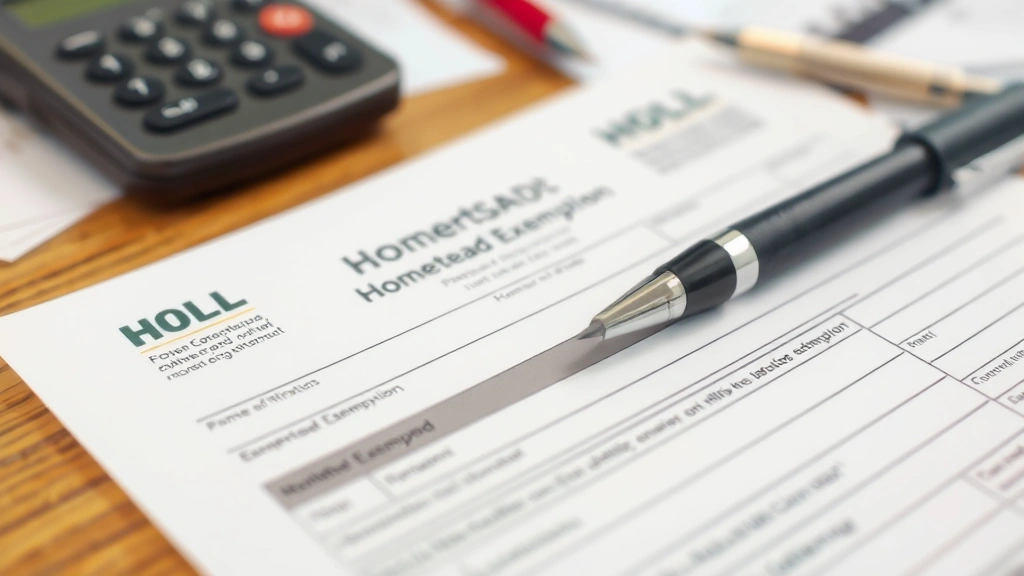
Indiana offers homestead property tax deductions for owner-occupied homes. This is a real tax break, not a loophole. If your home is your primary residence, you may qualify for a deduction that reduces your taxable assessed value.
The homestead standard deduction is currently $65,000 (as of 2024), though this amount can change. This means if your home is assessed at $300,000, your taxable value is only $235,000. That $65,000 reduction saves you roughly $455-$585 annually, depending on your tax rate.
To claim the homestead deduction, you must:
- Own the property (or be on the deed)
- Use it as your primary residence
- File a Homestead Property Tax Deduction Claim form with the county assessor
- Recertify every four years (or when ownership changes)
Many homeowners don’t realize they need to actively claim this—it doesn’t happen automatically. If you’ve never filed for it, contact the Hendricks County Assessor’s office immediately. You may be able to claim back years retroactively.
Additionally, Indiana has property tax relief programs for low-income homeowners. If your income is below certain thresholds (roughly $35,000-$50,000 depending on family size), you may qualify for additional relief. The Property Tax Replacement Credit (PTRC) is another option for renters and some homeowners.
Senior & Veteran Tax Benefits
If you’re over 65 or a disabled veteran, Hendricks County offers additional property tax relief that many people don’t know about. These aren’t charity—they’re recognition that fixed incomes and service deserve support.
Senior Citizens Property Tax Deduction: Homeowners age 65+ can claim an additional deduction. The amount varies based on your income, but it can reduce your taxable assessed value by $10,000 to $45,000, depending on your situation. This could save $70-$315 annually.

Disabled Veteran Property Tax Deduction: Veterans with service-connected disabilities rated by the VA can claim a deduction. The amount depends on your disability rating percentage. A 100% disabled veteran, for instance, may qualify for a substantial reduction or even exemption.
To apply for these benefits, you’ll need to file forms with the county assessor and provide documentation (birth certificate for seniors, VA disability rating for veterans). The application windows are typically in spring, so mark your calendar.
Don’t wait until you’re struggling financially to apply. These programs are designed to help, and there’s no shame in using them. You’ve earned it.
How to Appeal Your Assessment
This is where you take action. If you believe your Hendricks County property tax assessment is too high, you have the right to appeal. The process is straightforward, but timing is everything.
Step 1: Review Your Assessment When you receive your notice of assessed value (usually in April), read it carefully. Compare the property details to reality. Check square footage, number of bedrooms/bathrooms, roof condition, and any improvements listed.
Step 2: Gather Evidence Collect documentation supporting your case:
- Recent appraisals or home inspections
- Photos of needed repairs or damage
- Recent comparable sales in your area (homes similar to yours that sold for less)
- Professional assessment of needed repairs with cost estimates
- Your original purchase documents if recently bought
Step 3: File an Appeal Submit a Petition to Correct Errors in Assessment or a Form 130 (Homeowner’s Petition to the PTABOA) to the Hendricks County Property Tax Assessment Board of Appeals (PTABOA). You must file within 45 days of receiving your assessment notice. The deadline is non-negotiable.
Step 4: Attend the Hearing The PTABOA will schedule a hearing where you present your evidence. You don’t need a lawyer, but you can bring one. Many people successfully appeal on their own. Be professional, stick to facts, and let your evidence speak.
If you disagree with the PTABOA’s decision, you can appeal further to the state’s Indiana Board of Tax Review, but that’s rare and more complex.

Pro tip: If your home needs significant repairs, get estimates before your assessment hearing. A roof needing replacement in five years is one thing; a roof actively leaking is another. Condition matters.
Property Tax Reduction Strategies
Beyond appeals and exemptions, here are legitimate strategies to reduce your Hendricks County property tax burden:
1. Maintain Your Property This sounds counterintuitive, but hear us out. If your home has deferred maintenance, the assessor factors that in. But if you let it deteriorate visibly (peeling paint, broken windows, sagging roof), the assessed value might actually drop. However, this backfires long-term because your home’s actual value declines. Better strategy: maintain your property and appeal if the assessment doesn’t reflect that maintenance.
2. Understand Market Changes If your neighborhood’s property values are declining, you might appeal based on that trend. Conversely, if you’re in a hot market and your assessment jumped, you have grounds to appeal if the assessment exceeds comparable sales prices.
3. Verify Ownership Structures If you own investment property through an LLC or corporation, there may be different tax implications. This is where a CPA or tax attorney becomes invaluable. Related reading: Is Real Estate Tax the Same as Property Tax
4. Plan for Reassessment Cycles Knowing when your property will be reassessed helps you plan. If a reassessment is coming in 2025, you might appeal preemptively or plan for a tax increase in your budget.
5. Explore Agricultural or Conservation Exemptions If you have significant acreage in Hendricks County, you may qualify for agricultural exemptions that dramatically reduce your tax burden. These require specific land use and management.
6. Consider Capital Gains Implications If you’re planning to sell, understand how property taxes interact with capital gains taxes. Use a capital gains tax calculator to understand your potential liability when you sell.
Common Mistakes Homeowners Make
After years of helping people navigate property taxes, we’ve seen patterns. Here are the biggest mistakes:
Mistake #1: Missing the Appeal Deadline You have 45 days from receiving your assessment notice. After that, you’re stuck for four years. Set a calendar reminder the day you receive it.
Mistake #2: Not Claiming Homestead Deduction Thousands of Hendricks County homeowners leave $400-$600 annually on the table by not filing their homestead deduction claim. It’s free money. Claim it.
Mistake #3: Accepting the County’s Comparable Sales The assessor uses comparable sales to justify assessed values. But they might be using outdated sales or poor comparables. You can challenge these with your own research. Zillow, Redfin, and county records are your friends.
Mistake #4: Not Checking for Errors on the Property Card We mentioned this earlier, but it bears repeating. The county assessor has your property data on a public record card. Errors are common. A property listed as 2,500 square feet when it’s actually 2,100? That’s a $5,000-$10,000 overassessment right there.
Mistake #5: Ignoring Property Tax in Purchase Decisions When buying in Hendricks County, factor property taxes into your decision. A home in one township might have a 0.75% effective rate while an identical home nearby has a 0.85% rate. Over 30 years, that 0.10% difference is $9,000-$12,000 on a $300,000 home.
Mistake #6: Not Keeping Improvement Records If you add a deck, finish a basement, or install new windows, keep documentation. The assessor will eventually notice, but having your own records proves the work was done to code and completed professionally.
Frequently Asked Questions
When is my property tax bill due in Hendricks County?
Property tax bills in Hendricks County are typically due in two installments: the first half in May and the second half in November. If you have a mortgage, your lender likely handles these payments through escrow. If you pay directly, missing the deadline results in penalties and interest. Set up automatic payments if possible.
Can I appeal my assessment more than once?
You can appeal every four years when the property is reassessed. You can also appeal if there’s a significant change to your property (like a fire or major addition). However, you cannot appeal every year just because you want to. The reassessment cycle is every four years in Indiana.
What if I disagree with the PTABOA’s decision?
You can appeal to the Indiana Board of Tax Review within 45 days of the PTABOA’s decision. This is a state-level body that reviews the case. It’s more formal and often requires legal representation. Success rates are lower, but it’s an option if you believe there was a procedural error or clear misapplication of law.

Do rental properties get different tax treatment than owner-occupied homes?
Yes. Rental properties don’t qualify for homestead deductions or many of the exemptions available to owner-occupied homes. However, you can deduct property taxes as a business expense on your income taxes, which provides some offset. The effective tax rate is the same, but the tax benefit structure differs.
How do I find comparable sales for my appeal?
Visit the Hendricks County Assessor’s website, which has a property search tool showing recent sales. You can also use Zillow, Redfin, and MLS databases (if you have access through a real estate agent). Look for homes similar in size, condition, and location that sold within the past 6-12 months. These comparables are your strongest evidence in an appeal.
What’s the difference between assessed value and market value?
Assessed value is the county’s estimate of what your home would sell for. Market value is what someone actually pays. These should be similar, but they often aren’t. If your home is assessed at $300,000 but comparable homes are selling for $280,000, you have grounds for an appeal. The assessment should reflect the market.
Are there tax breaks for energy-efficient improvements?
Indiana doesn’t currently offer a property tax exemption for solar panels or other renewable energy installations, though some states do. However, you may be eligible for federal income tax credits if you install solar or make significant energy-efficient upgrades. Consult a tax professional about your specific situation.
How do I know if I qualify for senior or veteran benefits?
If you’re 65 or older, contact the Hendricks County Assessor’s office to request a senior property tax deduction application. If you’re a disabled veteran, you’ll need your VA disability rating letter. Call (317) 745-9200 or visit their office in person. They’ll walk you through the process.
Final Thoughts on Hendricks County Property Tax
Hendricks County property tax doesn’t have to be a mystery or an uncontrollable expense. By understanding how assessments work, claiming available exemptions, and appealing when warranted, you can significantly reduce your tax burden. The key is taking action: claim your homestead deduction, review your assessment carefully, gather evidence if you disagree, and file your appeal before the deadline.
Remember, the county assessor’s office isn’t trying to cheat you—they’re doing their job with limited resources. But that means errors happen, and it’s your responsibility to catch them. A successful appeal could save you hundreds or even thousands of dollars over your homeownership years.
If you’re buying property in Hendricks County, factor property taxes into your decision. If you own property here, review your assessment this year. And if you’re struggling with property taxes on a fixed income, explore the senior and veteran relief programs. They exist for a reason.
For more information on property taxes in neighboring counties, check out our guides on Franklin County property taxes, Collin property tax, and Arlington property tax. You can also explore Waukesha County property tax records for comparison.
Property taxes are a reality of homeownership, but they don’t have to drain your finances. Stay informed, stay proactive, and keep more of your money where it belongs—in your pocket.


