Learning how to file local taxes in PA doesn’t have to feel like deciphering ancient tax code—Pennsylvania’s local tax system is actually more straightforward than you might think, though it does have some quirks that catch people off guard. Whether you’re a resident, business owner, or freelancer, understanding your local tax obligations in Pennsylvania can save you money, headaches, and potential penalties.
Table of Contents
Pennsylvania Local Tax Overview
Pennsylvania operates a unique local tax system that’s different from federal income tax. Unlike many states, PA doesn’t have a state income tax—but don’t celebrate just yet. Instead, you’ll deal with local earned income taxes and school district taxes that vary by municipality. This means your tax bill in Pittsburgh might look completely different from your bill in Philadelphia, even if you earn the same income.
The state does collect sales tax (6%), but that’s separate from local taxes. What makes Pennsylvania special is that local governments have the authority to tax your wages directly. Think of it as your city or township getting a cut of your paycheck before it even hits your bank account.
Understanding Earned Income Tax
Earned income tax is the bread and butter of Pennsylvania local taxation. Most municipalities in PA impose an earned income tax on wages, salaries, and self-employment income. The rates typically range from 0.5% to 3.8%, depending on where you live and work.
Here’s what you need to know: if you work in a different municipality than where you live, you might owe taxes to both places. For example, if you live in one township but work in another, you could face taxes from both locations—though Pennsylvania has reciprocal agreements that sometimes prevent double taxation.
The good news? Many employers withhold local earned income tax automatically from your paycheck, similar to federal withholding. You’ll see it listed separately on your pay stub. If you’re self-employed or a freelancer, you’ll need to handle this yourself, which we’ll cover in the filing section.
School District Tax Requirements
Pennsylvania school districts have the power to levy their own taxes, and most do. School district taxes are typically the largest portion of your local tax bill. These aren’t property taxes (though those exist too)—they’re taxes on earned income and sometimes net profits.
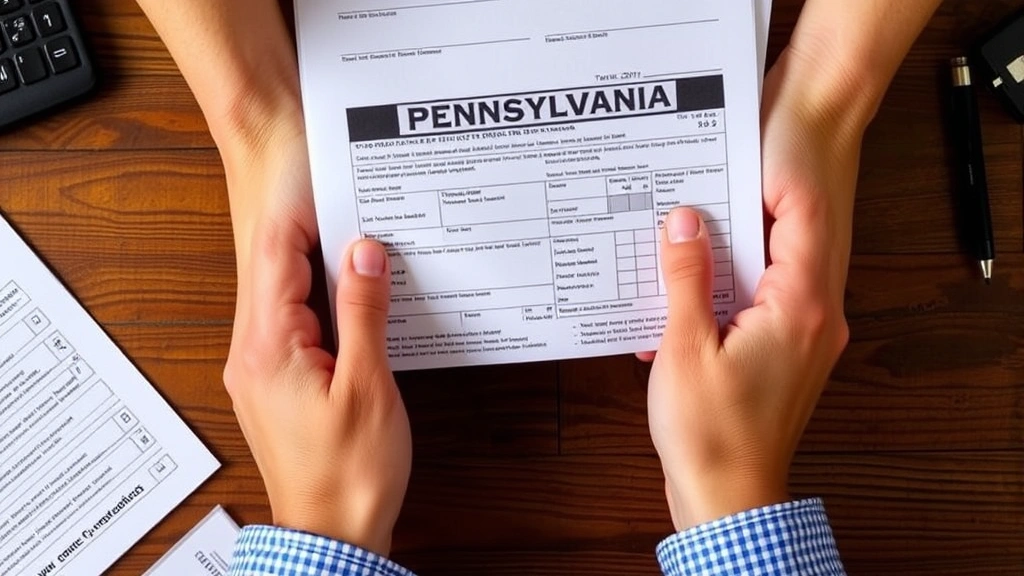
School district earned income tax rates vary widely, from around 0.5% to over 3% depending on your district. Some wealthier districts might have lower rates because they have other revenue sources. Rural districts sometimes have higher rates.
If you’re trying to figure out how to do taxes without a W2, school district taxes become even more important to track since you won’t have an employer handling withholding for you.
Local Services Tax Explained
Some Pennsylvania municipalities impose a local services tax (LST), which is a flat fee rather than a percentage-based tax. This typically applies to employees and self-employed individuals, with rates ranging from about $10 to $52 per year, depending on your municipality.
Think of LST as a license fee for working in that area. It’s not based on how much you earn—it’s a fixed amount. Some municipalities exempt certain professions or income levels, so check your specific municipality’s rules. This is one of those quirky Pennsylvania taxes that catches people by surprise because it’s not income-based.
Key Filing Deadlines
Pennsylvania local tax filing deadlines are generally aligned with federal deadlines, but there are some important distinctions:
- April 15: Standard deadline for filing local earned income taxes and school district taxes
- Extensions: If you file a federal extension, most Pennsylvania municipalities will honor it, giving you until October 15
- Estimated Taxes: Self-employed individuals should make quarterly estimated payments to their municipality
- Year-End: Some municipalities require final reconciliation by December 31
Missing these deadlines can result in penalties and interest, so mark your calendar. If you’re self-employed, set up a system to track quarterly payments—don’t wait until April 15 to deal with everything at once.

Where and How to File
Unlike federal taxes where you file with the IRS, Pennsylvania local taxes go to your municipality or school district. This means you’ll likely file with multiple entities depending on where you live and work.
Here’s the process:
- Identify your filing entities: Determine which municipality and school district you owe taxes to. If you work somewhere other than where you live, you might owe to both locations.
- Gather documentation: Collect W-2s, 1099s, or business income records. You’ll need to report your gross income.
- Find the right forms: Visit your municipality’s website or your school district’s website to download local tax forms. Many use standardized PA forms (like Form PA-40).
- Complete and file: Most municipalities now accept online filing through their websites or third-party tax software. Some still accept paper forms mailed to their office.
- Pay any balance: If taxes weren’t fully withheld, pay the difference by the deadline.
The Pennsylvania Department of Revenue maintains a comprehensive database of local tax collectors, which can help you find contact information for your specific municipality.
Avoiding Common Filing Mistakes
After years of helping people navigate Pennsylvania taxes, I’ve seen the same mistakes repeatedly. Here’s how to avoid them:
Mistake #1: Forgetting about reciprocal agreements. If you work in one municipality and live in another, Pennsylvania’s reciprocal tax agreements might prevent you from owing taxes to both places. Many people overpay because they don’t know about this.
Mistake #2: Not tracking self-employment income. If you freelance or have a side gig, make sure you’re reporting all income to both your municipality and school district. Underreporting is a common audit trigger.
Mistake #3: Missing the local services tax. People often forget about LST because it’s a flat fee, not a percentage. Then they get a penalty notice and wonder where it came from.
Mistake #4: Filing late without an extension. Don’t assume you can file late just because federal extensions exist. Always request a local extension if you need one.
Mistake #5: Ignoring school district taxes. Some people focus only on municipal taxes and forget that school districts are separate entities with their own filing requirements.
Local Tax Credits and Deductions
Pennsylvania local taxes offer fewer credits and deductions than federal taxes, but some do exist:
Earned Income Tax Credit (EITC): Some municipalities offer local versions of the federal EITC, which can reduce or eliminate your local tax liability if you qualify based on income.
Dependent deductions: A few school districts allow deductions for dependents, reducing your taxable earned income.
Business expense deductions: If you’re self-employed, you can deduct legitimate business expenses from your income before calculating local taxes, similar to federal rules.
Net profit deductions: Some municipalities allow deductions for business losses or net operating losses.
The key is checking with your specific municipality and school district—not all offer the same credits. Many people leave money on the table because they don’t know about these benefits. If you’re dealing with property taxes as well, understanding how property taxes work in your state can also help you get the full picture of your local tax obligations.
Getting Professional Help
If you’re self-employed, have multiple income sources, or work across state lines, getting help from a tax professional makes sense. A CPA or enrolled agent familiar with Pennsylvania local taxes can:
- Identify all your filing obligations
- Ensure you’re not overpaying due to reciprocal agreements
- Maximize available credits and deductions
- Set up a system for quarterly estimated payments
- Represent you if you get audited
Many tax professionals charge $200-$500 for Pennsylvania local tax filing, which can easily pay for itself if they catch errors or find credits you missed.
If you prefer DIY, several online tax software platforms now handle Pennsylvania local taxes, including TurboTax and H&R Block. They’ll ask questions about where you live and work, then generate the appropriate forms for your situation.

Frequently Asked Questions
Do I have to file local taxes in Pennsylvania if I didn’t owe federal taxes?
Yes, potentially. Pennsylvania local taxes are separate from federal taxes. Even if your federal income is low enough that you don’t owe federal taxes, you might still owe local earned income taxes or school district taxes. Check with your municipality to be sure.
What if I moved during the year?
You’ll owe taxes to each municipality for the time you lived there. Report your income proportionally or contact your municipalities for guidance. Keep documentation of your move date.
Can I deduct Pennsylvania local taxes on my federal return?
Yes, but with limits. You can deduct state and local taxes (SALT) on your federal return, but the deduction is capped at $10,000 per year. Pennsylvania local earned income taxes count toward this cap.
What happens if I don’t file local taxes?
You could face penalties (typically 5-10% of unpaid taxes), interest (currently around 8% annually), and potential legal action. It’s better to file even if you can’t pay in full—you’ll owe less in penalties than if you don’t file.
How do reciprocal agreements work?
If you work in a municipality that has a reciprocal agreement with your home municipality, you might only owe taxes to your home location. Contact your local tax collector to confirm whether a reciprocal agreement applies to your situation.
Is Pennsylvania local tax the same as property tax?
No. Earned income tax and school district taxes are based on wages or self-employment income. Property tax is based on real estate value and is separate. You might owe both.
Can I pay Pennsylvania local taxes online?
Most municipalities now offer online payment options through their websites or third-party platforms. Check your municipality’s website for payment methods. Some still accept checks or in-person payments.