
Howard County MD property tax is one of the largest expenses homeowners face, and understanding how it works can save you thousands of dollars. Whether you’re a new homeowner in Columbia, Ellicott City, or anywhere in between, this guide breaks down everything you need to know about property taxes in Howard County and actionable strategies to reduce your burden.
Table of Contents
How Property Tax Is Calculated
Your Howard County property tax bill isn’t arbitrary—it follows a straightforward formula. The county assessor determines your property’s assessed value, then multiplies it by the tax rate. Here’s what that actually means in your wallet: if your home is assessed at $400,000 and the tax rate is 1.09% (the current approximate rate), you’re looking at roughly $4,360 annually.
The key variable is the assessed value. This isn’t what you paid for your home or what it’s worth on the open market. It’s the county’s estimate of your property’s value for tax purposes. Many homeowners don’t realize this assessment can be challenged, which is where real savings happen.
Property taxes fund essential services: schools (the biggest chunk), police, fire departments, libraries, and infrastructure. In Howard County, education typically consumes about 50% of your property tax dollar, which is why the county consistently ranks among Maryland’s best school systems.
Howard County Tax Rate Details
Howard County’s property tax rate fluctuates annually based on the county budget. As of 2025, the rate hovers around 1.09% of assessed value, but this can change. What’s important to understand is that your total tax bill includes both the county rate and any municipal rates if you live in an incorporated area like Columbia.
The county publishes its rates on the Howard County Department of Finance website, and you can find historical rates to track trends. If rates have increased, it’s often due to increased county spending or declining property assessments across the board.
Compared to neighboring counties, Howard County’s rates are competitive. However, when combined with Maryland’s state income tax (which you can learn more about in our Maryland State Income Tax Rates 2025 guide), the overall tax burden is something every resident should understand.
Assessment Process Explained
The Howard County Department of Assessments determines your property’s assessed value every three years through a cyclical reassessment process. They use three approaches: the sales comparison approach (what similar homes sold for), the cost approach (replacement cost), and the income approach (for rental properties).
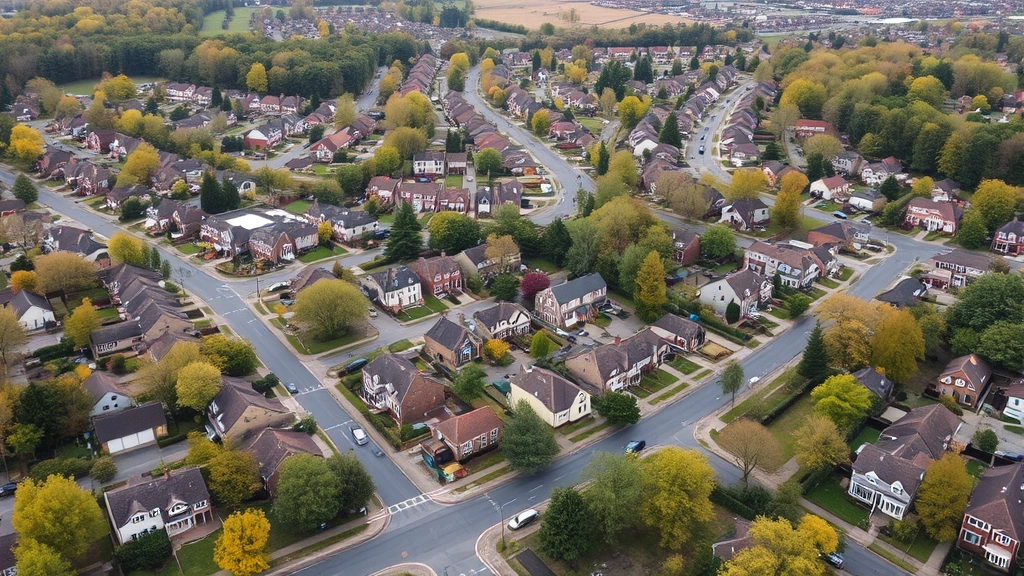
Here’s where most homeowners miss an opportunity: the county sends you a notice of assessment, and you have 30 days to appeal if you disagree. Many people ignore this notice, essentially accepting whatever value the county assigned. This is a costly mistake.
The assessment process looks at your home’s square footage, lot size, condition, improvements, and location. A home with a new roof or updated kitchen might be assessed higher. Conversely, if your home has deferred maintenance or structural issues, you might argue for a lower assessment.
Homeowner Exemptions & Credits
Maryland offers several tax breaks for homeowners, and Howard County residents should take full advantage. The Maryland Homeowners Tax Credit is one of the most valuable. This credit reduces your property tax bill based on your household income and the amount you pay in property taxes.
To qualify, you must be a Maryland resident, own your home as your principal residence, and meet income thresholds. The credit phases out as income increases, but even middle-income households often qualify for some relief. The application process is straightforward—you file with your state income tax return.
Additionally, Howard County offers property tax exemptions for:
- Homestead exemptions: Available to owner-occupied homes, reducing your assessed value
- Disabled veterans: Significant exemptions for qualified veterans
- Agricultural properties: If you have farmland in the county
- Religious institutions: Tax-exempt status for qualifying organizations
Don’t assume you don’t qualify—income thresholds are often higher than people expect. Check with the Howard County Tax Assessor’s office to confirm your eligibility.
Senior Citizen Property Tax Programs
If you’re 65 or older and own your home in Howard County, you may qualify for the Homestead Property Tax Credit for Seniors. This program provides tax relief for seniors with limited incomes, and the benefits can be substantial.
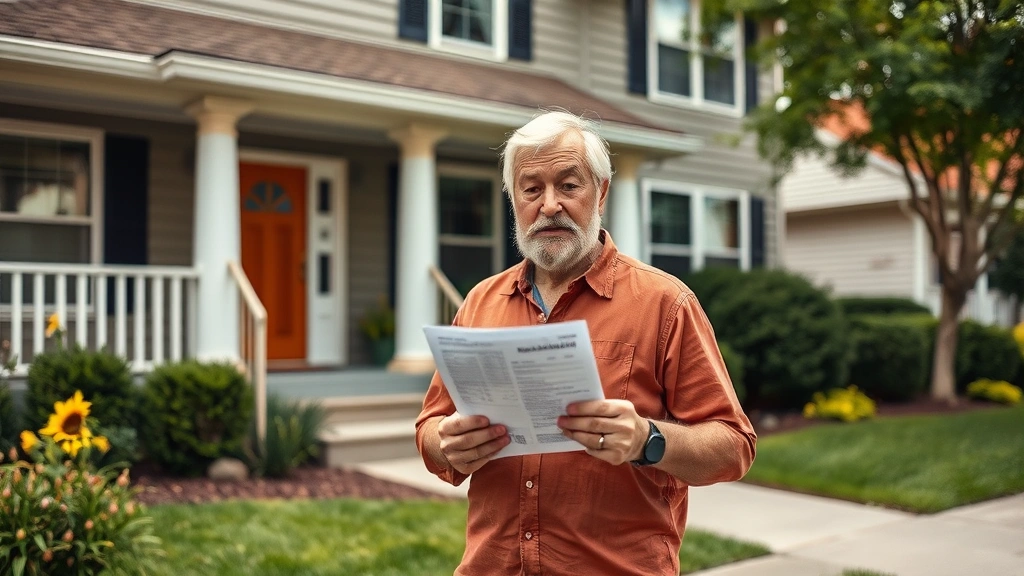
The program has income limits (approximately $32,000 for single filers and $40,000 for joint filers, though these adjust annually), and the credit amount depends on your property tax bill and income. For many retirees living on fixed incomes, this can reduce their property tax burden by 10-30%.
You’ll need to apply through the Maryland Department of Assessments and Taxation. The application deadline is typically September 15th for that tax year, so mark your calendar. Missing the deadline means waiting another year for relief.
Challenging Your Assessment
This is the single most effective way to lower your Howard County property tax bill. If you believe your assessment is too high, you have the right to challenge it. Here’s the process:
Step 1: Review your assessment notice. When you receive it, compare the listed details (square footage, lot size, number of bedrooms) against your actual home. Errors are surprisingly common.
Step 2: Research comparable sales. Look at similar homes in your neighborhood that sold recently. Real estate websites like Zillow, Redfin, and the MLS provide this data. If comparable homes sold for less than your assessed value, you have grounds for an appeal.
Step 3: File your appeal. You have 30 days from the assessment notice date. Submit your appeal to the Howard County Department of Assessments with supporting documentation—photos of deferred maintenance, comparable sales data, or a professional appraisal.
Step 4: Attend the hearing. If the county doesn’t adjust your assessment after your written appeal, you can request an informal hearing. Bring your evidence and be prepared to explain why you believe the assessment is incorrect.
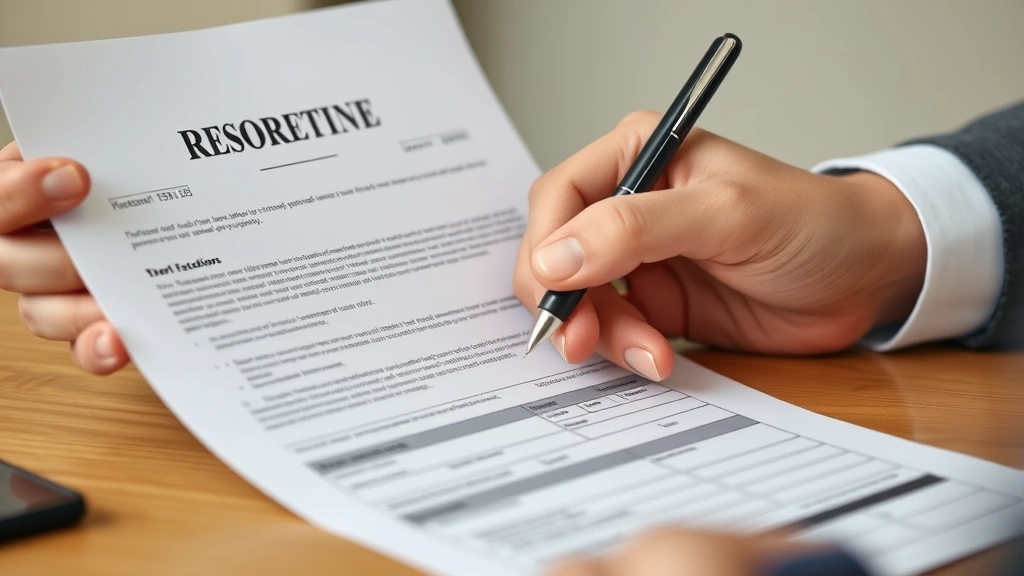
Many homeowners win these appeals, especially when they can show that their home’s condition or recent market data doesn’t support the assessed value. Even a 5-10% reduction saves hundreds of dollars annually.
Tax Planning Strategies
Beyond the immediate steps above, consider these longer-term approaches to manage your property tax burden. Our Tax Planning Strategies guide covers broader concepts, but here are property-tax-specific tactics:
Refinance strategically. If you refinance your mortgage, the lender orders a new appraisal. If this appraisal is significantly lower than your current assessed value, the county may adjust your assessment downward. This is a legitimate way to potentially lower your tax bill.
Document home improvements carefully. When you renovate, get permits and keep receipts. The county will eventually learn about major improvements, but you can negotiate how they affect your assessed value. Sometimes improvements don’t justify proportional assessment increases.
Consider your purchase timing. Property taxes in Maryland are based on the assessed value as of January 1st. If you’re buying in late December, your first full tax bill won’t hit until the following year, giving you time to plan.
Explore relocation options. If property taxes are a major concern, compare Howard County to neighboring jurisdictions. Some areas have lower rates, though you’ll want to weigh schools, services, and quality of life against tax savings.
Common Mistakes to Avoid
After years of helping clients navigate property taxes, I’ve seen these mistakes repeatedly:

Ignoring assessment notices. This is the biggest one. You can’t challenge an assessment if you miss the deadline. Mark your calendar the moment you receive notice.
Assuming your assessment is accurate. County assessments are estimates, not gospel. Errors happen. A friend of mine discovered her home was assessed as having four bedrooms when it actually had three—a mistake that inflated her taxes for years until she challenged it.
Not applying for available credits. The Maryland Homeowners Tax Credit goes unclaimed by thousands of eligible residents annually. Free money left on the table.
Failing to maintain records. If you ever need to appeal, you’ll want documentation of your home’s condition, repairs, and comparable sales. Keep files organized.
Overlooking exemptions. Senior exemptions, veteran benefits, and other programs are underutilized. Ask the assessor’s office directly about programs you might qualify for.
Frequently Asked Questions
When are Howard County property taxes due?
Property taxes in Howard County are typically due on September 30th. The county sends bills in August, and you can pay online, by mail, or in person. If you pay late, penalties and interest accrue quickly, so mark this date in your calendar.
Can I deduct Howard County property taxes on my federal return?
Yes, but with limitations. The federal Tax Cuts and Jobs Act capped the State and Local Tax (SALT) deduction at $10,000 annually. If your property taxes plus state income taxes exceed this, you can only deduct up to $10,000. Many Howard County homeowners hit this cap.

How often are properties reassessed?
Howard County reassesses properties on a three-year cycle. Your property might be assessed in Year 1, Year 2, or Year 3, depending on your location. Check the county’s reassessment schedule to know when your home will be evaluated.
What’s the difference between assessed value and market value?
Assessed value is what the county estimates your home is worth for tax purposes. Market value is what your home would actually sell for. These can differ significantly. Assessed values often lag behind market values in appreciating areas, which is why appeals are valuable.
Are there property tax breaks for first-time homebuyers?
Maryland doesn’t offer a specific first-time homebuyer property tax exemption, but you may qualify for the Homeowners Tax Credit if your income is low enough. First-time buyers should also explore whether they qualify for any of the credits or exemptions mentioned in this guide.
What happens if I don’t pay my property taxes?
The county can place a lien on your home, and eventually, your property can be sold at a tax sale to recover unpaid taxes. This is serious. If you’re struggling to pay, contact the Howard County Tax Office immediately to discuss payment plans or hardship options.
Can I appeal my assessment more than once?
Yes, you can appeal during each reassessment cycle (every three years). If your home’s condition has changed or market conditions have shifted, a new appeal might succeed where a previous one didn’t.
Final Thoughts
Howard County MD property tax doesn’t have to be a passive expense you simply accept. By understanding how assessments work, knowing what exemptions you qualify for, and being willing to challenge inflated valuations, you can meaningfully reduce your tax burden.
Start with these immediate actions: review your latest assessment notice for errors, research comparable sales in your neighborhood, and check whether you qualify for the Maryland Homeowners Tax Credit. These steps alone could save you hundreds of dollars annually.
If property taxes are a significant concern as you plan your overall finances, consider consulting with a tax professional or financial advisor who understands Maryland’s specific rules. The investment in professional guidance often pays for itself through tax savings and strategic planning.
Remember, you’re not alone in this. Thousands of Howard County homeowners successfully reduce their property tax bills every year through assessment appeals and credits. You can too.