

An Indiana property tax lookup is your direct line to understanding what you owe on real estate in the state—and honestly, it’s easier than most people think. Whether you’re a homeowner, investor, or just curious about a property’s tax history, knowing how to find this information can save you thousands of dollars and prevent nasty surprises come tax season.
Table of Contents
- What Is Indiana Property Tax?
- Why a Property Tax Lookup Matters
- Finding Your County Assessor
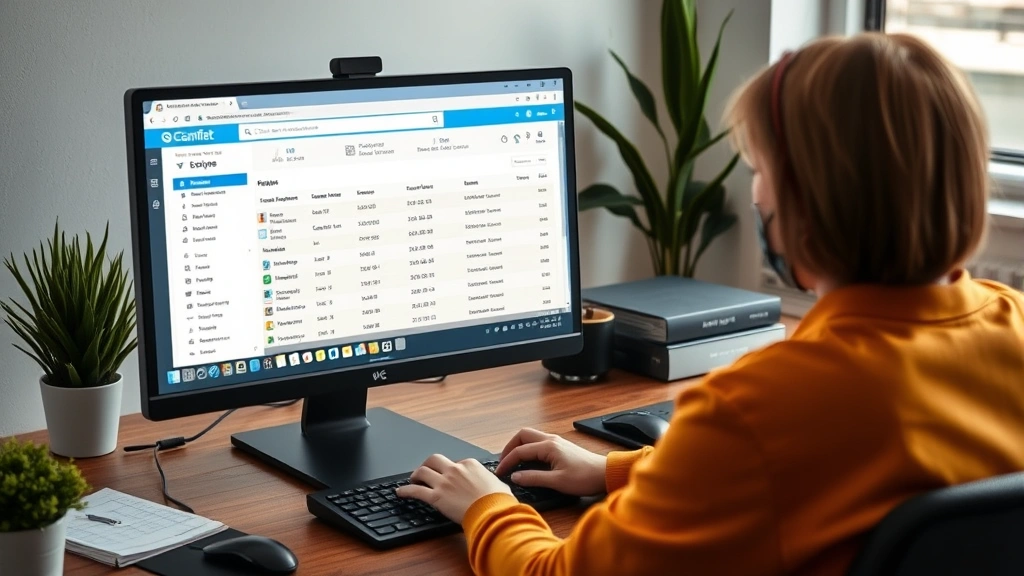
- Using Online Search Tools
- Understanding Your Assessment
- Indiana Property Tax Deadlines
- Exemptions and Deductions Available
- How to Appeal Your Assessment
- Common Lookup Mistakes to Avoid
- Frequently Asked Questions
What Is Indiana Property Tax?
Indiana property taxes are annual levies imposed on real estate based on the assessed value of your property. The state uses these funds to support schools, local government services, and infrastructure. Here’s the reality: Indiana’s effective property tax rate hovers around 0.85% of home value, which is below the national average of 0.99%. That said, the actual amount you pay depends heavily on your county’s assessment practices and local tax rates.
The Indiana Department of Local Government Finance oversees property tax administration statewide, but each county has its own assessor’s office that handles individual property valuations. This decentralized system means your property tax experience in Marion County might look completely different from someone in Lake County.
Why a Property Tax Lookup Matters
Think of a property tax lookup as your financial health check-up for real estate. Here’s why it matters:
- Verify accuracy: Assessors make mistakes. Your property might be listed with an extra bedroom or square footage you don’t actually have.
- Budget planning: Knowing your exact tax bill helps you plan your annual finances without surprises.
- Investment decisions: If you’re considering buying rental property, the tax lookup shows you what your actual carrying costs will be.
- Appeal opportunities: You can’t fight what you don’t know. A lookup reveals if your assessment is way out of line with comparable properties.
- Refinance timing: Lenders need accurate property tax info before approving mortgages.
I’ve seen homeowners discover they were paying taxes on properties they’d already sold or find that their home was assessed at 30% above market value. A simple lookup could’ve caught these issues years earlier.
Finding Your County Assessor
Indiana has 92 counties, and each one maintains its own assessor’s office. The most direct route to an Indiana property tax lookup is contacting your county assessor. Here’s how:
Step 1: Identify Your County – If you don’t know which county your property is in, you can search Indiana’s county map or simply Google “[city name] Indiana county.”
Step 2: Search the Assessor’s Website – Most county assessor offices now offer online property search portals. Go to your county’s official website and look for “Property Search,” “Tax Lookup,” or “Assessment Database.” Marion County (Indianapolis), Lake County (Gary), and Allen County (Fort Wayne) typically have user-friendly online systems.
Step 3: Contact Directly – If the online tool isn’t working or you need detailed information, call your county assessor’s office. They’re usually helpful and can pull up your property details in minutes. Have your address and parcel number ready.
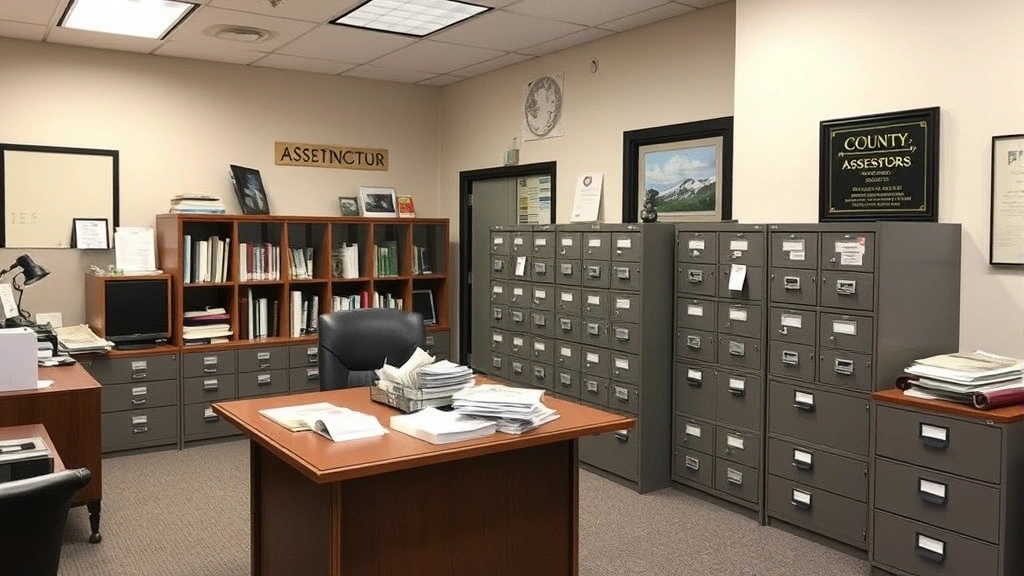
Step 4: Visit in Person – County assessor offices maintain public records you can review during business hours. This is helpful if you want to see the property record card, which shows the assessor’s notes on your home’s characteristics.
Using Online Search Tools
Beyond county websites, several platforms let you perform an Indiana property tax lookup from your couch:

Indiana Assessor’s Data Portal: The state maintains a centralized database accessible through the Department of Local Government Finance website. This isn’t flashy, but it’s official and free.
Zillow and Trulia: These real estate sites often display property tax estimates, though they’re not always 100% current. They’re good for ballpark figures.
County-Specific Platforms: Larger counties like Marion have dedicated online assessment search tools with real-time data. Smaller counties might use third-party vendors—just search “[County Name] Indiana property search.”
Third-Party Data Aggregators: Sites like PropertyShark and Redfin pull property tax information from public records, though you might need to verify amounts with your county assessor for absolute accuracy.
Here’s my pro tip: Always cross-reference information from multiple sources. Online databases occasionally lag behind recent reassessments, so if you see a number that seems off, contact your assessor directly.
Understanding Your Assessment
When you do an Indiana property tax lookup, you’ll see an “assessed value”—this is NOT the same as your home’s market value. Indiana assessors are required to assess properties at 100% of “true tax value,” which is the property’s market value on a specific assessment date.
Your actual property tax bill is calculated like this:
Assessed Value × Tax Rate = Annual Property Tax
In Indiana, the tax rate varies by location but typically ranges from 0.5% to 1.2% of assessed value, depending on your county and local taxing units (schools, fire departments, etc.).
The property record card you’ll find in your lookup shows:
- Building and land characteristics (square footage, lot size, year built)
- Recent sales prices (if applicable)
- Assessment history
- Exemptions or special classifications
Pay close attention to the “characteristics” section. If your house is listed as having 4 bedrooms but you only have 3, or if the square footage is significantly off, that’s grounds for an appeal. Assessors rely on public records and occasional property inspections, so outdated information is surprisingly common.
Indiana Property Tax Deadlines
Indiana property taxes are typically billed twice per year, with payment deadlines that vary slightly by county. Most counties follow this general schedule:
- First installment: Due May 10 (for taxes assessed on January 1)
- Second installment: Due November 10
If you pay late, Indiana charges a 10% penalty on the first installment and 10% on the second installment if paid after the deadline. After 60 days of non-payment, interest accrues at 1.5% per month.
If you have a mortgage, your lender typically handles property tax payments through an escrow account, so you won’t see a separate bill. But if you own the property outright, you’re responsible for making sure those payments hit your county treasurer’s office on time.
Pro move: Set up automatic payments through your county’s online portal if available. It eliminates the “forgot to mail the check” problem and gives you peace of mind.
Exemptions and Deductions Available
Not all Indiana property is taxed equally. Several exemptions can reduce your assessed value significantly:
Homestead Exemption: Indiana offers a homestead property tax deduction for owner-occupied residences. The deduction is based on your property’s assessed value and can reduce your tax bill by several hundred dollars annually. You must file to claim it—it doesn’t happen automatically.
Senior Citizens Exemption: Hoosiers age 65 and older may qualify for additional property tax relief, depending on income limits and county programs.
Disability Exemption: Disabled veterans and other disabled individuals may qualify for exemptions or deductions.
Agricultural Land: If your property is classified as agricultural, you may qualify for preferential assessment rates far below residential rates.

Non-Profit and Religious Property: Churches, schools, and charitable organizations typically receive exemptions.
The key here is that exemptions require action on your part. When you do your Indiana property tax lookup, verify that all exemptions you qualify for are actually applied to your assessment. I’ve encountered homeowners paying full taxes on owner-occupied homes simply because they never filed the homestead exemption application.
How to Appeal Your Assessment
If your Indiana property tax lookup reveals an assessment you believe is wrong, you have rights. Indiana law allows property owners to appeal their assessments through a formal process:
Step 1: Gather Evidence – Collect comparable sales data, recent appraisals, photos of property condition, and documentation of any errors in the property record card.
Step 2: File a Formal Objection – Submit a Form 130 (Objection to Assessment) to your county assessor. The deadline is typically 45 days after the assessment notice is mailed. Check your county’s specific deadline—missing it means you lose your appeal rights for that year.
Step 3: Meet with the Assessor – The county assessor may meet with you to discuss your objection. Come prepared with your evidence and be professional. Many assessments are adjusted at this stage without needing further action.
Step 4: Appeal to the PTABOA – If you’re not satisfied, you can appeal to your county’s Property Tax Assessment Board of Appeals (PTABOA). This is a quasi-judicial hearing where you present your case. You can represent yourself or hire a property tax professional.
Step 5: State Board Appeal – If the PTABOA denies your appeal, you can escalate to the Indiana State Board of Tax Commissioners, though this is rare and requires significant evidence of error.
Real talk: Most successful appeals come down to proving your assessment doesn’t match comparable properties. If three similar homes on your street sold for $250,000 but yours is assessed at $300,000, you have a strong case.
Common Lookup Mistakes to Avoid
I’ve seen people bungle their Indiana property tax lookup in predictable ways. Here’s what NOT to do:
Mistake #1: Confusing Assessed Value with Market Value – Your assessed value might be lower than what your home is actually worth. Don’t assume they’re the same.
Mistake #2: Ignoring Outdated Information – Property records sometimes contain old data. If your record card says you have a basement when you have a crawlspace, or if it lists a garage that’s no longer there, get it corrected.
Mistake #3: Missing Exemption Deadlines – Exemptions don’t apply automatically. If you’re eligible for a homestead deduction and don’t file, you’re essentially paying extra taxes.
Mistake #4: Assuming the Online Database Is Current – County websites sometimes lag by several months. If you recently had a reassessment, the online lookup might not reflect it yet. Call to confirm.
Mistake #5: Not Comparing to Neighbors – One of the best ways to spot an unfair assessment is comparing your tax bill to similar properties nearby. If your house is assessed 20% higher than three identical homes on your block, something’s wrong.
Mistake #6: Forgetting About Payment Deadlines – Seriously, set a calendar reminder. A 10% penalty for a late payment is brutal and easily avoidable.
Frequently Asked Questions
Can I do an Indiana property tax lookup online?
Yes. Most Indiana counties offer online property search tools through their assessor’s office website. You can also access the state’s centralized database through the Department of Local Government Finance. Simply search “[County Name] Indiana property search” to find your county’s portal.
What information do I need to look up my property taxes?
You’ll need either your street address or your parcel number (also called the property identification number or PIN). Your parcel number appears on your property tax bill. If you don’t have it, the county assessor’s office can provide it.
How often are Indiana properties reassessed?
Indiana requires reassessment every four years. However, properties can be reassessed more frequently if there’s been a significant change (new construction, major renovation, change in use). Check your county’s reassessment schedule on their assessor’s website.
What’s the difference between property tax and property assessment?
Assessment is the process of determining your property’s value. Your assessed value is then multiplied by the tax rate to calculate your actual property tax bill. Assessment is the first step; taxation is the result.

Can I appeal my property tax assessment in Indiana?
Absolutely. You can file a Form 130 (Objection to Assessment) with your county assessor within 45 days of receiving your assessment notice. If unsatisfied, you can appeal to the Property Tax Assessment Board of Appeals (PTABOA).
Are there property tax exemptions for seniors in Indiana?
Yes. Indiana offers homestead property tax deductions for owner-occupied residences, and additional relief programs exist for seniors age 65 and older, depending on income and county. You must apply—exemptions don’t happen automatically.
When are Indiana property taxes due?
Indiana property taxes are typically billed twice yearly, with payments due May 10 (first installment) and November 10 (second installment). Deadlines may vary slightly by county, so confirm with your county treasurer’s office.
What happens if I don’t pay my Indiana property taxes on time?
Late payments incur a 10% penalty. After 60 days of non-payment, interest accrues at 1.5% per month. Eventually, unpaid property taxes can result in a tax sale of your property.
Final Thoughts on Indiana Property Tax Lookup
An Indiana property tax lookup isn’t just a bureaucratic chore—it’s your opportunity to take control of one of your largest annual expenses. Whether you’re verifying accuracy, planning your budget, or building a case for an appeal, the information is out there and accessible to you.
Start with your county assessor’s website, cross-reference information across multiple sources, and don’t hesitate to call your assessor’s office with questions. If something looks off, investigate it. If you qualify for exemptions, apply for them. And whatever you do, don’t miss those payment deadlines.
The good news is that Indiana’s property tax system is relatively transparent and straightforward compared to other states. You have tools, you have rights, and you have recourse if something’s wrong. Use them. For additional context on property tax practices in other states, check out how California handles property tax deadlines or explore Cuyahoga County’s property tax system for comparison.
If you’re dealing with property tax appeals or complex real estate situations, consider consulting a property tax professional or CPA. It’s often money well spent, especially if your assessment is significantly higher than comparable properties in your area.


